EV Collision Repair in Phoenix: Why Electric Cars Need Special Care After an Accident
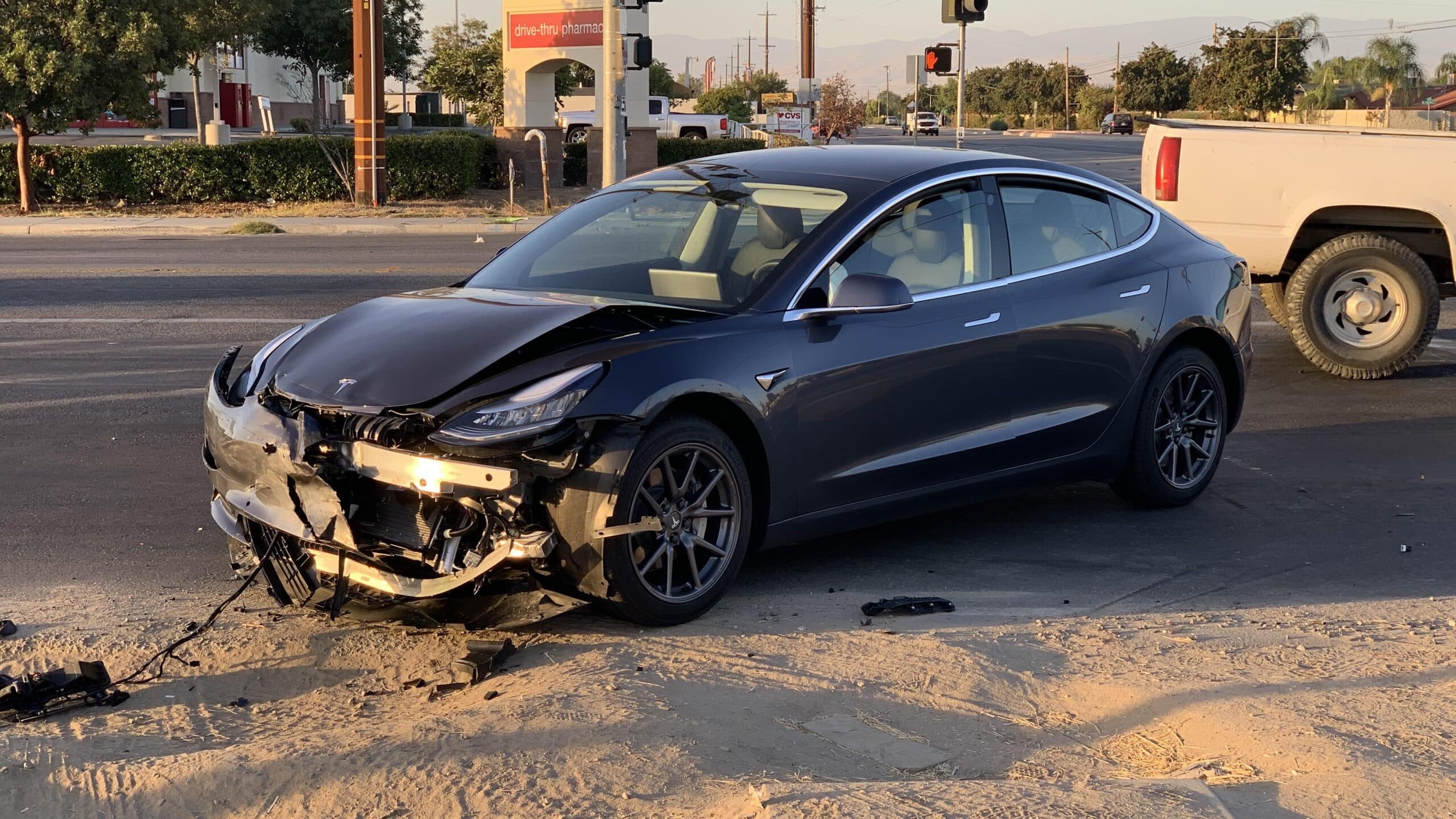
EV collision repair in Phoenix needs special care because electric cars have batteries, sensors, cameras, and cooling systems that must be checked after a crash.
That is good news for drivers who want lower fuel costs and newer car tech. But it also means more EVs will end up in body shops after accidents.
Here is the part many drivers do not know.
Fixing an electric vehicle after a crash is not the same as fixing a gas-powered car. The outside damage may look simple, but there can be more going on under the body panels.
An EV can have a large battery under the floor, high voltage parts, cooling lines, cameras, radar sensors, and safety systems that need special care. A good repair is not just about making the car look right again. It is about making sure the car is safe to drive, safe to charge, and working the way it should.
That matters even more in Phoenix, where heat, long drives, freeway traffic, and growing EV use all come together.
Phoenix Is Becoming an EV City
Phoenix is not a small EV market anymore.
The City of Phoenix says Arizona ranked #10 in the United States for EV registrations in 2026. The city also has a goal of supporting about 280,000 EVs in Phoenix by 2030.
That means more electric vehicles will need collision repair, bumper repair, paint work, frame checks, and insurance claim help over the next few years.
Phoenix also has more public charging support than many people think. As of July 2023, Arizona had 1,065 public EV charging station locations and 2,966 charging ports. The City of Phoenix also said there were 616 public charging ports in Phoenix.
More EVs on the road means drivers need better repair information. If an EV gets hit, the repair shop needs to look at more than the dent.
Why EV Collision Repair Is Different
A normal accident repair may start with the bumper, fender, door, paint, or frame.
With an EV, the shop also has to think about the battery, the wiring, the cooling system, and the safety sensors.
Many EVs carry the battery low in the vehicle, often under the floor. This helps the car feel stable on the road. But it also means that damage near the bottom of the car can matter more than it looks.
A curb hit, side crash, underbody scrape, or hard impact near the rocker panel can reach areas close to the battery. That does not mean the battery is always damaged. It means the shop should check it the right way before calling the repair simple.
The safest repair starts with a full look at the car, not just the outside panels.
The Battery Area Needs Extra Care
The battery pack is one of the most expensive parts of an EV. It is also one of the main reasons EV repair needs trained hands.
A damaged battery can create problems right away, or later. That is why a damaged EV should not be treated like a normal car until the battery area has been checked.
A repair shop should look for things like dents near the battery tray, missing fasteners, coolant leaks, strange smells, warning lights, or signs that the battery area got hot.
Some repair guidance is very strict. One example shared by I CAR says a dent in the battery tray deeper than 0.5 millimeters can be a concern. That is less than the thickness of a credit card.
That number may sound small, but it shows how careful EV repair can be. A small mark in the wrong place may need more inspection.
Do Not Judge the Damage Only by How the Car Looks
This is one of the biggest mistakes drivers can make after an EV accident.
The bumper may look fine. The car may still turn on. The door may still close. The screen may still work.
But that does not always mean the car is fully safe.
The car may have hidden damage under a panel. A sensor may be out of place. A cooling line may be damaged. The battery area may need a closer look. A warning code may be stored in the car, even if the dash does not look scary.
This is why a good EV repair should include a scan before the repair and another scan after the repair. The scan helps the shop see what the car is reporting. It can show issues with sensors, battery systems, cameras, or other parts that may not be easy to see by eye.
For Phoenix drivers, this is very useful. Many people depend on their car every day for work, school, errands, and long drives across the Valley. You do not want to find out later that something was missed.
Phoenix Heat Makes the Repair Process Matter More
EVs are built to handle heat, but Phoenix heat is still a real factor.
AAA research found that when the outside temperature hit 95 degrees, EV range dropped by 4%. When the air conditioning was on at that same temperature, range dropped by 17%.
In Phoenix, 95 degrees is not rare. It can feel mild compared to many summer days.
This does not mean EVs are unsafe in hot weather. It means the battery cooling system matters. If a crash damages cooling lines, underbody panels, battery protection, or related parts, the car may not perform the same way after the repair.
A proper EV repair should check the cooling system when the damage is near the battery area or the front end. Heat, charging, and long drives all place demand on the system. In Phoenix, that system needs to be working right.
Sensors and Cameras Need To Be Checked Too
Many EVs come with safety features that help the driver see, stop, park, and stay in the lane.
Those features often depend on cameras and sensors. The problem is that many of those sensors sit in places that get hit during accidents.
A front bumper may hold radar. A windshield may hold a camera. A side mirror may help with blind spot warnings. A rear bumper may have parking sensors. A quarter panel may have hidden parts tied to safety alerts.
If those parts move even a little, the car may not read the road the right way.
That is why EV collision repair may need sensor aiming after the body work is done. Some drivers call it calibration. A simpler way to say it is this, the sensors need to be checked and lined up again.
If a shop replaces a bumper or works near a sensor, ask if the safety systems need to be reset or aimed.
EV Repairs Can Cost More
EV repair can cost more than repair on a gas powered car.
CCC, a company that studies auto claims and repair data, found that EVs needed almost 4 more labor hours per repair than gas powered vehicles. CCC also found that EV labor costs were about 30% higher.
Another CCC report found that EV repair costs were 46.9% higher than non EV repair costs in the first half of 2024.
There are good reasons for this. EVs can need more scans, more safety steps, more sensor work, and more careful repair planning. The parts can also cost more. CCC found that EVs averaged 22 replaced parts per repair in 2024, while gas powered vehicles averaged 16.
This does not mean every EV repair will be expensive. A small paint repair or light dent may still be simple. But after a crash, the estimate should not be based only on what is visible.
A good estimate should include the visible damage, the hidden damage, the scans, the sensor work, and any battery area checks needed for that specific car.
What To Ask Before Choosing a Shop
Before you leave your EV with a repair shop, ask a few simple questions.
Ask if they have worked on EVs before. Ask if they check the battery area when the impact is near the underbody or side of the car. Ask if they scan the car before and after repair. Ask if they check sensors and cameras after bumper, glass, or body work. Ask if they can help explain the repair needs to your insurance company.
You do not need to sound like a car expert. A good shop should be able to explain the process in plain words.
If the answer feels rushed or unclear, that is a sign to slow down.
What To Do Right After an EV Accident
After any accident, your first job is safety.
Move away from traffic if you can. Call 911 if someone is hurt, if there is smoke, if there is fire, or if you see leaking fluid. Do not touch orange cables. Those are tied to high voltage parts.
If the car has a burning smell, smoke, hissing sounds, popping sounds, battery warnings, charging problems, or fluid leaks, do not treat it like a normal fender bender.
NHTSA says a damaged EV battery can release toxic or flammable gases right away or later. It also says a damaged vehicle with a lithium ion battery should not be parked in a garage or within 50 feet of a house, another building, another car, or anything that can burn if battery damage is suspected.
That does not mean every EV accident will lead to a fire. Most will not. But it does mean damaged EVs deserve respect until they have been checked.
Repair Records Can Help Later
A good EV repair is also about the paper trail.
If you sell or trade the car later, buyers may want to know how it was repaired. Insurance companies may also need proof that certain steps were done.
Keep your repair estimate, parts records, scan reports, sensor reset records, paint warranty, and any notes about battery area checks.
That can help protect the car’s value. It also gives the next owner more trust if the vehicle was repaired the right way.
The Bottom Line for Phoenix EV Drivers
Electric vehicles are not weak. They are not unsafe. They are just different.
After an accident, an EV needs a careful repair plan. The shop should look at the body damage, the battery area, the cooling system, the sensors, and the car’s stored codes.
This matters in Phoenix because EV use is growing fast, the heat is real, and many drivers put a lot of miles on their cars.
For Phoenix drivers who need help after an accident, One Stop Auto Body & Paint can help with collision repair guidance, insurance claim support, and a clear repair plan for modern vehicles, including electric vehicles.
The best move is simple. Do not choose a shop only because it is close or cheap. Choose one that knows what to check before the car goes back on the road.
Comments
Related news


Subscribe for EV News and Reviews

AI Employee for Car Dealerships
Results in 30 days - Or We'll Give You Your Money Back