Polestar Eyes LFP Batteries as It Targets a Climate-Neutral Car by 2035
Every current model in the Swedish brand’s lineup relies on nickel manganese cobalt cells, and the company has not yet named a launch timeline for an LFP-equipped vehicle.
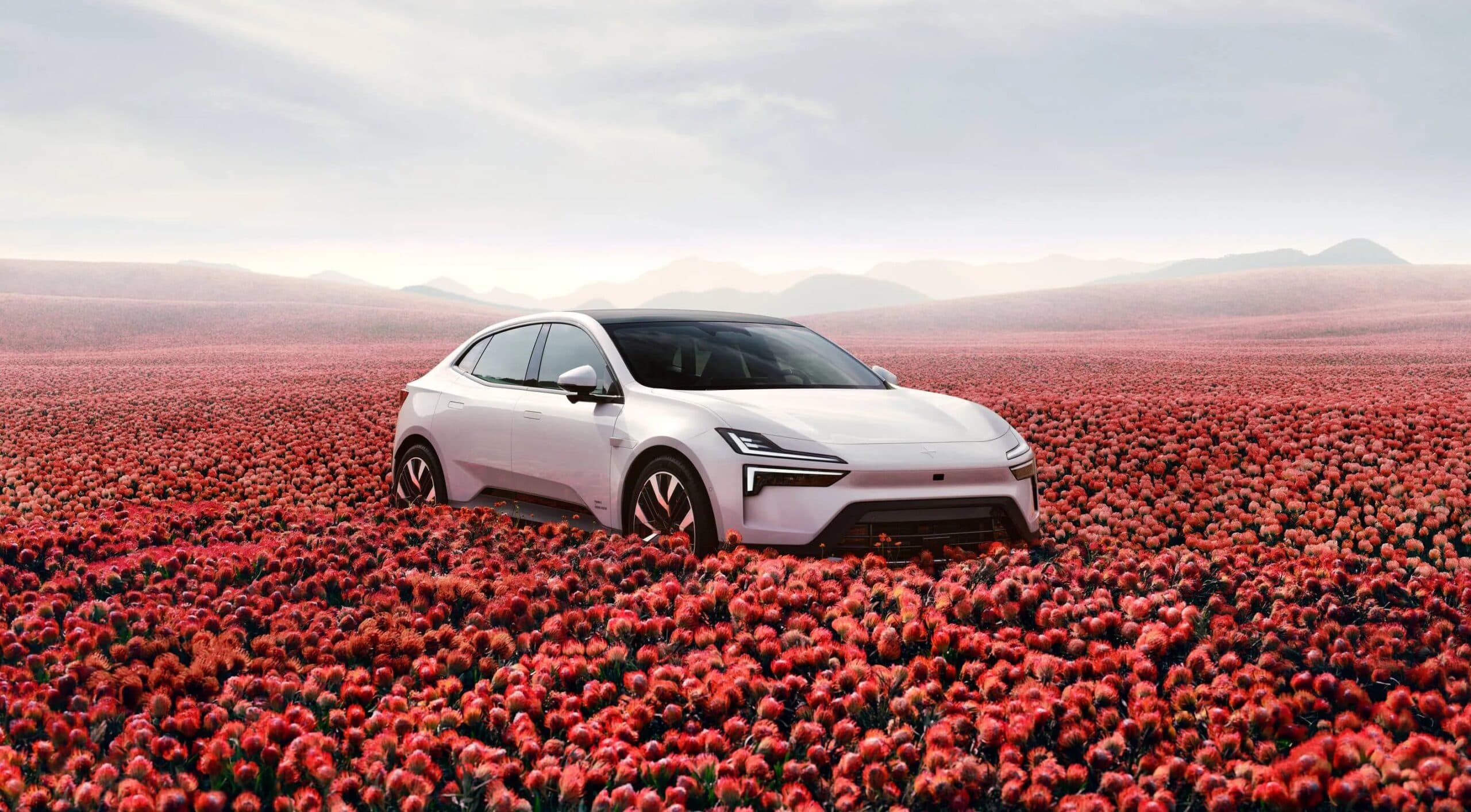
Swedish EV maker Polestar is looking at lithium iron phosphate (LFP) battery technology to help meet its 2035 target for a zero-emission production car, Head of Sustainability Fredrika Klarén said.
Every current model in the Swedish brand’s lineup relies on nickel manganese cobalt cells, and the company has not yet named a launch timeline for an LFP-equipped vehicle.
Wastewater phosphorus and recycled iron could cut battery emissions
Speaking with CarExpert during the rollout of the Polestar 4 SUV, Klarén noted that switching to LFP chemistry could accelerate the company’s push toward carbon-neutral cell manufacturing.
Instead of relying on phosphate rock mined in Morocco, future LFP supply chains could recover phosphorus from wastewater and pair it with iron sourced from recycled scrap metal, according to Eletric Vehicles.
Klarén’s remarks follow Polestar’s decision in its April 2025 sustainability report to push the deadline for its Polestar 0 program from 2030 to 2035. First announced in 2021, the initiative seeks to eliminate cradle-to-grave vehicle emissions across raw materials, assembly and end-of-life recycling without purchasing carbon offsets.
Even with that five-year extension, Polestar reported that per-vehicle greenhouse gas emissions dropped 31% between 2020 and 2025, falling from 45.9 tonnes of CO2 equivalent per car sold to 31.7 tonnes. The automaker is targeting a 50% reduction by 2030 and full value-chain climate neutrality by 2040.
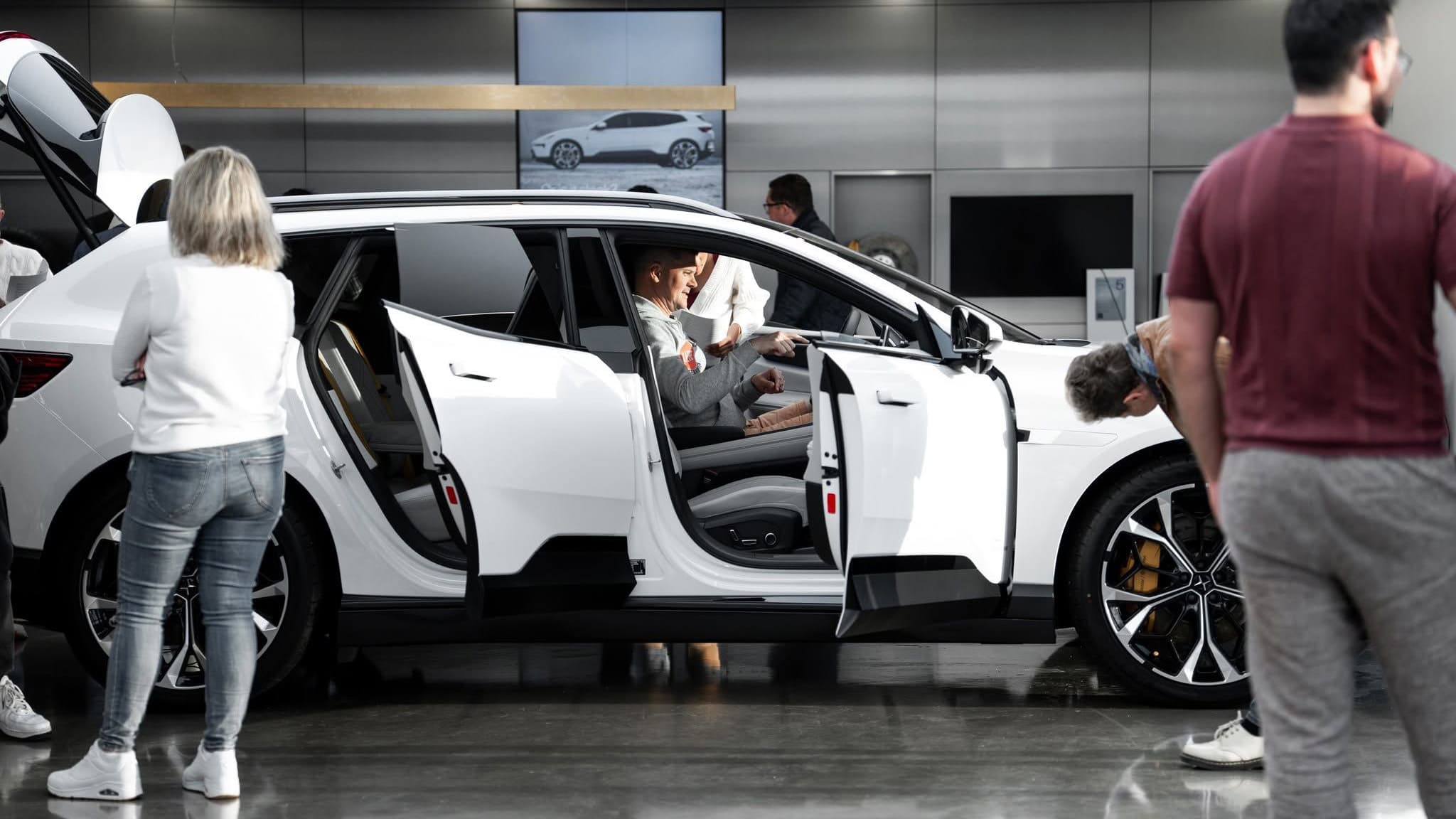
Recyclable metal cabin trim and bio-based materials round out the strategy
Alongside battery chemistry, Klarén highlighted two cabin-material shifts under review for the Polestar 0 project. One involves replacing multi-chemical interior plastics with simpler metal trim pieces that are far easier to recycle at the end of a vehicle’s life.
The third pillar focuses on components derived entirely from biological sources, which Klarén said have the potential to sequester carbon rather than add to a vehicle’s footprint.
Within parent company Geely’s broader portfolio, sister brands Volvo and Zeekr already deploy LFP packs in models such as the Volvo EX30 and Zeekr 007. Polestar’s upcoming product roadmap includes a next-generation Polestar 2 slated for 2027 and the compact Polestar 7 SUV arriving in 2028 from Volvo’s Košice factory in Slovakia, though cell specifications for both remain unannounced.
Meanwhile, the Busan-built Polestar 4 SUV—whose 100 kWh NMC pack accounts for 5.46 tonnes of CO2e—starts at €57,900 ($64,900) in Germany ahead of fourth-quarter deliveries.
EV.com tracks the evolving EV collector space and performance electric vehicles hitting the market. Explore our listings to find the best EVs in your area available today.
Comments
Categories
Related news


Subscribe for EV News and Reviews

AI Employee for Car Dealerships
Results in 30 days - Or We'll Give You Your Money Back