What to Expect When Renting an Electric Exotic Car for the First Time
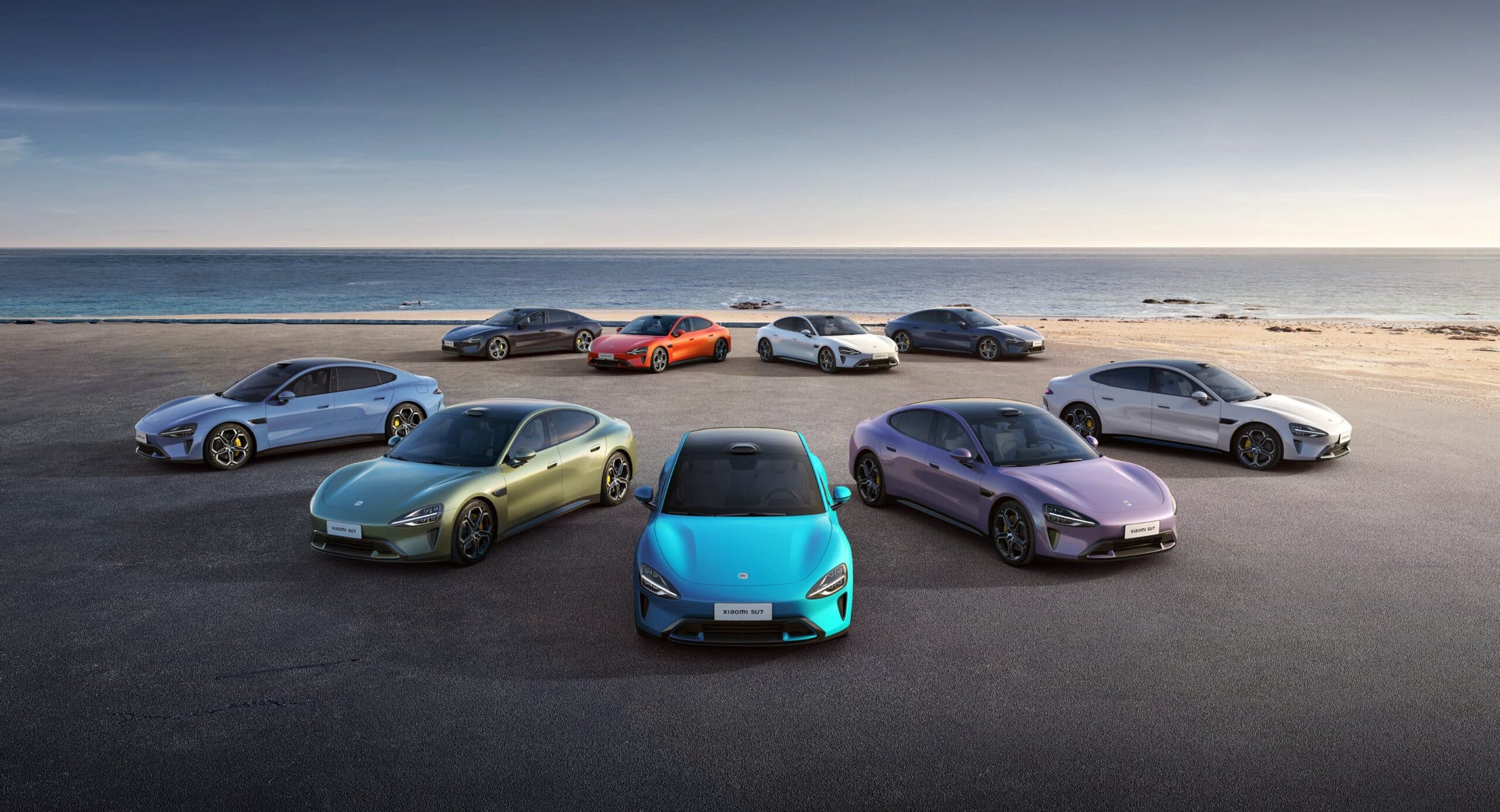
This establishes the trend for everything that follows. An Audi e-tron GT and a Tesla Model S Plaid currently rent for similar daily rates as a V8 exotic, and the specifications on paper seem comparable. What differs is everything surrounding the numbers.
The first ten minutes rewrite the right foot
The pre-facelift Taycan Turbo S takes 2.8 seconds to accelerate from 0 to 100 km/h while the 2024 facelift version does it in 2.4 seconds. A Model S Plaid makes approximately 1,020 hp, while the Rimac Nevera, which makes 1,914 hp, is the power ceiling for the format, but the Nevera will not be found in rental fleets as it is limited to 150 units. These numbers are familiar from the combustion side of the exotic market. However, the way power is delivered is different; there is no clutch bite or power band to chase. While Taycan and e-tron GT do change up gears at some point, nothing interrupts the pull.
Torque is instantaneous and so can generate more than you expect from standard inputs. When merging into traffic, the pedal travel a 911 would need pushes the car much more than intended, and the absent engine note removes the cue that would typically prompt you to ease off.
The second adjustment is lifting, which varies by vehicle. In the Plaid, one-pedal regeneration means you get slowed down quite a bit as you lift off the accelerator. However, with the Taycan and the e-tron GT, the vehicle coasts by default when you lift off the accelerator. In those vehicles, the lift-off regenerative braking is nearly nonexistent and the brakes are blended with the regenerative braking. Switching between the two cars in a single week requires a bit of re-education.
Where the noise goes when the engine is gone
Removing the engine does not guarantee that your cabin will be quiet. It only removes the noise that was masking the other sounds. After removing the engine, the first prominent sound is tire noise from coarse asphalt. After that, above 120 km/h, the next prominent sound is wind noise around the mirrors. Then comes the noise from the chassis, suspension travel, and faint whine of the drive unit under load.
The greater impact is a loss of calibration. In a combustion exotic, speed is audible and you can gauge it by the engine’s note long before you look at the dial. An electric car traveling at 160 kilometers per hour sounds very similar to one traveling at 90. That is how the fine arrives from an open road you thought you were treating with care.
What 2.3 tonnes does in a corner
A Taycan Turbo S carries a weight of around 2,295 kg, while the 911 Turbo S (which has comparable output) weighs only around 1,640 kg. A Lotus Eletre weighs even more. However, air suspension, rear-axle steering, and torque vectoring allow you to glide through fast curves and feel lighter, as the low battery floor gives the body a more optimal profile than the kerb weight suggests. It will never out-corner a mid-engined car. It does not feel like a saloon of that mass.
The weight returns with rapid changes in direction when the car opposes the second input, during heavy braking from speed, where the distance gained is measurable, and when the car encounters mid-corner bumps, which provide more work for the dampers. Tires and brakes take the hit, and premium fleets replace the tires on these vehicles significantly more often than on a V8 coupe. This is partly why the electric component of a Luxury fleet is replaced more frequently. Trinity Rental, for instance, operates over 80 vehicles with very low mileage, the majority of which are 2024 model year or newer.
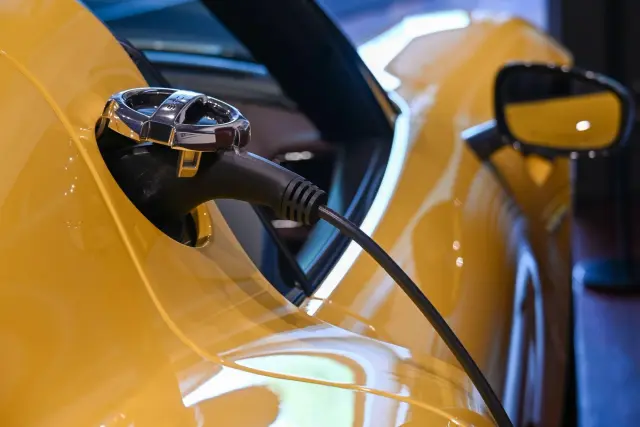
Electric exotic charging. Photo: Beth Fitzpatrick / Pexels
Range and charging in a hot climate
According to WLTP estimates, the Taycan Turbo S has a range of about 440 km. When the temperature exceeds 40 degrees, the battery will be used for cooling the cabin and the pack, and that load combined with real performance usage will reduce that estimate by about a third. The EPA cycle is stricter than WLTP, so a Tesla’s EPA figure always reads lower than its WLTP one. The Plaid’s roughly 600 km WLTP estimate therefore sits at the optimistic end of the European band, and it suffers the same heat dilution as the Taycan. Plan based on what the climate actually leaves you with instead of relying on the brochure.
Charging times are generally quicker than new drivers anticipate, but the logic behind it is not similar to that of a fuel stop. European 800-volt vehicles charge at peak rates of about 270 to 350 kW. Taycan first-generation cars peak at 270 kW, whereas second-generation Taycan and E-tron GT peak at 320 and 350 kW respectively. Model S Plaid charges at 400 volts and peaks at about 250 kW on V3 and V4 superchargers. All of these cars cover 10 to 80 percent in about 20 minutes, then taper sharply above 80, so drivers plan in 10-80 percent increments and never sit waiting for a full battery.
Three points are worth confirming before the first long drive:
- which DC network covers the route, and whether an app account or a physical card is needed to start a session
- whether the navigation preconditions the pack on the approach, since a hot or cold battery will not accept peak power
- where the nearest 150 kW-plus site sits relative to the hotel, because an overnight domestic socket will not refill a 90-100 kWh pack
None of that is work for the kerb. Booking an exotic car rental abroad means asking about charging before asking about colour, and anyone weighing a rent car in Dubai booking for the summer should treat the quoted range as a temperate-climate number. Logistics is part of the equation: delivery covers the terminal curb or an office or hotel address you designate, and a dedicated manager is available 24/7, not just during office hours.
Settling the booking, and whether it is worth it
Two aspects determine the subjective experience of the paperwork. It isn’t blocked on the card: you rent without a deposit, which is uncommon in the prestige segment where held amounts are five-figure sums. The payment can be made via Visa or Mastercard, cash, or cryptocurrency.
The listed rates do not constitute a base rate. A closed rate includes a maximum of 300 km per day and full insurance as well as inclusive of tolls and VAT. For combustion vehicles, a full tank of gas is provided at handover, free of charge. For electric vehicles, there is no default charge, so inquire about the charge state upon arrival and if public charging will be invoiced to you after the rental period. A driver can be provided upon request from Trinity car rental and is typical for VIP arrivals, or for a first city loop with driver before you take over the driving yourself.
It depends on the nature of the trip as to whether a first exotic has to be electric. On a city loop and an airport transfer, the electric variant is superior to its combustion equivalent: it is quieter and acceleration is better from a standstill, and it is calmer in traffic. However, for an inland day in August, a petrol GT is less hassle.
The Elite segment of this market has now divided, not partially transitioning, and the response is particular to the driver and the particular journey. Before the card is authorised, get the handover state of charge, the charging network on your route and the billing for electricity documented.
Comments
Related news

Subscribe for EV News and Reviews

AI Employee for Car Dealerships
Results in 30 days - Or We'll Give You Your Money Back