Ford Says 2021 Mustang Mach-E Batteries Have Retained 92% of Usable Capacity After Five Years
The company based that result on battery state-of-health data, current as of August 2026, covering about 36,000 model-year 2021 Mach-E vehicles sold to retail and fleet customers in the United States and Canada.
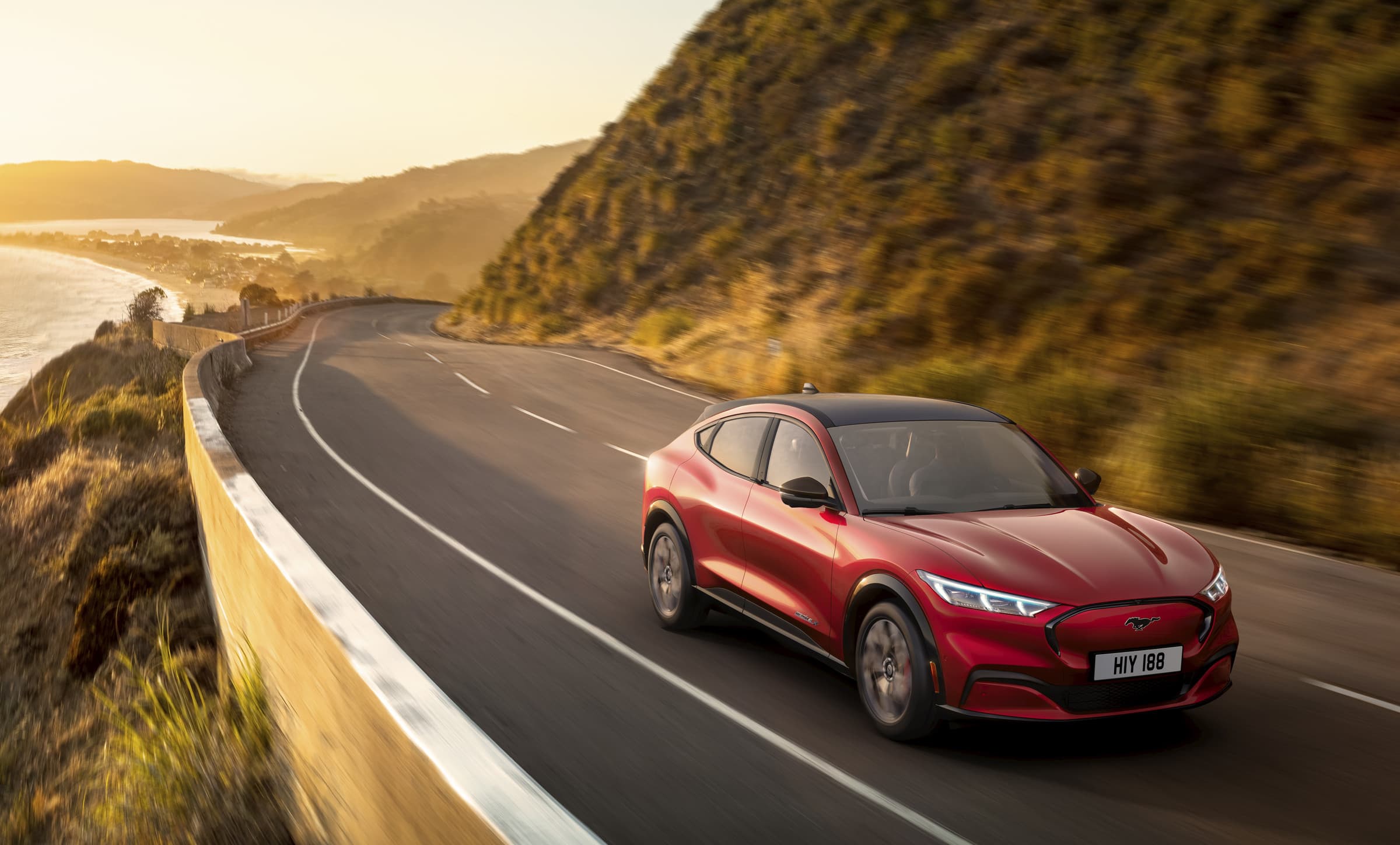
Ford says the batteries in its 2021 Mustang Mach-E electric SUVs have retained an average of 92% of their usable capacity after more than five years on the road.
The company based that result on battery state-of-health data, current as of August 2026, covering about 36,000 model-year 2021 Mach-E vehicles sold to retail and fleet customers in the United States and Canada.
Ford reviewed data from the first 2021 Mach-E owners
Those vehicles have covered about two billion all-electric miles across all 50 U.S. states and Canada. Ford calls this group the Class of 2021 and says the average ownership period in the data set is 5.2 years.
The average state of health across that fleet was 92% of usable battery capacity, according to Ford.
Ford also published the spread around that average: 95% of the vehicles fell between 87% and 97% health. The figures come from Ford’s connected-vehicle fleet data, which the company says was aggregated and anonymized.
The account was written by Kevin Vander Laan, who leads high-voltage battery cell and system work at Ford, and dated November 9, 2026.
Higher-mileage 2021 Mach-E vehicles still held most of their capacity
In the 2021 group, more than 2,000 people have taken their original battery past 100,000 miles and still average better than 91% health. Among a smaller set of more than 30 vehicles that have gone beyond 200,000 miles, the average is 88%.
Ford also describes a 2022 Mustang Mach-E belonging to David Blenkle, which has gone past 400,000 miles on its original battery. That vehicle is not part of the 2021 data set, and Ford presents the mileage as exceptional, while arguing that the broader 2021 figures show strong battery health in ordinary use.
Looking across its battery-electric models sold in the United States and Canada over the past five years, Ford says the packs are built for a life of 10 years or more and, on average, still show more than 90% health by 100,000 miles.
Ford says the results are being used on later electric models
Ford says field data from vehicles already on the road is informing battery management, charging guidance and ownership advice for later programs, including the Universal Electric Vehicle platform and the Fathom pickup.
Ford says the 2021 vehicles in this group have NCM cells, and that owners generally do not need to make a full charge part of their daily routine. Some later Ford EV packs use LFP chemistry, which the company says can benefit from being topped up to 100% now and then so the battery management system stays calibrated.
Ford’s own advice includes charging on Level 2 at home for daily use, saving DC fast charging for days when it is needed, preconditioning while the vehicle is still plugged in, parking in the shade when possible, and following the charge-level recommendations in the Ford app for the specific vehicle.
EV.com tracks the evolving EV collector space and performance electric vehicles hitting the market. Explore our listings to find the best EVs in your area available today.
Comments
Categories
Related news


Subscribe for EV News and Reviews

AI Employee for Car Dealerships
Results in 30 days - Or We'll Give You Your Money Back