SAE Unveils J3400 Standard With 1000V Fast Charging To Transform EV Charging In North America
The New SAE J3400 Standard Brings Features Like 1000V DC Fast Charging, Vehicle-To-Grid Support, And Universal AC Compatibility
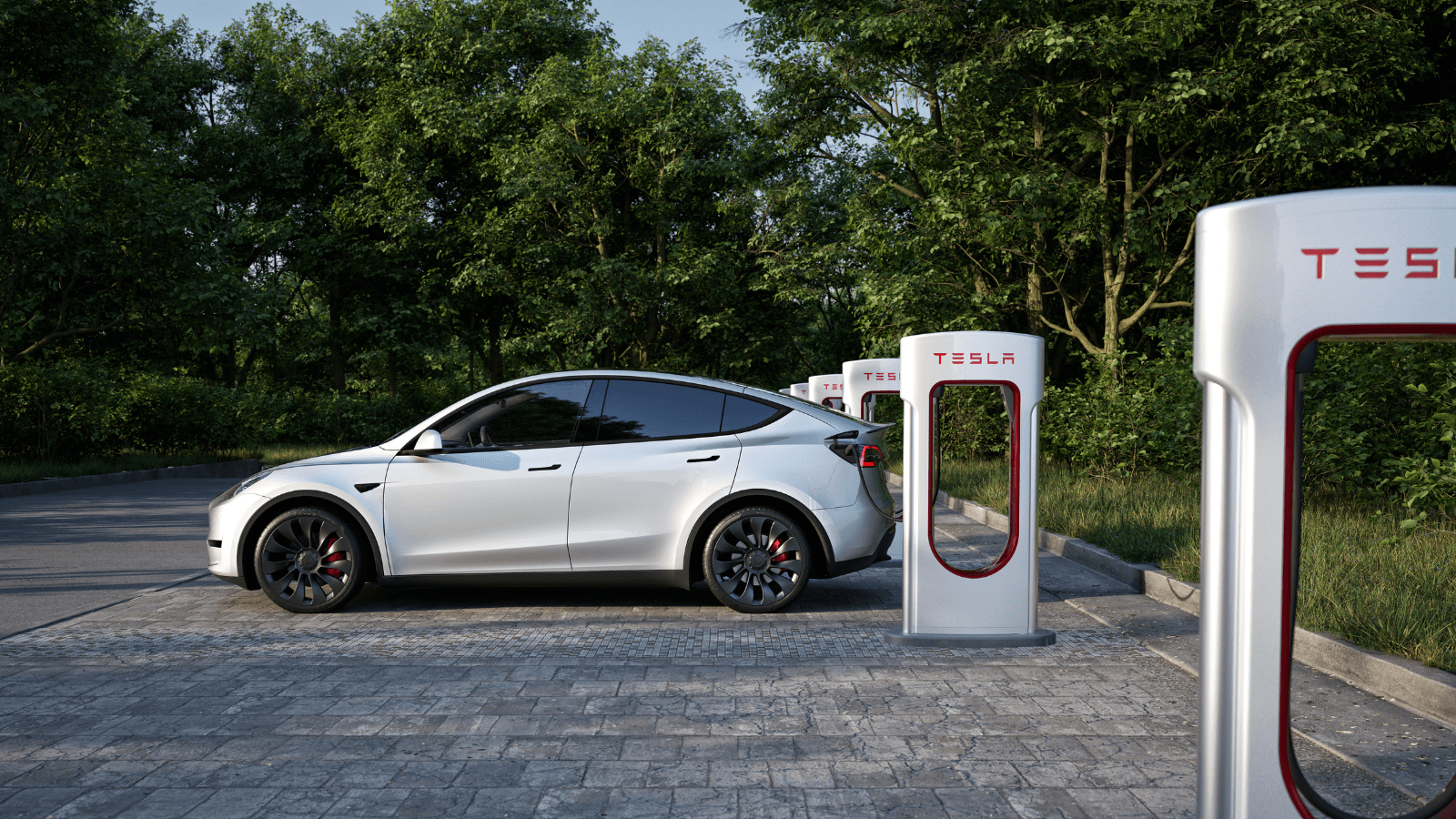
In a significant move set to reshape the landscape of electric vehicle (EV) charging in North America, SAE International has released the SAE J3400: NACS Electric Vehicle Coupler Technical Recommended Practice (RP).
Critical Features of SAE J3400
According to SAE International, the SAE J3400 standard introduces several key features aimed at advancing the capabilities of EV charging infrastructure. At its core, it provides a comprehensive framework that outlines the physical, electrical, functional, and safety requirements for EV charging systems. This ensures that charging solutions are built to high standards and can operate reliably and safely.
One of the standout capabilities of SAE J3400 is its support for 1000V DC fast charging, which allows for quicker charging times. Additionally, it integrates advanced features like adapter thermal awareness, which helps prevent overheating, and vehicle-to-grid (V2G) functionality, enabling EVs to return energy to the grid, promoting more efficient energy use.
The standard also focuses on universal compatibility by incorporating SAE Universal AC charging. This promotes widespread electrification by allowing EV users to charge their vehicles using carry-along cables, simplifying the charging process across different locations.
Finally, SAE J3400 is designed with future-proofing in mind. Its framework is adaptable, ensuring it can evolve alongside technological advancements and industry changes, making it a forward-thinking solution for the growing EV market.
NACS: More Than Just a Connector
In conjunction with the release, the SAE J3400 NACS Task Force announced an important update to the NACS acronym. Previously known as the “North American Charging Standard,” it now stands for “North American Charging System.” This change reflects the broader scope of the standard, encompassing a comprehensive set of industry guidelines that go beyond the physical vehicle coupler.
Dr. Rodney McGee, chairman of the SAE J3400 NACS Task Force, emphasized the standard’s advanced features stating, “The SAE J3400 recommended practice adds 1000V DC fast-charge with adapter thermal awareness, SAE Universal AC charging for mass electrification using carry-along cables, and adopts V2G and backup power requirements.”
Industry and Government Support
The development of the SAE J3400 standard has received broad support from both the EV industry and government agencies, underlining its significance for the future of EV charging infrastructure.
Rivian has expressed strong backing for the new standard. Chris Nevers, Senior Director of Public Policy at Rivian, emphasized that SAE J3400 will help update federal and state regulations, ultimately enhancing the overall charging experience for consumers. Nevers stated that the standard is expected to increase the availability of charging locations while reducing the need for adapter.
Government support for SAE J3400 is equally strong. Gabe Klein, Executive Director of the Joint Office of Energy and Transportation, hailed the standard as “a major milestone toward a fully compatible charging ecosystem.” Klein highlighted the importance of collaboration between standards organizations, automakers, and public agencies in the development of SAE J3400.
Path to Full Standardization
Christian Thiele, director of global ground vehicle standards at SAE International, outlined the next steps: “This J3400 RP is very close to the finished standard. Over the next several months, the RP will be fine-tuned with additional comments that will then become a full-blown standard by the end of the year.”
Impact on EV Adoption and Innovation
The SAE J3400 standard is expected to have far-reaching effects on the EV industry:
- Interoperability: It will promote an interoperable charging network, reducing the need for multiple adapters or proprietary systems.
- Consumer Benefits: EV drivers will enjoy easier access to charging infrastructure and a more consistent charging experience.
- Industry Innovation: Manufacturers and suppliers can innovate within a framework that meets performance expectations, leading to more reliable and compatible products.
A Collaborative Effort
The rapid development of SAE J3400, which began with the standardization of the Tesla-developed North American Charging Standard (NACS) connector in June 2023, showcases the industry’s ability to make swift progress in critical areas. This collaborative effort involved automakers, charging providers, and government agencies, all working towards the common goal of creating a consistent and efficient EV charging experience.
With its emphasis on compatibility, advanced features, and adaptability, this new standard marks a major milestone in the development of EV charging infrastructure, aiming to create a more unified and efficient charging ecosystem across the continent.
Want to learn more about EV? Thinking of buying an EV? Head over to EV.com and discover more.
Comments
Categories
Related news
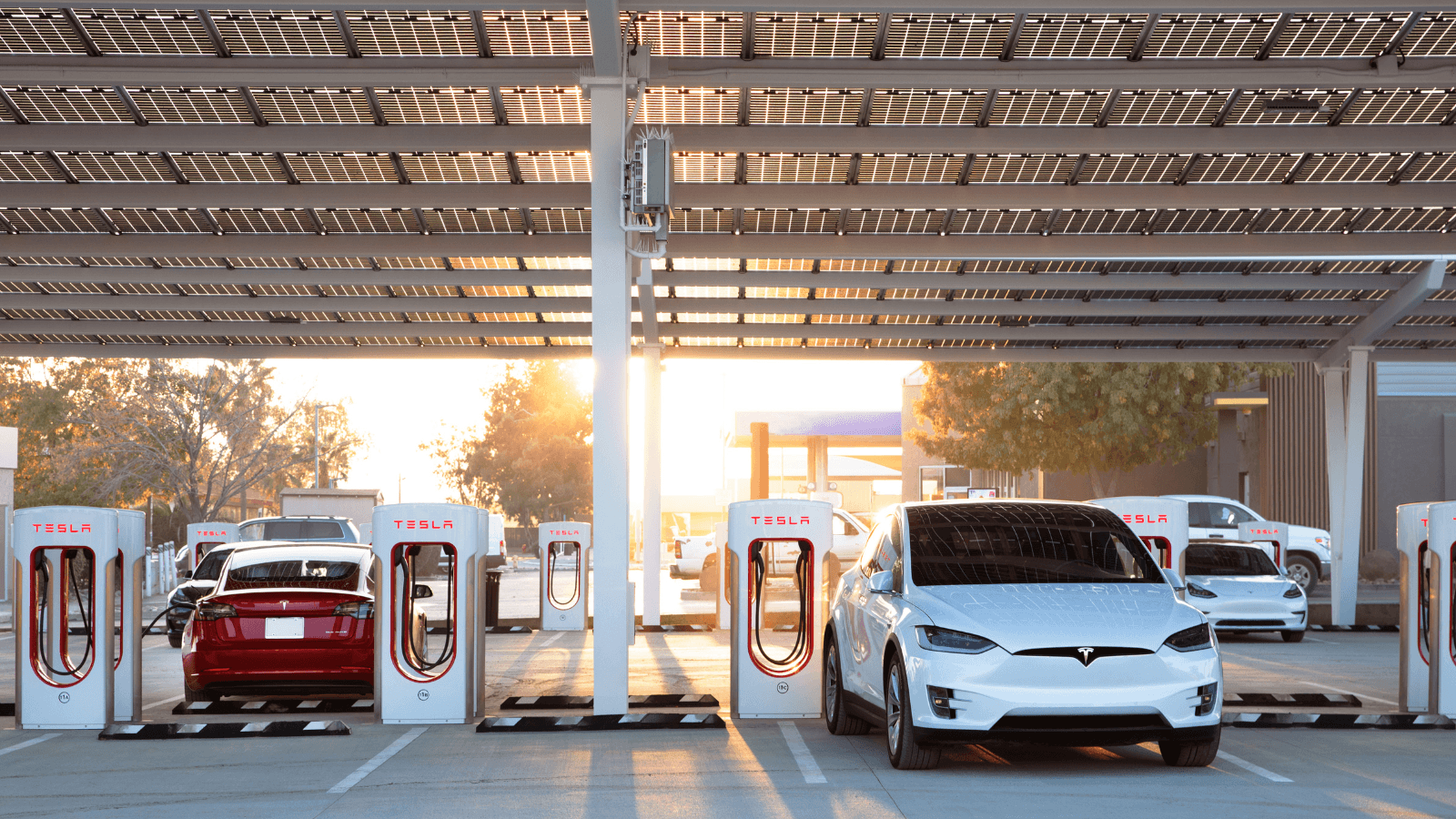
Tesla Expands Supercharger Access By Adding Mercedes-Benz Amid NACS Rollout Delays
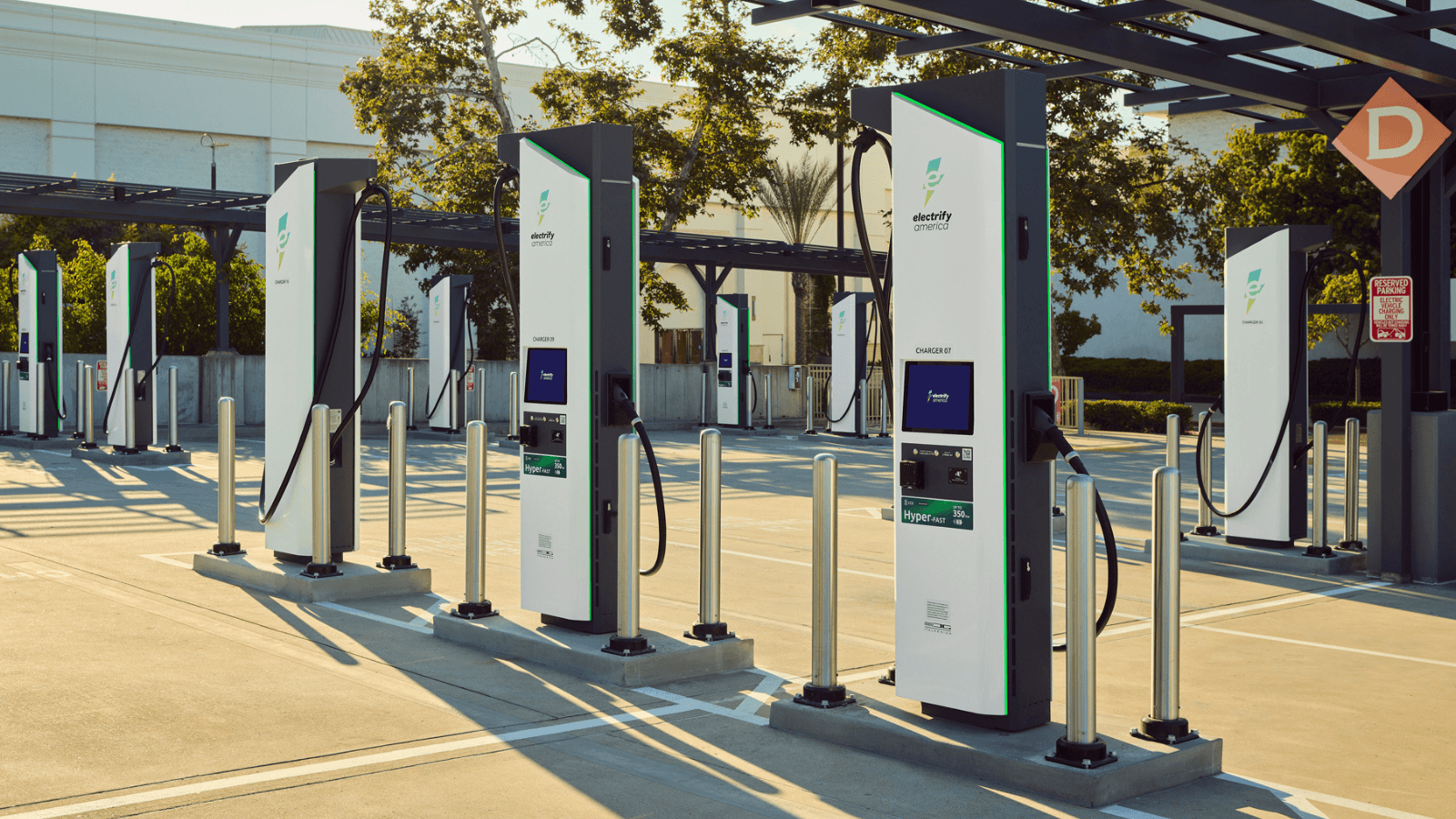
Simplifying The Process: Universal Plug & Charge Solution Set For 2025
Blink Charging To Boost Efficiency By 34% With AI-Powered Network Optimization

Porsche Delivers 7,002 Cayenne Electrics Since Launch as Electric Macan Tops 23,000
Subscribe for EV News and Reviews

AI Employee for Car Dealerships
Results in 30 days - Or We'll Give You Your Money Back