Simplifying The Process: Universal Plug & Charge Solution Set For 2025
A Unified Solution Backed By Automakers And The Biden Administration Will Simplify EV Charging By Eliminating Multiple Apps And Complex Payments
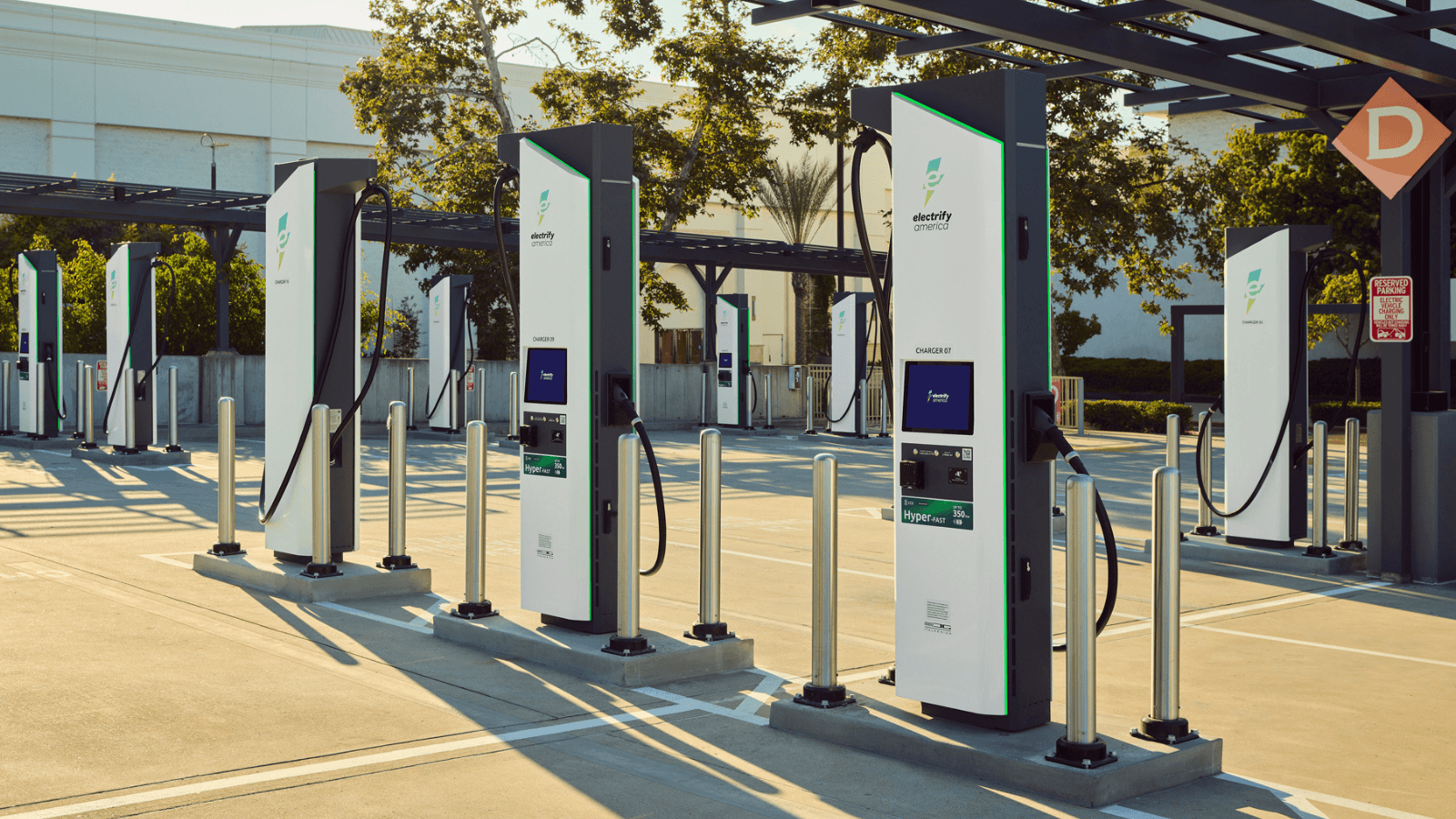
A new comprehensive solution is emerging to transform the often frustrating public electric vehicle (EV) charging experience. By 2025, a new universal charging protocol aims to make EV charging simpler by eliminating the current maze of apps, cards, and complicated authentication processes.
The Current Charging Landscape
Unlike Tesla’s seamless Supercharger network, most public charging stations require drivers to navigate multiple apps, swipe cards, or wrestle with complex payment systems. This fragmented approach has been a significant barrier to EV adoption, creating what many drivers describe as a frustrating and anxiety-inducing process.
A Collaborative Solution
A consortium including the Society of Automotive Engineers (SAE), major automotive manufacturers, charging companies, and the Biden Administration’s Joint Office of Energy & Transportation has developed a universal “Plug & Charge” solution. This initiative, technically known as the ISO 15118 standard, aims to standardize the charging process across different networks and vehicle brands according to the Joint Office of Energy and Transportation.
How It Will Work
The solution hinges on a sophisticated Public Key Infrastructure (PKI) backend that allows secure, seamless authentication between vehicles and charging stations. In practical terms, this means drivers will simply need to plug in their vehicle, and the system will automatically handle vehicle identification and payment processing.
Key features of the new system include:
- Instantaneous charging session initiation
- Improved security protocols
- Potential for future bidirectional charging capabilities
- Elimination of multiple charging apps and payment methods
Technical Innovation Behind the Scenes
While the user experience will be remarkably simple, the backend involves complex cryptographic mechanisms similar to those used in secure website certificates. This ensures that each charging session is authenticated securely and efficiently.
Industry-Wide Collaboration
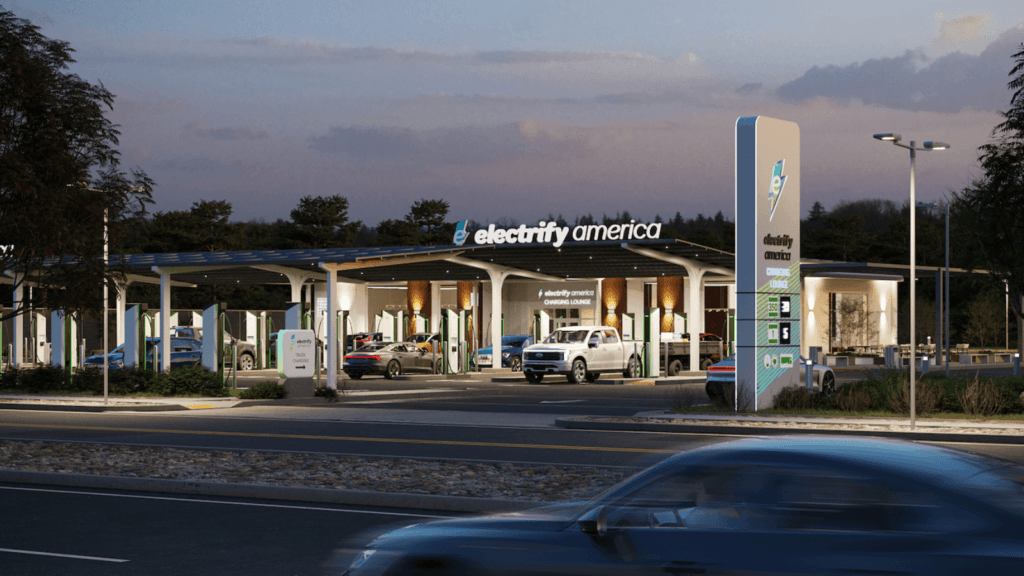
Major players are already on board, including Tesla, Electrify America, ChargePoint, General Motors, Ford, and Toyota. The SAE will establish “Certificate Trust List Requirements,” creating a standardized rulebook for participation.
Gabe Klein, Executive Director of the Joint Office of Energy & Transportation, described this as a “fundamental step” toward true vehicle-to-grid integration—what he calls the “holy grail” for energy and transportation.
Testing is set to begin in 2025, with full public availability potentially following shortly after. While complete implementation will be gradual, the vision of a truly universal charging experience is now within reach.
The Bigger Picture
In detail, this development represents more than just a technical improvement. It’s a critical step in making EVs more accessible and convenient, potentially accelerating the transition to sustainable transportation.
Read More: SAE Unveils J3400 Standard With 1000V Fast Charging To Transform EV Charging In North America
For EV owners tired of juggling multiple apps and struggling with charging stations, relief is on the horizon. Soon, charging an EV could become as simple and straightforward as we’ve always imagined.
Want to learn more about EV? Thinking of buying an EV? Head over to EV.com discover more.
Comments
Categories
Related news

Subscribe for EV News and Reviews

AI Employee for Car Dealerships
Results in 30 days - Or We'll Give You Your Money Back