Nuro CEO Defends LiDAR as Lucid-Uber Robotaxi Program Nears Launch
In a set of four internal strategy memos shared publicly on Tuesday, October 27, Jiajun Zhu explained why the autonomous Lucid Gravity fleet pairs solid-state LiDAR and radar with cameras.
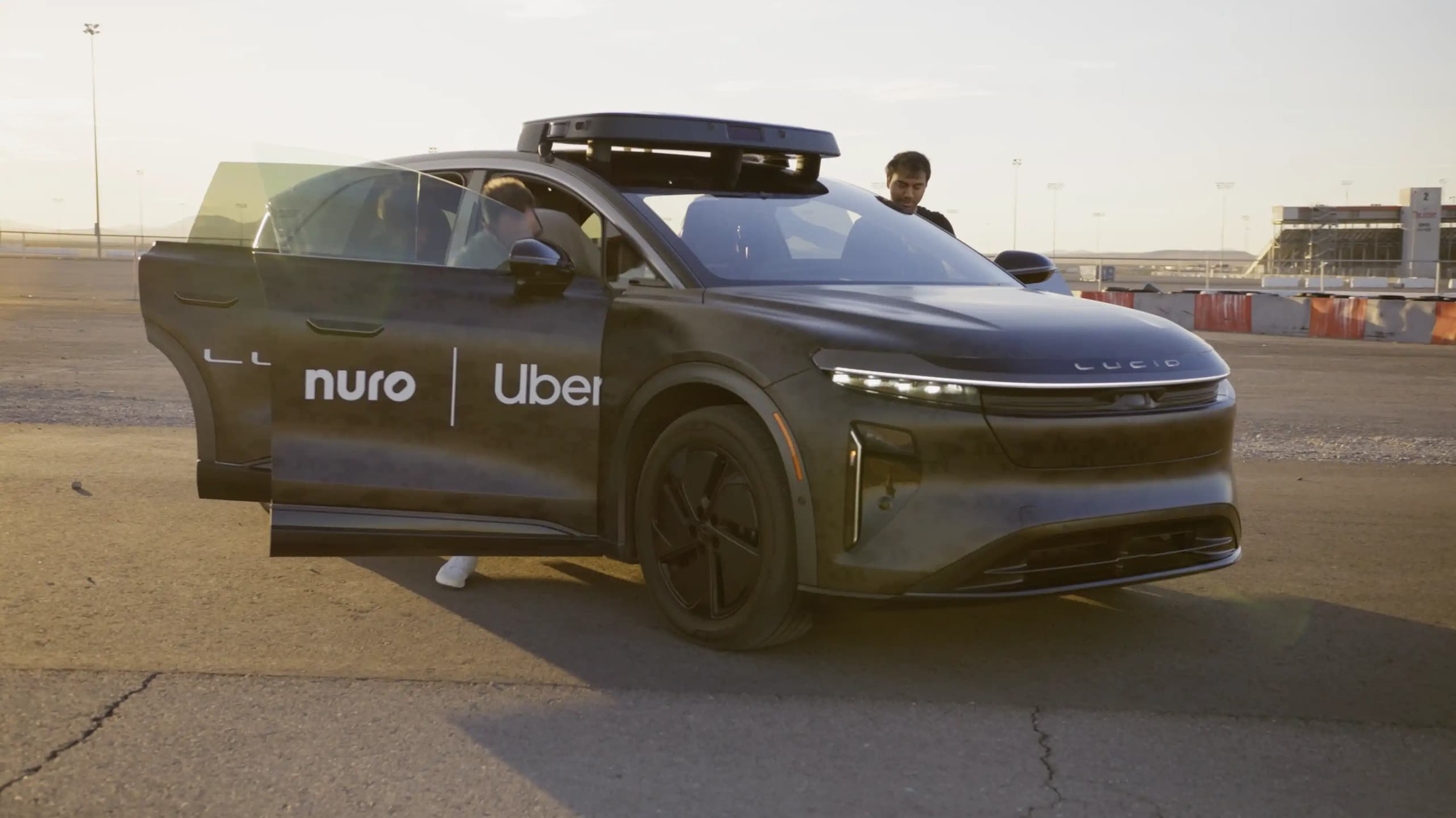
Nuro Co-Founder and Co-Chief Executive Officer Jiajun Zhu has outlined the engineering case for multi-sensor autonomy as Nuro, Lucid and Uber prepare to launch commercial robotaxi service in the San Francisco Bay Area later this year.
In a set of four internal strategy memos shared publicly on Tuesday, October 27, Jiajun Zhu explained why the autonomous Lucid Gravity fleet pairs solid-state LiDAR and radar with cameras.
Nuro argues cameras alone leave a safety gap for driverless vehicles
Drawing on head-to-head testing between vision-only vehicles and multi-sensor builds at Nuro, Zhu wrote that while camera-only setups can surpass average human driving, combining cameras with radar and LiDAR delivers stronger object detection for pedestrians at night, against low sun glare, or when lenses get dirty.
Zhu also contended that Level 4 robotaxis should use high-definition maps as a helpful reference for traffic signals and blind spots while remaining capable of entering new cities without pre-built mapping, according to Eletric Vehicles.
On software design, he noted that Nuro’s end-to-end AI foundation model incorporates structured perception and map supervision so engineers can inspect and validate how driving decisions are made.
Nuro draws a sharper line between driver assistance and robotaxis
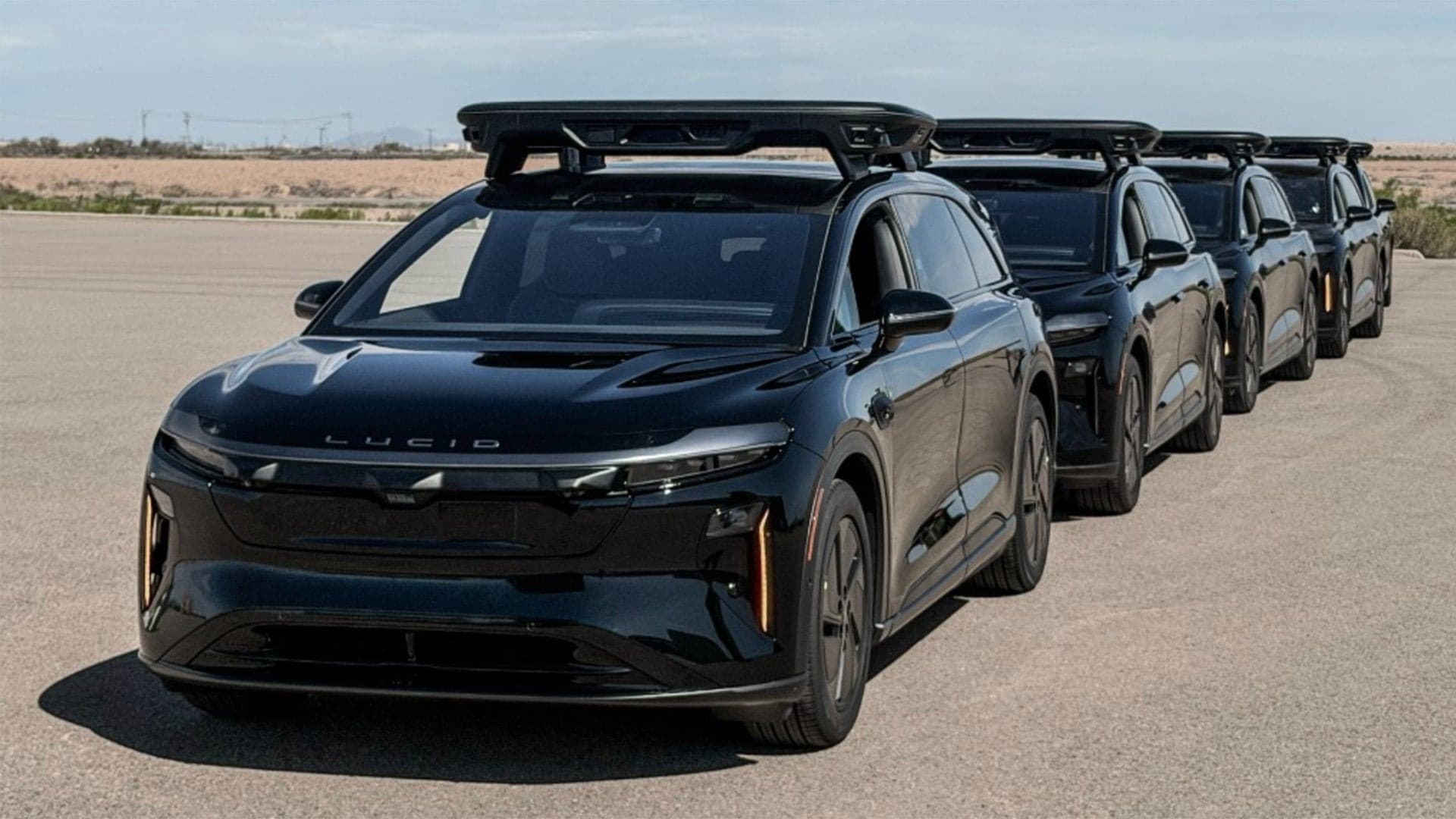
Unlike Tesla’s camera-only robotaxis in Texas or XPeng’s pure-vision approach in China, the Lucid-Uber fleet joins Waymo, Zoox and Baidu in relying on LiDAR-equipped hardware—a direction Rivian is also taking on consumer R2 SUVs starting with employee cars late this year.
In his July strategy memo, Zhu drew a firm boundary between consumer Level 2 driver-assistance systems—built around $300-to-$1,000 hardware budgets—and full Level 4 autonomous vehicles, stating that Nuro has opted out of packaging a low-cost L2 product in favor of scaling L4 robotaxis first.
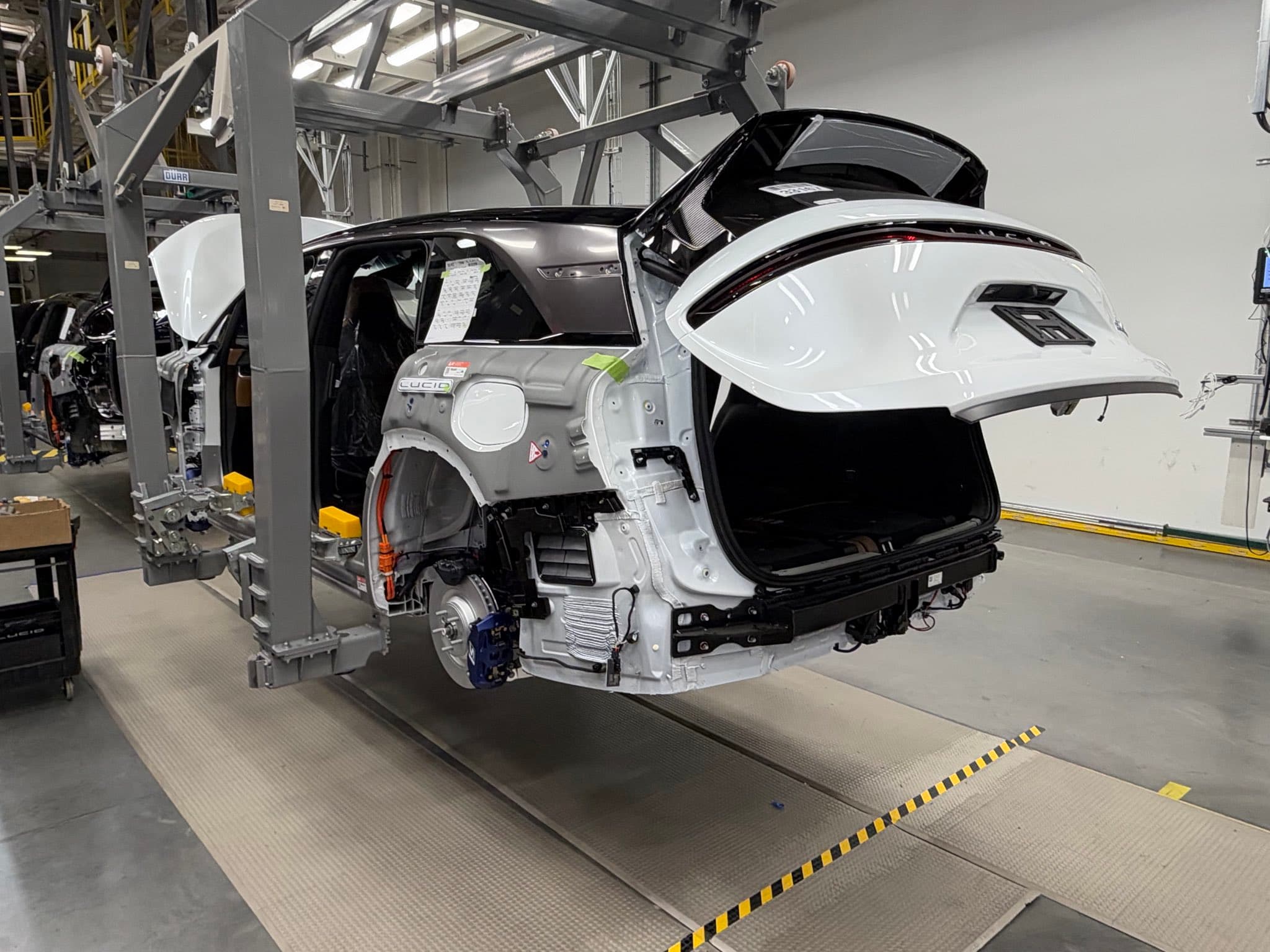
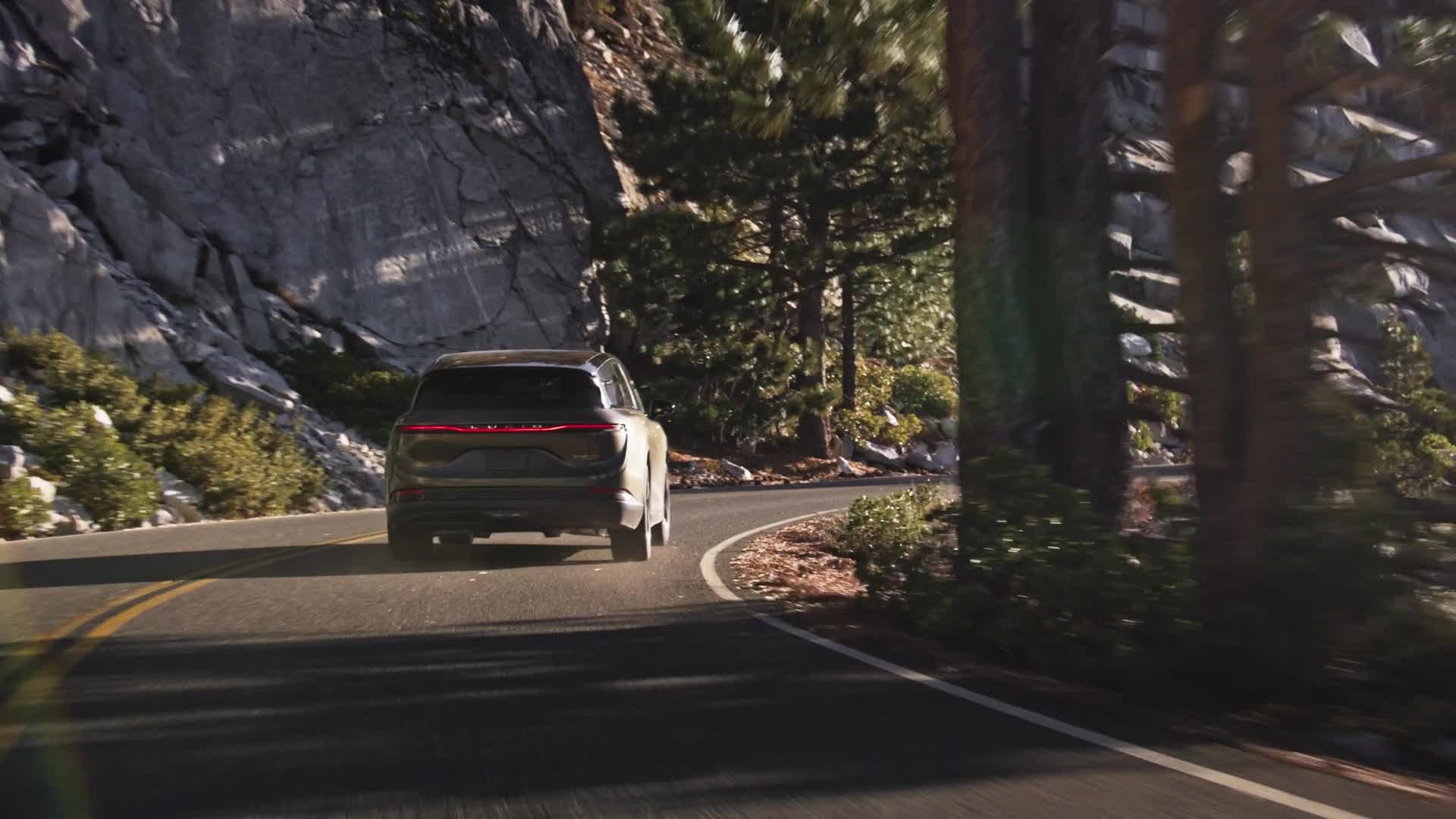
The autonomous ride-hailing partnership dates to July 2025, when Uber backed Nuro’s $203 million Series E financing at a $6 billion valuation and placed a six-year order for a minimum of 20,000 Nuro-outfitted Lucid Gravity SUVs. With nearly 100 engineering vehicles in testing and production validation underway since summer, Lucid shipped another batch of Gravity robotaxis to the Bay Area in mid-October ahead of commercial launch in San Francisco and a planned follow-on rollout in Houston.
EV.com tracks the evolving EV collector space and performance electric vehicles hitting the market. Explore our listings to find the best EVs in your area available today.
Comments
Categories
Related news
Subscribe for EV News and Reviews

AI Employee for Car Dealerships
Results in 30 days - Or We'll Give You Your Money Back