Maryland Car Shipping: Baltimore Port and DC Suburbs
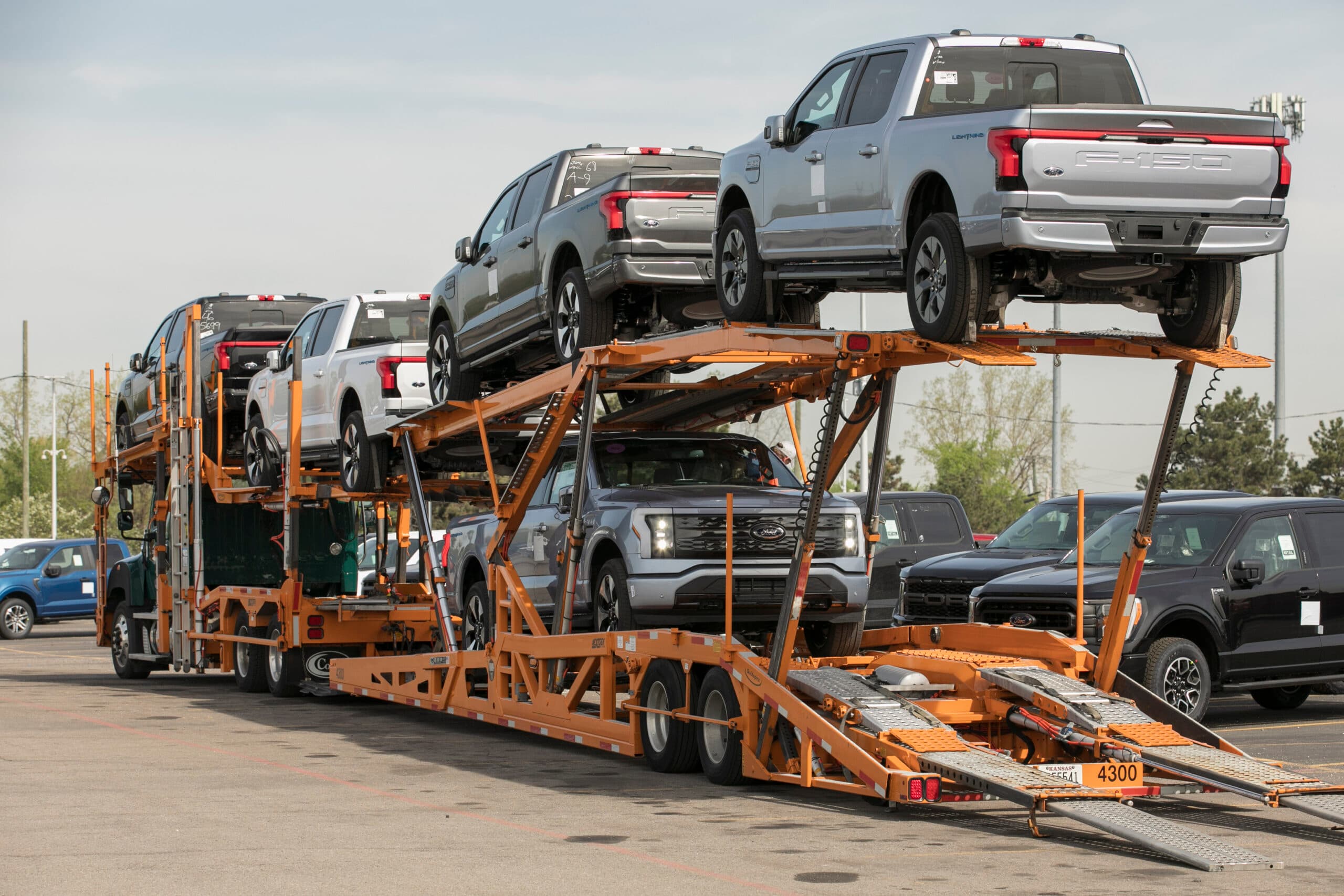
A car arriving in Maryland can face two very different logistical challenges. At Baltimore’s marine terminals, collection depends on release procedures and facility access. Around Washington, DC’s Maryland suburbs, the difficulty may be finding somewhere a large transporter can unload. Neither problem is solved by choosing a delivery date alone. The useful starting point is identifying exactly where the vehicle is coming from and where you can realistically receive it.
Port Arrival Is Not the Same as Collection Readiness
The Port of Baltimore handles automobile cargo, but a vessel reaching port does not automatically make every vehicle available for pickup. Before arranging a truck, ask your shipping agent or terminal contact to confirm the vehicle’s release status, collection location, required paperwork, and outstanding charges.
Give those details to the transport coordinator. The driver also needs to meet the facility’s applicable access requirements. Maryland Port Administration publishes truck-entry procedures, so have the carrier verify the current requirements for the specific terminal rather than relying on experience at another port.
Clarify who schedules collection and who monitors any storage deadline. A domestic transport booking should fit the vehicle’s confirmed availability, not simply its expected arrival by sea.
Build the Schedule Around More Than Road Miles
For a port-origin shipment, the collection schedule must account for terminal operating hours, processing, and the carrier’s onward route. Road traffic adds another variable. Avoid treating a navigation app’s driving estimate as the complete delivery timeline.
For residential shipments, confirm whether port collection is involved at all. Shipping a car from a Baltimore home or dealership is a different arrangement from collecting an imported vehicle at a marine terminal. Make that distinction clear when requesting prices so the quote reflects the actual work.
Why a Suburban Address Still Needs an Access Check
A home in Bethesda, Silver Spring, or Rockville may be easy to reach in a passenger car without being suitable for a full-size transporter. Cul-de-sacs, parked vehicles, trees, steep entrances, and limited turning space can complicate unloading.
Send the coordinator your complete address and describe any known obstacles. Navi Auto Transport’s Maryland service overview at naviautotransport.com provides a starting point for researching regional options. Ask separately whether the assigned carrier can reach your property or needs an agreed meeting location.
If an alternative is necessary, confirm permission and suitability before traveling there. An empty shopping-center lot is not automatically an authorized unloading area.
Agree on the Details Before Dispatch
Keep a short written handoff plan covering:
- The precise collection and delivery locations.
- Release documents or authorizations required at pickup.
- Vehicle condition and any special loading needs.
- The person receiving updates and accepting delivery.
- Any separately charged access, waiting, or storage arrangements.
Ask which dates are estimates and what happens if release or access problems change the schedule. Include the cost of reaching an alternative delivery point in your own budget, along with temporary transportation while the car is unavailable.
Finish With an Unhurried Inspection
Keep the pickup condition record and photographs accessible. At delivery, compare the car with that documentation and record any differences before completing the handoff paperwork.
Maryland car shipping works best when terminal procedures, road travel, and neighborhood access are planned as separate steps. Confirming each one gives you a clearer price, a more workable schedule, and fewer decisions to make while the driver is waiting.
Comments
Related news



Subscribe for EV News and Reviews

AI Employee for Car Dealerships
Results in 30 days - Or We'll Give You Your Money Back