3 Reasons Rivian Could Be Better Positioned for Its Next Growth Phase: Motley Fool
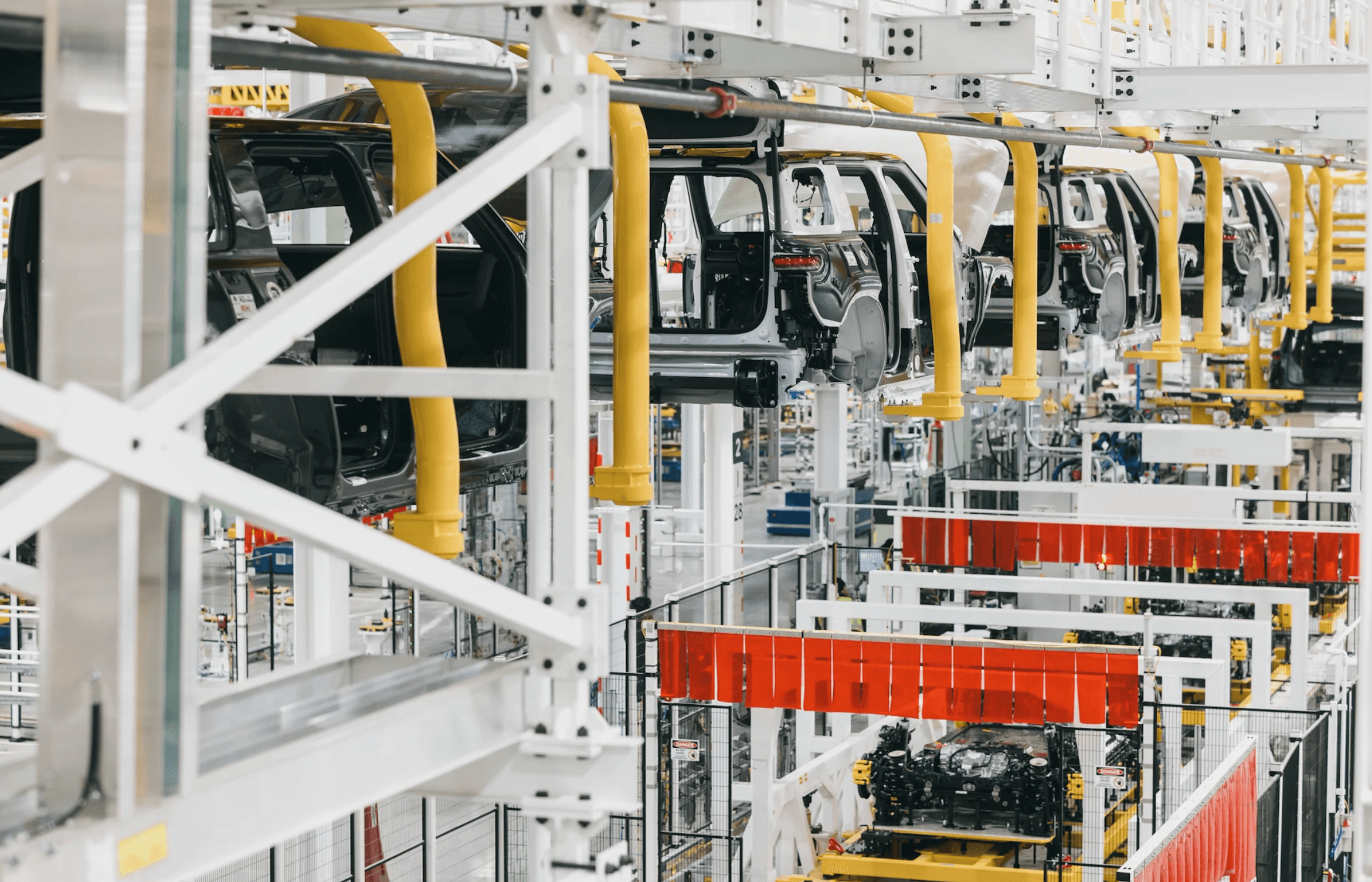
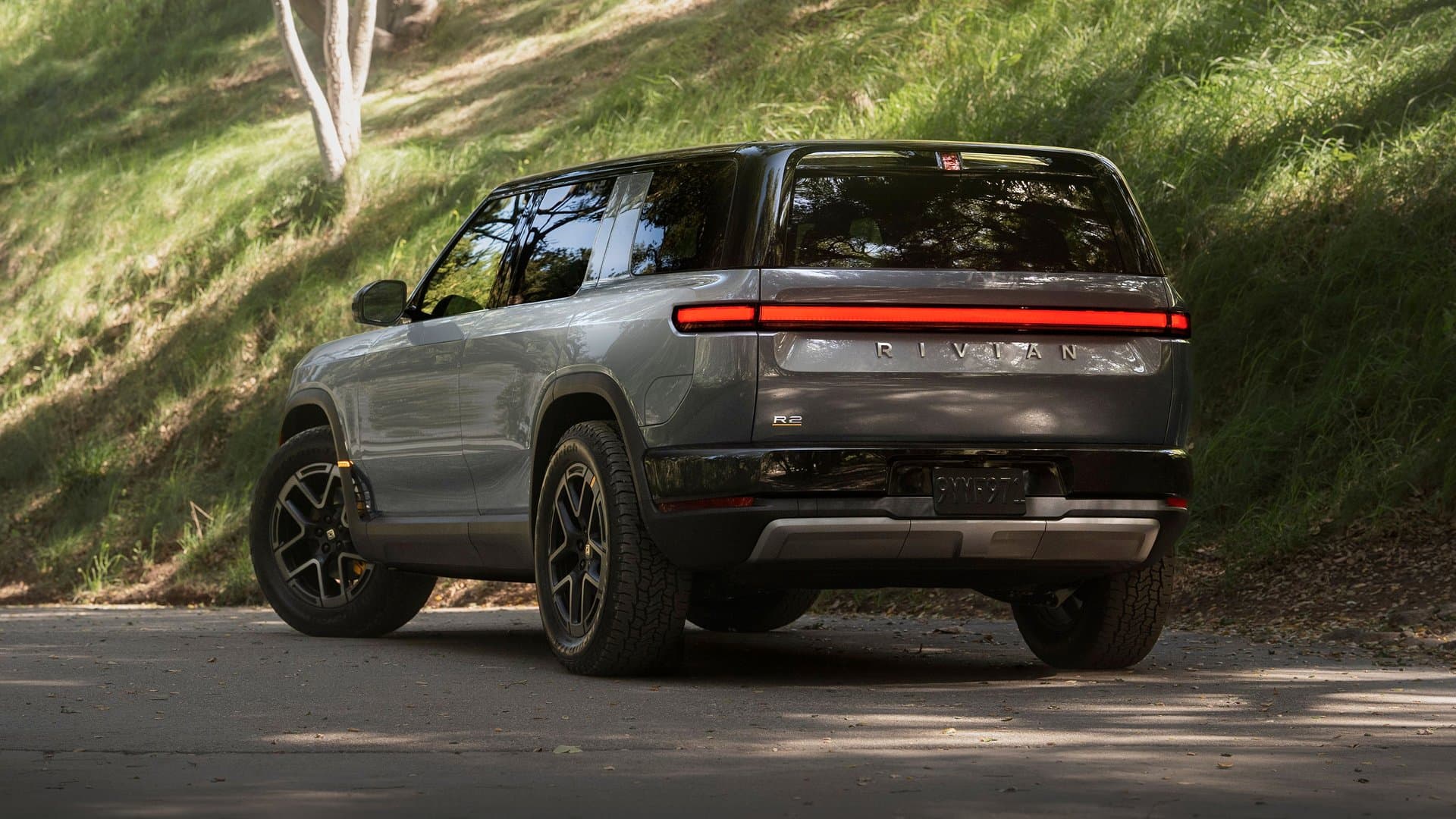
Rivian is entering a pivotal period as the company ramps production and deliveries of its R2, but its financial position could give it room to navigate that expansion.
Three factors highlighted in a recent Motley Fool analysis are Rivian’s liquidity, its relatively limited shareholder dilution and its progress toward gross profitability. Together, they provide context for the company’s ability to fund operations while scaling its business.
1. Rivian has billions in liquidity
Cash runway is particularly important for younger automakers because large investments in production and new vehicles can require additional capital. Rivian ended the second quarter with about $5.3 billion in cash and cash equivalents, excluding a revolving credit facility.
The company also has additional capital sources that do not involve issuing new shares. Its partnership with Volkswagen has provided Rivian with capital and loans while allowing the companies to share development costs. The source also points to potential future investment from Uber, a renegotiated Department of Energy loan and Rivian’s credit facility.
Taken together, those sources give Rivian close to $14 billion in liquidity, according to the analysis.
That financial cushion could be particularly relevant as Rivian expands R2 production and works toward higher vehicle volumes.
2. Rivian has limited shareholder dilution
Another factor highlighted by the analysis is Rivian’s share count compared with Lucid.
Companies that issue new shares to raise capital increase the number of shares representing ownership in the business. If earnings power does not increase at the same pace, each existing share represents a smaller portion of the company.
The source argues that Rivian has largely avoided this situation by using sources such as Volkswagen financing, investment from companies including Uber and its credit facility to raise capital.
Lucid, by comparison, has increased its share count substantially since going public. The source notes that Lucid also completed a 1-for-10 reverse stock split after its share price fell into the low single digits.

3. Gross profitability is improving
Rivian has also made progress in gross profitability, which measures revenue after subtracting the cost of goods sold.
The company’s software and services business has benefited from payments from Volkswagen for vehicle development and use of Rivian’s software technology. Those payments helped Rivian’s overall gross profitability turn positive for the full year 2025.
Its automotive business remained negative on a gross-profit basis, but the source says that figure has been improving as Rivian builds volume and reduces costs.
The R2 is expected to increase Rivian’s production scale further as lower-priced versions join the lineup. Rivian launched the R2 Performance variant in spring 2026, plans to begin shipping the lower-priced R2 Premium late this year and expects the R2 Standard to arrive in the first half of 2027.
Those three factors do not remove the risks associated with scaling a young automaker, but they provide important context for Rivian’s financial position as its R2 rollout progresses.
EV.com tracks the evolving EV collector space and performance electric vehicles hitting the market. Explore our listings to find the best EVs in your area available today.
Comments
Categories
Related news


Subscribe for EV News and Reviews

AI Employee for Car Dealerships
Results in 30 days - Or We'll Give You Your Money Back