GM Executive Says Removing Radar ‘Ignores Physics’ as Escalade IQ Readies Multi-Sensor Super Cruise
Sterling Anderson, GM’s chief product officer and a former leader of Tesla’s Autopilot program, argues that multiple sensor types provide capabilities cameras cannot match, pushing back against Tesla’s approach to autonomous driving.
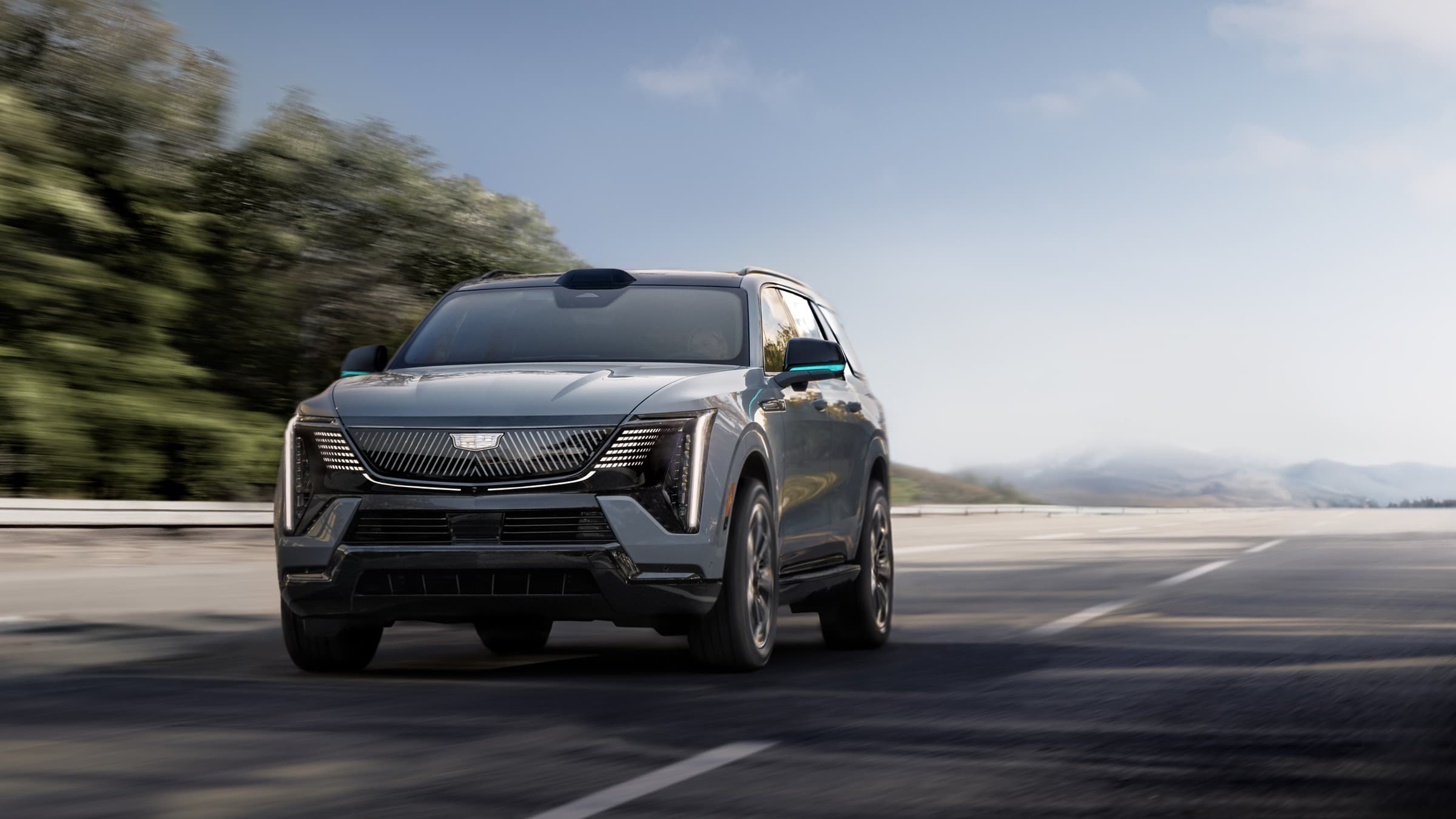
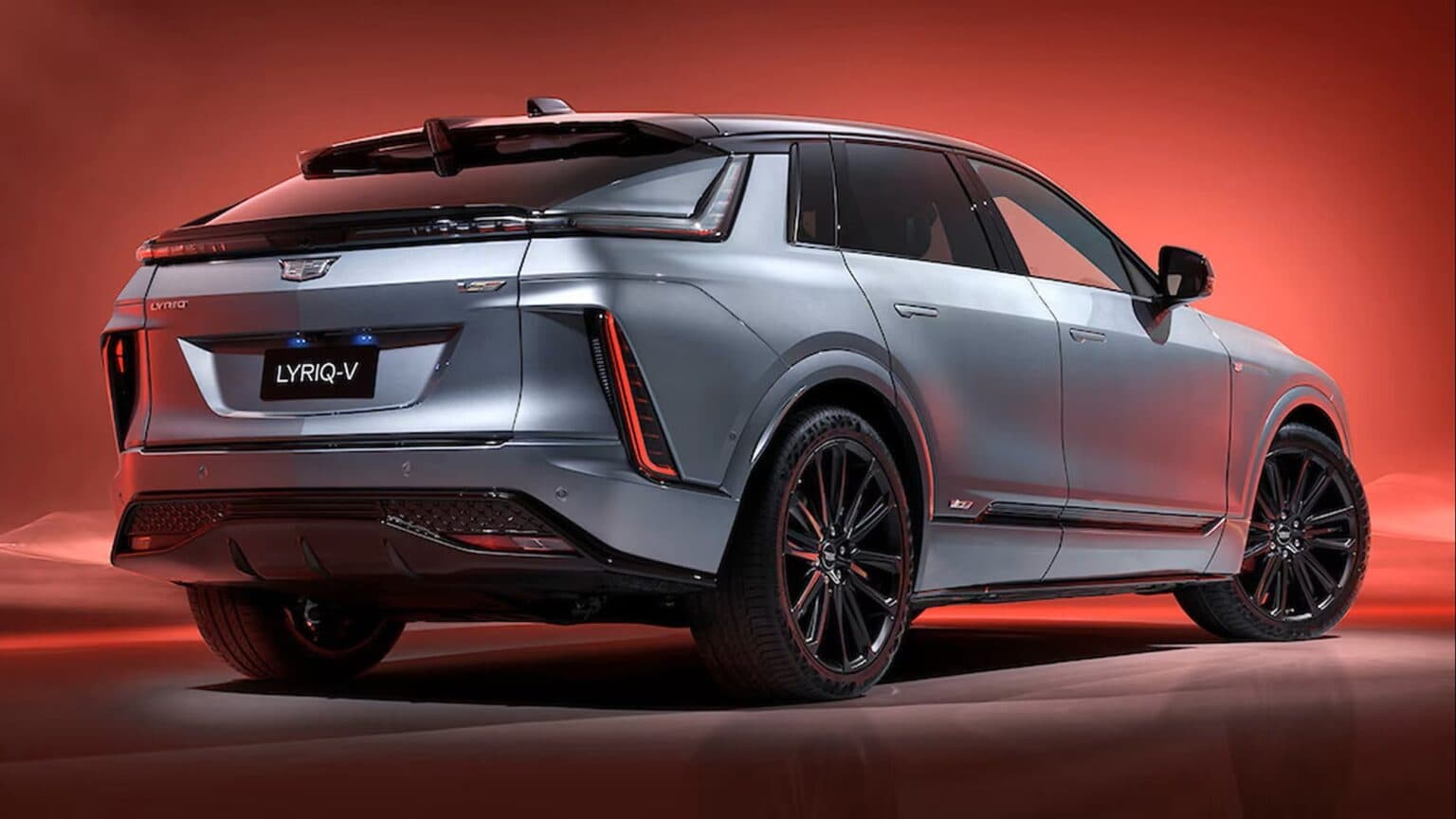
General Motors plans to launch an upgraded version of Super Cruise in the 2028 Cadillac Escalade IQ electric SUV, using radar, lidar and cameras rather than relying on cameras alone.
Sterling Anderson, GM’s chief product officer and a former leader of Tesla’s Autopilot program, argues that multiple sensor types provide capabilities cameras cannot match, pushing back against Tesla’s approach to autonomous driving.
GM plans a multisensor highway system for the 2028 Escalade IQ
In an interview with The Verge, Anderson criticized the idea of removing radar from autonomous vehicles, arguing that the decision overlooks the physical limits of camera-based systems.
“If you scale back to vision-only, physics suggests you’ll be in trouble in certain situations. Radar is so cheap that dropping it doesn’t make sense—dropping it is a weird religious stance that ignores physics,” Anderson told The Verge, according to InsideEVs.
The automaker is targeting an autonomous highway feature by 2028 that can keep driving even if the person behind the wheel falls asleep. GM eventually wants to extend the capability beyond highways, but its initial focus is on those roads.
Anderson previously led Tesla’s Autopilot program before cofounding autonomous-driving startup Aurora. Tesla has continued to pursue a camera-only approach for its consumer vehicles, while CEO Elon Musk has criticized competitors that use lidar. Most other autonomous-vehicle developers treat extra sensors as essential for safety, and Waymo said in a recent blog post that cameras “aren’t enough.”
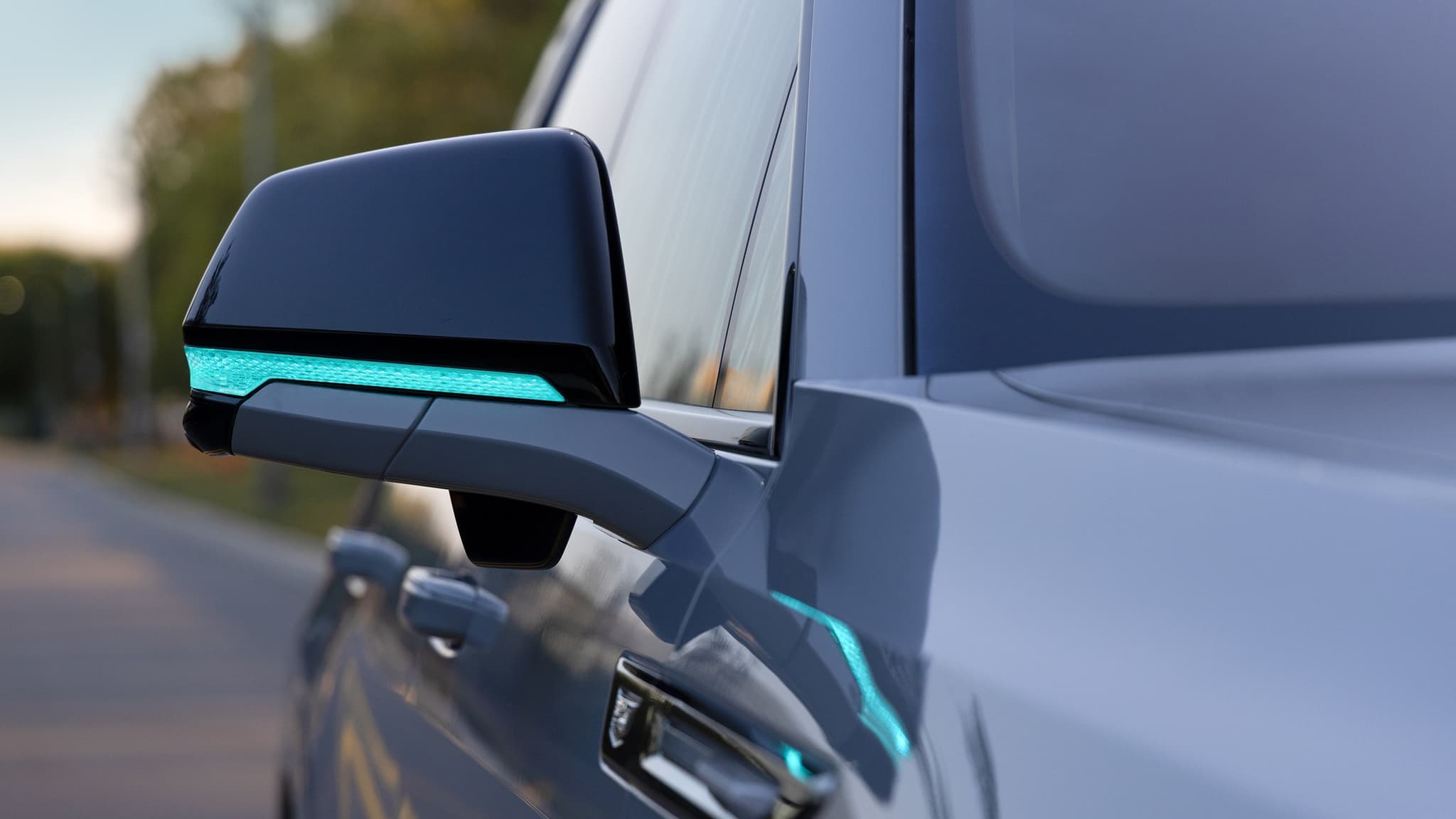
GM says the system will manage driver handoffs differently
Anderson argued that going beyond cameras is not just an advantage but a necessity, since other sensors supply information that cameras cannot reliably capture in every condition.
“Lidar operates on a similar wavelength to visible light and helps co-train camera systems to get better faster,” he said. “Cameras can’t see through dense fog or measure instantaneous velocity like radar can. Having a multisensor suite provides obvious safety advantages that physics simply demands.”
GM also plans to avoid a system that abruptly asks a driver to resume control when the vehicle encounters a situation it cannot handle. “We’re not handing back dynamically. This is not an exchange of ‘you drive, now I’ll drive, oops, I don’t recognize this.’ This is not Level 3,” Anderson said.
Instead, the vehicle will give the driver a “graceful countdown” of something like 10 minutes to take over. Should the driver fail to respond, Anderson told The Verge, the vehicle will leave the highway by an off-ramp and pull over safely until the driver takes over.
EV.com tracks the evolving EV collector space and performance electric vehicles hitting the market. Explore our listings to find the best EVs in your area available today.
Comments
Categories
Related news
Subscribe for EV News and Reviews

AI Employee for Car Dealerships
Results in 30 days - Or We'll Give You Your Money Back