EVs Play A Big Role in Lowering Bay Area’s Carbon Footprint
UC Berkeley Researchers CO2 Monitoring System Seen CO2 Emissions Drop By 2.6% Yearly
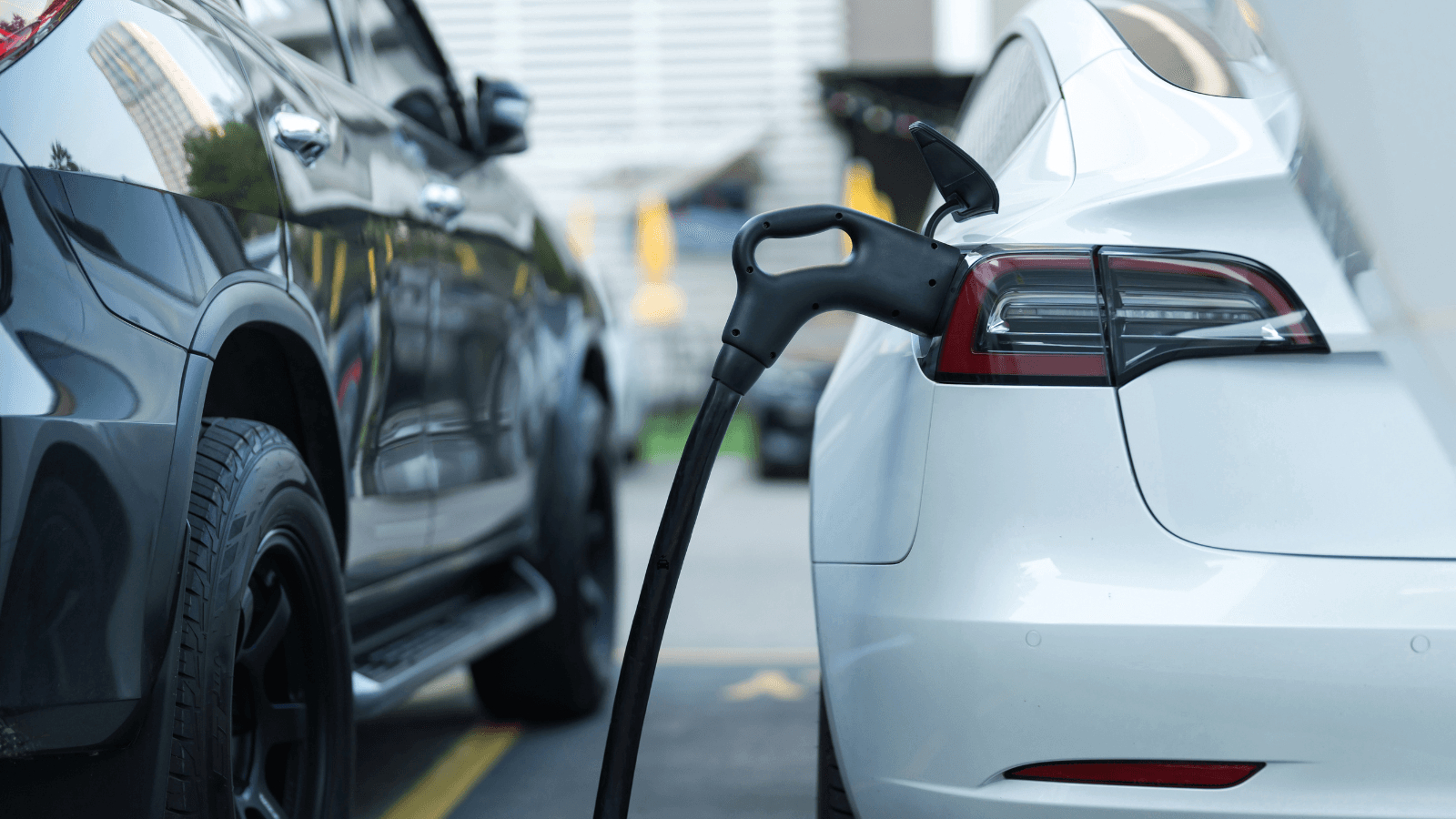
A recent study conducted by researchers from the University of California, Berkeley (UC Berkeley) has found results that electric vehicles (EVs) have an impact on the reduction of carbon (CO2) emissions in the San Francisco Bay Area.
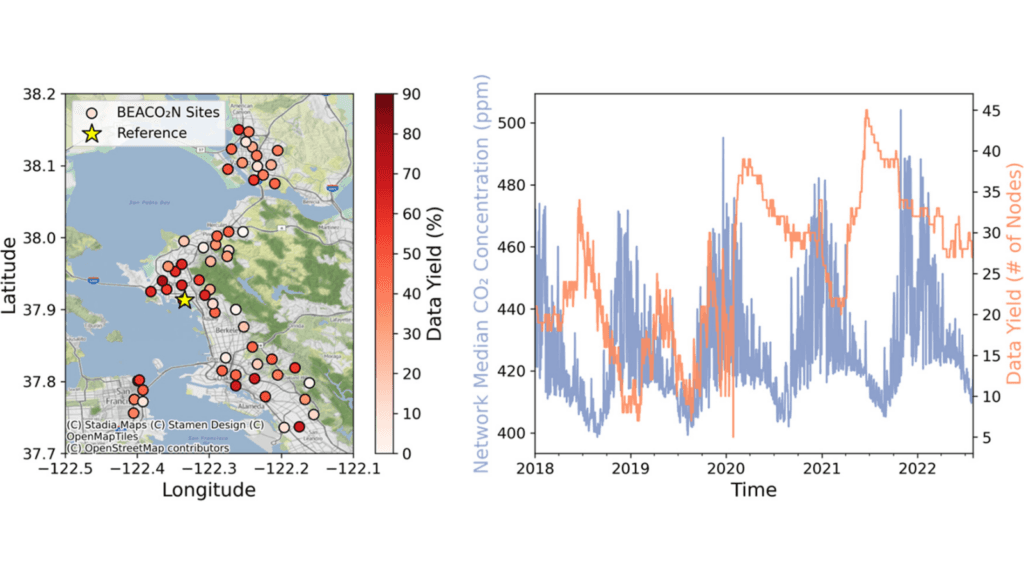
Ronald Cohen, professor of chemistry at UC Berkeley, led the study of using a network of CO2 sensors to monitor the carbon emissions levels in the Bay Area. Dubbed the Berkeley Environmental Air Quality and CO2 Network (BEACO2N), around 80 CO2 sensors were specifically placed in strategic positions around the Bay Area and the results tracked the carbon emissions trends.
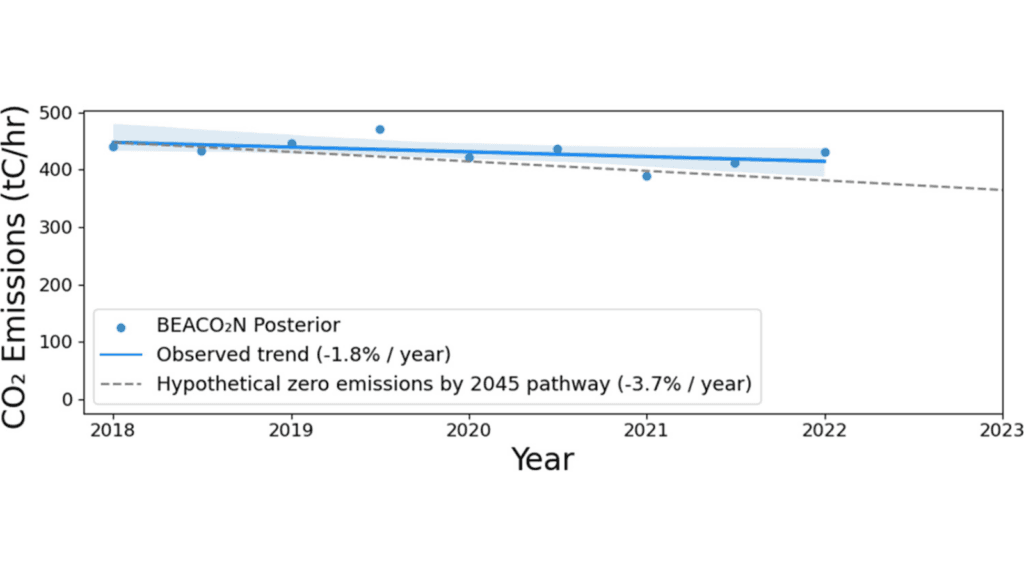
With the data collected between 2018 and 2022, the BEACO2N discovered a decline in CO2 emissions by a 2.6% annual reduction in vehicle emissions rates. Naomi Asimow, a graduate student involved in the study, attributed this decline to the increasing adoption of EVs in the Bay Area.
Ronald Cohen expressed the data findings from the study with EVs contributing to the reduction of CO2 emissions stating, “We show from atmospheric measurements that adoption of electric vehicles is working, that it’s having the intended effect on CO2 emissions.”
The results of the study align with California’s goal of achieving net-zero emissions by 2045 with the decline of CO2 emissions making progress. Although researchers from the study assert that more efforts need to be made to reach California’s goal. “We’re at 1.8% per year today. To get to the state’s goal, we would need 3.7%,” Cohen stated. “So it’s not crazy higher than where we are; we’re almost half of the way to that goal. But we have to sustain that for another 20 years.”
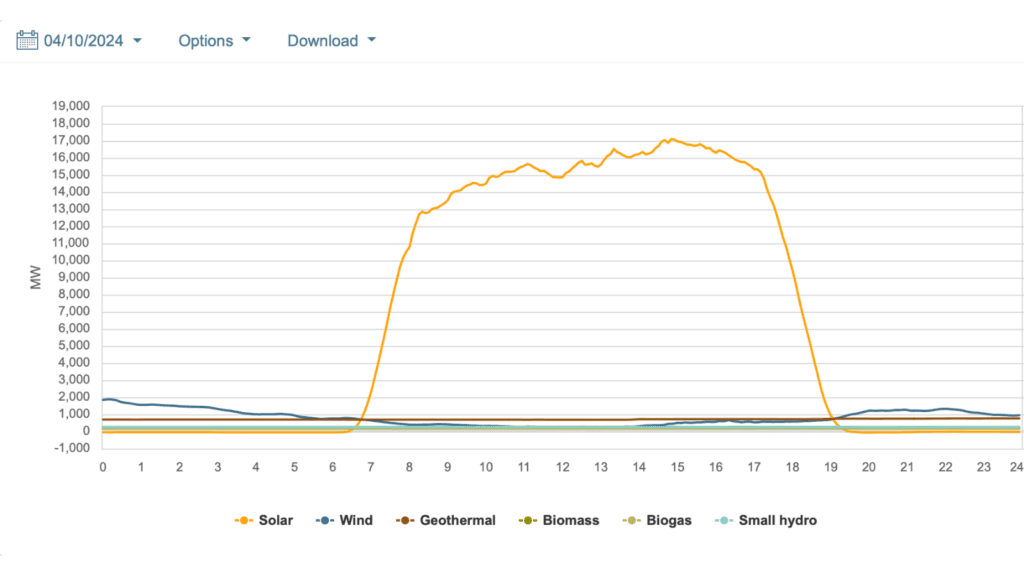
With EVs showing results of driving the reduction of CO2 emissions in the Bay Area, the adoption of EVs comes as critical as ever if we were to meet California’s goal to reach net-zero emissions by 2045. Interestingly, EVs are not alone in reducing CO2 emissions as the state is also setting records with wind, water, and solar power creation. Notably, solar projects in California reached new records of 17,170 MW. This is an increase of over a thousand MW compared to 2023’s peak according to California ISO.
As California is tracking progress of reducing CO2 emissions to combat climate change, the efforts of these researchers as well as EV enthusiasts will contribute to paving the way for a cleaner future with electric mobility in mind to reach a zero emission state.
Want to learn more about EV? Thinking of buying an EV? Head over to EV.com and discover more.
Comments
Categories
Related news


Subscribe for EV News and Reviews

AI Employee for Car Dealerships
Results in 30 days - Or We'll Give You Your Money Back