AI Is Changing the Used EV Marketplace: What Buyers Should Check Before Trusting a Listing
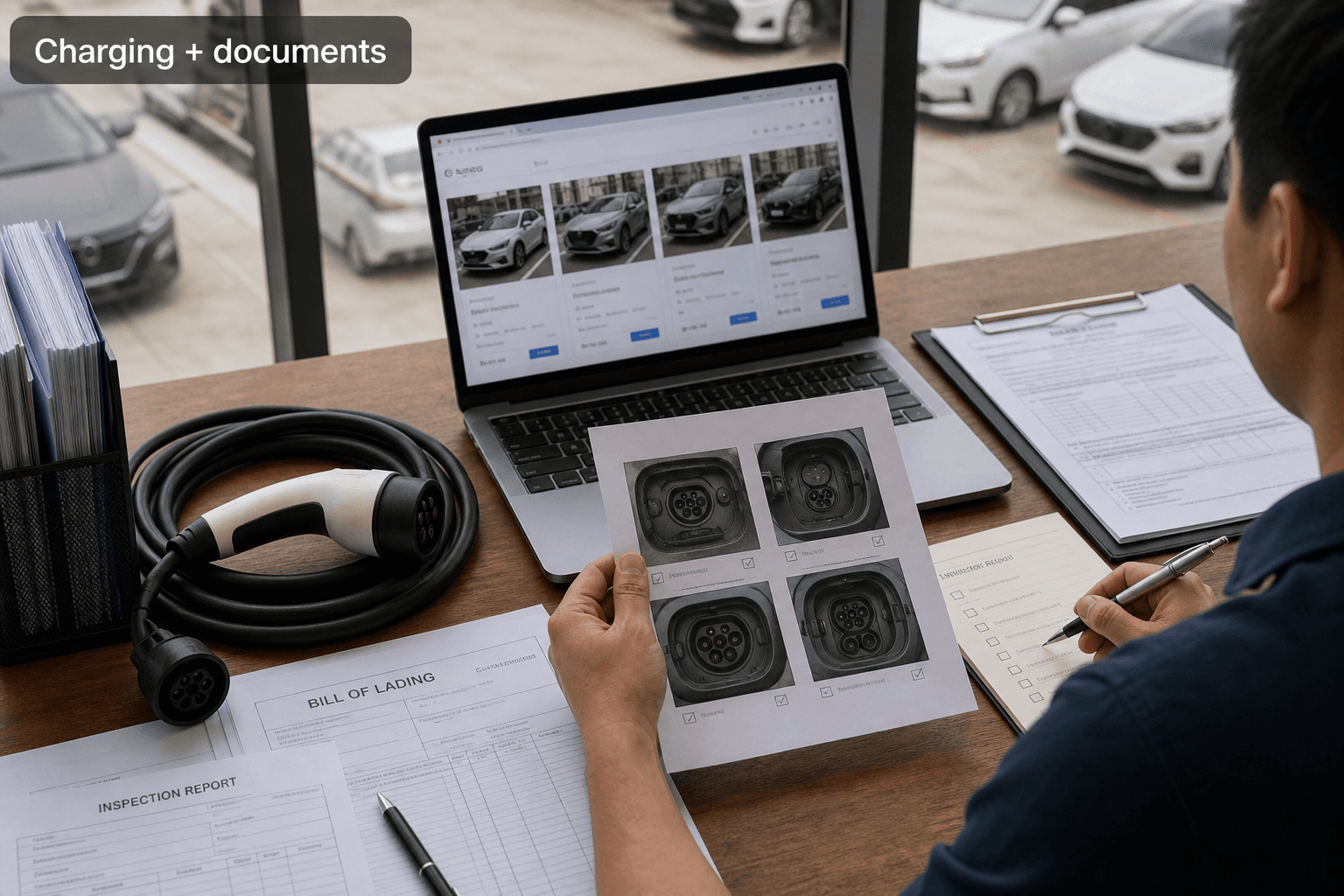
Digital Showrooms Are Getting Smarter
Today, software can generate a complete vehicle description from a VIN, highlight popular features, translate copy, suggest a competitive price, and respond to leads outside normal business hours. Used responsibly, these tools reduce repetitive work and speed up inventory searches.
Automation becomes a problem when presentation replaces accuracy. A polished description may repeat incorrect database information, overlook optional equipment, or make a generic claim about battery condition. Treat online copy as an introduction, not a technical record. Confirm trim, mileage, warranty, charging capability, and accident history through documents or a physical inspection.
Listing Photos May Look Better Than Reality
Image-enhancement software can correct poor lighting, remove distracting backgrounds, and create a consistent dealership style. Generative editing can also hide scratches, alter wheels, clean upholstery, or place a vehicle in surroundings it never visited. The result may look realistic enough to shape a buyer’s expectations before a test drive.
Reverse-image searches and an AI detector may identify some suspicious media, but neither should be treated as final proof. Results may change after images are cropped, compressed, or edited. Searches for a synthid remover also show why the absence of an apparent provenance marker cannot establish that a photo is authentic. Request current close-ups of specific areas and a live video walkaround.
Verify the Car, Not Just the Advertisement
Start by checking that the VIN shown in the advertisement matches the number visible through the windshield and on the official paperwork. Review title, registration, service, inspection, and accident records, remembering databases may be incomplete.
Check details that should remain consistent across images: tires, body marks, dashboard mileage, charging port, panel alignment, and interior trim. If a seller avoids direct questions, refuses to provide additional images, demands an unusual payment method, or pressures you to act immediately, step back. An attractive price is not compensation for missing evidence. Whenever possible, use an established marketplace and arrange an independent inspection before transferring money.
Battery Health Remains the Critical Check
Digital authenticity matters, but the battery is still the most important component in a used EV purchase. A perfect set of photographs cannot reveal usable capacity, cell imbalance, thermal-management faults, or reduced fast-charging performance. Ask the seller for a recent battery health report and clarify whether the figure comes from the car, a diagnostic scan, or a third-party estimate.
Compare the vehicle’s displayed range at a known state of charge with its expected performance, while accounting for temperature, driving style, tires, and climate-control use. During a test drive, watch for warning messages and unusual changes in estimated range. If practical, test both AC and DC charging. Buyers should also confirm whether the battery warranty transfers to the next owner, what degradation threshold applies, and how much coverage remains by time and mileage.
AI Can Improve the Buying Experience
The technology creating new risks can also make EV shopping more useful. Intelligent search can match drivers with vehicles based on commute length, home-charging access, passenger needs, climate, and budget rather than simply promoting the most popular model. Automated assistants can explain connector types, locate compatible chargers, schedule test drives, and provide quick answers when dealership staff are unavailable.
These systems work best when they support knowledgeable employees instead of pretending uncertainty does not exist. Dealerships should disclose when customers are interacting with automation, protect personal information, and provide a clear path to a human representative. They should also verify automatically generated descriptions before publication. Trust grows when technology makes information easier to access without obscuring who is responsible for its accuracy.
A Smarter Way to Shop for a Used EV
Buyers do not need specialist knowledge to navigate an AI-assisted marketplace, but they do need a repeatable process. Begin with reputable sellers, compare similar vehicles, and question prices that sit far below the market. Save copies of the original listing and messages so that promises about condition, equipment, or warranty can be checked later.
Next, verify the VIN and history, request unedited close-ups, inspect the car in person, and obtain an independent mechanical and battery assessment. Confirm the charging equipment included with the sale and calculate ownership costs using local electricity rates, insurance, taxes, and public-charging habits.
Artificial intelligence can make the search faster, more personalized, and less intimidating. It cannot replace documentation, inspection, or judgment. The strongest purchase decision combines digital convenience with real-world evidence. In a marketplace where almost any listing can be made to look exceptional, confidence should come from what the buyer can verify, not from what software can convincingly present.
Comments
Related news


Subscribe for EV News and Reviews

AI Employee for Car Dealerships
Results in 30 days - Or We'll Give You Your Money Back