A refresh instead of buying a new car: when it really makes sense
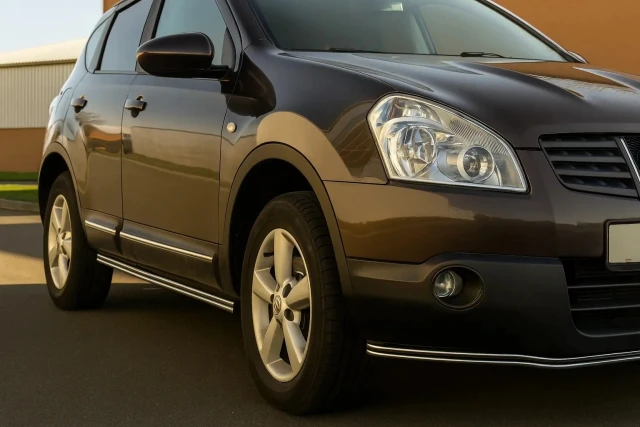
This plan is for owners of used crossovers, SUVs, or large sedans who bought a car that’s in good mechanical condition but want to make it look fresher and more comfortable. If the engine, transmission, suspension, and body are in good condition, but you want to replace your car because of its appearance, interior, or minor inconveniences, a makeover is often a more logical choice than buying a new car.
It’s best to start with practical items: the interior, trunk, body protection, lighting, and compatible car accessories from DD Tuning tailored to your specific usage scenario.
What to do first
A proper upgrade requires a step-by-step approach. First, check the brakes, tires, fluids, suspension, lights, battery, and windshield wipers. Next, install floor mats, a trunk liner, mud flaps, door sill guards, and organizers.
It’s best to leave exterior styling for the second stage: once you’re sure the car is in good working order, the body is intact, and the new parts won’t complicate daily use.
Practical benefits of upgrades
| Upgrade | Why it’s needed | When it’s appropriate |
| Carpet mats | Protect the floor from water, sand, salt, and rapid wear | If the car is used daily in the city, especially in the fall and winter |
| Trunk liner | Prevents dirt, liquids, tools, or groceries from damaging the interior trim | If you frequently carry items, equipment, or goods in the trunk |
| Mud flaps and side sill guards | Reduce body dirt and scratches in the door sill areas | If the car is driven on rough roads, highways, or frequently carries passengers |
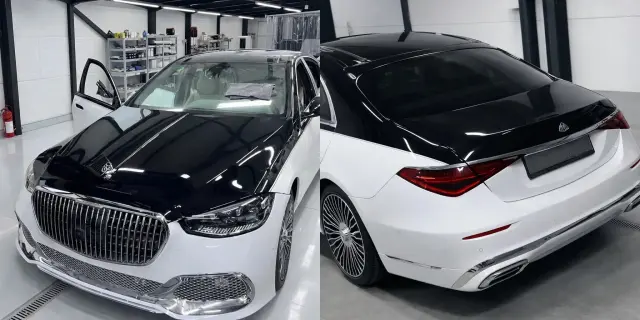
| Exterior restyling | Helps refresh the car’s appearance without replacing the vehicle | If the technical components are already in good condition and the body is in normal condition |
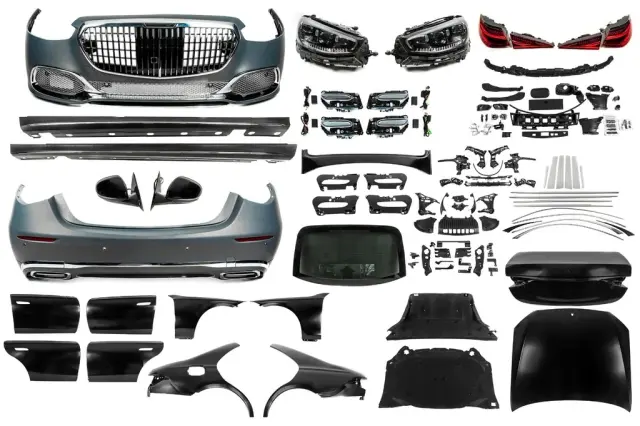
It’s worth evaluating the specific format of the exterior upgrade separately. If you’re looking for a cohesive result rather than just a single decorative trim piece, you should first check which elements are included in the body kit, how they alter the front and rear of the car, and whether they interfere with ground clearance, parking sensors, cameras, and daily driving conditions: https://dd-tuning.com/komplekt-obvesov.html.
Not all upgrades need to be installed right away. Some address basic needs after purchasing the car, some only make sense after a technical inspection, and certain elements are best left for later.
What to install right away, and what can be postponed
| First | Later | Not necessary |
| Tires, brakes, lights | Air deflectors, organizers | Random decor |
| Floor mats and trunk liner | Covers, chargers | Expensive multimedia systems you don’t need |
| Side sill protectors | Body kit, grille | Low-profile parts for rough roads |
Common mistakes
Most often, people buy items that don’t fit their needs: a roof rack without planning to travel, a low body kit for winter roads, or decorative items instead of floor mats or protective gear. Another mistake is failing to check compatibility based on model generation, body style, bumper, parking sensors, and cameras.
“Good tuning doesn’t start with the desire to stand out, but with understanding the goal: the car must remain comfortable, compatible in terms of parts, and suitable for everyday use,” notes Maxim Radomsky, an expert in automotive accessories and tuning.
Frequently asked questions about restyling a car after purchase
When is restyling more cost-effective than buying a new car?
If the car is in good working order but no longer meets your expectations in terms of appearance or daily use. In this case, it makes more sense to update the interior, protect the body, and only then move on to exterior styling.
Where should you start with modifications after buying a used car?
Start with the basics: brakes, tires, suspension, lights, fluids, the battery, and windshield wipers. Next—floor mats, a trunk liner, mud flaps, door sill guards, and organizers.
When is a full body kit really appropriate?
When you need more than just a few random accessories—a comprehensive exterior makeover. Before making a choice, it’s important to consider the body, ground clearance, road conditions, parking sensors, cameras, and your daily driving routine.
Conclusion
A makeover makes sense if the car is technically sound but no longer satisfies the owner aesthetically or emotionally.
The approach is simple: first, safety and maintenance; then, protection for the interior and body; next, comfort; and only then, exterior styling. If the modifications make the car more comfortable, safer, and more cohesive — they’re justified; if they complicate operation, it’s better to postpone them.
Comments
Related news
Subscribe for EV News and Reviews

AI Employee for Car Dealerships
Results in 30 days - Or We'll Give You Your Money Back