Virginia Will No Longer Enforce California’s EV Regulations By End Of 2024
Virginia Governor Glenn Youngkin Declares A Departure From California’s Emission Standards When California’s Current Regulations Expire
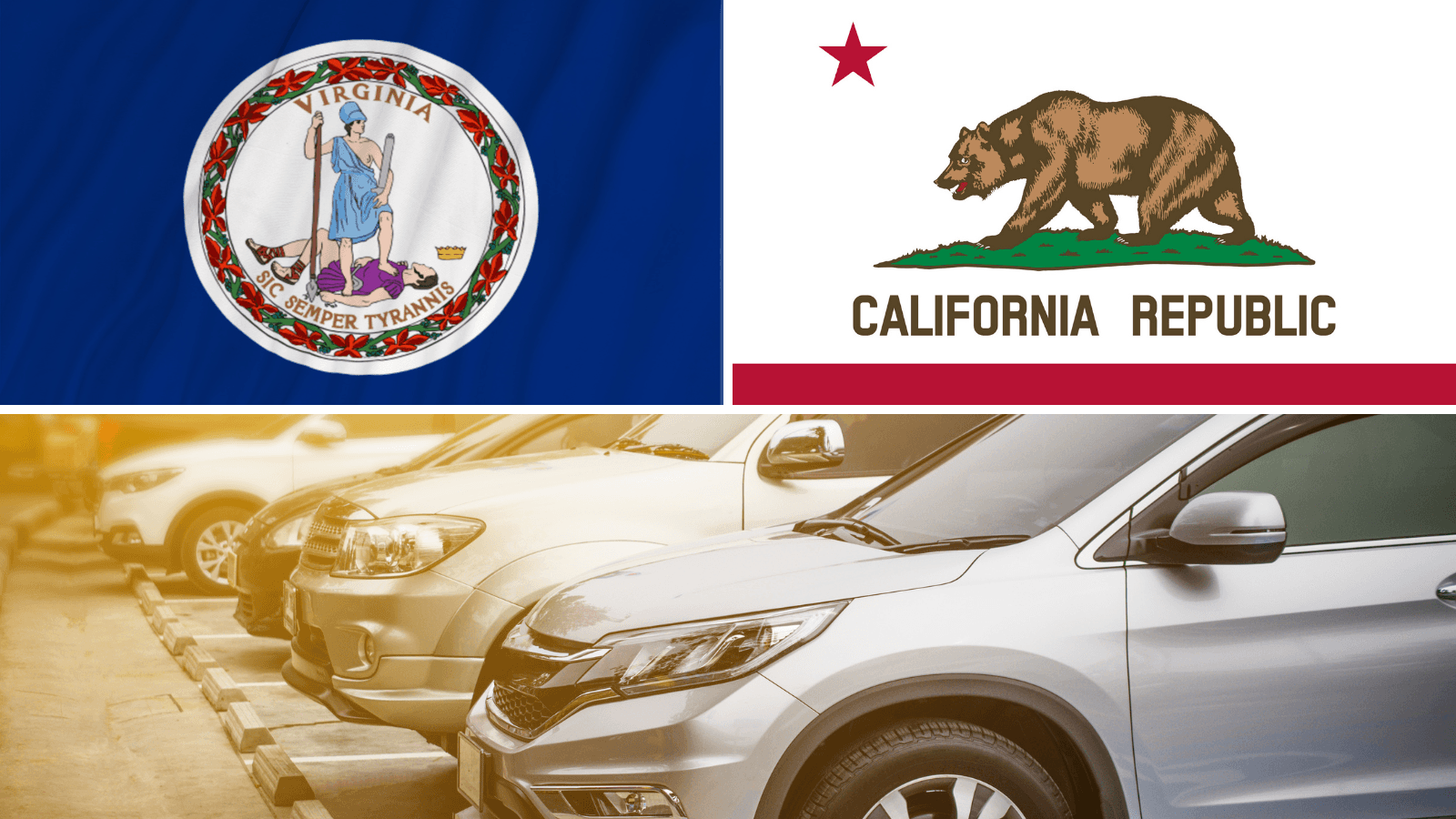
In the ever-changing automotive landscape, policies are crucial to its changes. And now, Virginia Governor Glenn Youngkin has recently announced the state’s departure from California’s electric vehicle (EV) mandate by the end of the year.
Virginia’s Departure From EV Mandate
In elaborate on the announcement, Virginia will discontinue enforcing the regulations set forth by the California Air Resources Board (CARB), where it will set new additional mandates adopted by CARB to take effect on January 1, 2025. As a result, this will place the state on track to end sales of nearly all new internal combustion engine (ICE) vehicles by 2035.
Initially, Virginia took California’s EV mandate program in 2021. However, the impending enforcement of heavier regulations under the Advanced Clean Cars II (ACC II) prompted a reevaluation of Virginia’s stance.
Moreover, Attorney General Jason Miyares reinforced this stance, emphasizing that citizens in the state are not legally bound to abide by California’s standards. Both Youngkin and Miyares exhibit similar sentiments by expressing their own rationale that disagrees with California’s EV mandate program.
Drawing Mixed Responses
In response, the announcement drew criticism from many including environmental advocacy groups and members of the Democratic party. Notably, Virginia Senate Majority Leader Scott Surovell called the decision with several objections in a statement.
California’s EV Goals
With 13 states embracing California’s EV mandates, the state’s regulations have informed that by 2026, 35% of all newly sold vehicles must be either battery electric vehicles (BEVs) or plug-in hybrid vehicles (PHEVs). This comes to reach 100% electric for vehicles and light trucks by 2035. Furthermore, ACC II display a start regarding the requirement of 17% for the 2023 model year, escalating to 19.5% in 2024, and reaching 22% by 2025.
As California recently reported that the state now has one fast-charging station for every five gas stations, it is now a major leader in leading the acceleration to electric mobility with the aim for more zero-emission vehicles (ZEVs) since Governor Newsom’s executive order back in 2020. As a result, this mandates all new car sales to be zero-emission by 2035. Yet, obstacles remain in the way as Virginia sets it sights away from California’s vision for sustainability and EVs in the nations with its own.
While Governor Youngkin’s move signals a departure from California’s EV mandate, it will influence the Biden administration’s goal of reaching 50% of all new vehicle sales to be electric by 2030. As the U.S. market experiences fluctuations based on shifting vehicle policies, the path to accelerating electric mobility in the U.S. will depend on future actions from the EV industry.
Want to learn more about EV? Thinking of buying an EV? Head over to EV.com and discover more.
Comments
Categories
Related news


Subscribe for EV News and Reviews

AI Employee for Car Dealerships
Results in 30 days - Or We'll Give You Your Money Back