Do Electric Cars Need a Car Inspection? EV Rules for 2026-2027
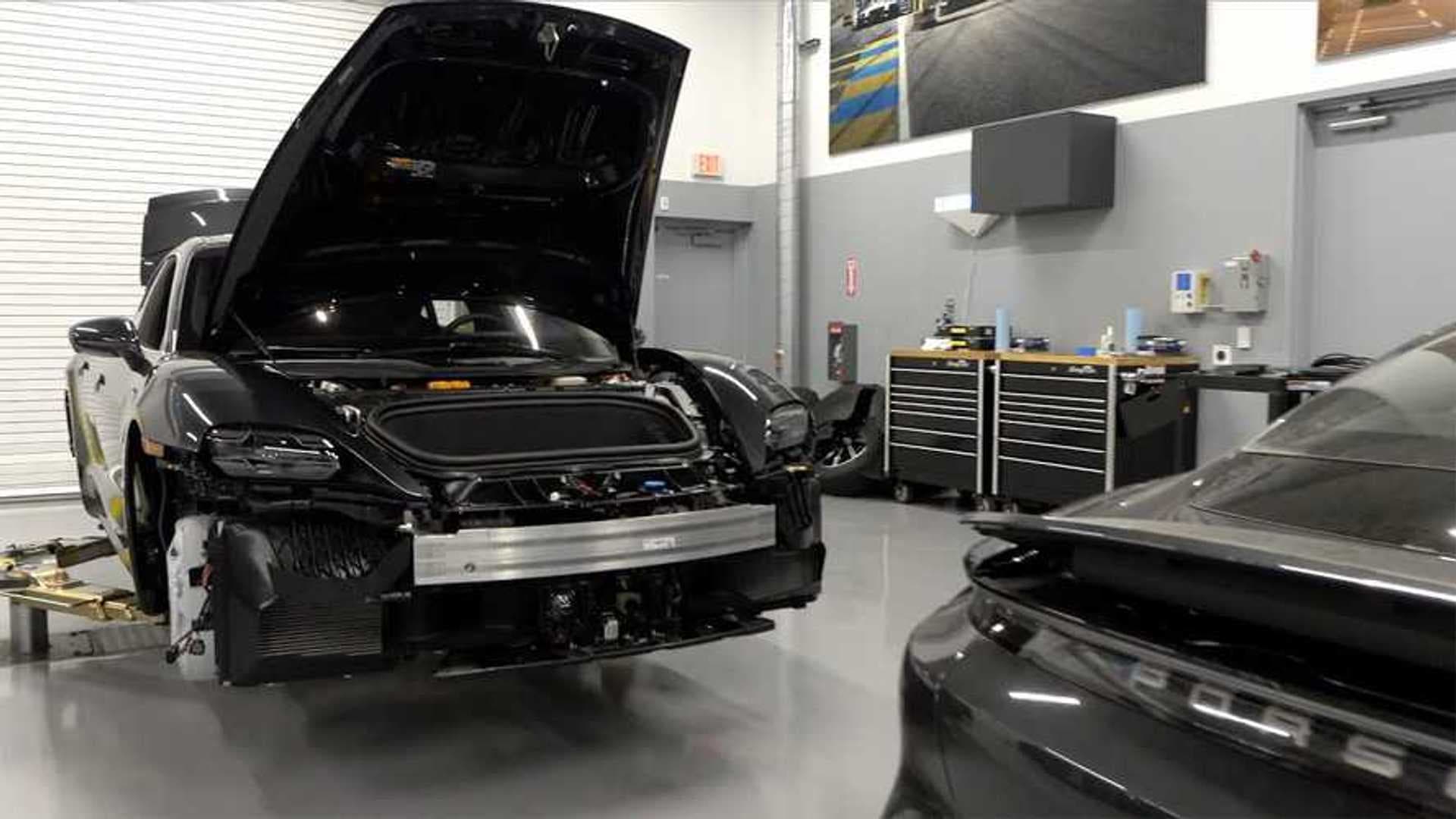
A lot of new EV owners assume the yearly car inspection went away along with oil changes, spark plugs and tailpipe tests. In a few states it really did. In Pennsylvania, New York and North Carolina, a battery-electric crossover still needs a valid sticker every year, and driving without one can earn you a traffic citation no matter what turns the wheels.
The rules keep shifting, too. Texas stopped requiring safety inspections for personal vehicles on January 1, 2025. New Hampshire’s legislature ended its program on January 31, 2026, and a federal lawsuit over that decision reached the appeals court this spring. North Carolina has moved to end emissions testing in most of its counties, pending final federal sign-off, while keeping the annual safety check statewide. Here’s what those changes mean if you drive an electric car today or plan to buy one in the next year or two.
Safety Checks and Emissions Tests Work Differently for EVs
Most state programs bundle two separate checks. An emissions test confirms that a gasoline engine’s pollution controls work, usually by plugging a scanner into the car’s onboard diagnostic port. A safety inspection covers the hardware that keeps you on the road: brakes, tires, lights, steering, suspension, glass and the horn.
Battery-electric cars have no tailpipe, so Pennsylvania, New York, North Carolina and Texas all exempt them from emissions testing. The safety half still applies. A heavy crossover needs working brakes and legal tread whatever powers it, and inspection states run a Chevrolet Equinox EV through the same safety checklist as a gas Equinox.
Plug-in hybrids land in between. A Toyota RAV4 Prime still burns gasoline, so if it’s registered in one of Pennsylvania’s 25 emissions counties, it gets both tests. New Jersey draws the same line: only 100% electric vehicles appear on the state’s official list of vehicles exempt from inspection, and plug-in hybrids follow the normal schedule.
Where Electric Cars Still Need a Car Inspection
A November 2025 survey by Vermont’s Legislative Research Service counted nine states with annual safety inspections: Hawaii, Maine, Massachusetts, New Hampshire, New York, North Carolina, Pennsylvania, Vermont and Virginia. New Hampshire has since stopped running its program. The table covers the states EV shoppers ask about most, including the two that recently dropped safety checks.
| State | Safety inspection for EVs | Emissions test for EVs | What to know |
| Pennsylvania | Every year, all 67 counties | Exempt | Plug-in hybrids registered in the 25 emissions counties get both tests |
| New York | Every 12 months and at ownership transfer | Exempt | Expired-sticker fines run $25 to $100, plus a state surcharge of at least $88 |
| North Carolina | Every year, all counties | Exempt | A safety-only inspection costs $13.60 |
| New Jersey | Not required for 100% electric vehicles | Exempt | Plug-in hybrids stay on the regular inspection cycle |
| Texas | Eliminated January 1, 2025 | Exempt | Owners pay a $7.50 inspection program replacement fee at registration |
| New Hampshire | Ended by the legislature January 31, 2026 | Not required | The former inspection vendor’s lawsuit over the repeal was still in federal court as of spring 2026 |
Missouri, Rhode Island and West Virginia run safety programs on a two-year cycle. Missouri also exempts vehicles for their first ten model years as long as the odometer shows under 150,000 miles. Legislatures revisit these programs often, so check your state motor vehicle agency’s site before each renewal.
States That Dropped Inspections Still Expect a Safe Car
Losing the sticker requirement doesn’t change equipment laws. When New Hampshire suspended inspections, state officials reminded drivers that they remain responsible for keeping any vehicle they drive safe to operate. Bald tires, a dead brake light or a cracked windshield can still get you pulled over, with or without a program behind them.
Texas shows how much of the old system survives. Commercial vehicles still need safety inspections, and 17 metro counties still test gasoline cars for emissions, with Bexar County scheduled to join them on November 1, 2026. Electric-only vehicles remain exempt from those emissions tests. For private EV owners, the $7.50 fee replaces the inspection, and brake and tire checks are left entirely to the driver.
What Inspectors Look At on an Electric Car
Most of an annual safety inspection has nothing to do with the drivetrain, which is why a two-year-old EV gets the same scrutiny as a ten-year-old sedan. In Pennsylvania and the other annual states, the checklist centers on parts that wear:
- Tires: tread depth, sidewall damage and matching sizes (Pennsylvania rejects tread below 2/32 inch)
- Brakes: pads, rotors, caliper movement and the parking brake
- Lights: headlights, brake lights, turn signals and the plate lamp
- Steering and suspension: tie rods, ball joints, shocks and excess play
- Glass and wipers: cracks in the driver’s view, working blades and washers
- Horn, mirrors and seat belts
State inspectors don’t grade the health of the high-voltage battery. If you want a battery report, ask the shop for a separate diagnostic check. Services such as Recurrent can also estimate a used EV’s battery state of health, and readings above 90% are generally rated excellent.
Why EVs Fail on Tires and Brakes
Weight explains most of the tire story. A battery pack adds hundreds of pounds, and Michelin estimates that EVs can wear through tires up to 20% faster than comparable gas cars. Research from Emissions Analytics puts it in numbers: every extra 450 kg (roughly 1,000 pounds) of curb weight raises tire wear by around 20%. Instant torque adds to the damage, especially for drivers who like quick launches from a light.
Rotation helps more than most owners expect. Tesla’s maintenance schedule calls for rotating tires every 10,000 km, about 6,200 miles, or sooner if tread depth differs by 1.5 mm or more between tires. Uneven wear on the inner shoulder often points to alignment, which heavy EVs punish quickly.
Brakes fail for the opposite reason. Regenerative braking handles most of the slowing, so the friction brakes can go weeks without real work. Rotors rust, and caliper slides can seize, especially where roads get salted in winter. Honestly, the clearest evidence sits in Tesla’s own service guidance: owners in salted-road areas are told to have the brake calipers cleaned and lubricated every year or 12,500 miles. Most gas-car maintenance schedules don’t carry that line at all.
A seized caliper or a rust-pitted rotor fails a safety inspection just like worn pads do. Cleaning and lubricating the slides during a spring tire rotation costs far less than replacing a caliper and rotor after they lock up.
A Five-Minute Driveway Check Before the Appointment
Several common failure items are easy to spot at home. Have someone stand behind the car while you press the brake pedal, switch on the headlights and flip each turn signal. Push a penny into the tread with Lincoln’s head pointing down; if you can see the top of his head, the tread is at or below 2/32 inch and the tire needs replacing. Top off the washer fluid, swap wiper blades that streak, and look for any windshield crack in the area the wipers sweep in front of the driver.
When to Book and What It Costs
Timing matters more than price. Pennsylvania lets you inspect up to 90 days early without losing time on your cycle. North Carolina requires the inspection within the 90 days before your registration expires. Booking in the first half of that window leaves room to order tires or brake parts if the car fails.
Costs stay modest because there’s no emissions portion. North Carolina charges $13.60 for a safety-only inspection, and Pennsylvania guides put an EV safety inspection at roughly $35 to $45. The expensive scenario is skipping it. In New York, an expired sticker brings a fine of $25 to $100, and the state adds a mandatory surcharge of at least $88 on top.
Buying a Used EV From Another State
Online shopping opens up inventory from dealers nationwide, and that’s where inspection rules catch buyers off guard. An EV registered in New Jersey or Texas may have gone years without anyone checking its brakes for a state sticker. Register it in Pennsylvania or New York and it has to pass, and New York requires an inspection whenever ownership changes. Pennsylvania gives a newly purchased vehicle a 10-day window to get inspected, which is shorter than it sounds if the car needs tires first.
That makes a pre-purchase inspection worth paying for on any used EV with an unknown history. Independent shops typically charge $150 to $200. Ask for everything a state inspector covers, plus a scan for stored fault codes, a look at the underside of the battery pack for impact damage and a charging test. A written report gives you a repair list to negotiate with before you sign anything.
Run the VIN through a recall lookup as well. Federal law bars dealers from selling new cars with unrepaired safety recalls. Used cars fall outside that rule, so an open recall can pass to the next owner unfixed. If a recall touches brakes, lights or steering, get it repaired before your inspection date, since those are exactly the systems the inspector will test.
Comments
Related news
Subscribe for EV News and Reviews

AI Employee for Car Dealerships
Results in 30 days - Or We'll Give You Your Money Back