US Tariffs Threaten Affordability of Volvo EX30
Volvo’s compact EX30 EV risks losing its budget-friendly appeal as American tariffs make overseas-built models more expensive.

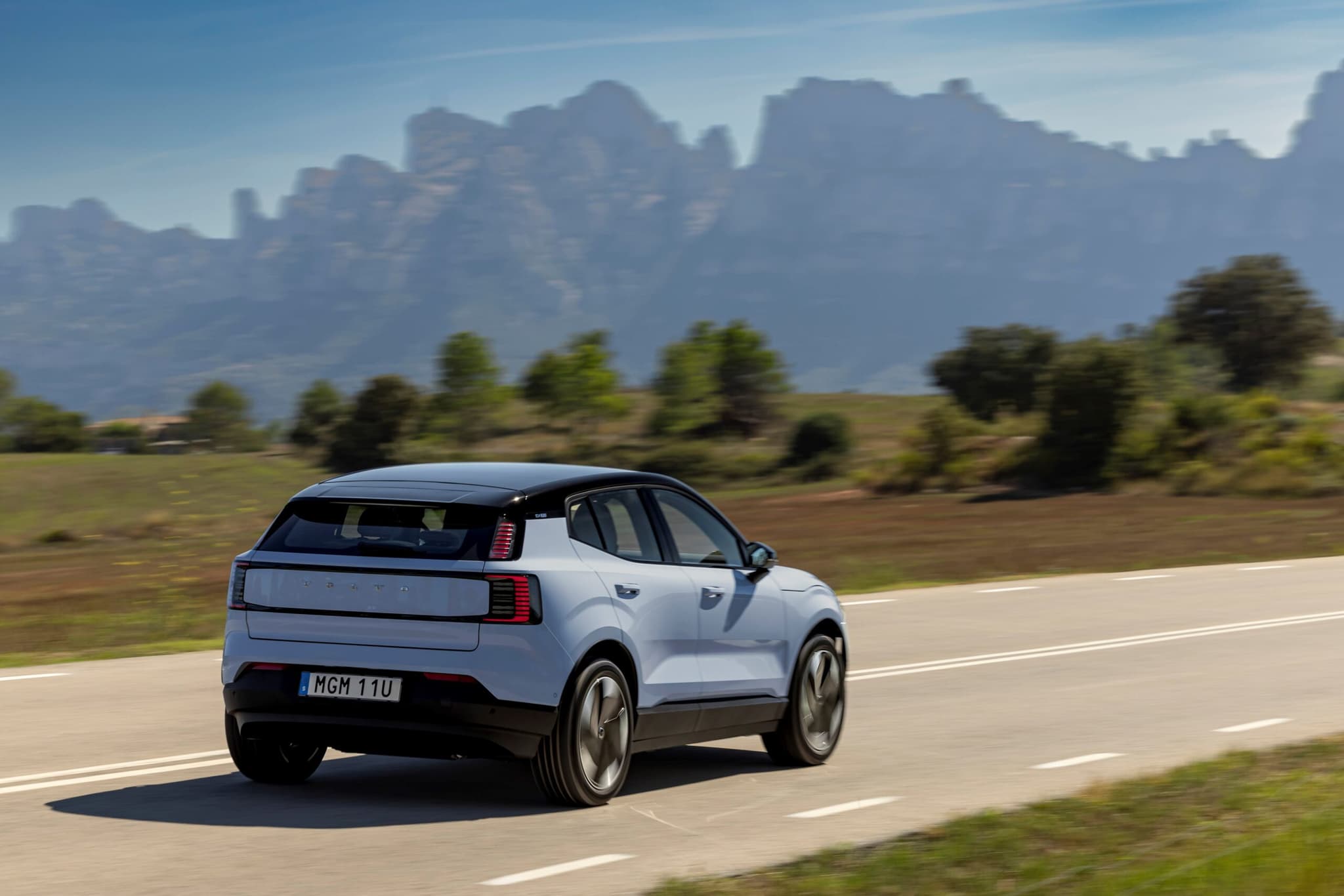
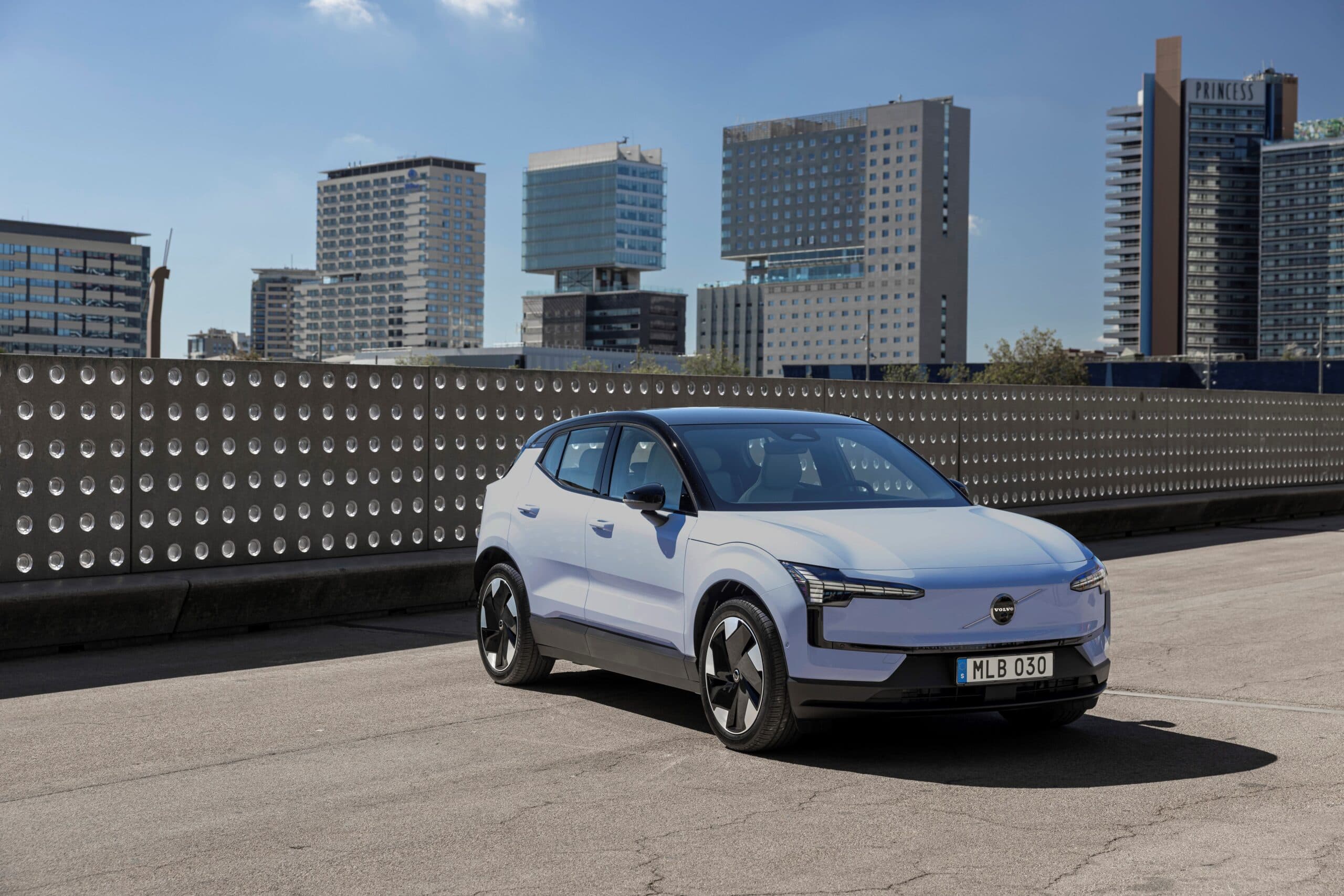
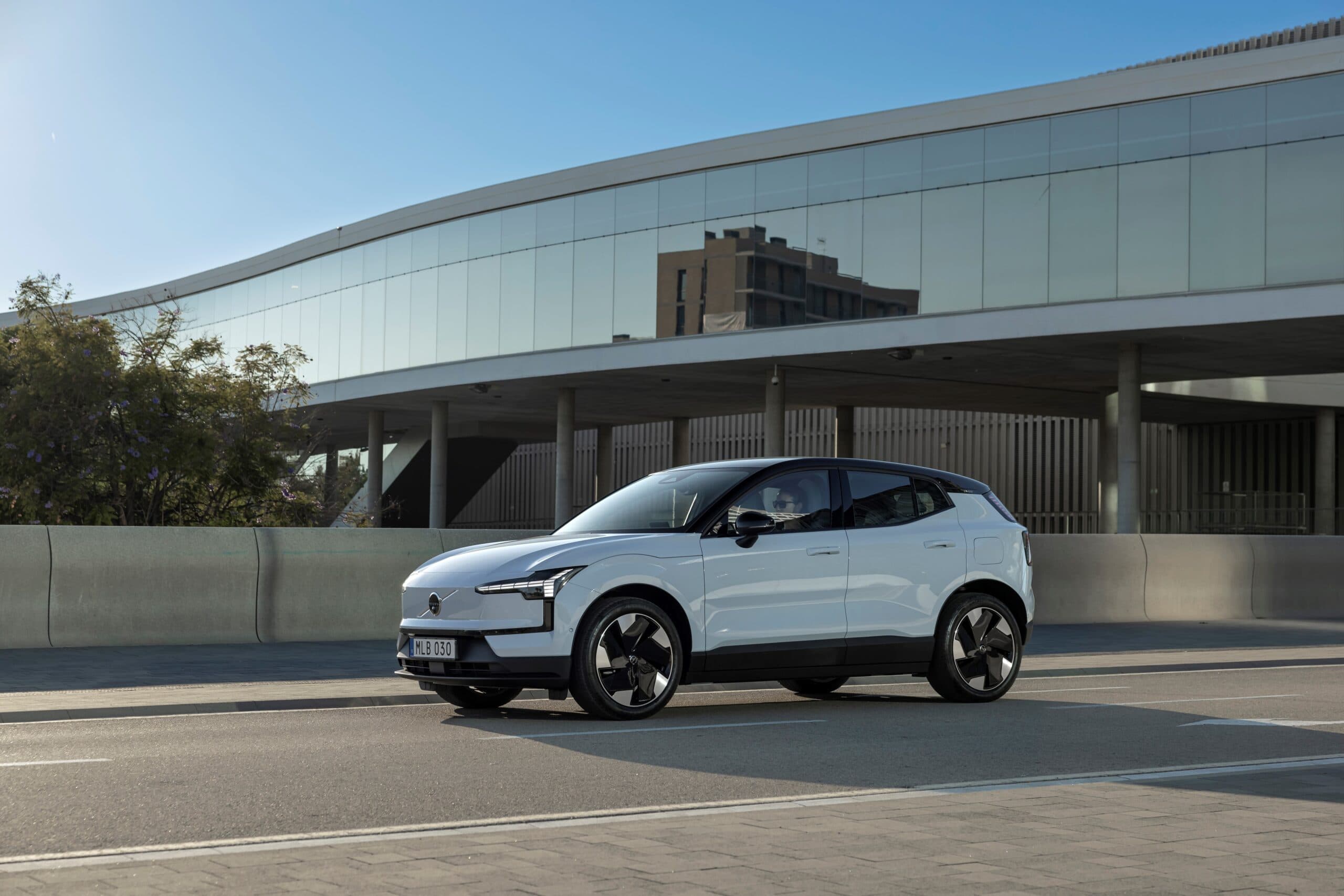
The highly anticipated Volvo EX30 electric SUV faces significant challenges to its affordability and availability due to escalating US tariffs on imported vehicles. Volvo’s CEO, Hakan Samuelsson, has indicated that a proposed 50% tariff on goods from the European Union, if implemented, would make it “almost impossible” to sell the Belgian-built EX30 in the American market.
Shifting Production Plans Derailed by New Tariffs
Initially, Volvo planned to sell China-built EX30s in the US. However, a 100% tariff on Chinese-made EVs forced the company to alter its strategy, shifting production for the US market to its factory in Ghent, Belgium. Now, new tariffs are threatening even this revised production plan. The existing 25% blanket tariff on imported vehicles already adds to the EX30’s cost. The prospect of a further increase to 50% on EU goods, as recently threatened, would, according to Samuelsson, make the economics “unworkable” for Volvo.
Financial Implications and Consumer Impact
Samuelsson stressed that automakers, typically operating on slim profit margins (around 6% is considered good), cannot absorb such substantial tariff costs. These expenses would inevitably be passed on to consumers. This scenario would lead to either a cessation of imports, reducing competition and potentially driving up all EV prices, or direct price increases on the vehicles themselves, making the affordable EX30 significantly more expensive for American buyers.
Hopes for a Resolution Amidst Trade Tensions
Despite the challenging outlook, Samuelsson expressed optimism for a swift resolution. “I believe there will be a deal soon. It could not be in the interest of Europe or the U.S. to shut down trade between them,” he commented.
The situation highlights the complex challenges facing the global automotive industry amid ongoing trade tensions. While tariffs are often intended to incentivize domestic production, a sudden and substantial increase in duties risks drastically raising consumer prices in the short term. Such abrupt policy changes can hinder automakers’ abilities to adapt production strategies effectively, potentially giving an advantage to established Chinese EV manufacturers in the global market.
Comments
Categories
Related news

Subscribe for EV News and Reviews

AI Employee for Car Dealerships
Results in 30 days - Or We'll Give You Your Money Back