Volvo Initiates Major Cost-Cutting Measures Amidst Financial Challenges
Volvo responds to declining profits and tariff challenges with aggressive cuts, restructuring operations and trimming spending to stabilize its future.
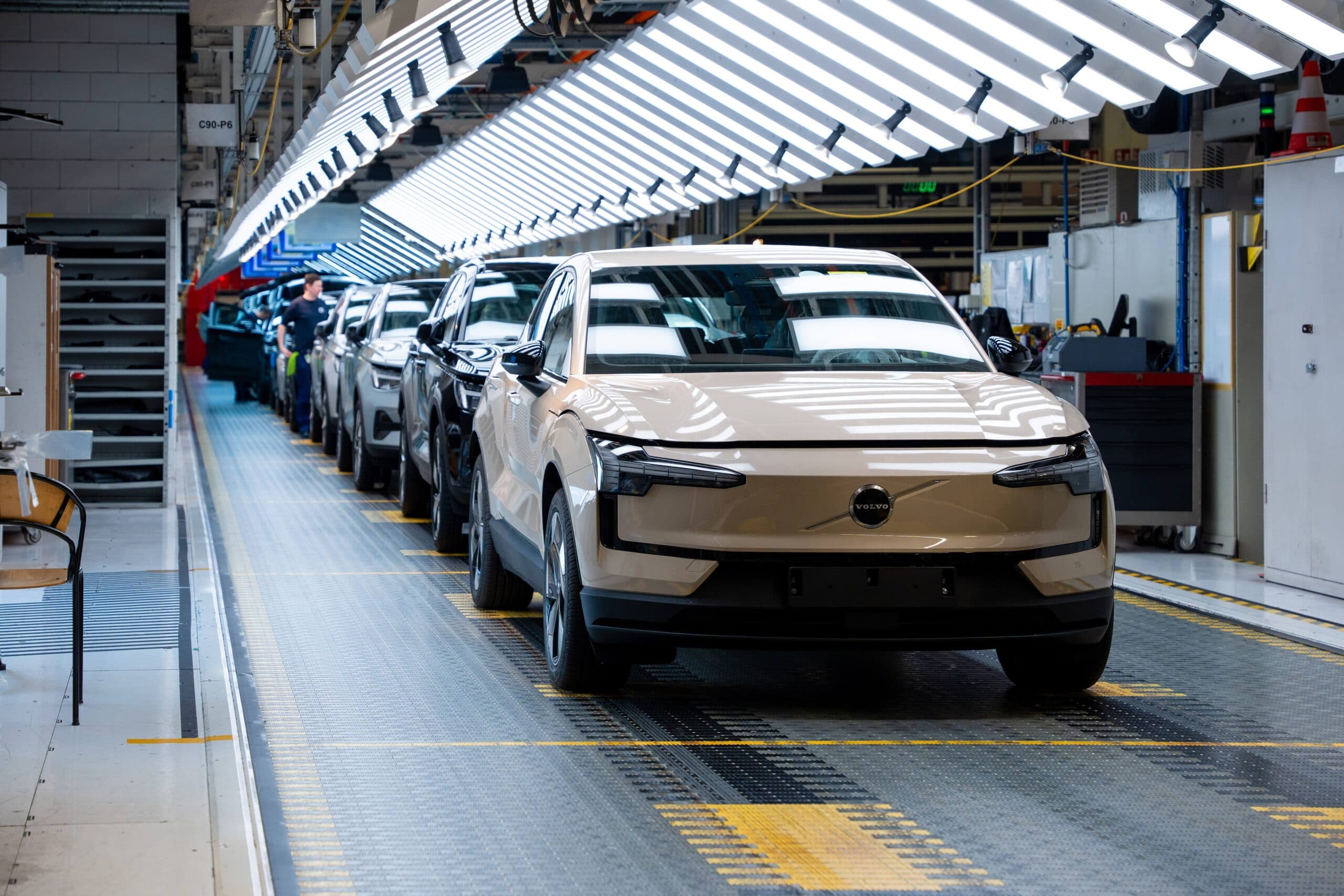
Volvo Cars has announced a significant cost-cutting initiative totaling 18 billion Swedish kronor ($1.87 billion), including job reductions, in response to a challenging financial performance in the first quarter of 2025 and a turbulent automotive market.
Losses Across Key Financial Metrics in Q1 2025
The Swedish automaker, owned by China’s Geely, reported a downturn across several key financial indicators for the first quarter of 2025 compared to the same period last year. Revenue saw a decrease of 12% to SEK 82.9 billion ($861.8 million USD). The group’s operating income (excluding joint ventures and associates) experienced a substantial drop of 72% to SEK 1.9 billion ($197.5 million USD). Overall operating income also declined significantly by 59% to SEK 1.9 billion ($197.5 million USD).
Furthermore, global vehicle sales decreased by 6%, reaching 172,219 units. The core EBIT margin (excluding JVs and associates) fell to 2.3%, a considerable decrease from the 7.2% reported in Q1 2024. Basic earnings per share also saw a decline, falling to 0.40 SEK from 1.12 SEK in the first quarter of the previous year.
Accelerated Cost and Cash Action Plan
In response to these disappointing results and a challenging external environment, Volvo Cars has launched an accelerated cost and cash action plan totaling SEK 18 billion ($1.8 billion USD). This comprehensive plan aims to protect profitability and drive structural efficiencies in both direct and indirect costs, as well as mitigate external headwinds. The majority of the effects from this plan are expected to be realized by 2026.
The cost-cutting measures include SEK 3 billion ($312 million USD) in variable cost actions and SEK 5 billion ($520 million USD) in indirect spend efficiencies, with half of the latter expected to impact EBIT as early as 2026. Additionally, Volvo Cars plans to implement SEK 10 billion ($1 billion USD) in cash actions to reduce working capital and capital expenditures during 2025 and 2026. These investment reductions are in addition to previously communicated lower investment plans. As part of this action plan, redundancies will occur across Volvo’s global operations, with more specific details to be announced as soon as possible.
CEO’s Statement on Market Challenges
Håkan Samuelsson, Volvo Cars CEO, acknowledged the difficult period facing the automotive industry, stating, “The automotive industry is in the middle of a very difficult period with challenges not seen before. Over the last few weeks, I have worked with the management team and other colleagues on a plan to make the company stronger and more resilient. While our strategy is clear, we must get better at delivering results. Given the turbulence in the market, we need to further improve our cash flow generation and lower our costs. While we still have a lot to do, our direction going forward is focused on three areas: profitability, electrification and regionalisation.”
Strategic Shift Towards Regionalization and Electrification
Volvo Cars also announced a strategic shift towards a more regionalized operational structure. The company will prioritize the Americas sales region (U.S., Canada, Latin America) and China market, adapting its approach in each region regarding product, technology, manufacturing, and commercial strategies. European operations will be relegated to a lower priority within the “Europe & Rest of the World” region.
In the US, Volvo aims to refine its product range and assess how to better utilize its existing production facilities to produce more cars where they are sold, especially considering increased tariffs on vehicles manufactured outside the country. Earlier in April, Volvo began production of its EX30 electric SUV at its Ghent factory in Belgium.
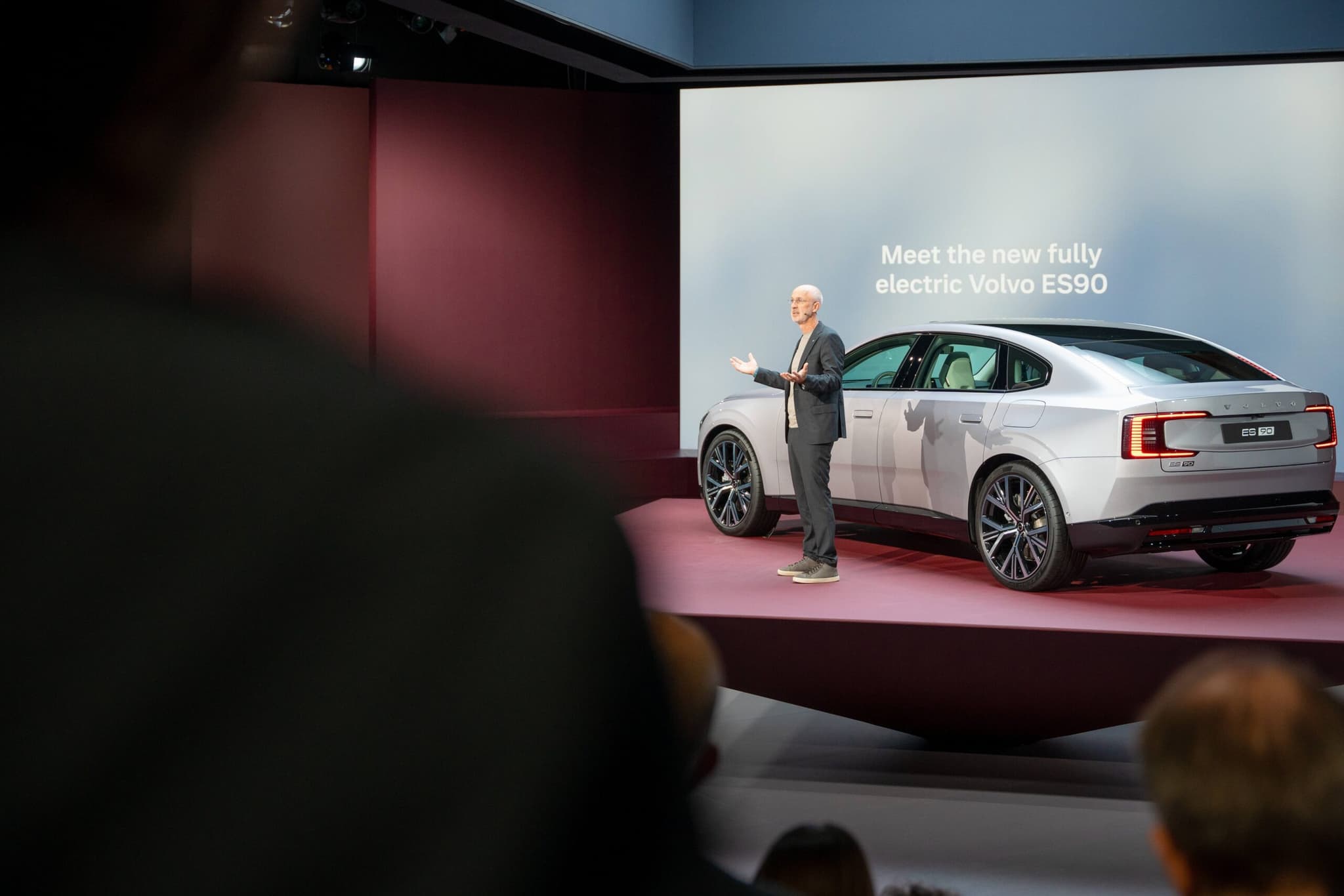
Despite the current financial headwinds, Volvo Cars reaffirmed its commitment to becoming a fully electric car company. In Q1 2025, 43% of Volvo’s sales were electrified (fully electric or plug-in hybrid), with fully electric vehicles accounting for 19% of sales. The company also launched its new fully electric ES90 sedan during the first quarter. However, given the increased uncertainties in the macroeconomic, geopolitical, and market environments, Volvo Cars has withdrawn its financial guidance for 2025 and 2026.
To follow Volvo Cars’ strategic developments, stay connected with EV.com. Want to help Volvo thrive? Explore our top deals on hybrid and electric Volvo models.
Comments
Categories
Related news
Subscribe for EV News and Reviews

AI Employee for Car Dealerships
Results in 30 days - Or We'll Give You Your Money Back