U.S. Set To Quadruple Major Tariffs By 100% on Chinese EVs
Biden Administration May Quadruple Tariffs On Chinese EVs Up From 25% To 100% By Next Week
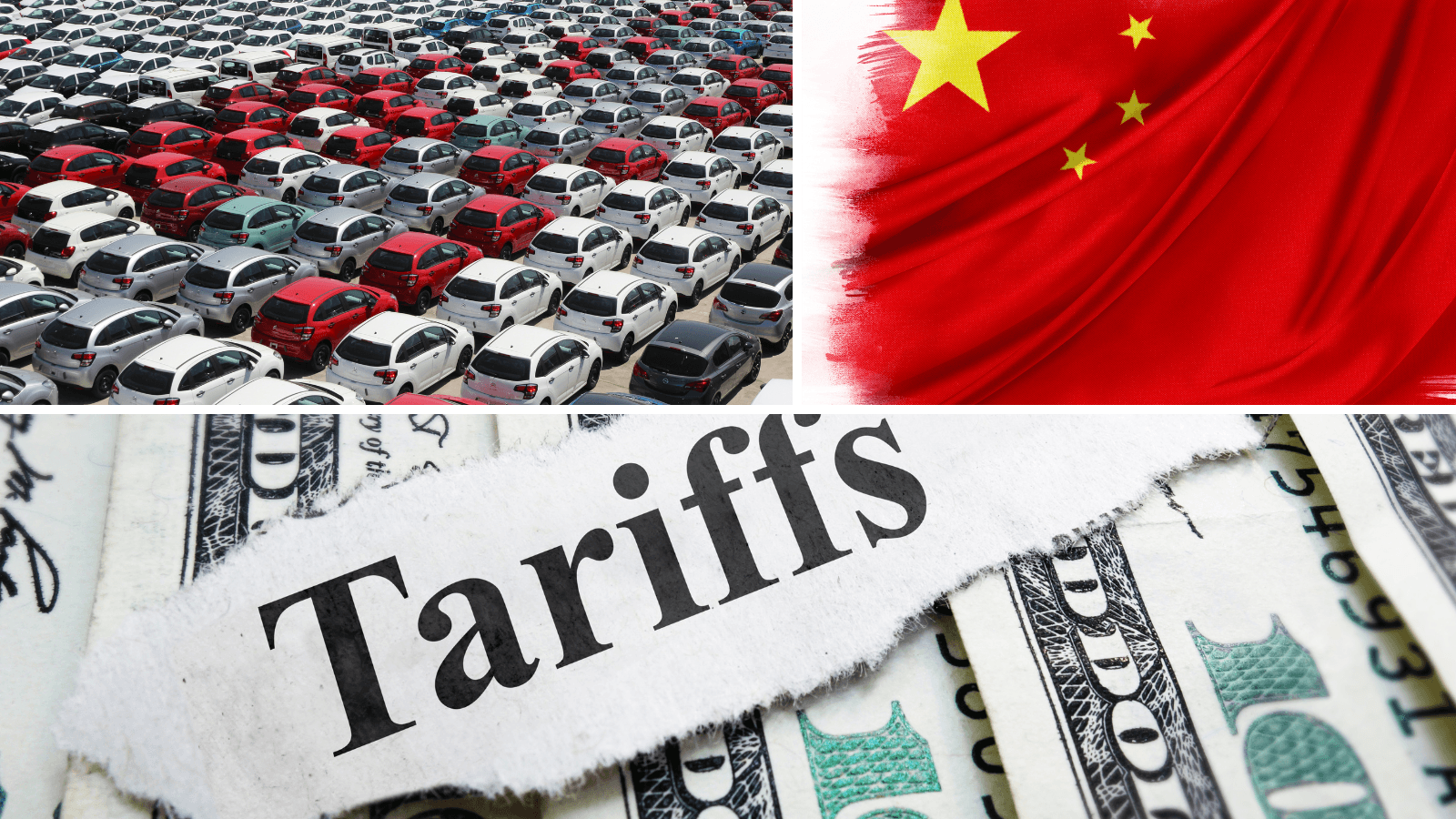
The Biden administration is preparing to announce new major tariffs on a range of Chinese imports, with one of them including electric vehicles (EVs). These tariffs come after a multi-year review of existing tariffs implemented under the previous administration according to the New York Times,
Tariff Quadrupling on Chinese EVs
The decision to impose tariffs, significantly on EVs, reflects increasing concerns within the Biden administration over China’s manufacturing “overcapacity” and its impact on domestic jobs with matters that a jump in low-priced Chinese EV exports could potentially undermine domestic EV manufacturing efforts and investments made through initiatives such as the Inflation Reduction Act.
Moreover, the Biden administration’s strategy includes quadrupling tariffs on Chinese EVs, possibly raising them from the current 25% to as high as 100%. This move could deliver potential outcomes of making Chinese EVs prohibitively expensive in the U.S. EV market, reflecting worries about their affordability and probable impact on U.S. auto manufacturers.
As a result, the Biden administration’s decision to quadruple tariffs could escalate trade tensions between the two countries, with China likely to respond to its actions. While the tariffs are intended to protect strategic sectors and domestic industries, they also risk triggering responsive measures and more general trade conflicts that create more tension that influences the global EV market.
Challenges for Chinese EV Manufacturers
Chinese EV manufacturers have expanded their production capacity in a rapid pace, bringing concerns about oversupply and export challenges. Notably, BYD’s $3.7 billion in direct government subsidies made the Chinese EVs more influential in the global EV market, reaffirming the aforementioned export challenges the U.S. has on an increasingly competitive EV market. Despite this, increased tariffs could limit Chinese EV manufacturers’ access to the U.S. market, impacting their growth trajectory and global ambitions.
Even though there is already bipartisan support for tougher measures against China’s exports, notably some Democratic officials has called for even more aggressive actions, such as banning Chinese EVs altogether and even overturn the Biden administration’s rules implementing the federal EV tax credit, highlighting the complexity of balancing economic interests with the situation at hand.
Uncertainty and Market Reaction
The impending announcement has prompted market uncertainty, with investors closely monitoring the situation and its potential impact on the sectors regarding EVs. While the full details of the tariffs remain unclear, the decision underlines the Biden administration’s aim to address its current economic challenges posed by Chinese EVs.
Despite escalating trade tensions, the U.S. and China have engaged in diplomatic efforts to stabilize their relationship. However, the imposition of new tariffs signals a renewed focus on addressing longstanding trade issues and ensuring fair competition in strategic industries.
The U.S. decision to impose tariffs aligns with broader international concerns about China’s trade practices, with the European Union (EU) also considering similar measures. The coordinated response reflects a growing consensus among industrialized nations about the need to address China’s market-distorting practices.
As the Biden administration prepares to reveal new tariffs on Chinese imports, including EVs and green energy products, the decision underscores the growing economic and geopolitical tensions between the world’s two largest economies. The move reflects broader concerns about China’s manufacturing practices and market dominance, shaping the trajectory of international trade relations in the coming months.
What Does This Mean For The U.S. EV Market?
These tariffs from the Biden administration could mean that the U.S. EV market will not get to enjoy any upcoming Chinese EVs anytime soon. With China’s massive EV market taking the rest of the world by storm, the U.S. may be the only one that does not budge.
Nevertheless, this could also be an opportunity for U.S. automakers to spice up their EV lineup without adding competition into the mix. Recent studies found that U.S. EV manufacturing facilities will produce around 5.5 million new EVs annually by 2027. With the U.S. expanding its EV market and charging infrastructure, EV owners could see more coming their way with more EV offerings and options.
With EVs being on the rise, the accessibility to foreign EVs for the U.S. EV market, especially to Chinese EVs still remains a challenge that has yet to be solved. Nonetheless, the transition to electric mobility is still being strengthened every day, and the potential regarding the future that we see Chinese EVs cruising down U.S. roads will be determined by how the U.S. and China see things from here.
Want to learn more about EV? Thinking of buying an EV? Head over to EV.com and discover more.
Comments
Categories
Related news


Subscribe for EV News and Reviews

AI Employee for Car Dealerships
Results in 30 days - Or We'll Give You Your Money Back