President Donald Trump has taken swift action to reverse course on America’s electric vehicle (EV) policies, signing an executive order titled “Unleashing American Energy” that fundamentally reshapes the federal government’s approach to vehicle electrification.
Trump Administration Reverses EV Policies
The executive order targets several cornerstone EV policies, notably eliminating the Biden administration’s goal of achieving 50% EV sales by 2030. While this target was never a legally binding mandate, it had served as a crucial signal to automakers and helped guide industry investment decisions. The order also instructs federal agencies to immediately halt the distribution of funds for EV charging infrastructure, affecting programs established under the Infrastructure Investment and Jobs Act and the Inflation Reduction Act.
The implications of these changes extend beyond simple policy reversals. The administration has directed the Environmental Protection Agency to reconsider federal emissions standards that would have required automakers to ensure between 30% and 56% of their vehicle sales were EVs by 2032.
California’s Emissions Waiver Targeted
Additionally, Trump has signaled intentions to challenge California’s special authority to set its own vehicle emissions standards – a waiver that currently allows the state and eleven others to phase out gasoline-only vehicle sales by 2035.
These policy changes arrive at a critical moment for the American automotive industry. The EV market has been gaining considerable momentum, with EVs now representing over 10% of total auto sales in the country.
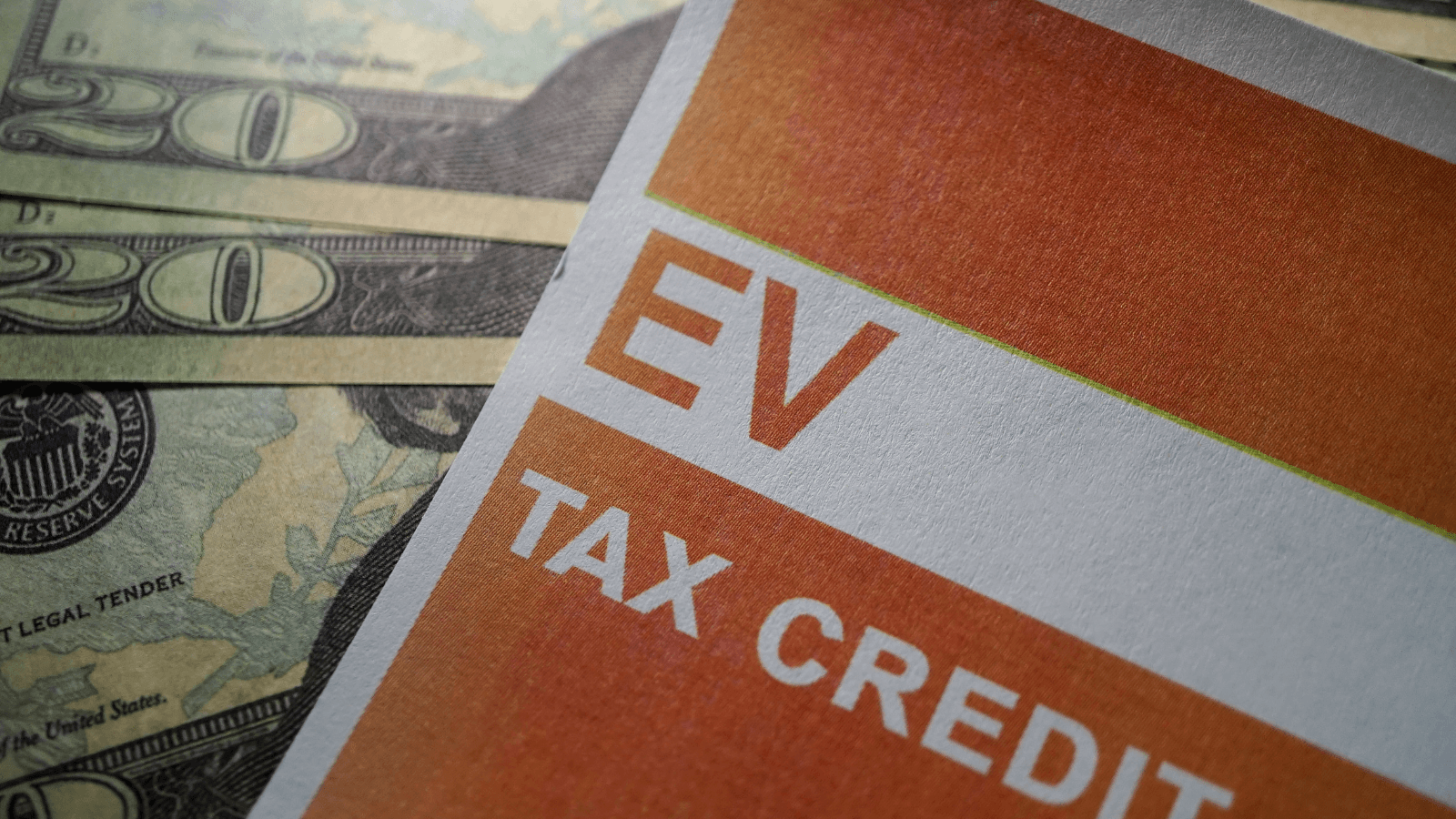
The impact on consumers could be substantial. The administration is considering eliminating the $7,500 federal tax credit for EV purchases, which has been instrumental in making EVs more affordable for middle-class Americans.
Infrastructure development faces particular challenges under the new directive. The U.S. requires more than 1.2 million public charging stations to support projected EV demand by 2030, but the pause in federal funding could particularly slow this expansion. This infrastructure gap may create additional barriers to EV adoption, particularly in regions without strong state-level support for charging networks.
Automakers Navigate Complex Pressures
However, the shift in federal policy may not completely derail the EV transition. 17 states, representing 40% of U.S. car sales, remain committed to California’s clean car programs. Furthermore, global market trends favor electrification, with many countries maintaining or strengthening their EV incentives and regulations.
The automotive industry now faces a complex landscape of competing pressures. While federal policy shifts away from EV support, automakers must still consider strong state-level commitments, growing consumer interest, and international market demands. Larger companies like Tesla and General Motors (GM) may be better positioned to weather these changes, while smaller automakers could face increased challenges in maintaining their EV programs.
Read More: California Plans $7,500 EV Rebate To Counteract Trump’s Potential Federal EV Tax Credit Elimination
The impact of these policy changes will likely become clearer in the coming months as states, automakers, and consumers adjust their strategies and expectations in response to the new regulatory environment. What remains certain is that the path toward vehicle electrification in the U.S. has entered a new and uncertain phase, with significant implications for environmental policy, industrial development, and consumer choice.
Want to learn more about EV? Thinking of buying an EV? Head over to EV.com and discover more.
Comments
Categories
Related news

Subscribe for EV News and Reviews

AI Employee for Car Dealerships
Results in 30 days - Or We'll Give You Your Money Back