True Cost of EV Ownership Over 5 Years
Think EVs save you money? We break down the true 5-year EV ownership costs, from charging to maintenance and resale value
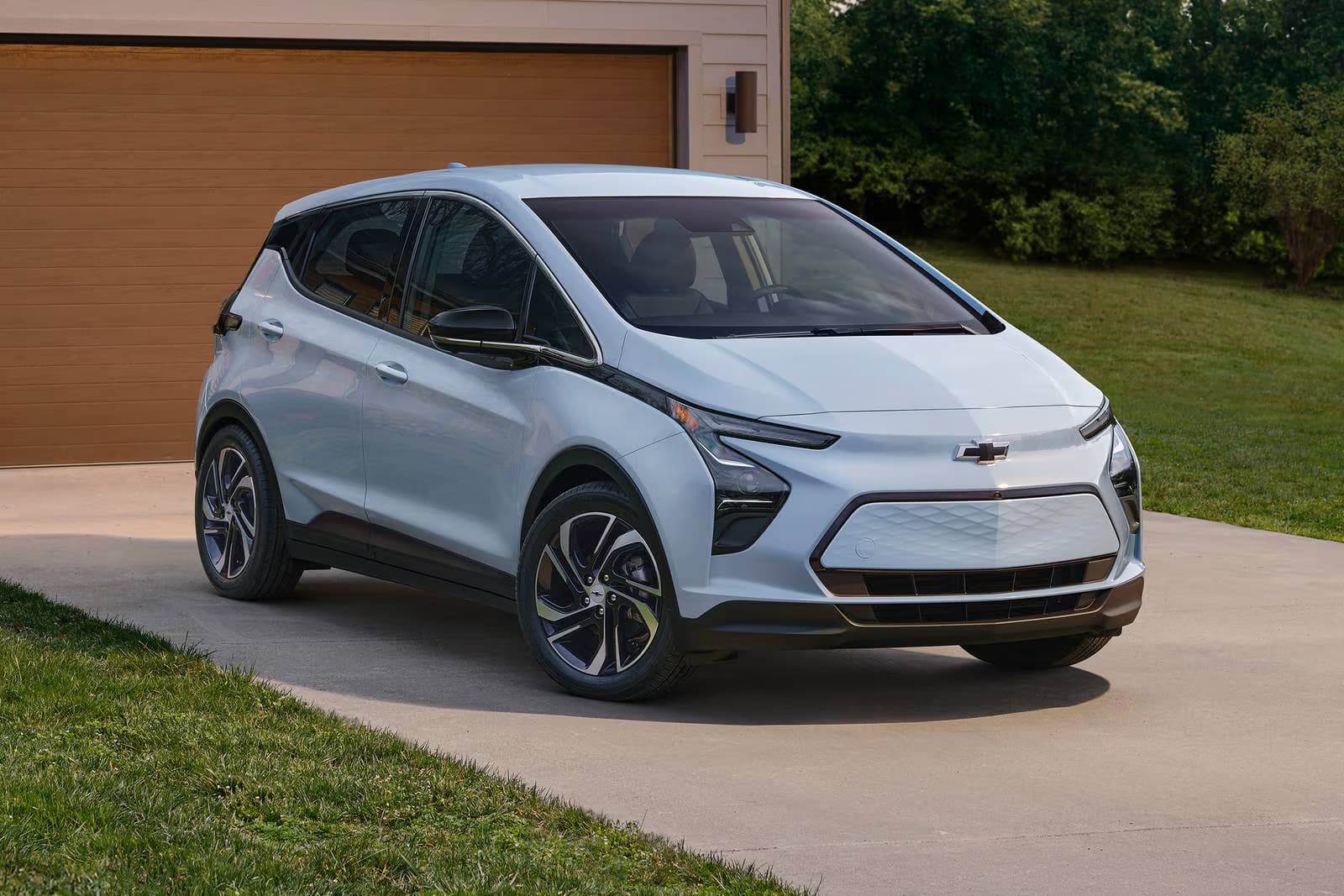
We’ve officially stepped into an era where electric vehicles are no longer seen as a brand-new, luxury technology. In fact, many EVs on today’s market are often priced lower than their internal combustion engine (ICE) counterparts, making them an attractive option for more and more drivers. But while the purchase price can be surprisingly affordable, another important question remains: how do EVs compare to traditional cars in terms of everyday running costs? Are they truly cheaper to own and operate, or do hidden expenses make them more costly over time? Let’s dive in and find out.
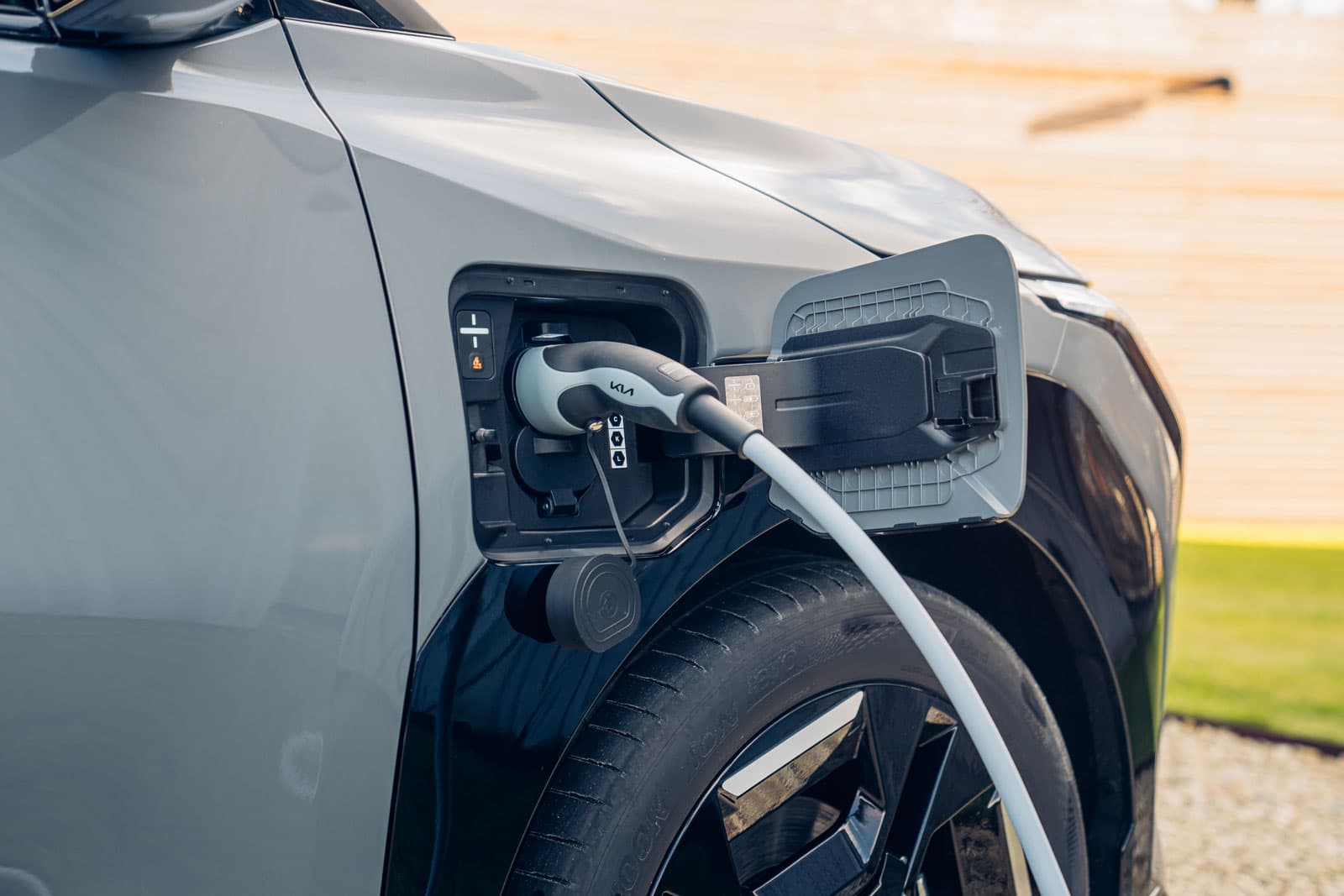
EV Charging Costs Compared to Gasoline
Let’s begin with the most obvious and unavoidable expense every car owner faces: the cost of keeping the vehicle powered. In this case, the numbers clearly show that an EV is a much more affordable option compared to a traditional gas-powered car. Even if you rely primarily on public fast-charging stations, which are usually more expensive than charging at home, your monthly charging costs will still average around $70. By contrast, filling up the tank of a gasoline car typically sets drivers back about $160 per month. That’s a difference of almost $90 every single month. Over the course of a year, this translates into savings of roughly $1,080 just by choosing electricity over gasoline and the savings can be even higher if you charge at home or use renewable energy sources.
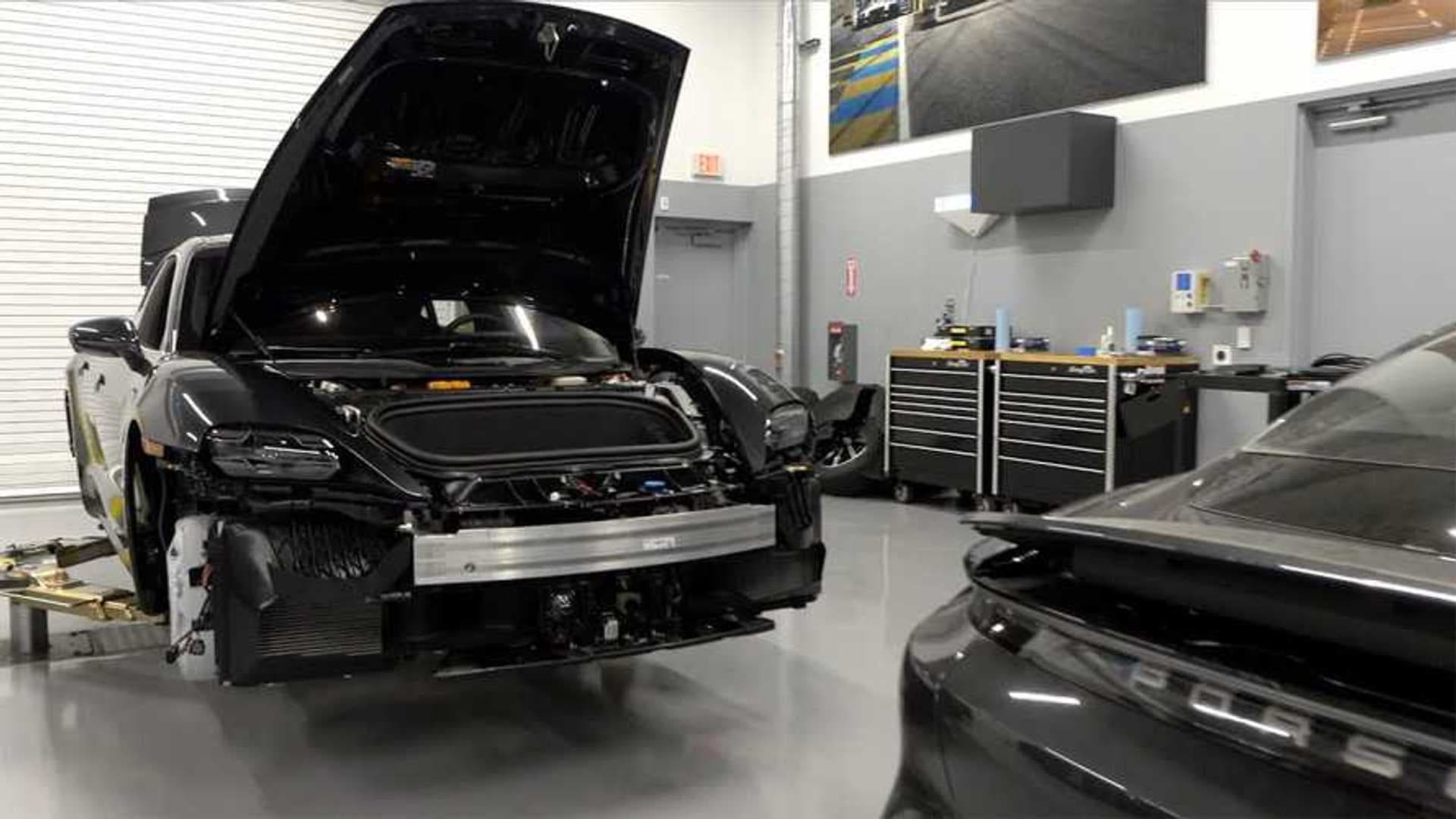
Maintenance Expenses: EVs vs. ICE Cars
When it comes to routine maintenance, the difference between EVs and traditional gas-powered cars is striking. A gasoline car requires frequent oil changes, filter replacements, and other engine-related services every 5,000–10,000 miles, which quickly adds up. Electric vehicles, on the other hand, are built with far fewer moving parts, meaning fewer things can wear out or break. The main areas that need attention are the battery, cooling system, brakes, and tires. Thanks to regenerative braking and the absence of an engine, service intervals are longer and costs are lower. On average, maintaining an EV costs about $150 per year, compared to $300–$380 for a gas or hybrid vehicle. Over a 10-year span, that’s a savings of several thousand dollars, making EVs not only simpler to own but also much friendlier to your wallet.
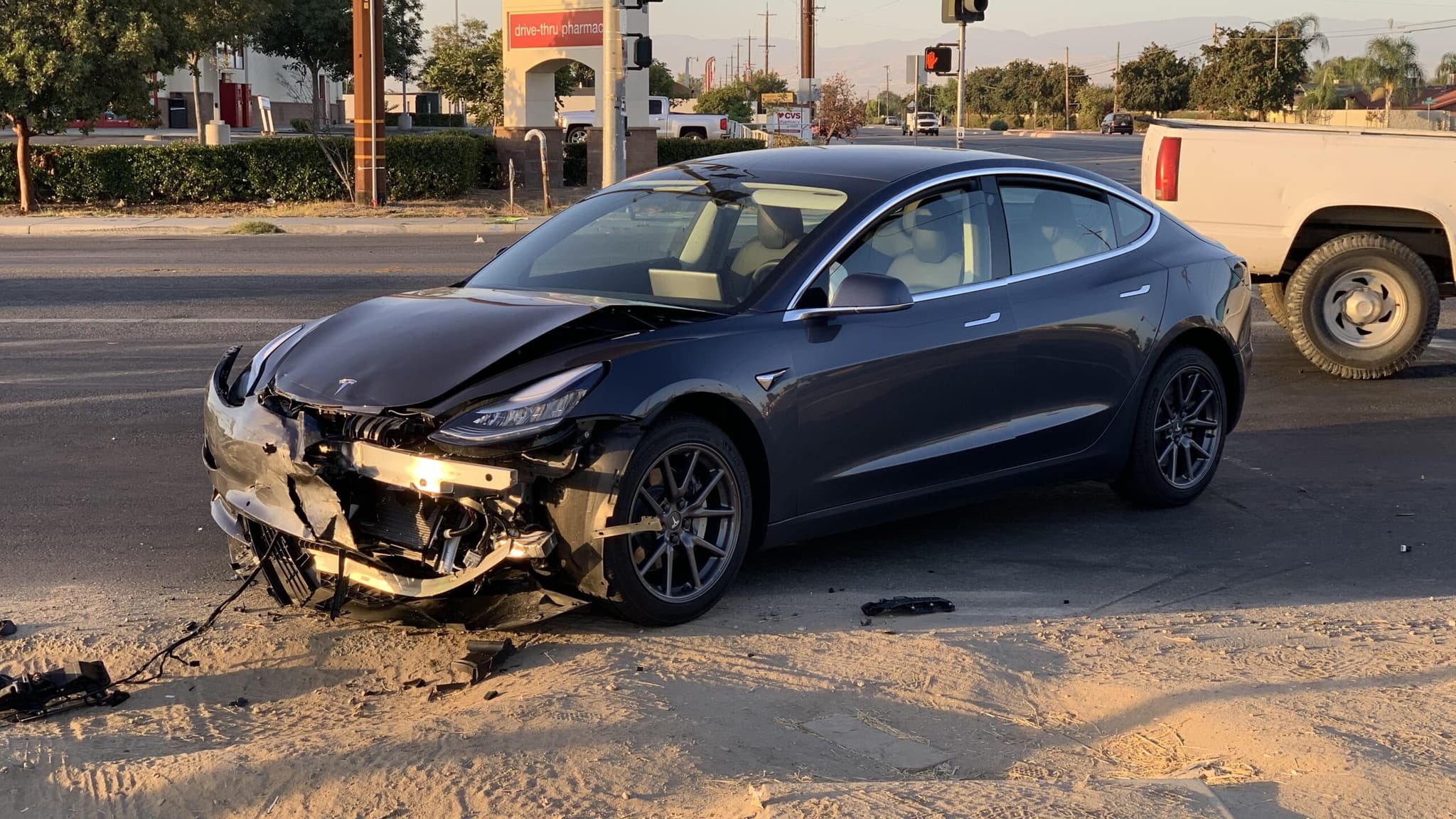
Insurance Cost Comparison: Electric vs. Gas Cars
Insurance is another key expense to consider when comparing EVs to traditional gas-powered cars. At first glance, coverage for both looks the same, liability, collision, and comprehensive protection, but EVs often carry slightly higher premiums. The main reason is their technology: expensive battery packs, advanced driver-assistance systems, and specialized repair needs drive up repair costs after an accident. For example, even a minor crash can damage an EV battery, with replacements costing $10,000 or more.
That said, EVs also bring advantages that help balance the scale. Thanks to their low center of gravity and top crash-test ratings, many insurers reward EVs with lower risk scores. Theft rates are also significantly lower compared to gas cars since EVs are harder to steal and often equipped with GPS tracking. As a result, the difference in premiums is not as dramatic as many assume. On average, EV insurance is only modestly more expensive, and in some cases, can even be cheaper when factoring in discounts for eco-friendly vehicles or advanced safety features.
Amortizing Ownership Costs: Electric vs. ICE Vehicles
When evaluating the true cost of owning a vehicle, it’s not enough to look only at fuel or maintenance. Depreciation is a crucial factor that can dramatically influence long-term affordability. And here, the difference between electric vehicles (EVs) and traditional internal combustion engine (ICE) cars becomes especially important.
While EVs generally save more on charging and maintenance, they tend to lose value faster than gasoline counterparts. This is largely due to rapid technological improvements, uncertainty about long-term battery performance, and limited demand in the used-car market compared to ICE vehicles. Gasoline cars, on the other hand, have more established resale values and therefore retain a greater percentage of their original price.
Take Porsche as an example. The all-electric Taycan and the gasoline-powered Panamera start in a similar price range: both hovering around the $80,000–$90,000 mark for entry-level trims and climbing well above six figures for higher variants. However, when it comes to amortizing costs over several years, the Panamera typically holds its value better. While the Taycan may deliver lower energy and maintenance expenses, its depreciation curve is steeper, meaning owners could lose more money when it’s time to resell. By contrast, the Panamera, despite higher fuel and servicing costs, generally retains value more consistently, softening the financial impact of ownership.
In short, EVs like the Taycan can be cheaper to run day to day, but ICE cars like the Panamera often win in the long run when resale value is factored in. That balance is what makes amortization one of the most decisive, yet overlooked, elements of total ownership cost.
EV.com Insight
On average, battery electric vehicles (BEVs) consistently deliver lower overall operating costs compared to similar internal combustion engine (ICE) cars. From energy expenses to routine maintenance, EVs clearly have the upper hand. That said, there are still two areas where ICE vehicles tend to lead: insurance rates and resale value. Insuring an EV often comes at a slightly higher price, and traditional cars generally hold their value better on the used market.
Even so, these exceptions don’t change the bigger picture: when it comes to everyday running costs, EVs are undeniably cheaper and more efficient than their gas-powered rivals.
Ready to start saving and make the switch to a modern EV? Visit our Search section, where we’ve gathered the best nationwide EV deals from certified dealers. With us, you’ll find a car you love and a purchase you can trust to be 100% safe.
Comments
Categories
Subscribe for EV News and Reviews

AI Employee for Car Dealerships
Results in 30 days - Or We'll Give You Your Money Back