Pros and Cons of Buying an EV Car: What You Need to Know
We break down the benefits and limitations of EV ownership so you can decide if it’s the right move for you.
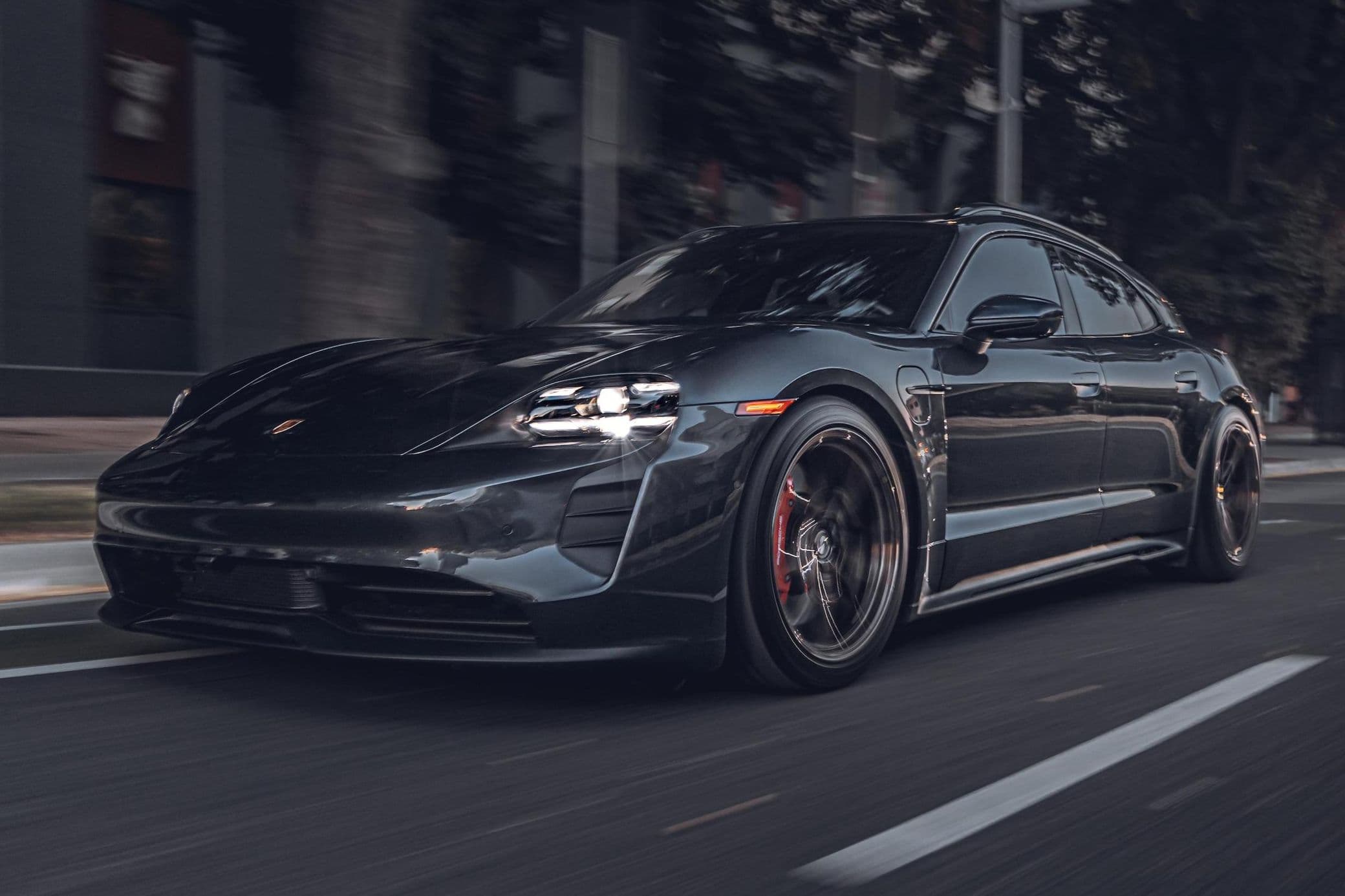
When choosing between an ICE, hybrid, or fully electric vehicle, EVs can appear unclear: why go electric instead of opting for a reliable, familiar gas-powered car that’s been around for decades? In this guide, we’ll walk you through the key factors to consider so you can see whether an EV truly matches your lifestyle, driving habits, and budget, or if sticking with a more conventional option makes more sense. And here’s a spoiler: some of the EV advantages and drawbacks may be ones you’ve never considered before, and they could completely change the way you look at your next car purchase.
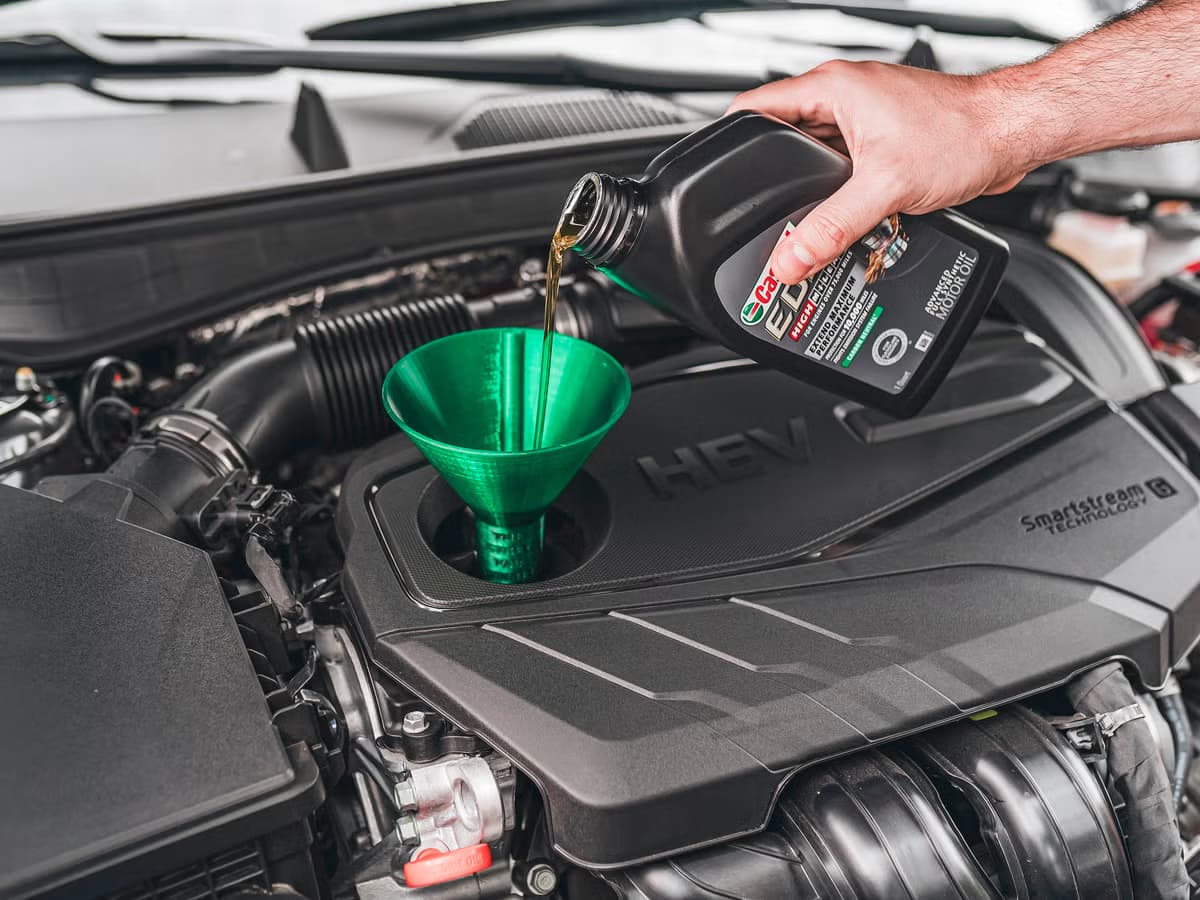
Pro: Say Goodbye to Costly Servicing and Fuel Expenses
While the average ICE car costs around $900 per year to service, EV maintenance averages only about $500 annually, nearly half the price compared to traditional engine vehicles. And that’s not the only area where EVs can save you money. Even if you rely on public fast chargers, powering your EV will set you back roughly $70, whereas filling up a gas-powered car costs about $158 on average: more than twice as expensive. These differences clearly show that the day-to-day running costs of an EV are significantly more affordable than those of an ICE vehicle, making the switch not just environmentally friendly, but financially smart too.
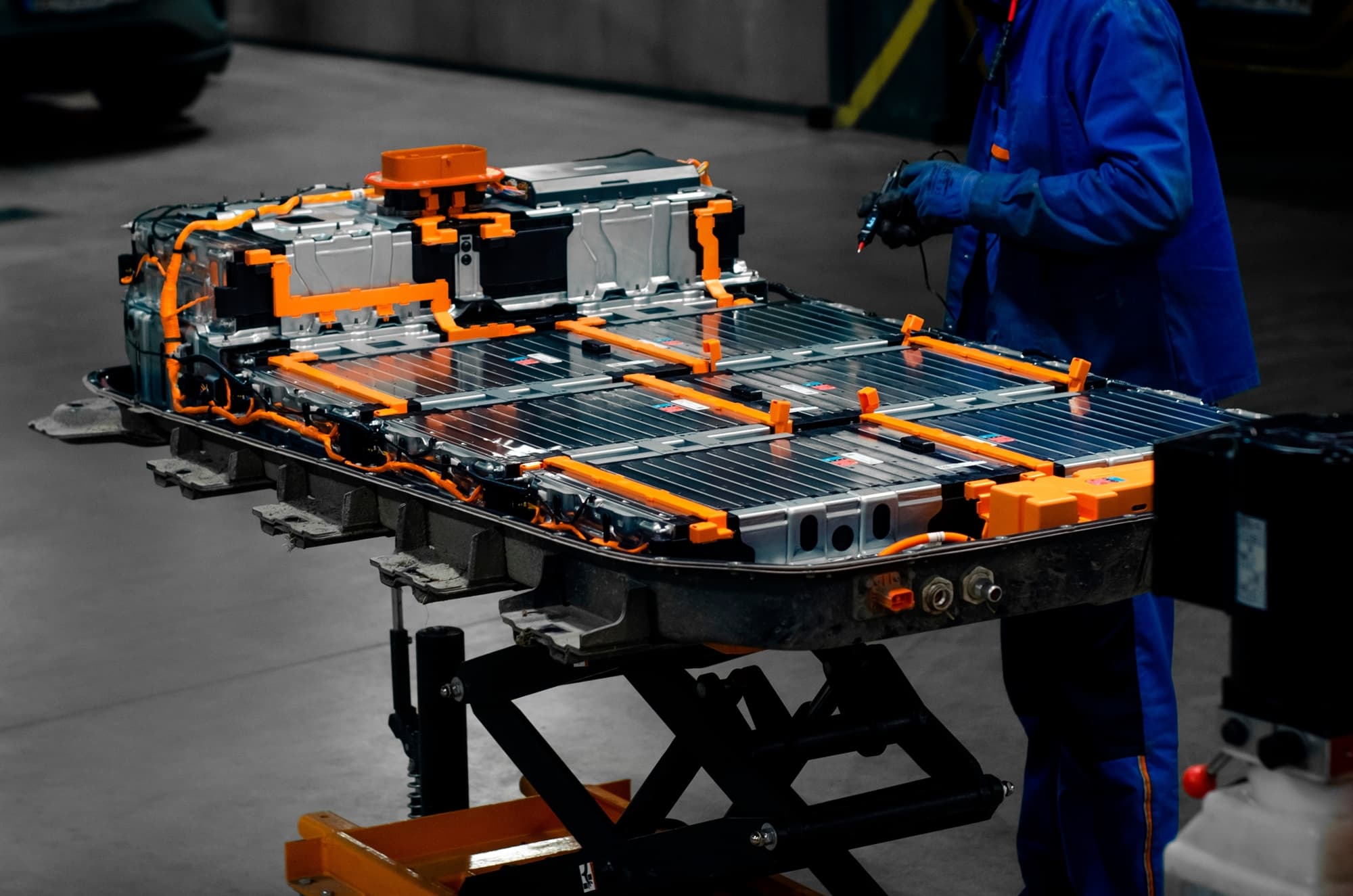
Con: High Replacement Costs for Key EV Parts
While routine maintenance for EVs is generally much cheaper than for ICE cars, certain repairs can be surprisingly expensive. The most costly component in any EV is its battery. Over time, as the vehicle is used, the battery gradually degrades, meaning fewer usable energy cells and, consequently, reduced total driving range. Unfortunately, the only complete solution to restore full capacity is to replace the battery entirely. This replacement can cost up to $16,000 before labor charges are even added. That’s why our advice is clear: always choose an EV with a valid battery warranty and, whenever possible, check the battery’s health before making a purchase.
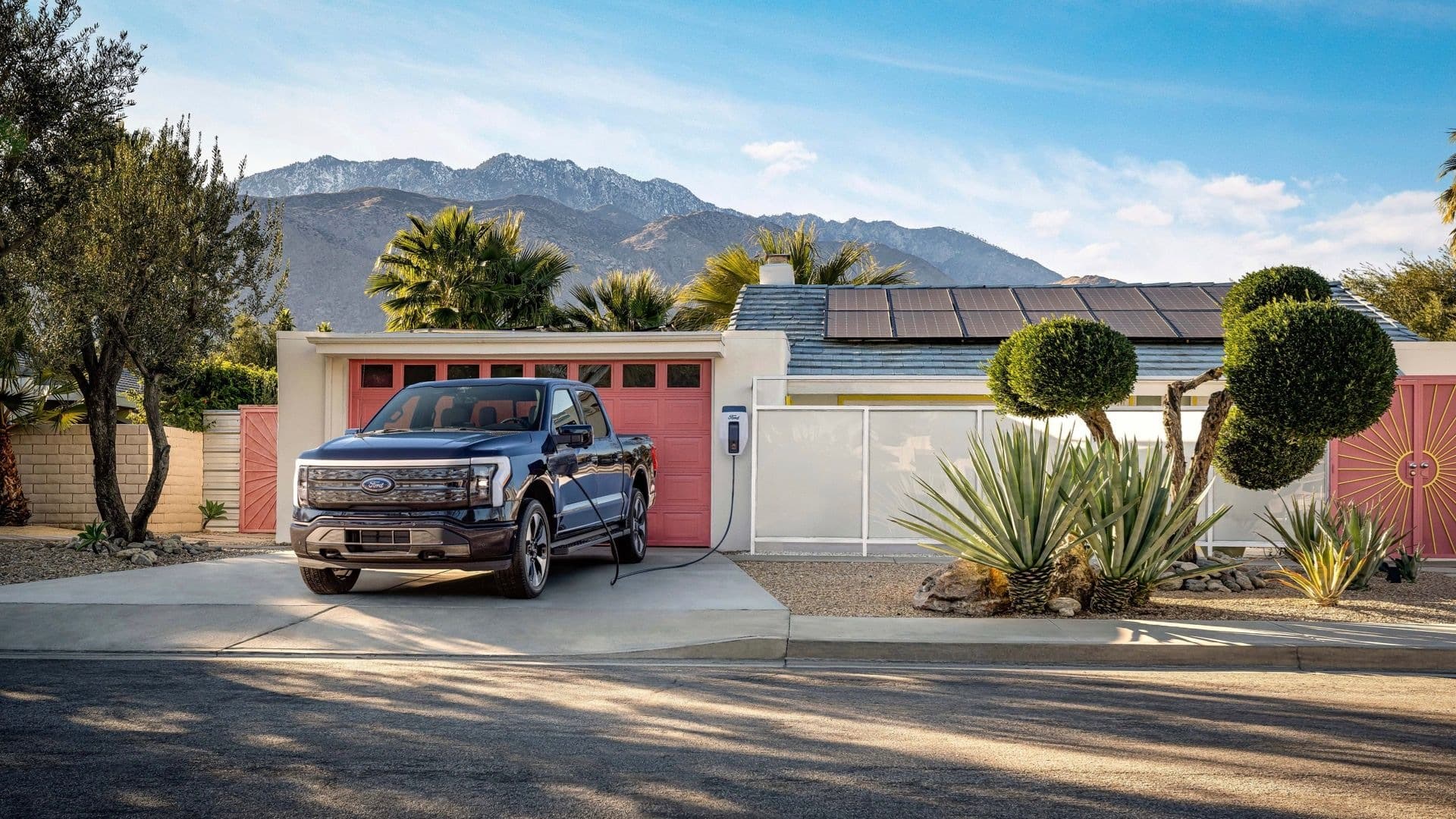
Pro: Power Your Home or Profit by Supplying Energy to the Grid
More and more EVs today come equipped with V2L (Vehicle-to-Load) capability, allowing owners to power external devices like a coffee machine, camping gear, or in some cases even another EV. But the technology doesn’t stop there, some models already feature full V2X (Vehicle-to-Everything) capability, unlocking far greater possibilities. With V2H (Vehicle-to-Home), your EV can supply electricity to your house, a particularly valuable feature during power outages. Even more impressive, V2G (Vehicle-to-Grid) capability enables your EV to feed power back into the grid during peak demand hours, potentially earning you real money in the process. Now, honestly: can you name a single ICE car that can do that?
Con: Still Can’t Match the Speed of a Gas Station Stop
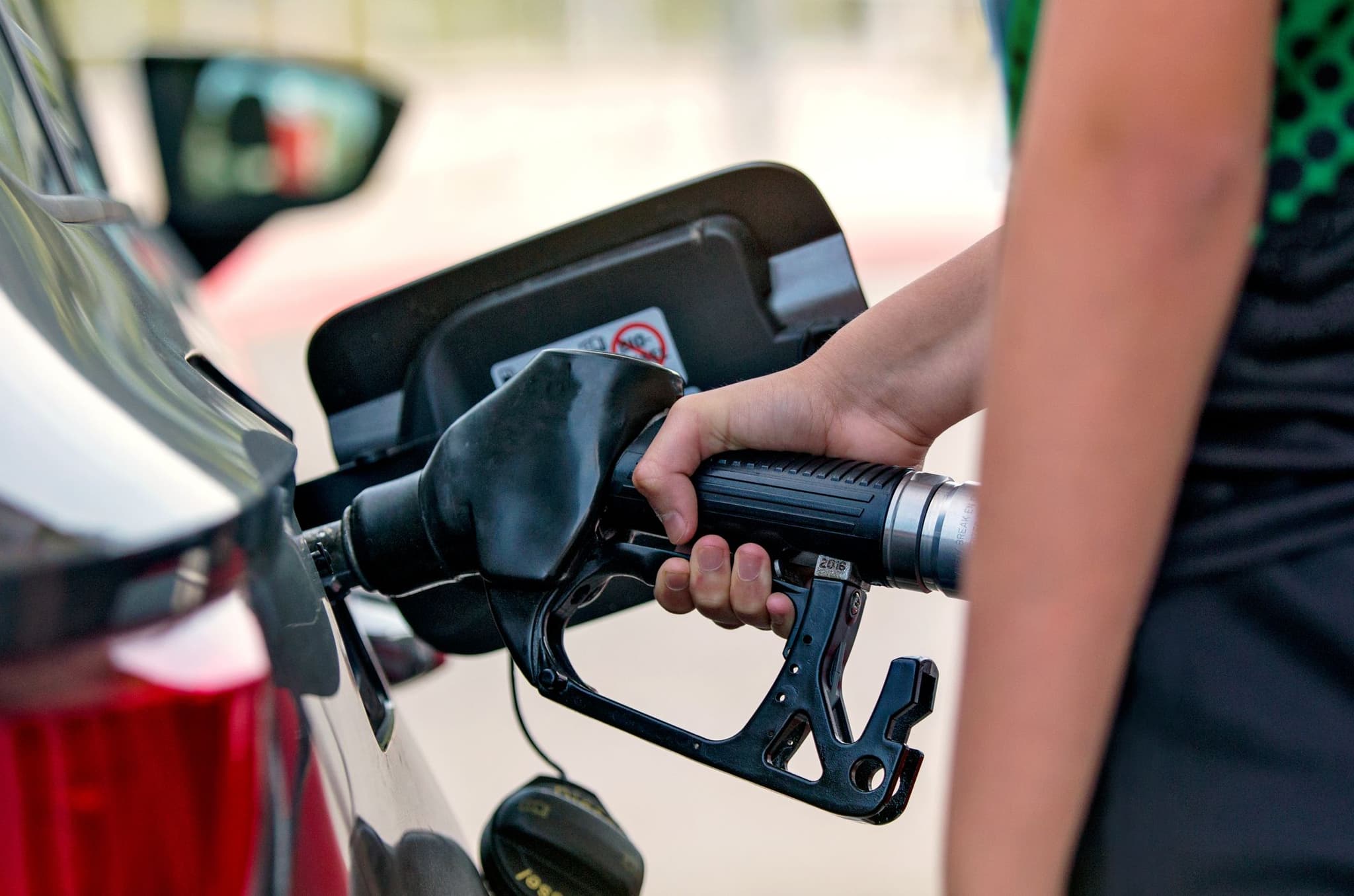
As we already know, charging an EV costs far less than fueling a traditional car. However, when it comes to time, EVs still lose some points. While an average fast-charging session takes about 40 minutes, refueling a gas-powered car takes roughly 5 minutes. The good news is that this gap may soon disappear entirely. Some Chinese battery manufacturers, such as CATL, have already showcased next-generation batteries capable of adding 300 miles of range in under 5 minutes, making them even quicker than a typical fuel stop. Although these batteries haven’t yet made it into production vehicles, their development signals a future where charging could actually be faster than refueling.
Pro: Wider Access to Tesla’s Fast-Charging Network for New EVs
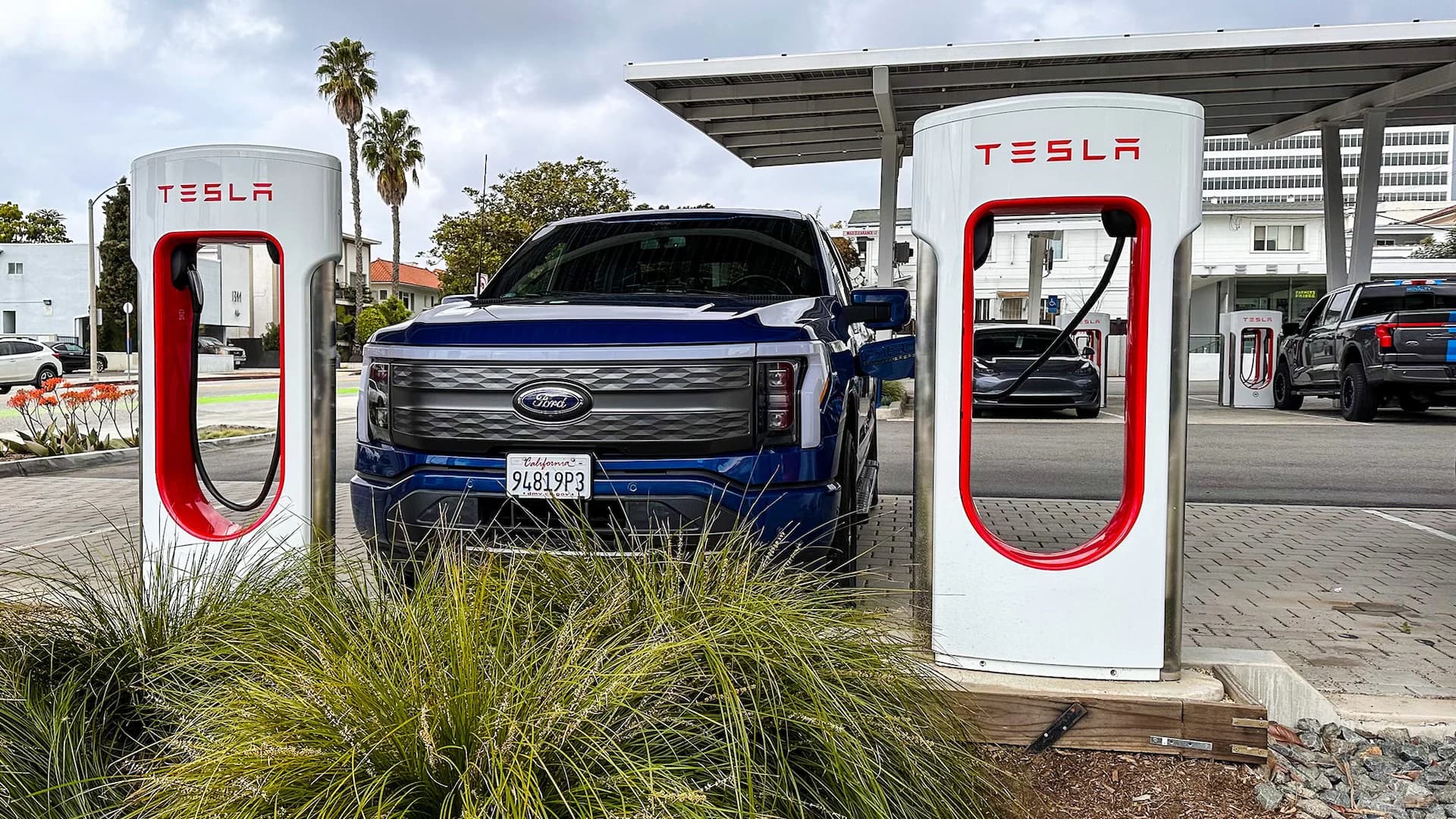
Before 2025, public fast chargers in the U.S. were not as widely adopted for EVs, with one major exception — Tesla. Thanks to its extensive Supercharger network, Tesla owners enjoyed a huge advantage, as they could rely on the largest and most reliable fast-charging infrastructure in the country. But 2025 marked a turning point. Tesla announced it would open its Superchargers to almost all EVs sold in the U.S., dramatically improving charging accessibility. On top of that, several automakers have already switched from the traditional CCS Type 1 connector to Tesla’s NACS port on their new models. As a result, finding a public charging station is no longer a challenge. The era of true charging freedom has arrived, welcome to the new world!
Con: Mileage Drops as the Battery Degrades
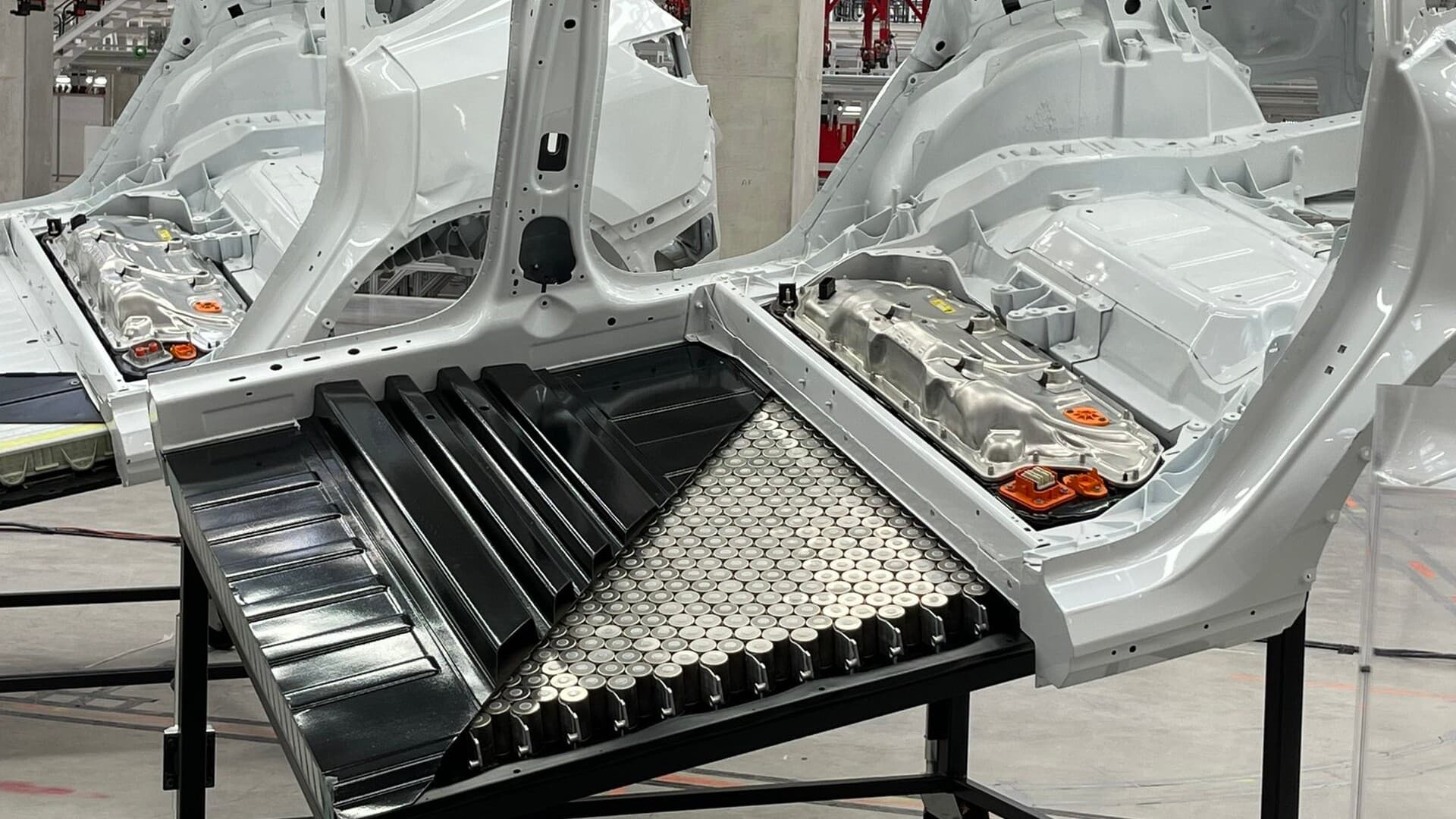
ICE cars tend to maintain roughly the same mileage per tank throughout most of their life. EVs, however, work differently, their range gradually decreases over time as the battery degrades with use. That said, there’s little reason to worry: while degradation is real, it’s far less aggressive than many expect. On average, EVs with over 90,000 miles still retain about 90% of their original battery health, which is an impressive figure. And if something does go wrong, such as the battery degrading faster than expected, you’re usually covered. Most manufacturers include a battery warranty, and in Tesla’s case, they’ll replace it for free if capacity drops below 70%.
EV.com Insight
We’ve compiled three pros and three cons of owning an EV in 2025, giving you a clear picture and a solid answer to whether an electric vehicle is the right choice for you. To recap: if you’re in the market for a used EV, avoid options without a valid warranty or those with high mileage, as battery replacement can be a costly risk. If EVs under warranty are outside your budget, it may be wiser to either opt for a newer model or stick with an ICE car for now. In all other scenarios, EVs stand out as not only more efficient but also more engaging and rewarding to own, making them an option well worth considering.
Comments
Categories
Subscribe for EV News and Reviews

AI Employee for Car Dealerships
Results in 30 days - Or We'll Give You Your Money Back