Used EV Buying Checklist
Buying a used EV? Our checklist helps you inspect battery health, charging history, and key tech to ensure a smart purchase.
Electric vehicles are becoming more popular than ever, but for many buyers, they still seem like unfamiliar technology packed with expensive parts and systems. With so many models on the market, it’s not always clear which ones offer true value and which might lead to regret. If you’re thinking about buying your ideal EV, this guide is for you. We’ll break down the key factors to consider before making a purchase, so you can make an informed decision, spot potential red flags, and know exactly which models are worth your investment.
Before You Decide…
Before you start searching for your next electric vehicle, it’s essential to understand where and how to look. Popular platforms offer a wide range of EVs, but be cautious — scammers and fraudsters are out there, ready to deceive unsuspecting buyers. Always examine the price: if a car seems unusually cheap for its condition or mileage, consider it a red flag. To avoid risks entirely, we strongly recommend using our Search section. We feature listings only from verified sellers, ensuring your money is safe and you’re dealing with trusted sources. Now, let’s explore how to avoid choosing the wrong EV.
How to Avoid Buying a Bad EV: Key Tips for Smart Shoppers
How do you make sure your EV doesn’t become a headache the day after buying it? It’s actually simpler than it sounds. In this section, we’ve put together a clear checklist to guide you through the key things to check before making a purchase and help you avoid the most dangerous traps. Let’s dive into how to choose the right EV the smart way.
Tip 1: Make Sure the EV Still Has a Valid Warranty
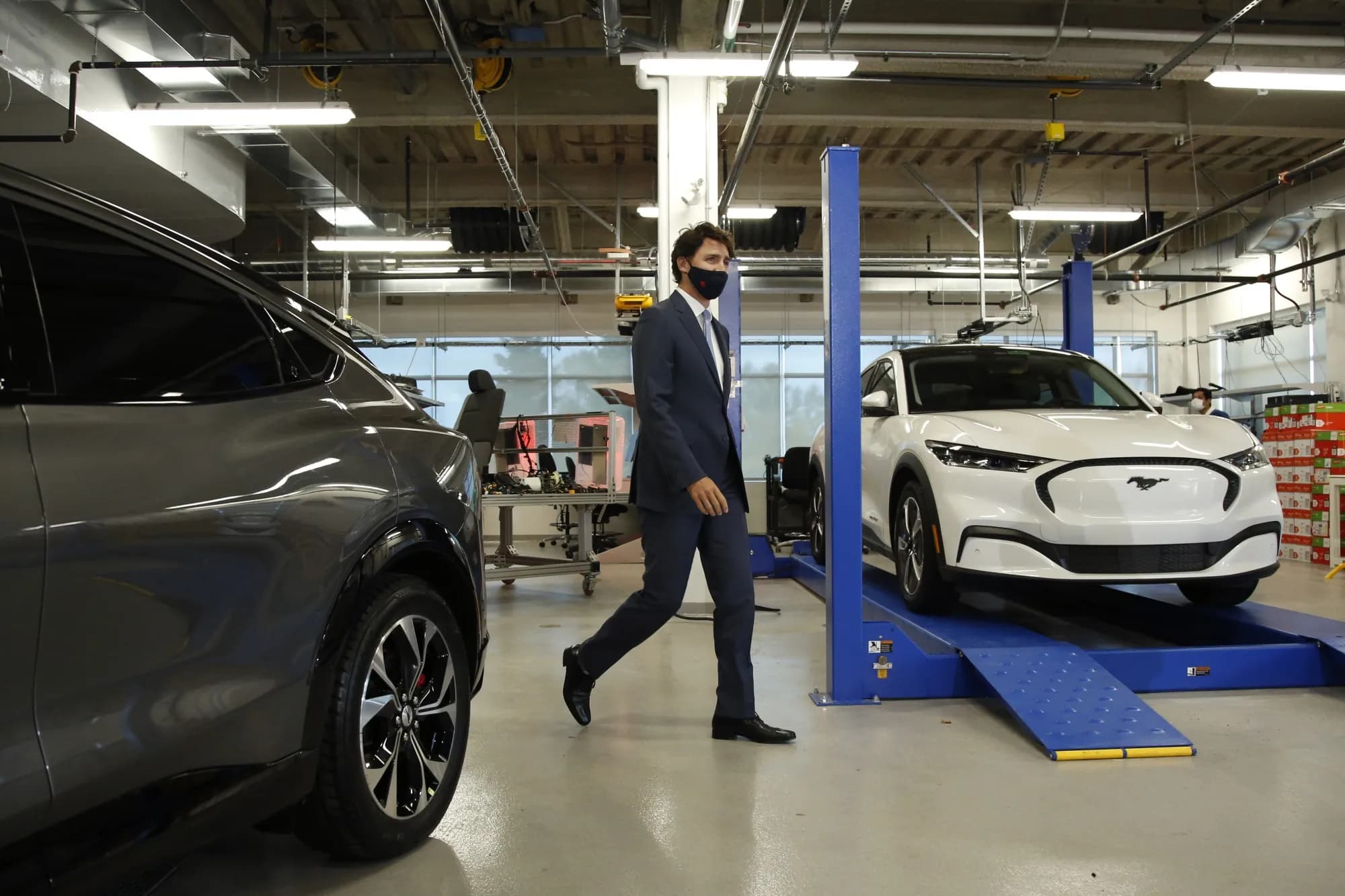
Even the most reliable electric vehicles can eventually run into serious problems. If the warranty has already expired, you’ll be responsible for paying out of pocket for any costly repairs. That’s why it’s essential to confirm the EV you’re buying still comes with a valid warranty. Keep in mind that EVs typically include two different types of coverage: a limited warranty, which applies to the entire vehicle and usually lasts for around 48 months or 50,000 miles; and a battery & powertrain warranty, which covers major components like the battery and electric motors, typically valid for 96 months or 100,000 miles. Our advice is to choose an EV with both warranties still active. But if that’s too expensive, at the very least make sure the battery and powertrain warranty is still valid. Otherwise, if the battery fails, you could end up paying as much as $16,000 for a replacement.
Tip 2: Don’t Skip the Battery Check
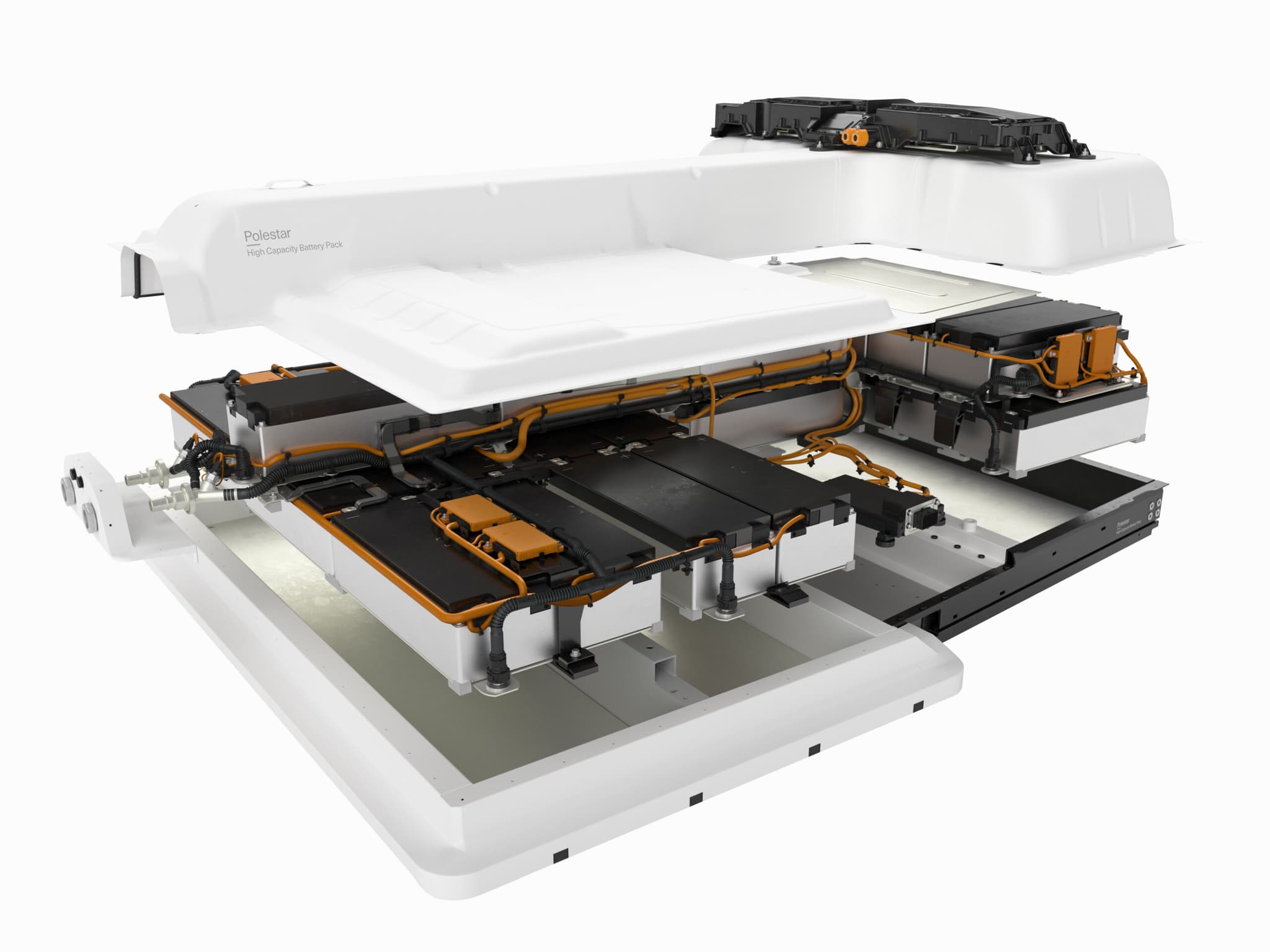
Before getting excited about the design or features, make sure to examine what really powers the vehicle — the battery. It’s important to know how healthy it is, how many charging cycles it has been through, and whether it still holds a charge close to its original capacity. You can check the battery condition using diagnostic tools or, in some cases, directly through the car’s media system. Tesla, for example, offers a built-in test in its settings: if you leave the car charging for 24 hours, it will show you how much usable battery capacity remains and whether it’s time for a replacement. Poor battery health = poor investment.
Tip 3: Always Review the Vehicle’s Full History
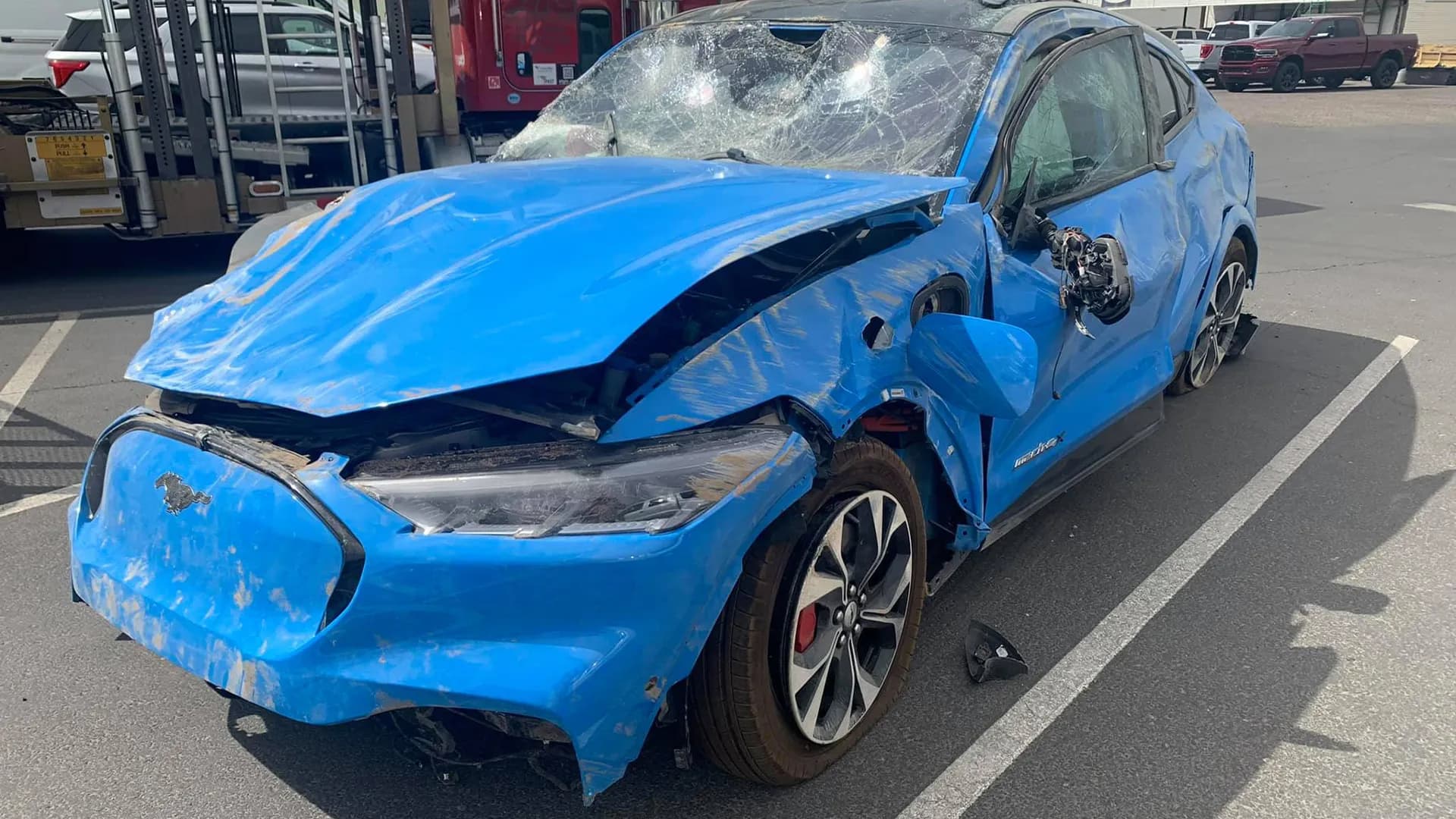
Before buying any used electric vehicle, it’s critical to review its full service history, accident records, and mileage. Here’s why: EVs are especially vulnerable to serious structural damage, and any impact involving the battery can lead to dangerous consequences later on. We’ve seen cases where EVs repaired after major collisions ended up catching fire and being destroyed. That’s why it’s essential to avoid cars with any signs of battery-related damage, even if repairs were done. A clean record isn’t just a bonus — it’s a key indicator that the EV is a safe and reliable investment.
Tip 4: Watch Out for High Mileage
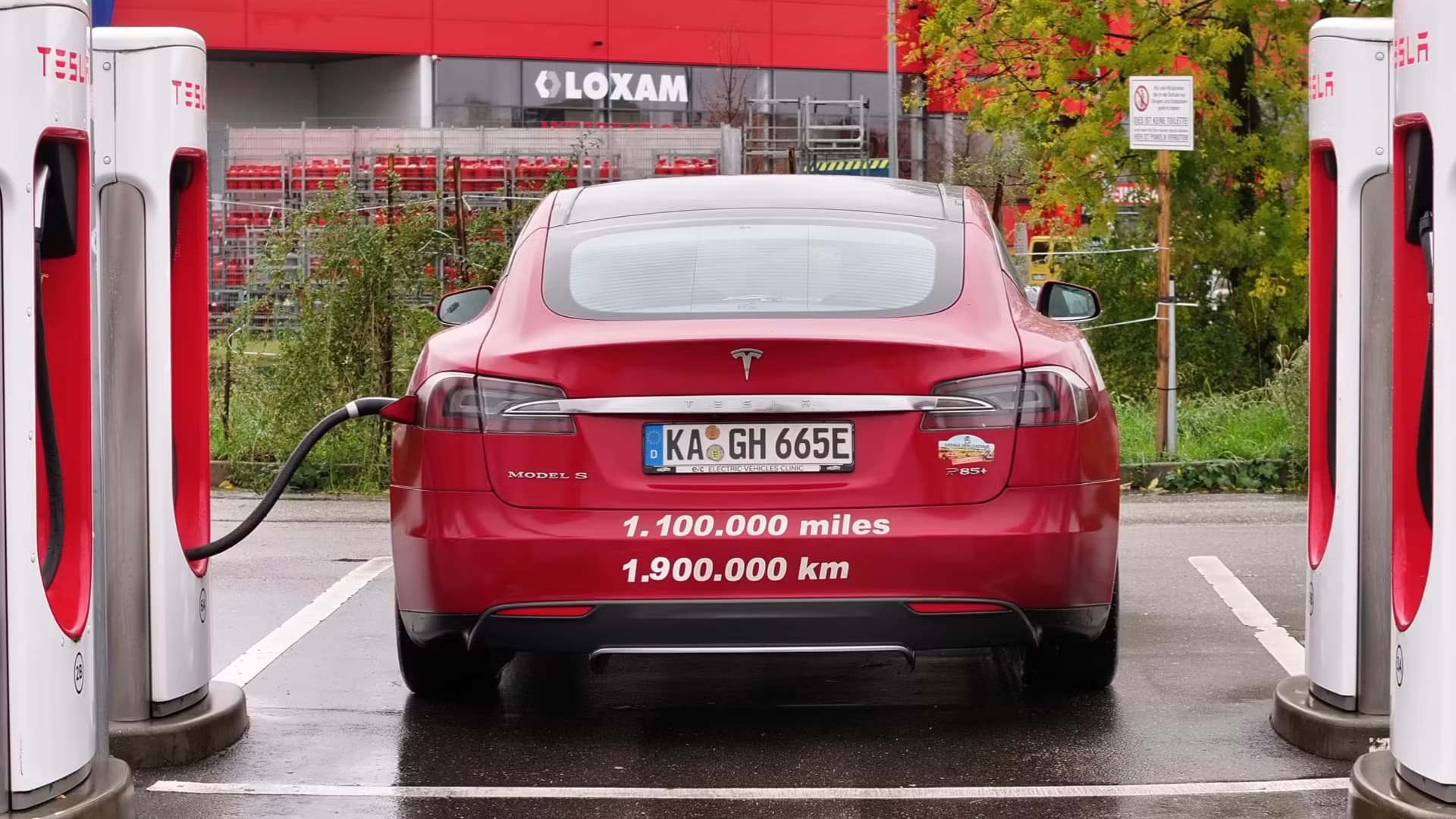
While EVs can be durable, high mileage usually means more wear on both the battery and drivetrain. Be careful with vehicles that have over 100,000 miles — they may come at a lower price but could bring significant costs later. At higher mileages, EVs are more prone to needing battery replacements, motor servicing, and even differential oil changes (yes, EVs do use oil in their differentials). So, while a high-mileage EV might seem like a bargain, the increased risk of major maintenance can quickly turn that deal into an expensive mistake.
Tip 5: Verify the Charging Functionality
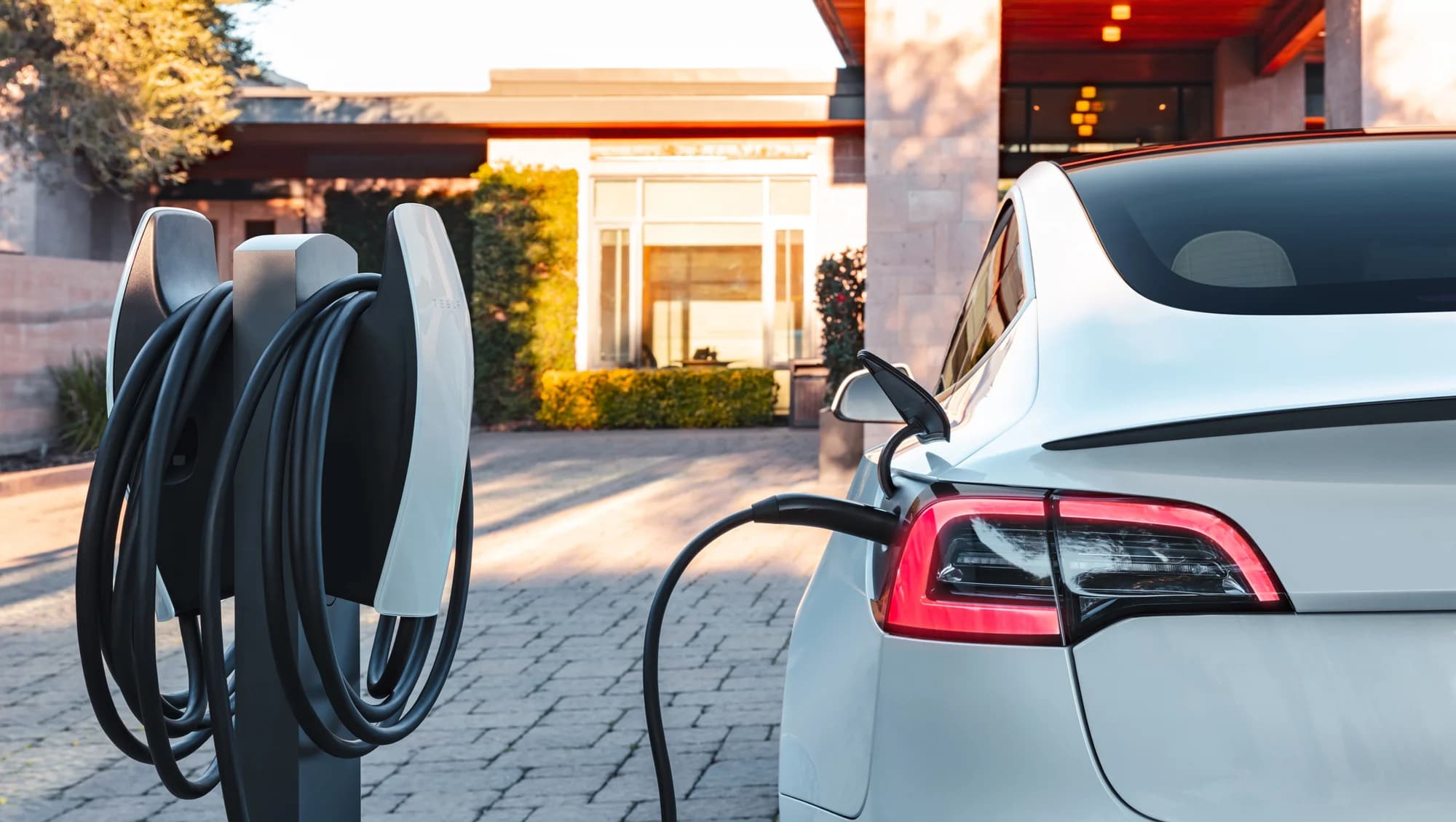
Before making a purchase, ensure the EV charges correctly at both home and public stations. Charging is a critical aspect of EV ownership, so it’s important to check how the car performs on both slow AC home chargers and fast DC public chargers. If the vehicle charges significantly slower than the manufacturer’s specifications or shows charging errors, that’s a major red flag. Faulty charging systems or outdated hardware can lead to frustrating experiences and costly repairs down the line.
EV.com Insight
The used EV market is more crowded than ever, offering a wide range of choices for buyers. But with that variety comes a fair share of risk. Without careful inspection and proper understanding of how EVs work, it’s all too easy to end up with a car that drains your wallet with constant repairs — or worse, one that fails entirely shortly after purchase.
We hope this guide gave you the practical tools and insights you need to confidently spot a solid used EV and avoid the most common (and costly) pitfalls. Taking the time to check battery health, warranty status, charging function, and mileage can make all the difference between a smart purchase and a regretful one.
Still unsure which electric vehicles deserve your attention this year? Be sure to check out our in-depth article on the best EVs to buy in 2025 — it’s packed with top picks and expert tips to guide your decision.
Comments
Categories
Subscribe for EV News and Reviews

AI Employee for Car Dealerships
Results in 30 days - Or We'll Give You Your Money Back