Toyota’s bZ EV Is Outselling the Prius. Here’s Why.
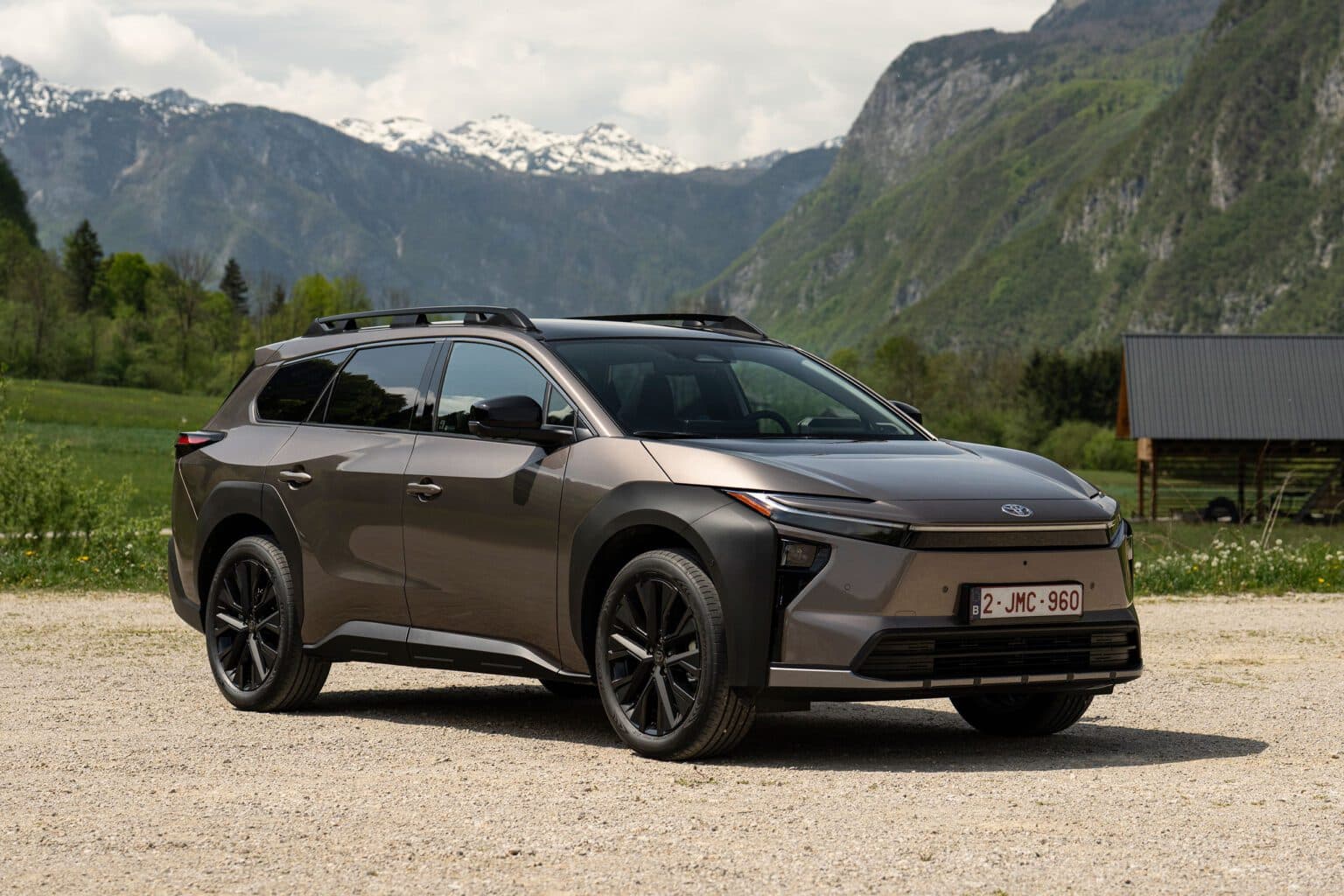
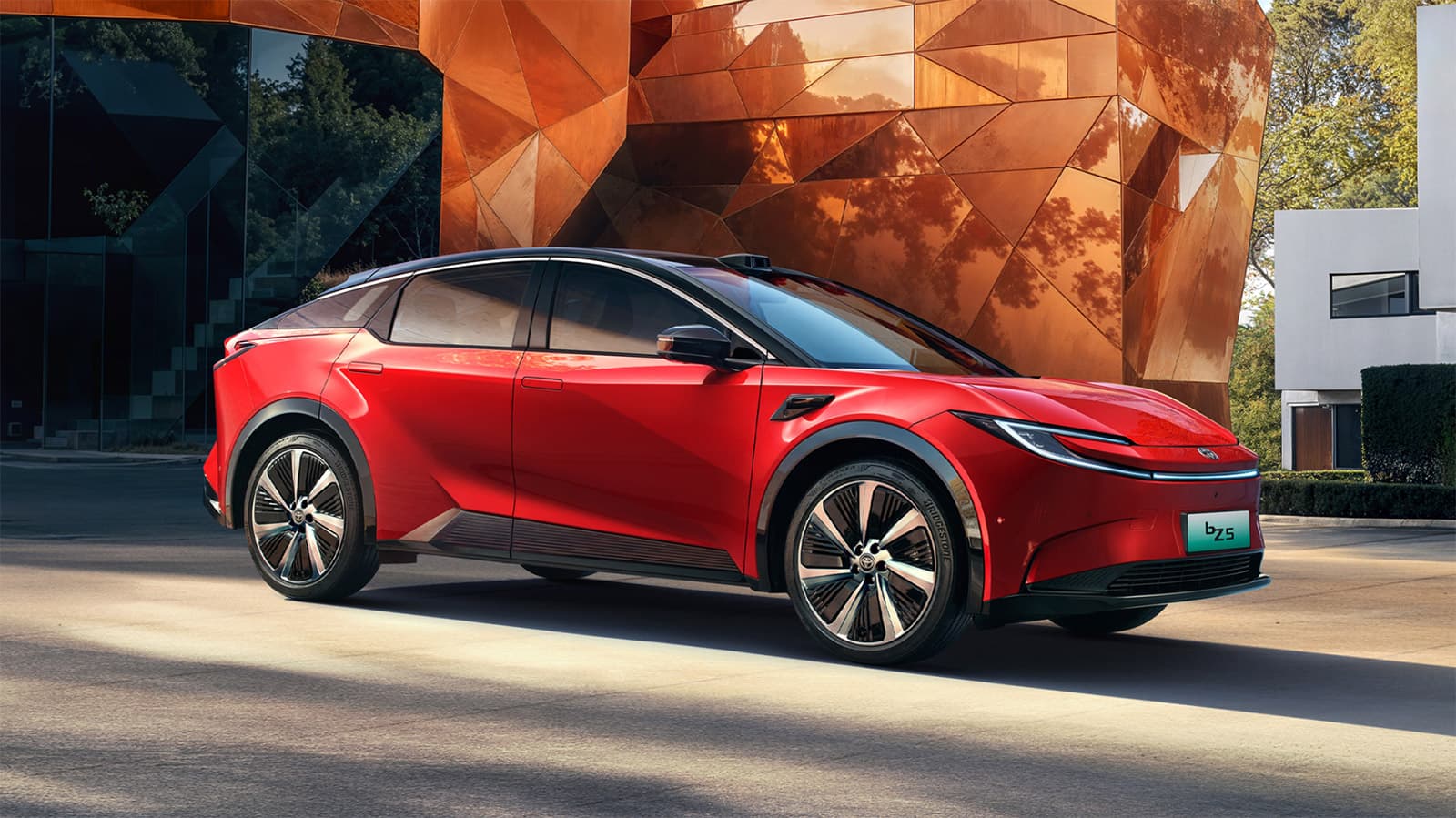
Toyota’s redesigned bZ electric crossover has overtaken the Prius in U.S. sales during the first quarter of 2026, marking a notable shift in consumer preferences as buyers increasingly choose battery-electric crossovers over traditional hybrid hatchbacks.
Toyota sold just over 10,000 bZ models during the quarter, an increase of nearly 80% from a year earlier. Prius sales, meanwhile, fell by more than 40% to just under 10,000 units. Together, hybrids, plug-in hybrids, and battery-electric vehicles now account for well over half of Toyota’s U.S. sales.
A different kind of Toyota buyer
The Prius remains one of the industry’s benchmark hybrids.
The current generation introduced a more powerful 2.0-liter hybrid system producing 196 horsepower while maintaining fuel economy in the mid-50 mpg range. Toyota also gave the model a more athletic design and a significantly improved interior compared with its predecessor.
Even with those improvements, the market has increasingly favored crossover SUVs over traditional passenger cars, according to Autoblog.
That trend has worked in the bZ’s favor.
Rather than offering a low-slung hatchback, the bZ delivers the higher seating position, cargo space, and crossover styling that continue to attract many North American buyers. Toyota also refreshed the model’s exterior styling, bringing its appearance closer to newer vehicles such as the Camry and RAV4.
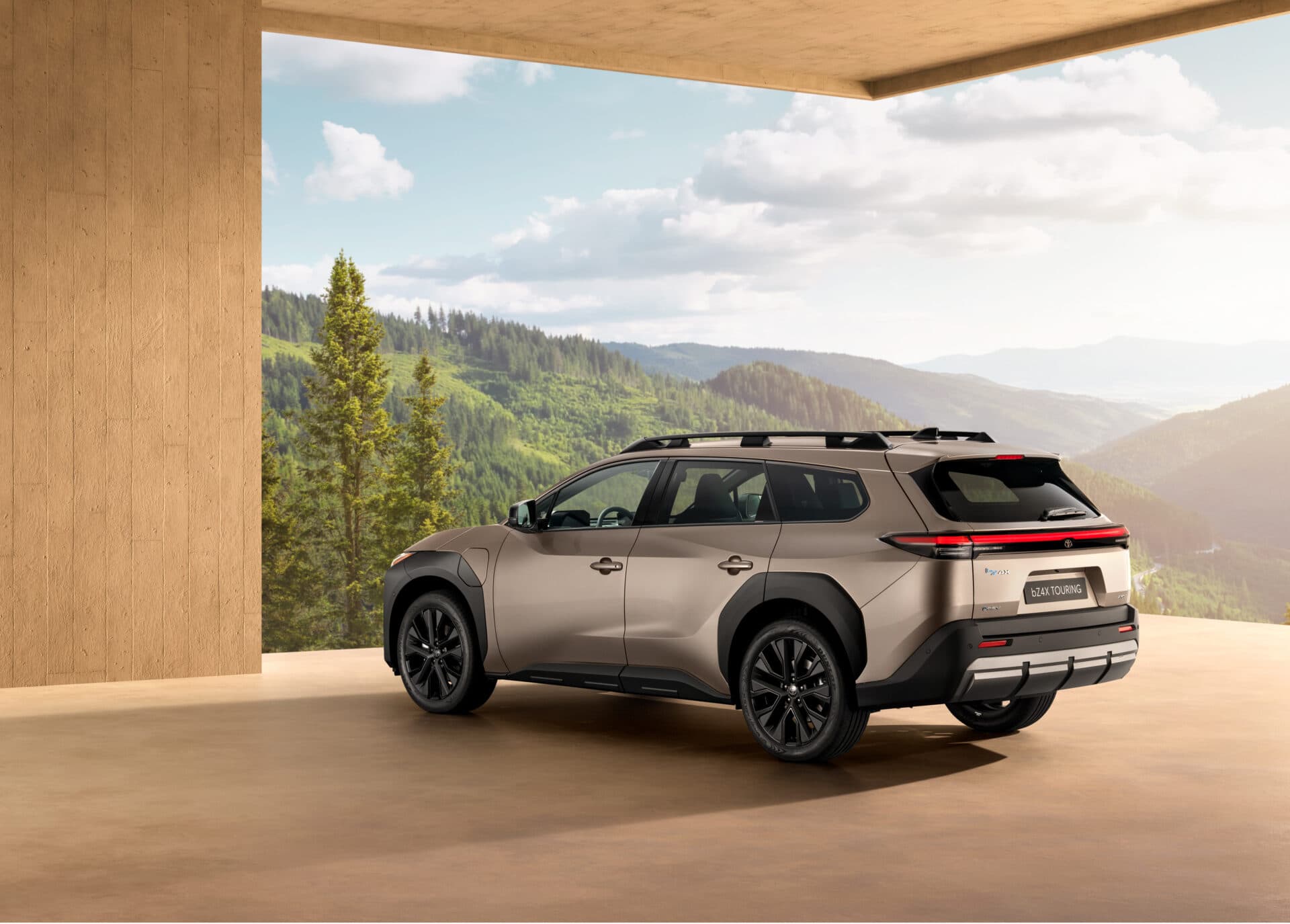
Technology narrows the gap with rivals
The updated bZ also arrives with several features that make it more competitive in today’s EV market.
Depending on the configuration, the crossover is available with either front-wheel drive or dual-motor all-wheel drive producing more than 300 horsepower. It offers up to about 290 miles (467 km) of driving range, supports DC fast charging from 10% to 80% in approximately 26 to 30 minutes, and now includes a native North American Charging Standard (NACS) port for access to Tesla Superchargers and other compatible charging networks.
With a starting price of $36,350, the bZ is also positioned below the Tesla Model Y’s base price in the United States.
The Prius continues to play an important role in Toyota’s electrification strategy, particularly for buyers who prioritize fuel efficiency and long-distance convenience. However, the first-quarter sales figures suggest growing demand for fully electric crossovers that combine familiar SUV practicality with expanding charging infrastructure.
The shift does not signal the end of the Prius. Instead, it reflects how consumer demand is evolving as Toyota broadens its electrified lineup to include both hybrid and battery-electric vehicles.
EV.com tracks the evolving EV collector space and performance electric vehicles hitting the market. Explore our listings to find the best EVs in your area available today.
Comments
Categories
Related news
Subscribe for EV News and Reviews

AI Employee for Car Dealerships
Results in 30 days - Or We'll Give You Your Money Back