Toyota Introduces 2026 bZ EV With Longer Range, Native NACS Port
The Toyota bZ EV is aiming to be the electric vehicle that the bz4X could have been.
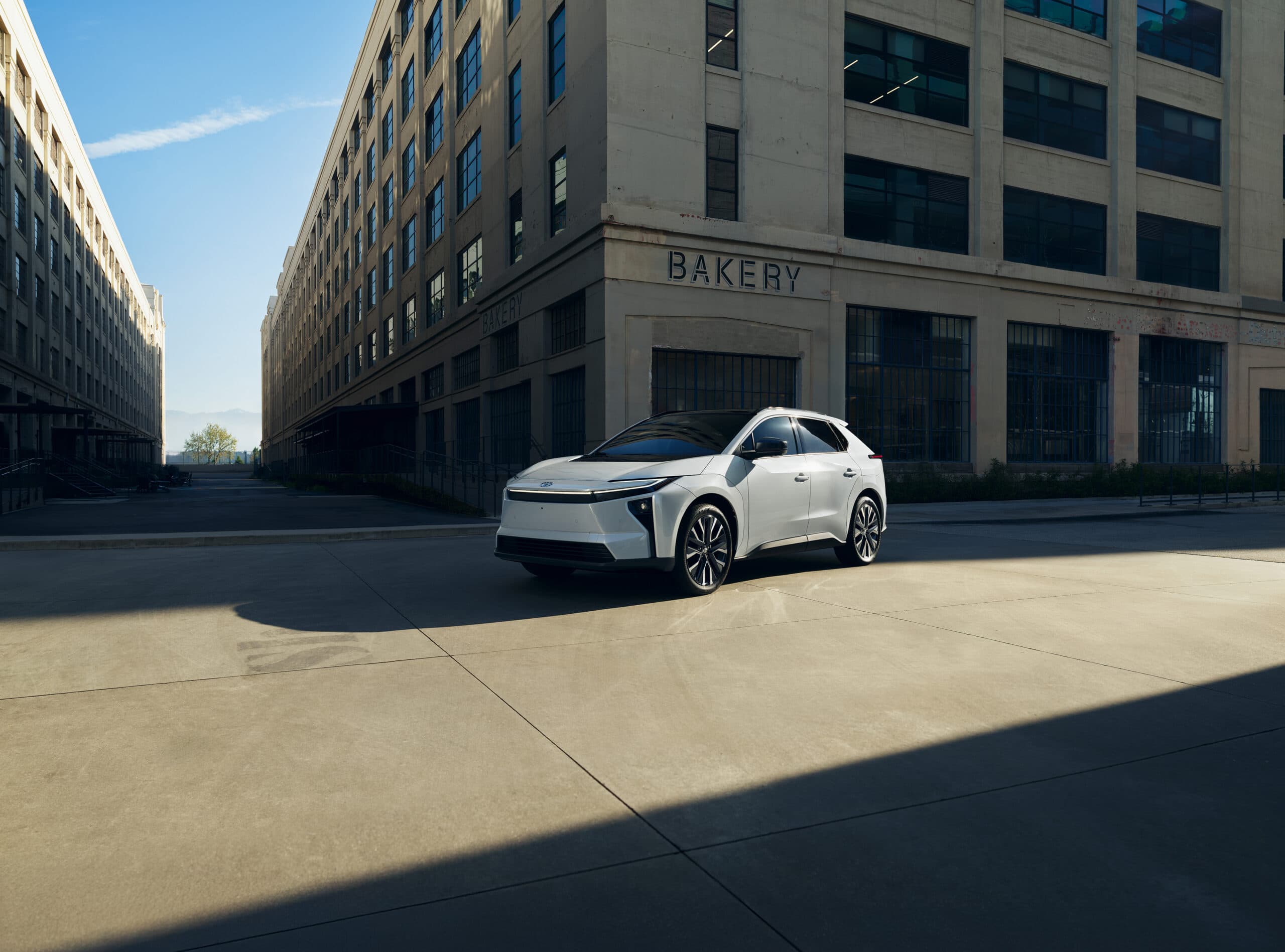
Toyota’s electric vehicle efforts have been polarizing so far. While the automaker is the gold standard in traditional carmaking, the company has dragged its feet with battery electric vehicles for a very long time. The bZ4X, a confusingly-named electric vehicle with subpar range, stressed this. It was then no surprise that the bZ4X received quite a lot of negative reviews from EV enthusiasts when it was released.
For the 2026 model year, Toyota is taking its electric vehicle efforts very seriously. Renaming the bZ4X to a more memorable Toyota bZ EV was just the first step. The 2026 vehicle also features a number of improvements that now make it a serious contender in the United States’ BEV space, which is dominated by big players like the ubiquitous Tesla Model Y.
Extended Range and Better Charging
The 2026 Toyota bZ EV’s standout feature is its larger 74.7-kWh battery, which is capable of achieving up to a manufacturer-estimated 314 miles of range, up from the outgoing model’s 252 miles, according to a press release from the Japanese carmaker. The 74.7-kWh battery is available for the XLE FWD Plus, Limited FWD, XLE AWD, and Limited AWD variants, which are listed with an estimated range of 314 miles, 299 miles, 288 miles, and 278 miles, respectively. The bZ EV is also offered with a 57.7-kWh battery for its XLE FWD trim, which is estimated to be capable of achieving 236 miles of range per charge.
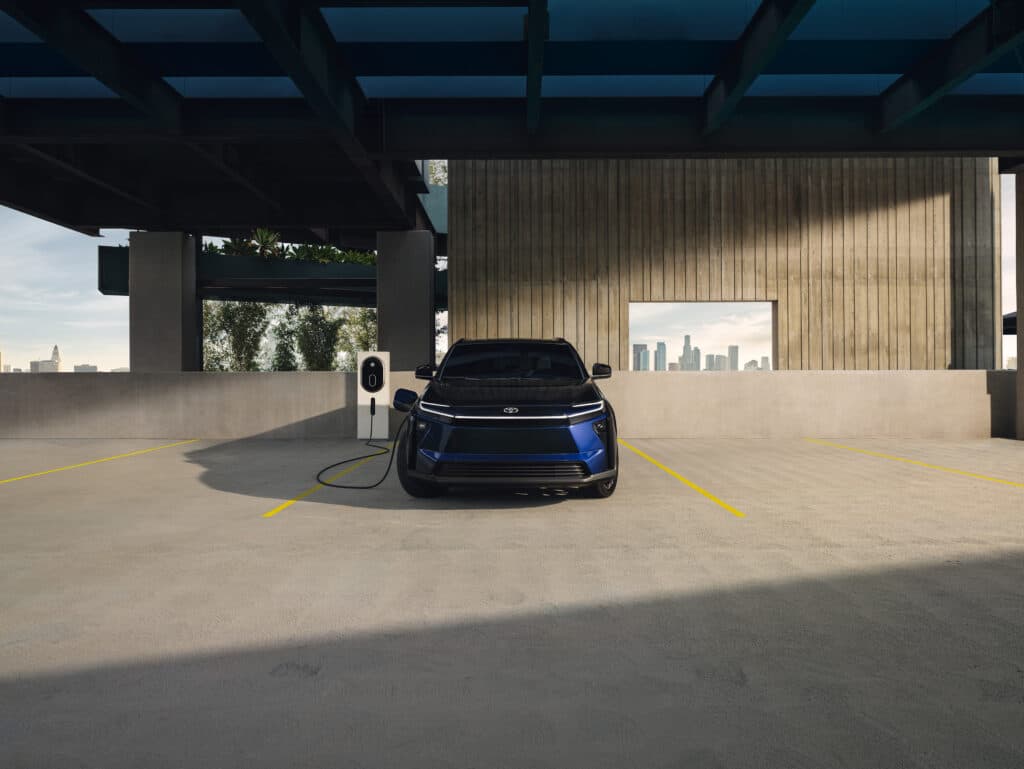
A notable upgrade in the 2026 Toyota bZ EV is its native North American Charging Standard (NACS) port, which enables DC fast charging from 10% to 80% in about 30 minutes. Also thanks to its NACS port, the bZ EV can also access the Tesla Supercharger Network. This should be a huge advantage for bZ EV owners, as Tesla currently operates over 15,000 Supercharger stalls that are NACS-capable, according to the electric vehicle maker’s official website. This should allow the 2026 bZ EV to take long trips without issues, something that the bZ4X, with its low range and subpar charging capabilities, struggled with.
Performance, Design, and Safety Overhaul
Toyota made the 2026 bZ EV a lot more compelling compared to its predecessor. Horsepower sees a substantial increase on AWD models to 338 hp, cutting 0-60 MPH to 4.9 seconds, while FWD models now deliver 221 hp, up from 201 hp, thanks to silicon carbide (SIC) semiconductors in the vehicle’s eAxles. Outside, the 2026 bZ EV’s exterior refresh includes a sleeker front with slim LED daytime running lights and color-matched overfenders. Inside, a 14-inch Toyota Audio Multimedia touchscreen, 64-color ambient lighting, and dual wireless chargers elevate the cabin’s tech and comfort.
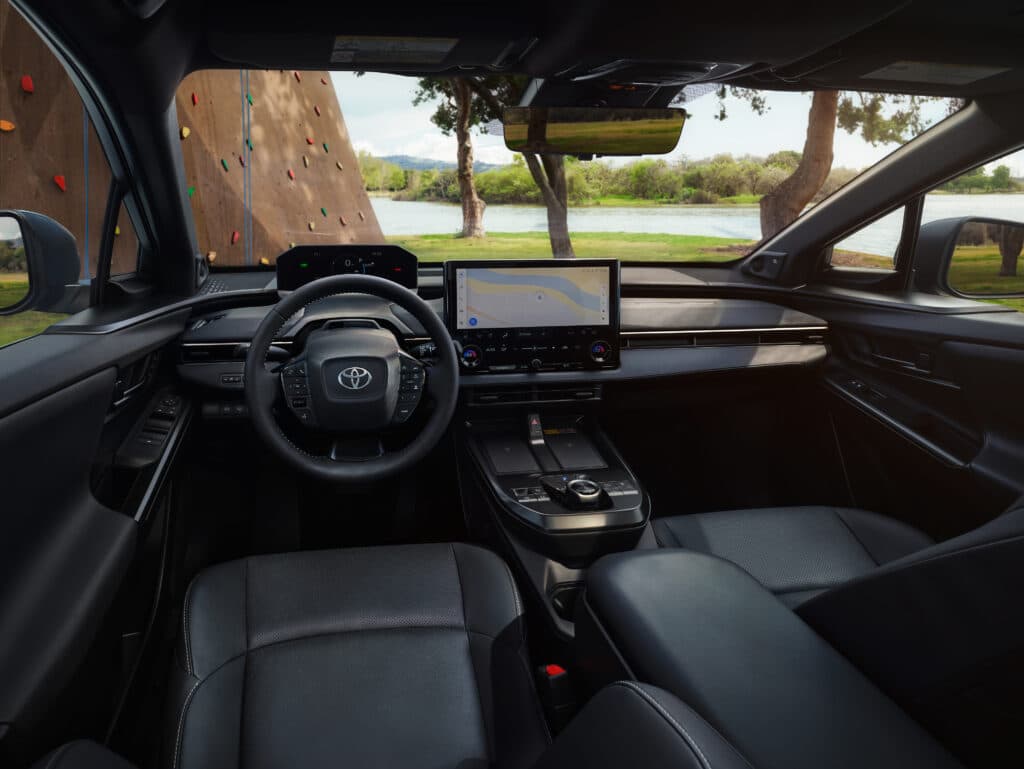
Safety is bolstered by Toyota Safety Sense 3.0, which includes Pre-Collision System with Pedestrian Detection, Full-Speed Range Dynamic Radar Cruise Control, Lane Departure Alert with Steering Assist, Lane Tracing Assist, Road Sign Assist, Automatic High Beams, and Proactive Driving Assist. Blind Spot Monitoring with Rear Cross-Traffic Alert, as well as Safe Exit Alert, are also standard across all variants. The vehicle is loaded with Toyota’s Star Safety System as well, which includes Stability Control, Traction Control, Anti-lock Brake System, Electronic Brake-force Distribution, Brake Assist, and Smart Stop Technology.
EV.com recognizes Toyota’s 2026 bZ enhancements in range, charging, design, performance, and technology. You can explore the best offers on Toyota electric vehicles and other EVs we have on our listings here.
Comments
Categories
Related news
Subscribe for EV News and Reviews

AI Employee for Car Dealerships
Results in 30 days - Or We'll Give You Your Money Back