Tesla Model 3: Everything You Need to Know
Wondering if the Model 3 is right for you? Discover its key specs, trims, and what makes it a standout in the EV world.
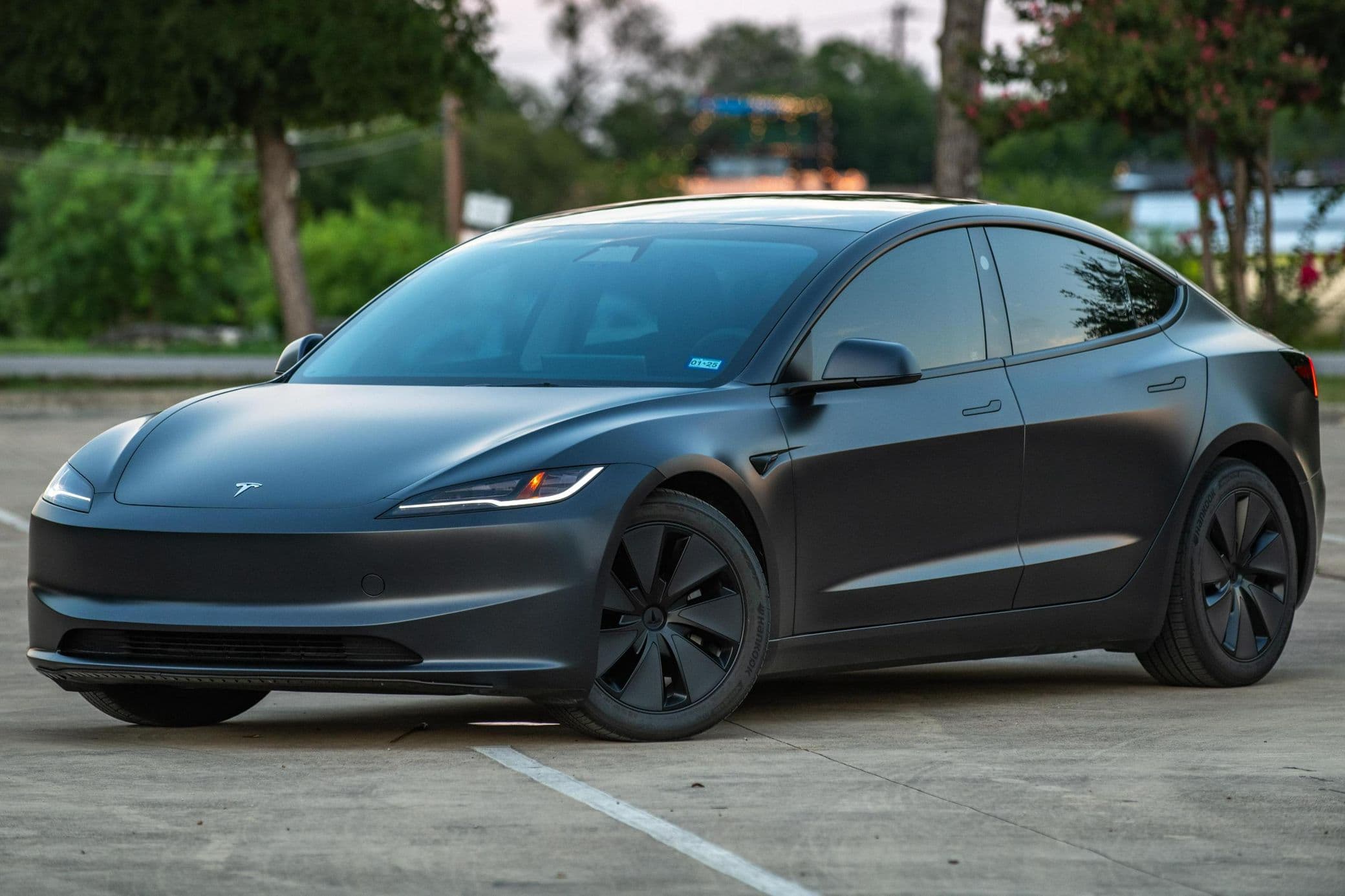
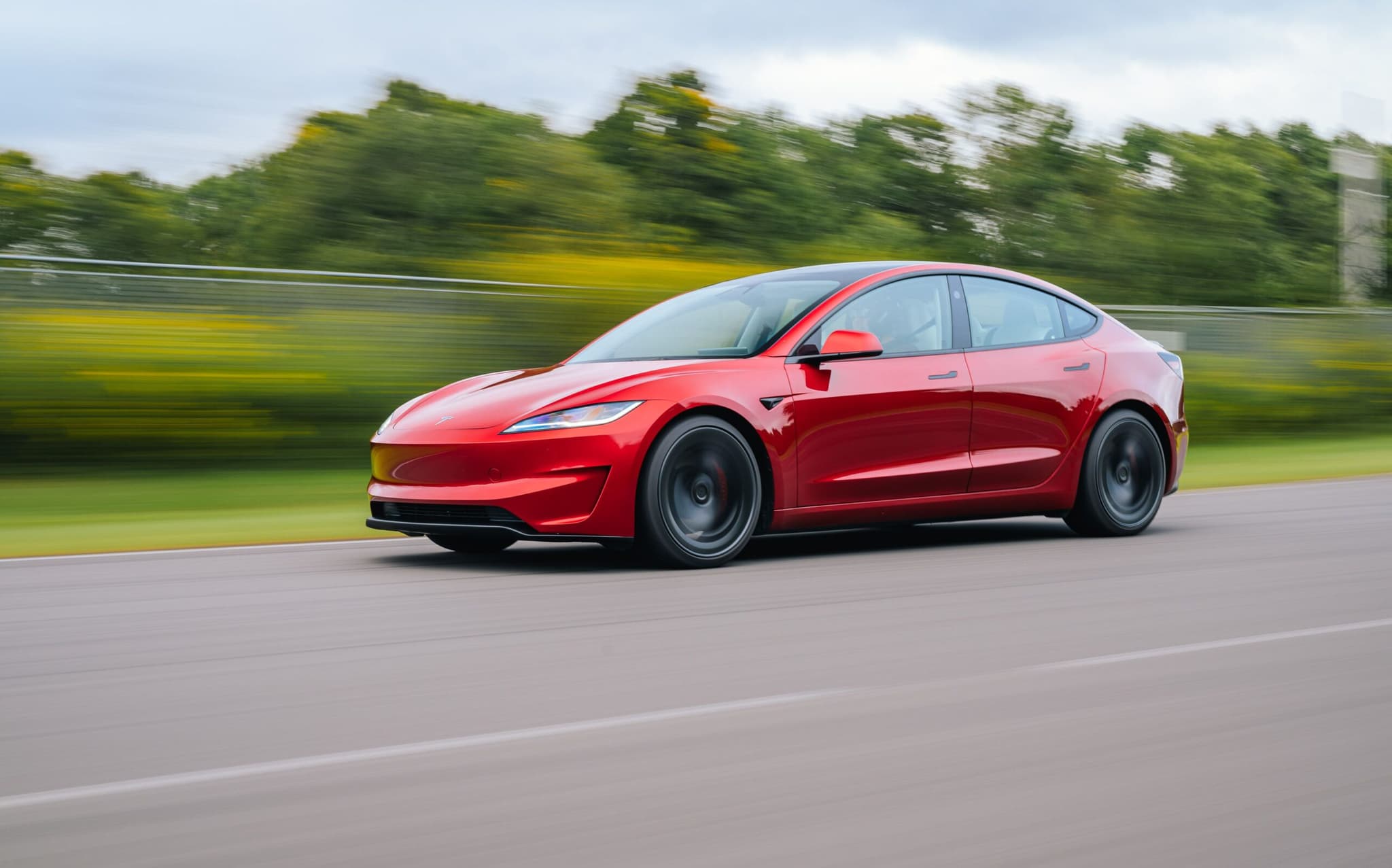
When it comes to electric cars, the Tesla Model 3 is usually the first name people recall. Since its debut in 2017, it has achieved unmatched popularity across the global EV market, as Tesla managed to combine affordability with impressive performance, advanced technology, and a strong charging network. This winning formula created a model that many drivers saw as the perfect entry point into the world of electric vehicles. For years, most alternatives simply couldn’t compete with the overall package it delivered, whether in terms of range, price, or real-world usability. In this guide, we’ll dive into the key questions surrounding this iconic model, offering a detailed overview of its strengths, its position in today’s EV landscape, and which electric cars can now be considered genuine competitors.
Tesla Model 3 Price: How Much Should You Expect to Pay?
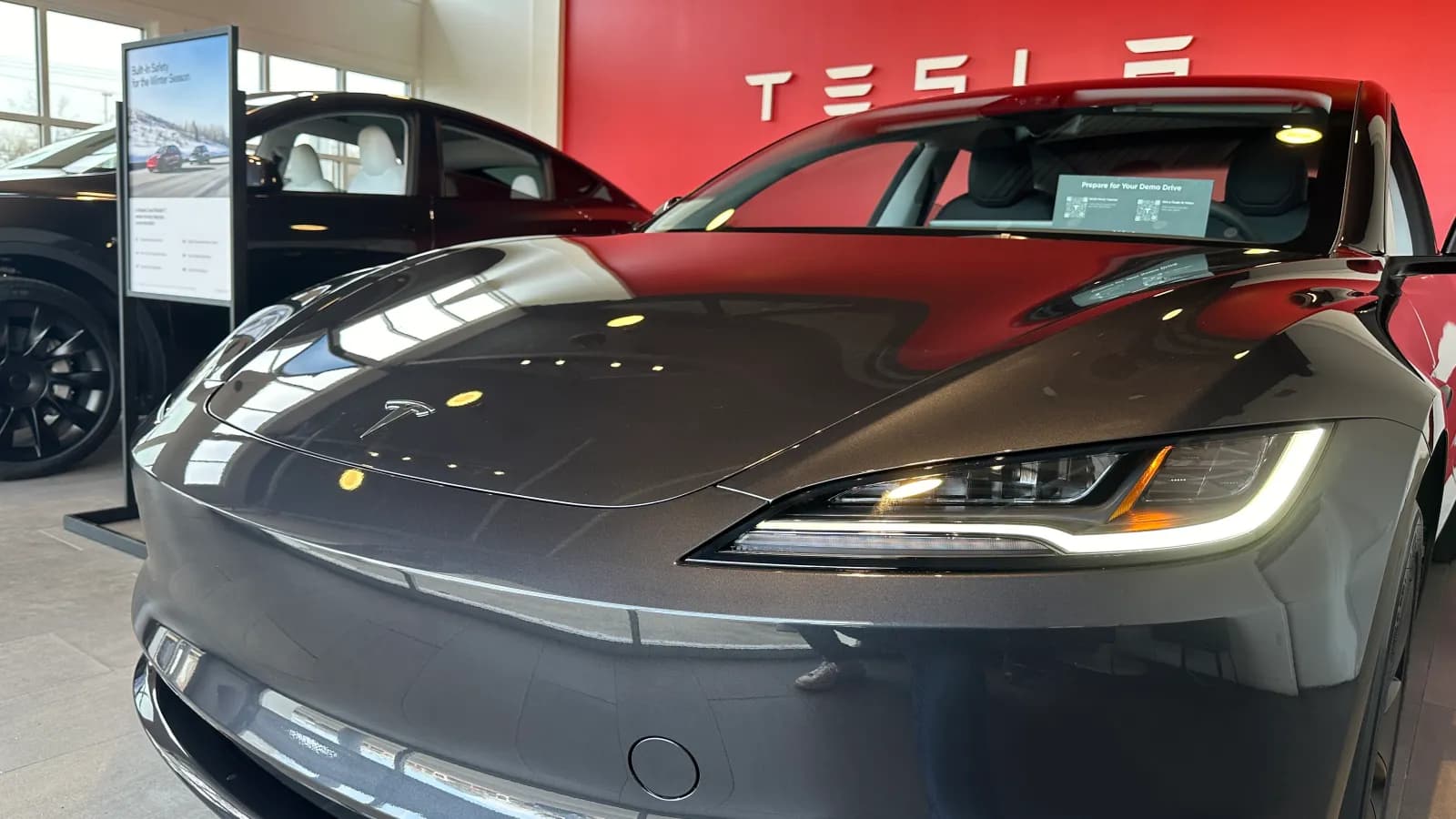
One of the biggest reasons behind the Model 3’s massive popularity is its attractive pricing, not only for new models but also in the used car market. Currently, buyers can choose between three trims, each offering a different balance of drivetrain, performance, and range. The official prices are as follows:
Long Range RWD – $42,490;
Long Range AWD – $47,490;
Performance AWD – $54,990.
On the used market, the Model 3 becomes even more appealing. Prices for older 2018 base versions with more than 150,000 miles start from just $10,000, while well-kept cars with lower mileage can be found around $19,000. To put that into perspective, for about $20,000 you can get an electric car capable of accelerating from 0–60 mph in just 3.4 seconds, with an EPA-estimated range of up to 330 miles.

How Do You Open and Lock the Doors on a Tesla Model 3?
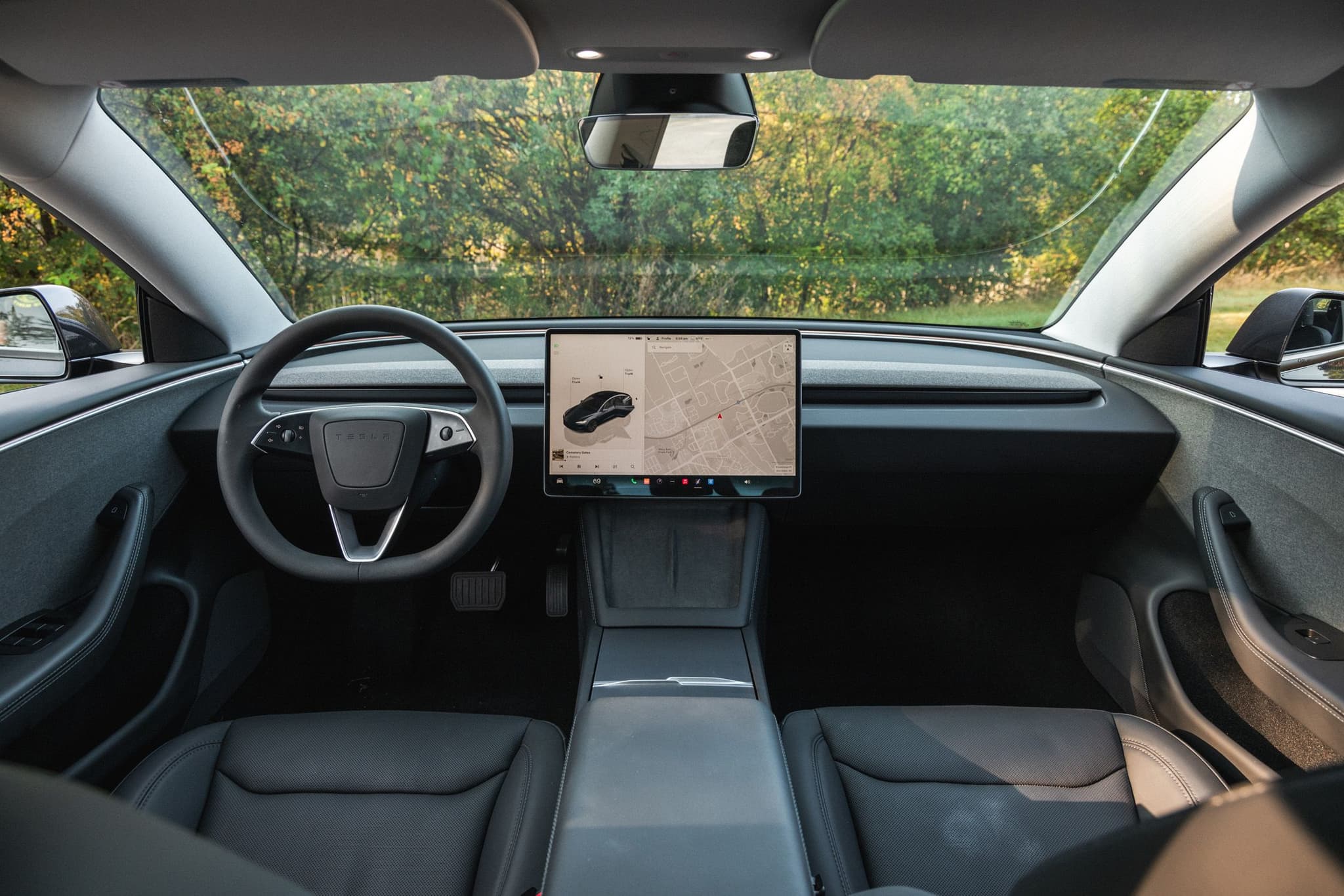
When Tesla introduced the Model 3, one of the standout innovations wasn’t under the hood but in your pocket: the key. Instead of a traditional fob, Tesla provided a plastic key card, identical in size and shape to a bank card. With no buttons to press, it left new owners wondering how they were supposed to open or lock their car. The solution is simple: the driver’s side pillar has a built-in card reader. Tap the key card against it, and the car instantly locks or unlocks, just like making a contactless payment at the store. Still, Tesla made things even easier. By connecting your Tesla account, the mobile app turns your smartphone into a digital key, automatically unlocking the car as you approach and locking it as you walk away.
But the surprises don’t end there. The Model 3’s doors also work in unconventional ways. From the outside, the flush handles must be pressed on the left side to release, which feels counterintuitive to drivers used to pulling from the right. Inside, there are no standard door levers at all, just buttons. Pressing one opens the door electronically. In case of a power failure, mechanical emergency handles are provided, though they’re less obvious and not as user-friendly. These design choices highlight Tesla’s push for minimalism, but they also take some getting used to.
What Is the Charging Cost for a Tesla Model 3?
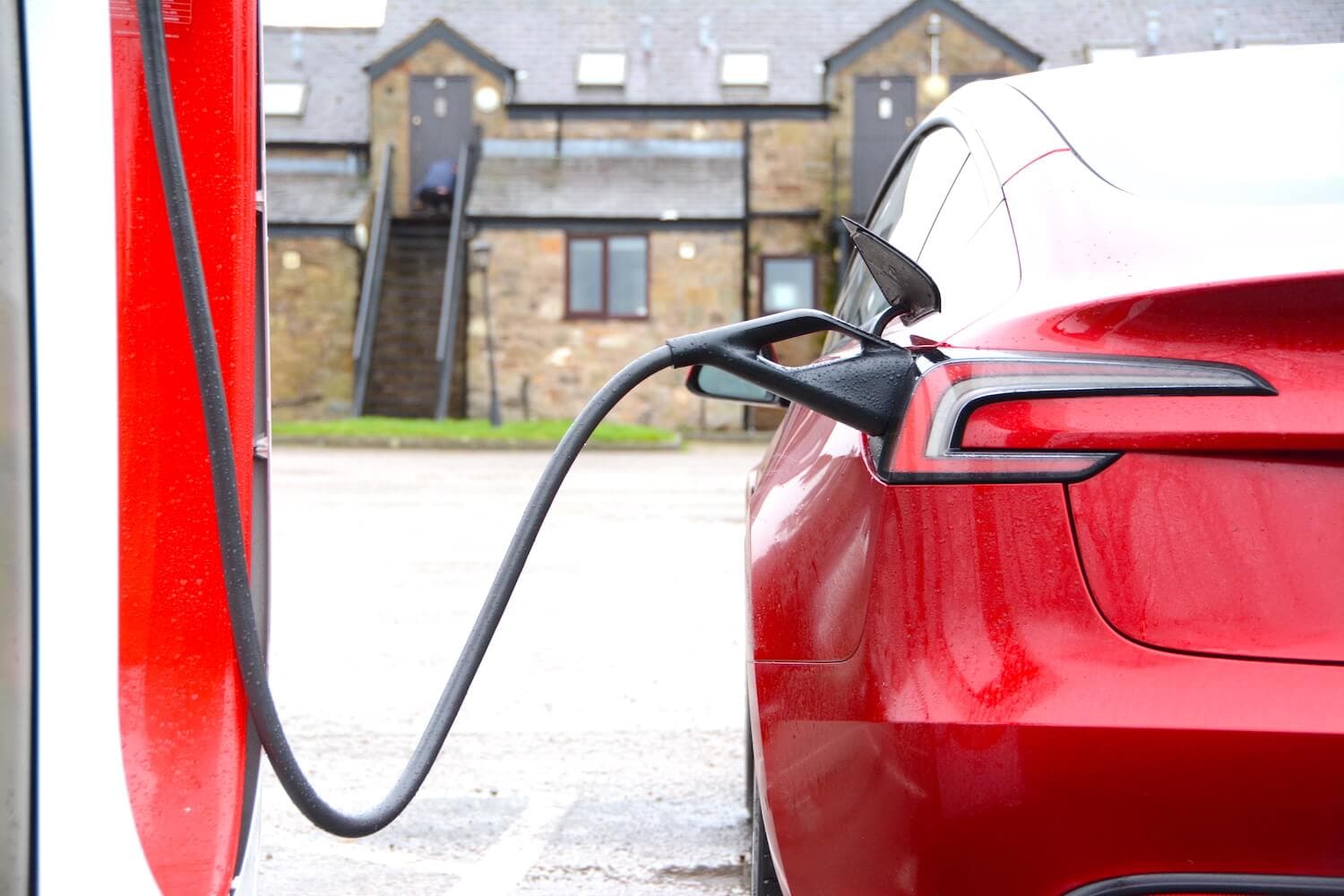
Tesla equipped the Model 3 with an 11.5 kW onboard charger and peak DC fast-charging capability of 170 kW to 250 kW, which is quick even by today’s standards. Of course, speed is one thing, but cost is what most owners want to know. Let’s break down home charging versus public Supercharging.
Charging at home with a Tesla Wall Connector is the most economical option. If you drive about 50 miles per day, the daily electricity cost works out to roughly $2. Even with daily charging, your monthly expense will be around $60, far less than fueling a gas-powered vehicle.
Public charging is a bit different. At Tesla Superchargers, the cost is calculated based on the actual energy consumed (kWh). Since drivers rarely charge all the way to 100% at these stations, the typical session averages around 45 kWh. With the current Supercharger rate of about $0.25 per kWh, that translates to approximately $11.25 for a session. And depending on your Tesla model and purchase date, you may even enjoy free Supercharging, further reducing running costs.
What Is the Driving Range of a Tesla Model 3?
This is where Tesla might play a small trick on you. Don’t get me wrong, the Model 3 has an excellent range, among the best in its class. But there’s an important detail to keep in mind. While the EPA-estimated range numbers look impressive, they shouldn’t always be taken at face value. Tesla uses a particular adjustment method that is fully legal but differs from what most other automakers apply during EPA testing. That’s why Tesla’s range often appears longer than its rivals:
Long Range RWD – 363 miles of EPA-estimated range;
Long Range AWD – 346 miles of EPA-estimated range;
Performance AWD – 298 miles of EPA-estimated range.
In reality, the story is slightly different. Independent tests show that the Long Range RWD achieves closer to 310 miles per charge. That’s still a strong result, but for comparison, the Hyundai IONIQ 6 Long Range RWD, despite having a lower official EPA rating, outperforms the Model 3 by about 30 miles in real-world driving.
What’s the Correct Way to Restart the Tesla Model 3 System?
The Model 3 can be rebooted in two different ways, depending on the issue. The first is a soft reset, typically used when the infotainment system freezes or behaves incorrectly. To perform it, hold down both scroll buttons on the steering wheel for around 10 seconds. The screen will go black, then reboot itself after a few seconds.
In cases where this doesn’t help, a full reboot may be necessary. This process requires parking the car, opening the frunk, and locating the 12V battery. With a 10mm wrench, disconnect the negative terminal. Next, open the rear right door, fold down the back seat, and release the rear connector by pressing the lock and rotating the gray latch downward. Wait for one minute, then reconnect everything in the reverse order. Always consult the full reboot instructions before attempting this procedure to avoid potential errors.
How Fast Is a Tesla Model 3?
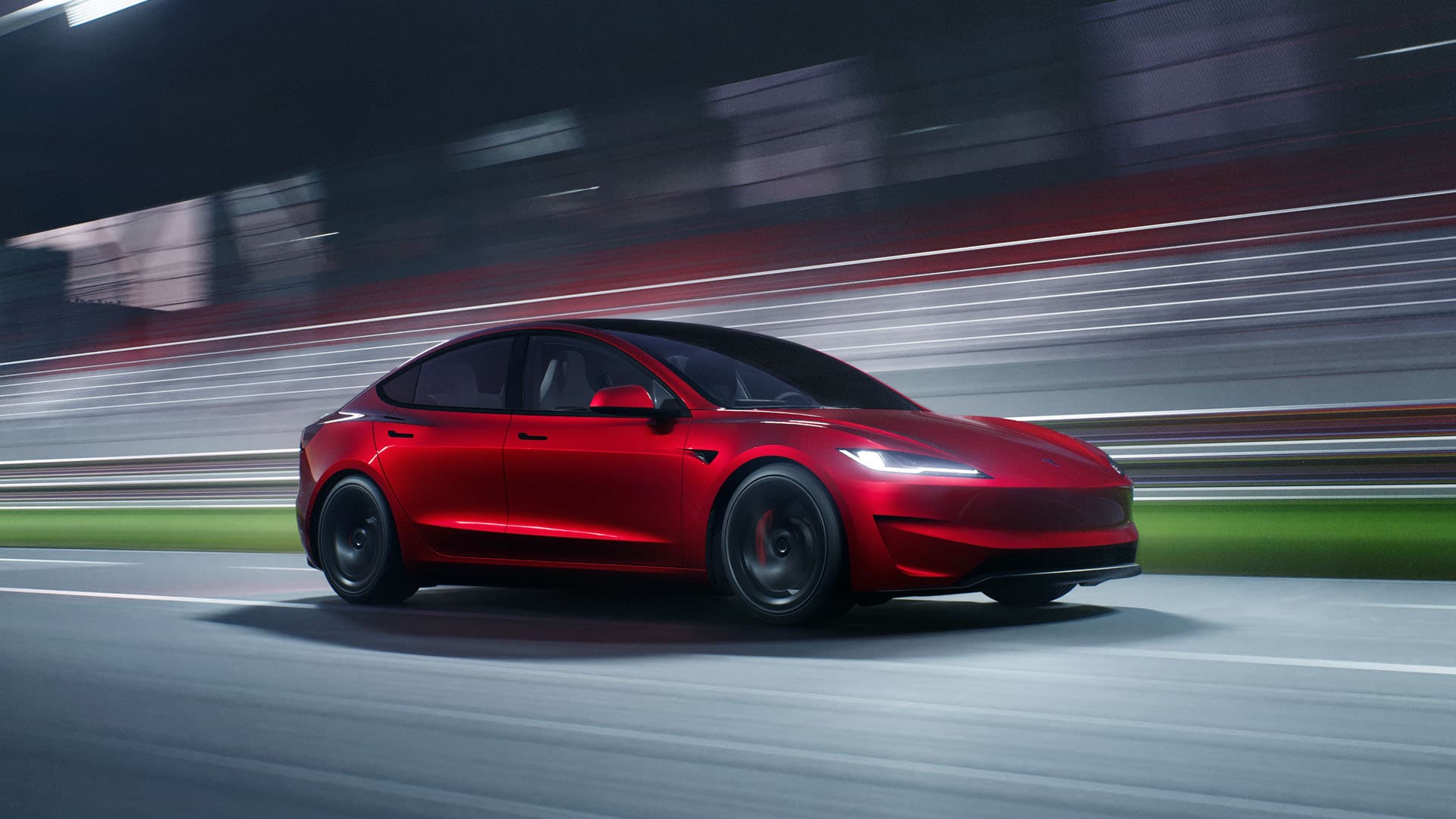
For drivers who crave speed and pure driving excitement, the Tesla Model 3 stands out as one of the strongest performers in its segment. Even the entry-level Long Range RWD manages a 0–60 mph sprint in just 4.9 seconds, which is quicker than many all-wheel-drive competitors from other brands. Moving up the trims unlocks even more performance:
Long Range RWD – 4.9 seconds to 60 mph, 125 mph of top speed;
Long Range AWD – 4.2 seconds to 60 mph, 125 mph of top speed;
Performance AWD – 2.9 seconds to 60 mph, 163 mph of top speed.
What makes this even more impressive is that Tesla’s performance isn’t limited to its newest versions. Earlier, pre-facelift Model 3 Performance cars are still remarkably fast and, more importantly, surprisingly affordable. On the used market, they can often be found for around $20K. With a 0–60 mph time of 3.1 seconds, this older Performance trim delivers supercar-like acceleration for the price of a mid-range sedan, a combination that’s practically unbeatable in today’s EV market.
EV.com Insight
Despite the fact that Tesla is not experiencing the very best period in its history, we can confidently say that the Model 3 remains one of the smartest and most appealing choices in today’s EV market. The used segment continues to surprise with attractive prices and a wide variety of options, making it easier than ever to find a Model 3 that fits your budget and lifestyle. At the same time, the latest versions of the Model 3 bring an impressive mix of upgraded performance, refined design, and a noticeably higher level of build quality compared to earlier models.
Yet, one important question still remains: where is the best place to find and buy your Tesla Model 3? That’s exactly where we can help. Our Search section was created to make the process simple and reliable. We’ve gathered the best deals on Tesla Model 3 vehicles from certified dealers across the country, ensuring you get not only the right price but also the peace of mind that comes with trusted sources.
Comments
Categories
Subscribe for EV News and Reviews

AI Employee for Car Dealerships
Results in 30 days - Or We'll Give You Your Money Back