Hyundai IONIQ 6 vs Tesla Model 3: Which Should You Buy?
Hyundai challenges Tesla’s dominance: will the IONIQ 6 be the sedan to beat the Model 3?
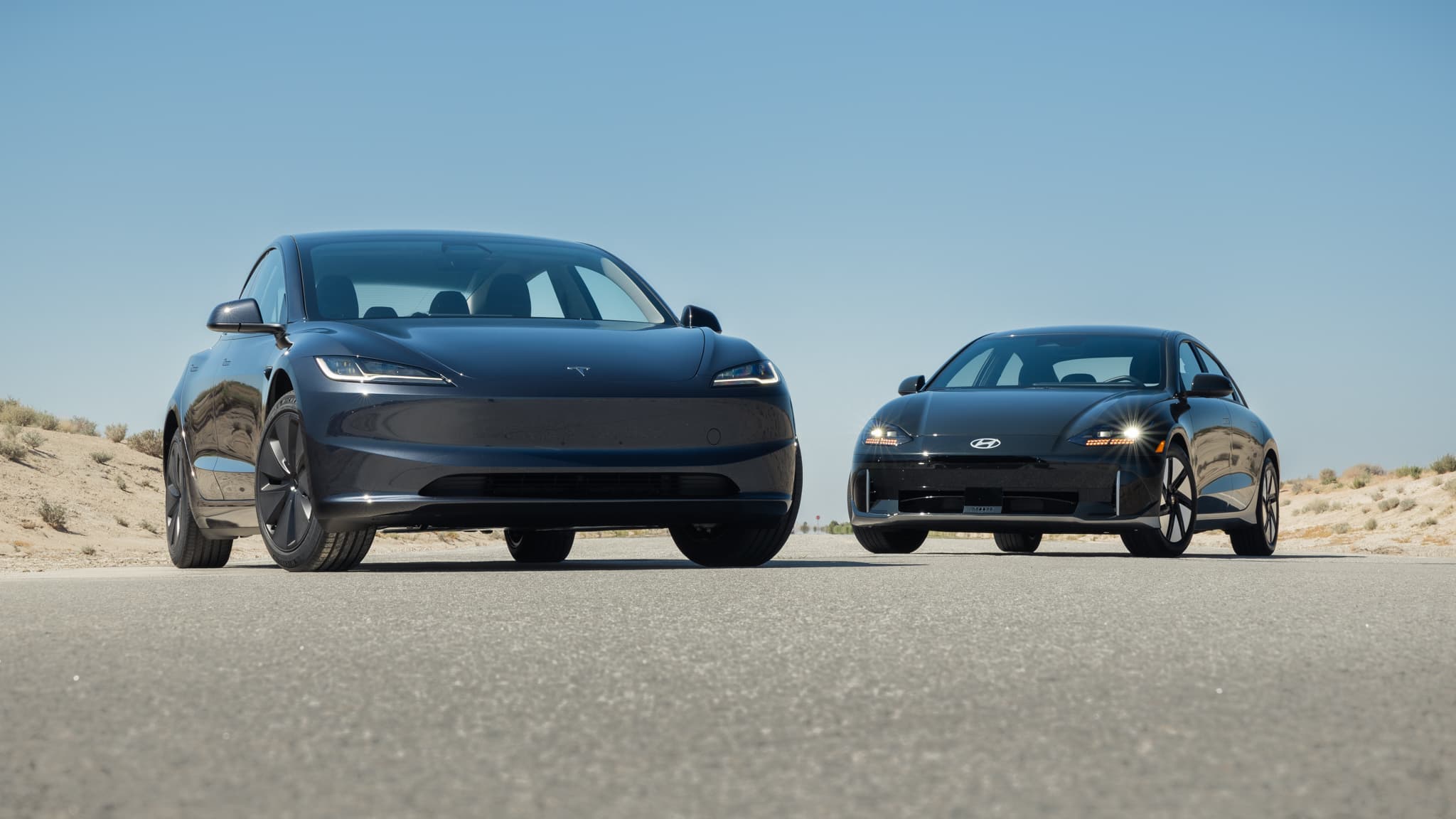
The Tesla Model 3 has long held the crown in the electric sedan segment, dominating sales and setting benchmarks for the industry. But is the Hyundai IONIQ 6 ready to challenge its reign? While Tesla faces one of the toughest periods in its history, the Model 3 continues to deliver exceptional sales figures. Meanwhile, the IONIQ 6 is quickly building a reputation for cutting-edge technology, aerodynamic design, and renowned Korean build quality. So, who will take the lead: the established best-seller or the innovative newcomer? Let’s dive in and find out.
Overview
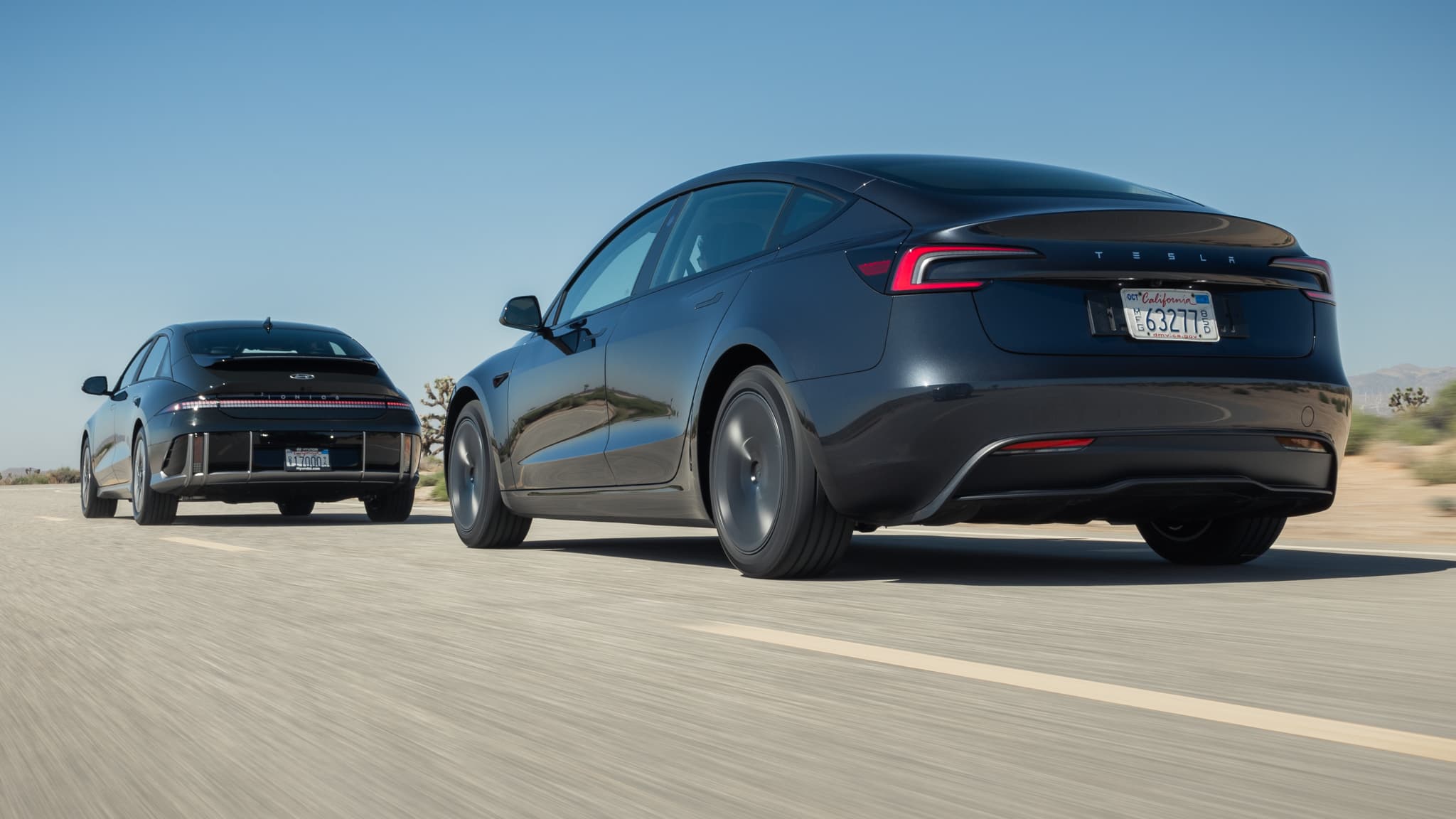
The Tesla Model 3 and Hyundai IONIQ 6 represent two different philosophies in the electric sedan market. Tesla’s Model 3 has earned its status as a global bestseller with minimalist design, cutting-edge software, and proven performance. On the other hand, the IONIQ 6 brings a fresh approach, combining new technologies such as 800V architecture and V2L capability, advanced driver-assistance features, and Hyundai’s reputation for build quality. Both target drivers seeking a blend of efficiency, technology, and style, but they go about it in distinctly different ways.
Top Speed and Acceleration
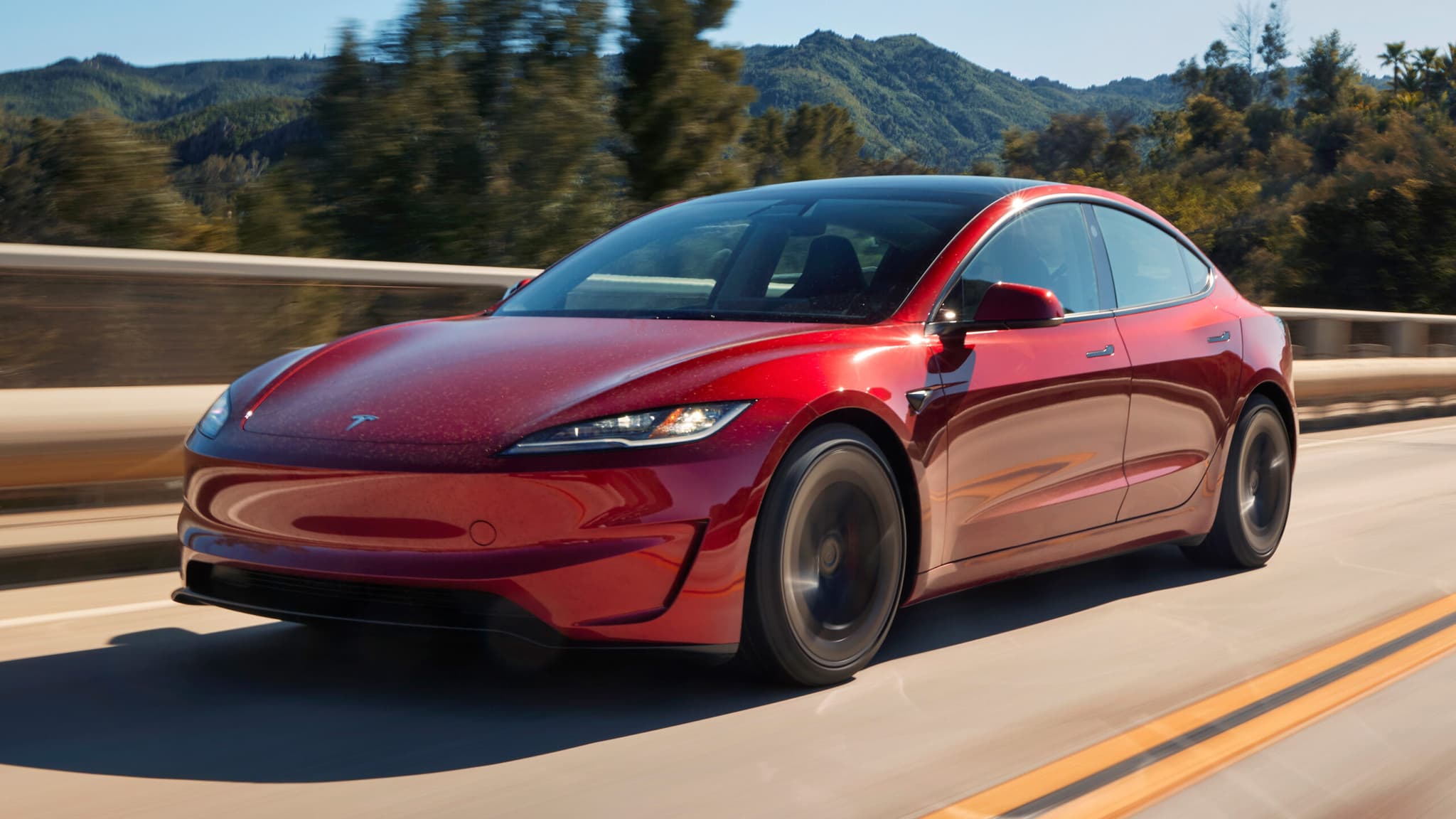
Performance is a key differentiator between the Tesla Model 3 and Hyundai IONIQ 6. The Model 3 Performance trim delivers explosive acceleration and a higher top speed, catering to drivers seeking pure excitement. The IONIQ 6, while more reserved in outright speed, still offers solid acceleration and a refined ride that blends agility with comfort. That balance may soon shift, as Hyundai’s newly unveiled facelifted IONIQ 6 will feature a high-performance N trim that could challenge and possibly surpass the Model 3 Performance.
Acceleration (0–60 mph): Model 3 Performance – 2.9 seconds, IONIQ 6 Long Range AWD – 4.9 seconds.
Top Speed: Model 3 Performance – 163 mph, IONIQ 6 Long Range AWD – 115 mph.
Range
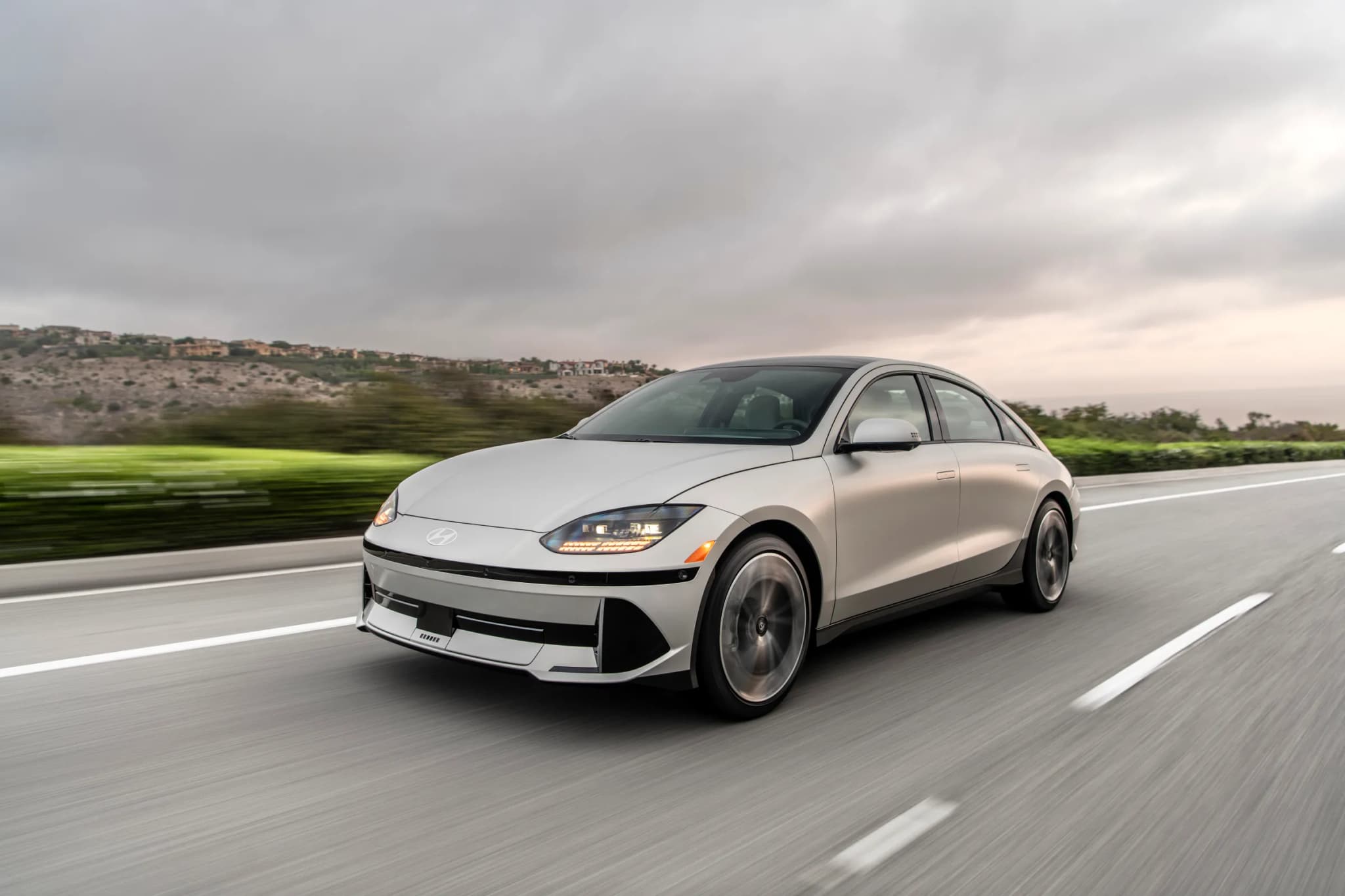
When it comes to range, both sedans cater well to different driving needs. The Tesla Model 3 Long Range offers up to 363 miles on a single charge, making it an excellent option for long-distance travel. The Hyundai IONIQ 6 isn’t far behind, reaching up to 342 miles depending on the configuration. In real-world conditions, results can vary based on factors like driving habits, weather, and wheel size. Interestingly, in independent tests, the IONIQ 6 slightly outperformed its EPA rating, while the Model 3 came in just below. For most drivers, either EV easily covers daily commutes and extended trips without the need for frequent charging stops.
EPA-estimated Range: Model 3 Long Range RWD – 363 miles, IONIQ 6 Long Range RWD – 342 miles.
Real-World Range: Model 3 Long Range RWD – 310 miles, IONIQ 6 Long Range RWD – 343 miles.
Charging Speed
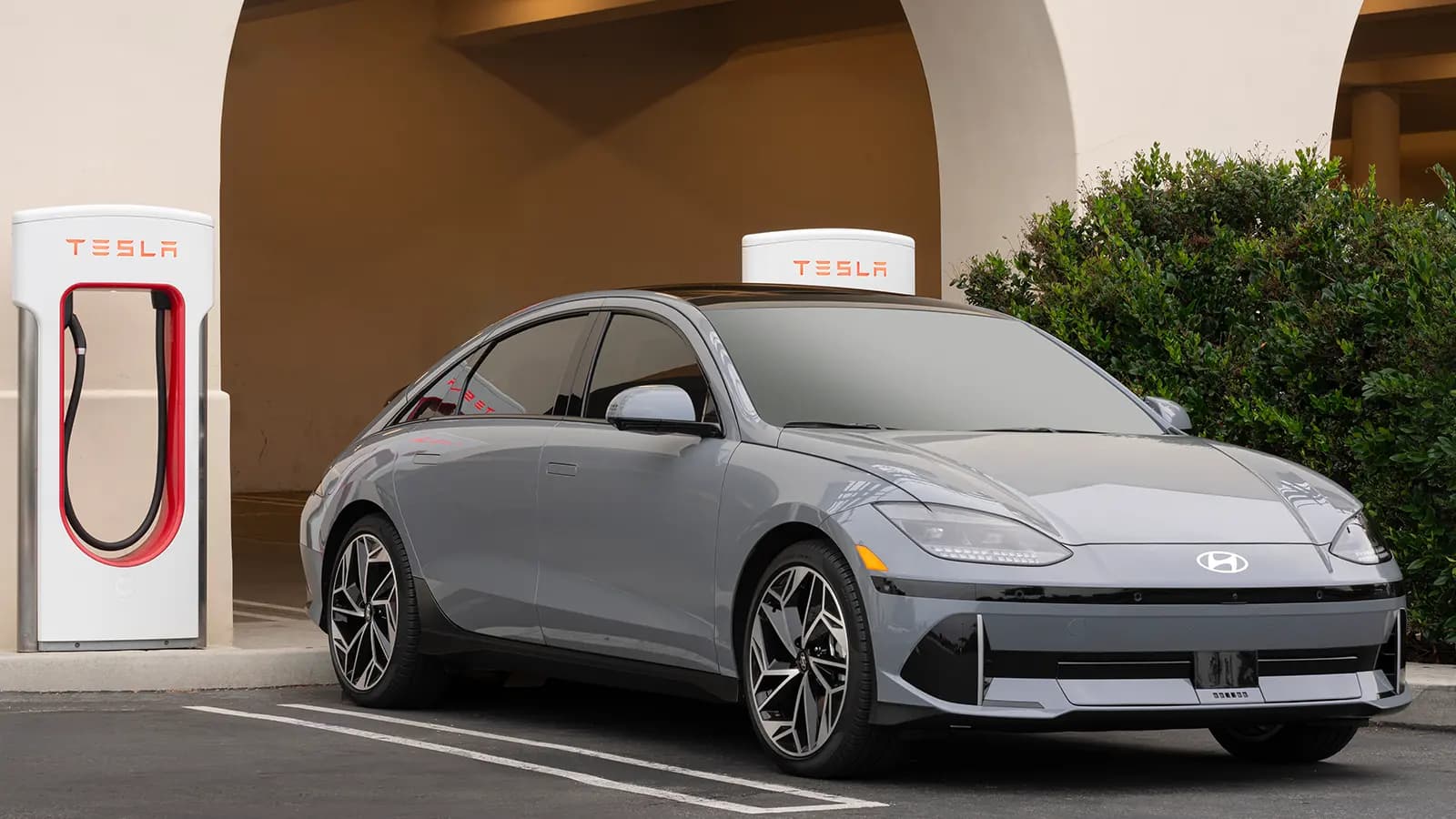
Tesla’s Model 3 benefits from Supercharger V3 stations, supporting up to 250 kW peak power. This allows it to add roughly 175 miles of range in just 15 minutes, making long trips convenient with minimal stops. The Hyundai IONIQ 6, thanks to its advanced 800-volt architecture, can reach up to 235 kW on compatible ultra-fast chargers, restoring 10% to 80% charge in as little as 18 minutes. In real-world conditions, both vehicles provide rapid top-ups, though actual charging speed depends heavily on the availability and compatibility of charging infrastructure.
AC Charging Speed: Model 3 Long Range RWD – 11.5 kW, IONIQ 6 Long Range AWD – 11 kW.
DC Charging Speed: Model 3 Long Range RWD – 250 kW, IONIQ 6 Long Range AWD – 233 kW.
Price
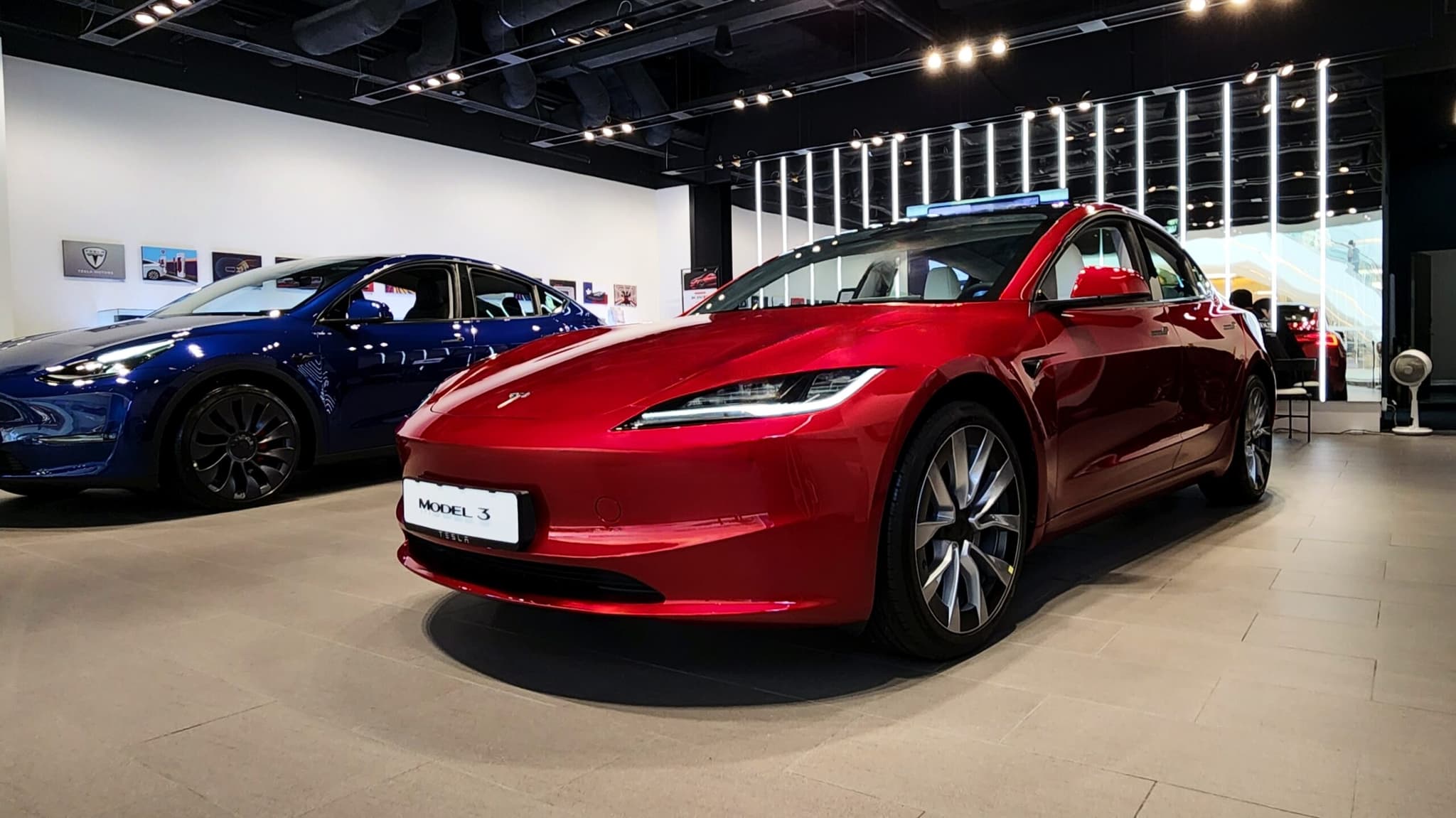
The Tesla Model 3 starts at around $34,990 for the Standard Range RWD version, while the Long Range AWD and Performance trims push past $39,000, offering higher performance and additional features for those who prioritize speed and tech. The Hyundai IONIQ 6 enters the market slightly higher, beginning at about $37,850 for the SE Standard Range, with upper trims reaching the mid-$50,000s depending on options. Both vehicles are eligible for federal tax incentives when purchased new, which can further reduce the effective cost and make them more competitive. On the used market, early Model 3 units are often more affordable than IONIQ 6 models, simply because Tesla has been producing the Model 3 longer, giving buyers a wider range of budget-friendly options.
Price in the U.S.: Model 3 Standard Range RWD – $34,990, IONIQ 6 SE Standard Range – $37,850.
EV.com Insight
Both the Tesla Model 3 and Hyundai IONIQ 6 are excellent choices in the electric sedan segment, but they appeal to slightly different types of buyers.
The Model 3 shines with its blistering acceleration, higher top speed, and a slightly longer range on certain trims. Its vast Supercharger network ensures convenient long-distance travel, and the longer production history means more affordable options on the used market. If performance, proven resale value, and access to fast public charging are your priorities, Model 3 remains a top contender.
The IONIQ 6, on the other hand, impresses with its advanced technology, high-quality interior, and 800V charging architecture that allows rapid charging on compatible stations. It delivers a smooth, comfortable ride while still offering solid range and real-world efficiency. For those who value interior quality, Korean reliability, and cutting-edge tech in a stylish package, the IONIQ 6 is a compelling alternative.
Ultimately, your choice depends on your priorities: the Model 3 excels in raw performance and wide availability, while the IONIQ 6 stands out for technology, comfort, and advanced charging capabilities. Both are excellent daily drivers and showcase the best of modern electric sedans. If you’ve already made your choice, visit our Search section to find the best deals for every EV currently available in the U.S.
Comments
Categories
Subscribe for EV News and Reviews

AI Employee for Car Dealerships
Results in 30 days - Or We'll Give You Your Money Back