Tesla Cybercabs Draw Record Austin Sightings Ahead of F1 Grand Prix
The surge came after Tesla widened its Austin service zone to reach the track and pushed nightly ride requests to 1 a.m.
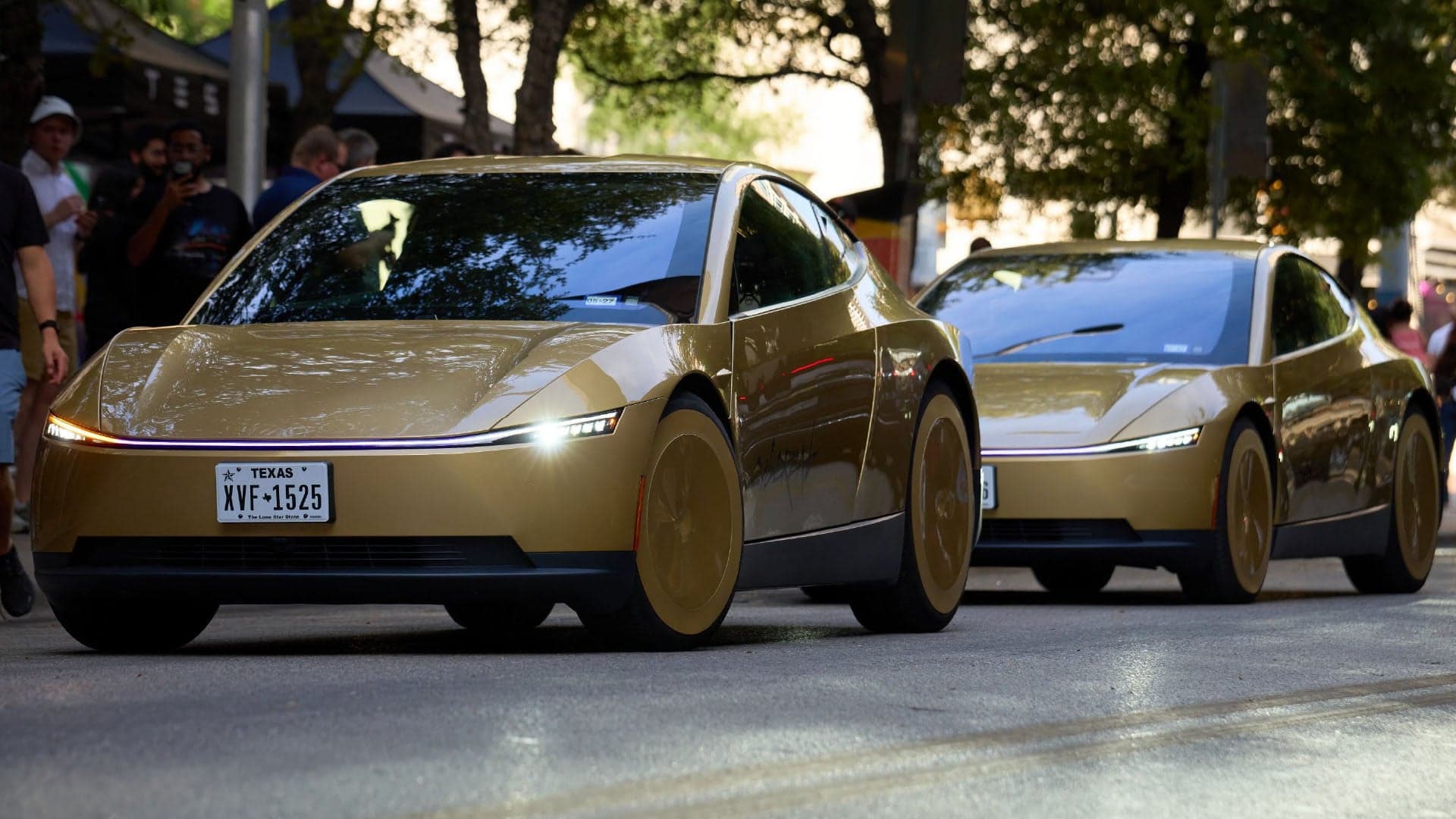
Tesla deployed a large wave of driverless Cybercabs across Austin on Sunday for the Formula 1 United States Grand Prix, as videos and photos online showed queues of the gold two-seaters and Model Y robotaxis outside Circuit of the Americas.
The surge came after Tesla widened its Austin service zone to reach the track and pushed nightly ride requests to 1 a.m.
Austin race weekend brings record Cybercab activity
Ashok Elluswamy, Tesla’s Vice President of AI Software, reposted a photo from Ben Steindl showing a long column of gold Cybercabs and Model Y robotaxis approaching the venue. “Robotaxis as far as the eye can see!” Elluswamy wrote.
Tesla investor and creator Sawyer Merritt posted that over 50 Cybercabs had already dropped fans off at the circuit by midday Sunday, though the automaker has not released official weekend ridership totals, according to Eletric Vehicles.
Crowdsourced tracker Cybercab Spotter logged 1,250 sightings around Austin during Saturday’s qualifying sessions, with 1,159 of those vehicles—or 93%—operating without anyone in the driver’s seat. Data site Robotaxi Radar noted that both numbers set single-day highs, beating the prior marks of 1,072 total sightings on October 16 and 921 driverless runs.
Late on October 22, Tesla quietly added a southeastern pocket around Circuit of the Americas—roughly 15 miles from downtown Austin—to its previously 264-square-mile operating map. The company also moved its nightly last-call window from midnight to 1 a.m. for nearby drop-offs, following an earlier shift from 11 p.m. on October 17.
Fleet growth and NHTSA review ahead of October 30
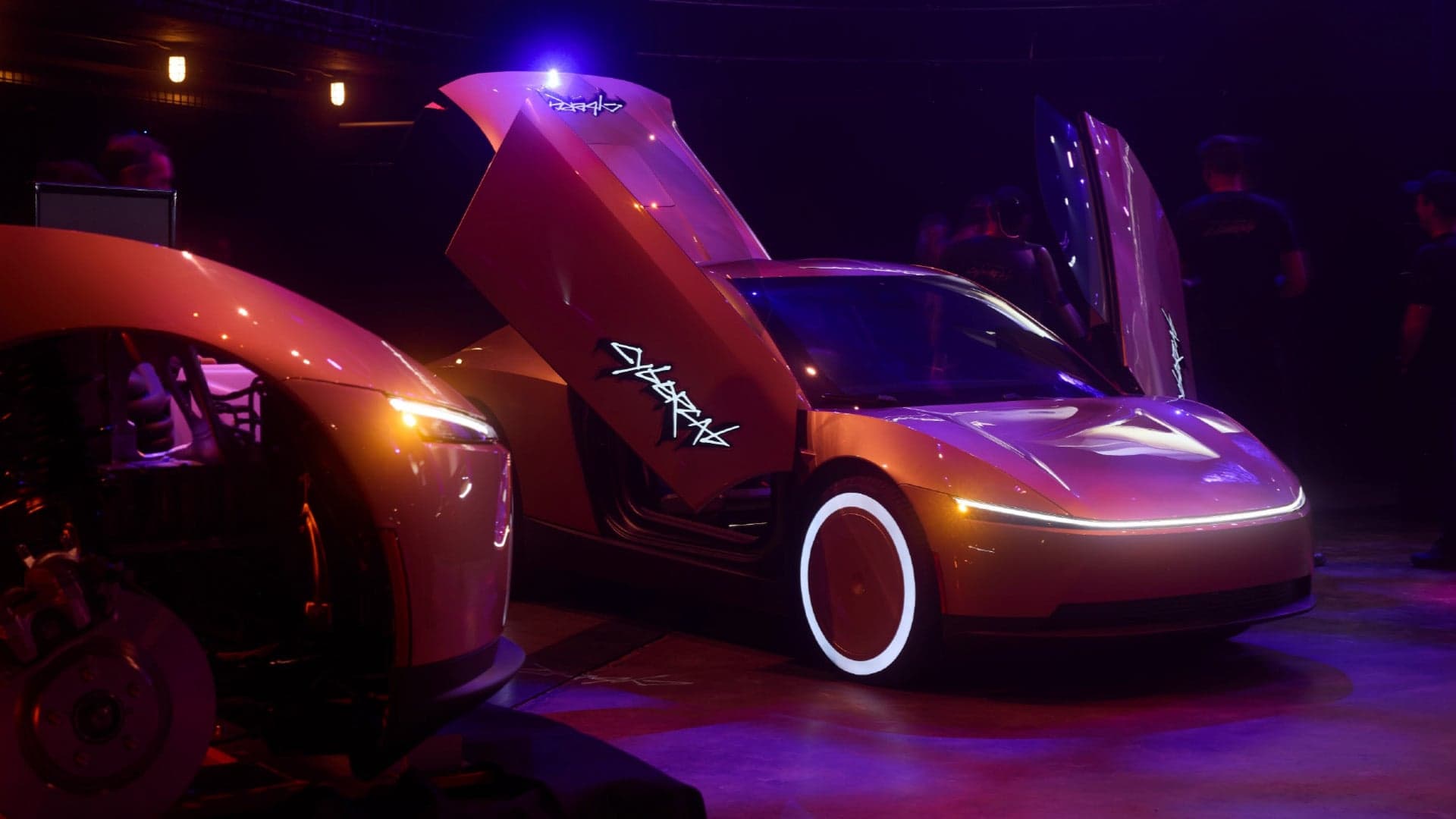
Since commercial Cybercab service started in Austin on September 3, the dedicated robotaxi fleet has expanded rapidly. While Tesla’s Robotaxi account reported more than 300 active Cybercabs on October 10, Texas registration records listed 970 Tesla robotaxis by midday Sunday, 463 of which were Cybercabs.
According to Tesla’s safety data covering January 22 through October 18, its robotaxis logged roughly 3.1 million miles without an onboard safety monitor, including 2,118,015 miles in Austin and 608,130 miles in Dallas. Over that span, the company recorded zero injuries caused by its autonomous fleet under a methodology that tracks first-contact collisions and includes remote-operator interventions.
The high-profile F1 deployment arrived just days before an October 30 deadline from the National Highway Traffic Safety Administration. NHTSA opened an inquiry on September 3 into how Tesla self-certified the pedal-free, steering-wheel-free Cybercab and followed up on September 10 with a 21-point Special Order.
Customer Cybercab deliveries remain targeted for late 2026, though company leadership has indicated that the majority of production will stay inside Tesla’s own ride-hailing fleet.
EV.com tracks the evolving EV collector space and performance electric vehicles hitting the market. Explore our listings to find the best EVs in your area available today.
Comments
Categories
Related news

Subscribe for EV News and Reviews

AI Employee for Car Dealerships
Results in 30 days - Or We'll Give You Your Money Back