Tesla Accident Guide: 7 Critical Steps to Take Immediately
This article, based on guidance from Tesla accident lawyers.
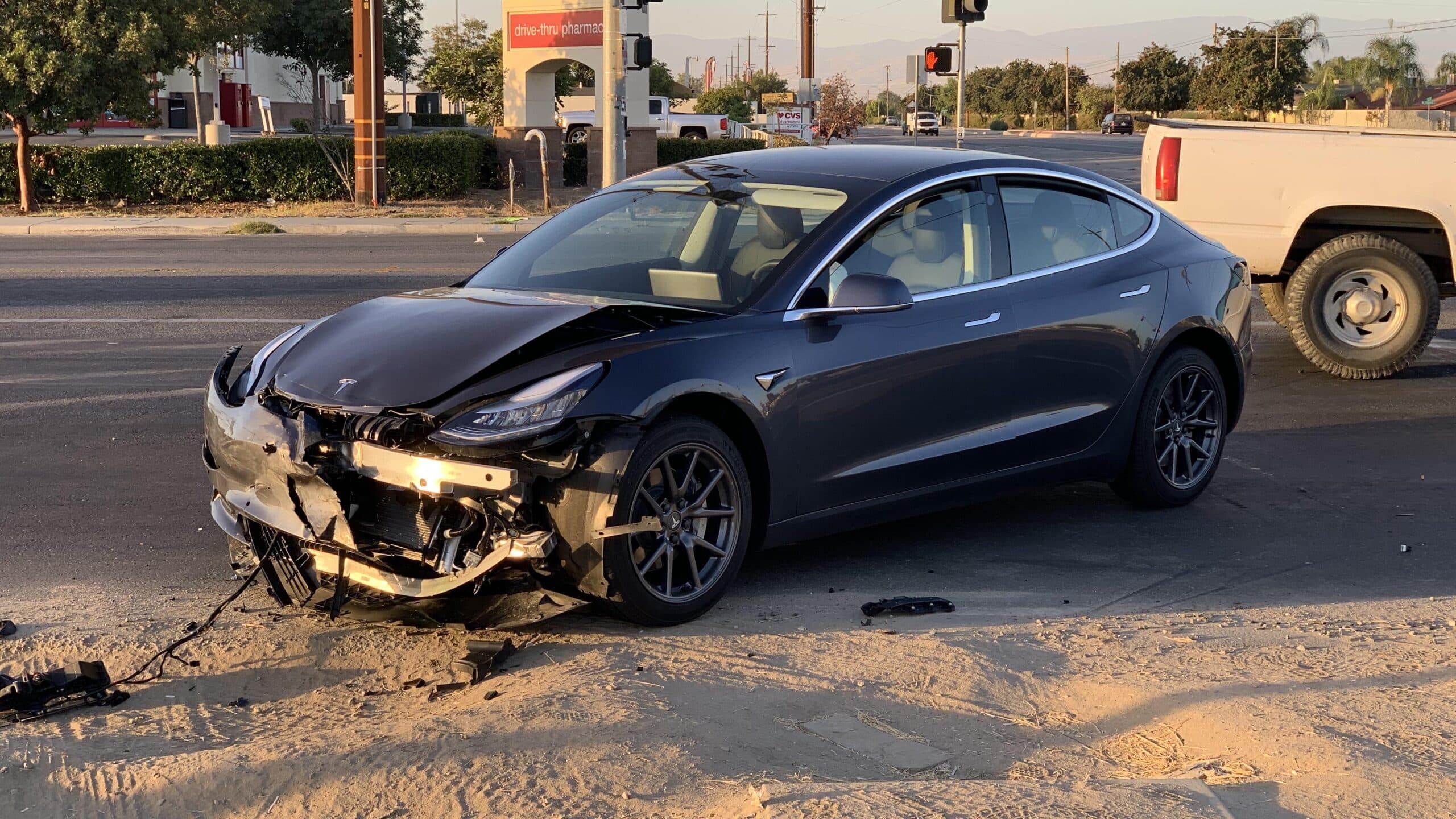
Owning a Tesla changes more than your driving habits—it fundamentally alters how you should respond in a crash. If you’re involved in an accident while driving an electric vehicle, the standard “exchange insurance information and leave” approach could void your battery warranty or result in a denied insurance claim. High-voltage systems, specialized towing requirements, and the vehicle’s digital memory create unique risks that conventional car owners never face. This article, based on guidance from Tesla accident lawyers, outlines seven essential steps you must take in the first minutes after an accident in the United States to protect yourself both physically and legally.
Ensuring Safety With EV-Specific Considerations
Your priority is checking all passengers for injuries. Battery damage poses serious risks. Hissing sounds, sparks, or smoke from beneath the vehicle indicate thermal runaway. Immediately move at least 50 feet away. Never approach orange cables—they carry high voltage.
If the vehicle remains operable, move it out of traffic lanes. Activate hazard lights to alert other drivers. These precautions can save lives while waiting for emergency responders.
Preserving Digital Evidence
Your Tesla records everything around it. The dashcam captures critical moments that could be lost if memory overwrites itself.
To preserve video files, follow these steps:
- Tap the camera icon on the touchscreen to mark the last 10 minutes as protected
- Press and hold the horn to automatically save a clip
- Remove the USB drive from the glovebox to prevent file deletion
Never give the flash drive to anyone except your personal attorney. This device often becomes the deciding factor in insurance disputes.
Calling 911 and Specifying Vehicle Type
Contact police whenever injuries occur or significant property damage is sustained. Immediately inform the dispatcher that an electric vehicle is involved. Emergency services must prepare specialized equipment to de-energize the vehicle.
Insist that officers file a police report. This document provides official confirmation of the incident for your insurance company.
Collecting On-Scene Information
Exchange contact details and insurance policies with the other driver—this is standard procedure. However, photograph not only the damage but also the vehicles’ positions relative to road markings. These details help reconstruct the sequence of events.
Eyewitnesses often notice details that sensors miss. Their contact information can outweigh technical logs in court. Gathering comprehensive information simplifies subsequent proceedings.
Proper Towing Using Transport Mode
Conventional towing methods are incompatible with electric vehicles. Rotating wheels can damage the vehicle’s electronics. Only flatbed tow trucks provide safe transportation.
Follow these protocols:
- Activate Transport Mode through Controls → Service → Towing to release the parking brake
- Attach the tow hook through the bumper opening
- Transport the vehicle exclusively to a Tesla-approved body shop
Standard repair facilities typically lack certification to service high-voltage systems. Towing errors can void the warranty.
Seeking Medical Attention
Adrenaline can mask pain for hours. Visit a physician even if no visible injuries are apparent. Insurance companies frequently cite treatment gaps as grounds for denying claims.
Medical evaluation on the day of the accident serves as compelling evidence. Prioritizing your health also establishes legal documentation of damages.
Legal Protection and Expert Consultation
Tesla accident cases frequently involve disputes over whether the driver or Autopilot bears responsibility. The corporation aggressively defends its technology, using telemetry data against vehicle owners. Confronting this corporate giant alone is extremely difficult. Specialized law firms, such as Kermani LLP, understand the technical nuances of these vehicles.
Professionals at Kermani LLP assist with specific scenarios:
- Requesting and interpreting event data recorder (EDR) information
- Handling disputes regarding equipment failures and battery defects
- Representing clients in California, Georgia, and other state courts
Experience with similar cases enables these attorneys to secure favorable outcomes where general practitioners might struggle. Qualified legal assistance levels the playing field when seeking compensation.
Following these seven steps rigorously minimizes risks and financial losses. Configure your dashcam settings before an accident occurs. Save contact information for attorneys specializing in electric vehicle cases in your phone now.
Comments
Categories
Related news

Subscribe for EV News and Reviews

AI Employee for Car Dealerships
Results in 30 days - Or We'll Give You Your Money Back