Signs Your EV Battery Is Failing
Noticing unusual behavior in your EV? These common symptoms could signal battery trouble ahead.
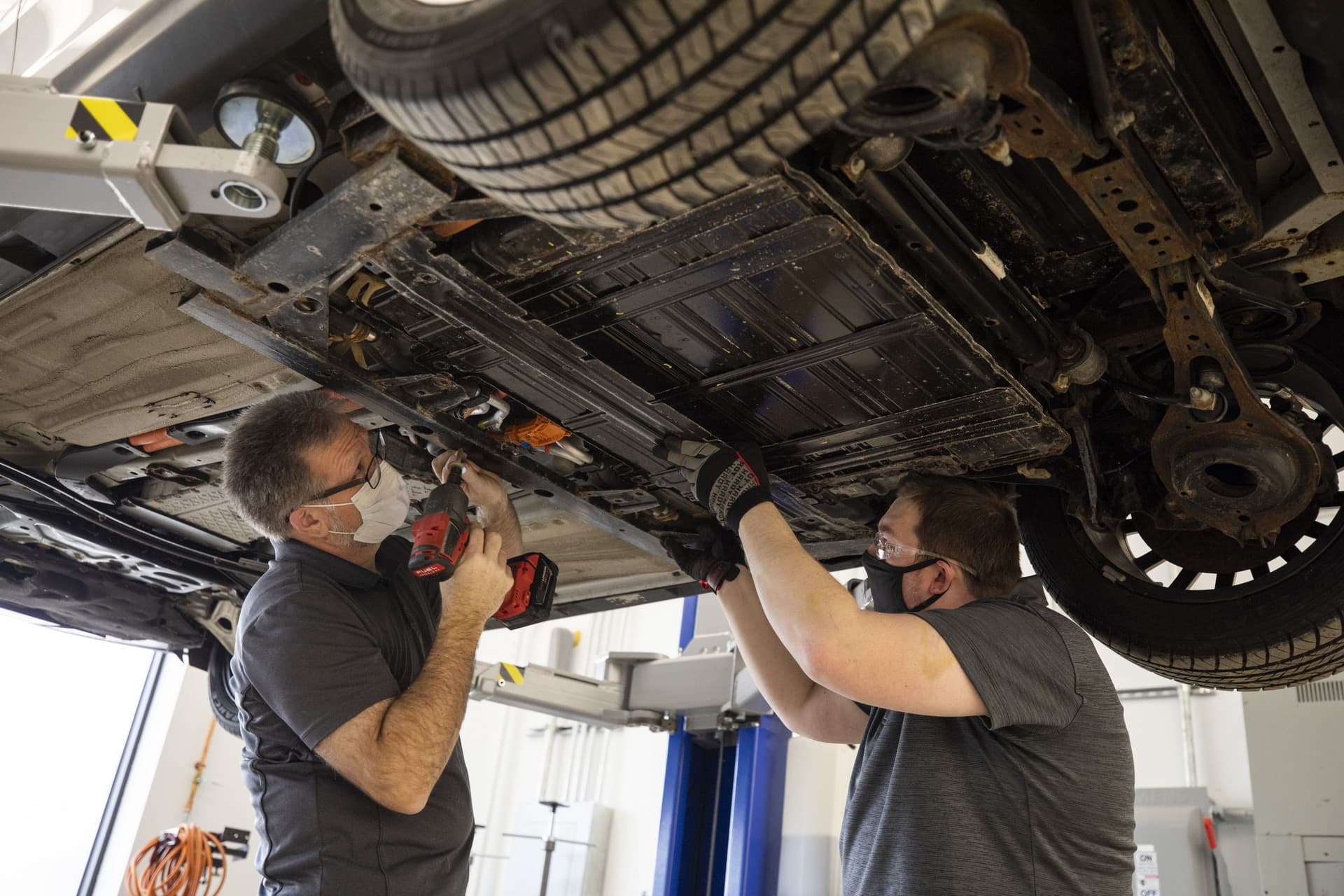
It’s widely recognized that EVs rank among the most reliable cars on the road, with maintenance and service expenses often far lower than those of traditional ICE vehicles. Still, there’s one component in every electric car that stands out for its high replacement cost: the battery. In some cases, replacing it can set you back $16,000 or even more. That’s why it’s crucial to be aware of early warning signs that may indicate your EV’s battery is beginning to experience issues. In this guide, we’ll highlight the most common red flags to watch out for and help you stay ahead of costly problems. Let’s get started!
When Your EV Doesn’t Match the Promised Range
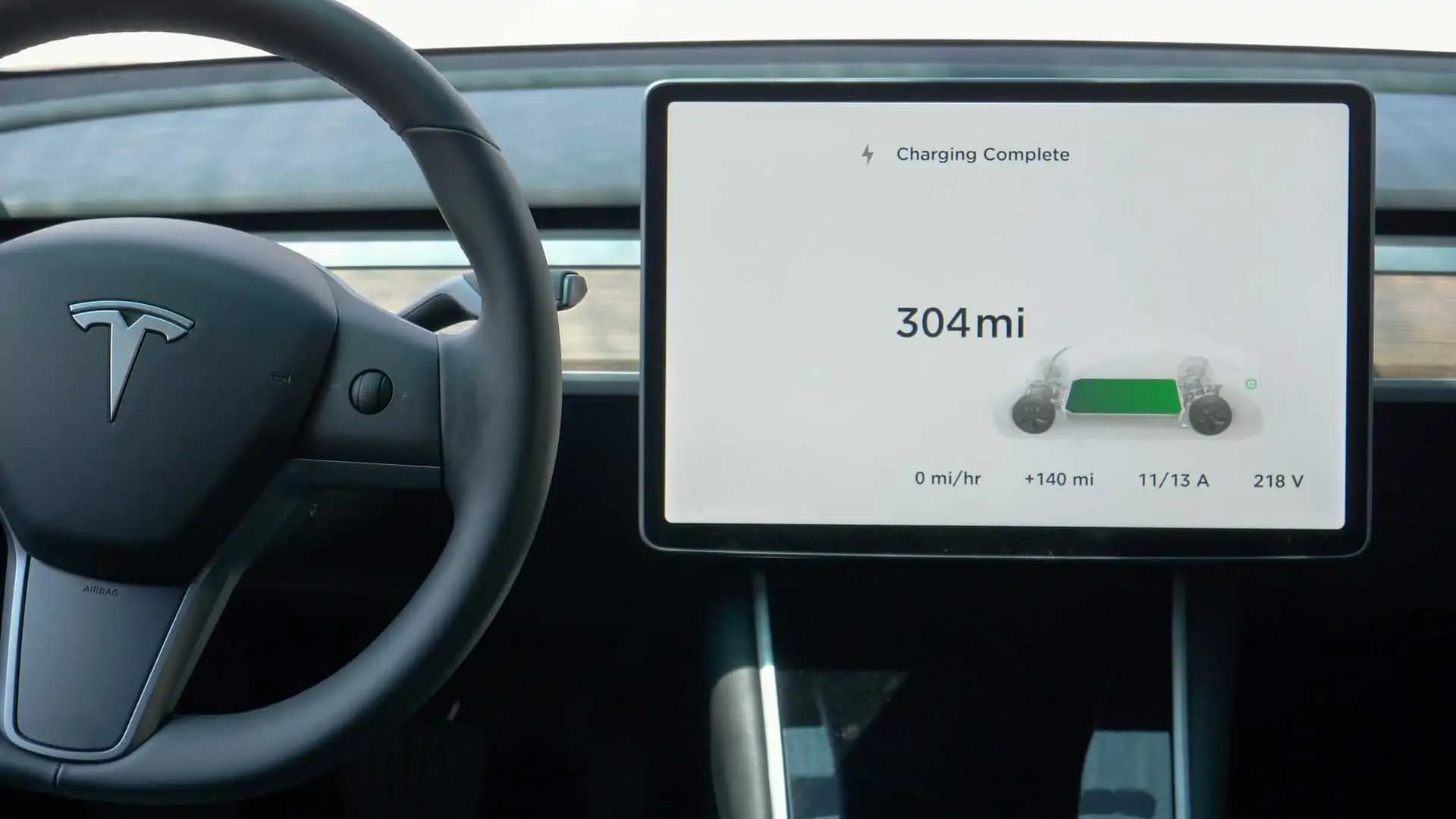
If you notice that your EV can’t travel as far on a full charge as it once did, it’s a good idea to check the actual range against expectations. The simplest way to do this is by charging your vehicle all the way to 100% and comparing the projected mileage on the display with the official figures provided by the manufacturer or the EPA. If the number you see is consistently lower than what was promised, this is a clear indication that your battery has started to degrade. In such cases, the loss of capacity may already be affecting your daily driving, and it could mean that a battery replacement will be necessary soon or in some situations, even right away.
When Your EV Charges Slower Than Expected
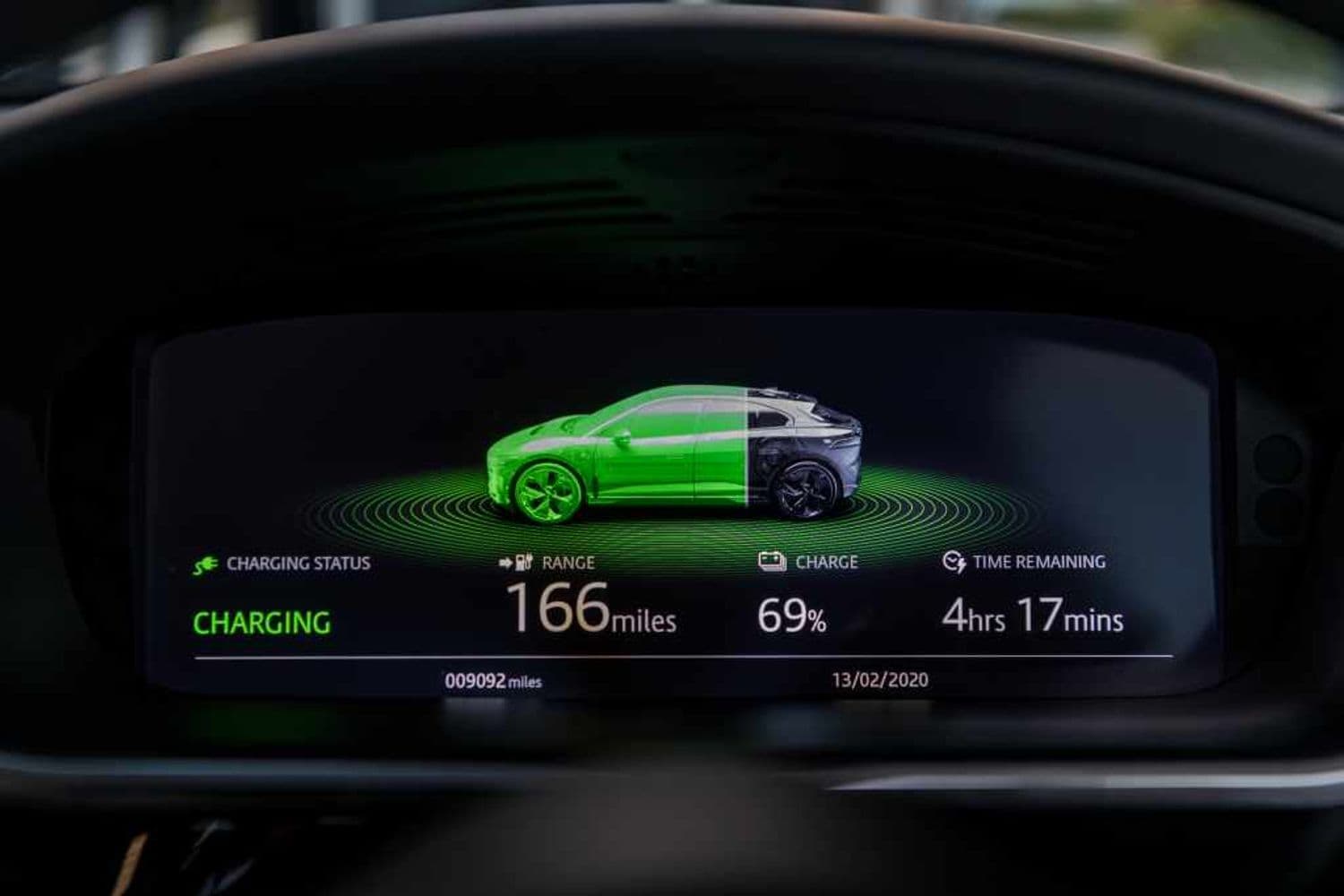
If you find that your EV is charging much slower than it used to or slower than the brand’s official estimations it’s a signal worth paying attention to. To test this, plug your vehicle into a fast charger that matches your car’s capabilities and check whether the charging rate displayed on the screen aligns with the manufacturer’s advertised peak speeds. If the numbers are consistently lower, it could indicate that the battery is struggling to accept power at the expected rate. This may be caused by battery degradation, damaged cells, or issues with the thermal management system. In any case, slower-than-expected charging is often an early warning sign that your EV’s battery health is declining and might require professional inspection or even replacement.
Phantom Drain: Energy Loss Without Driving
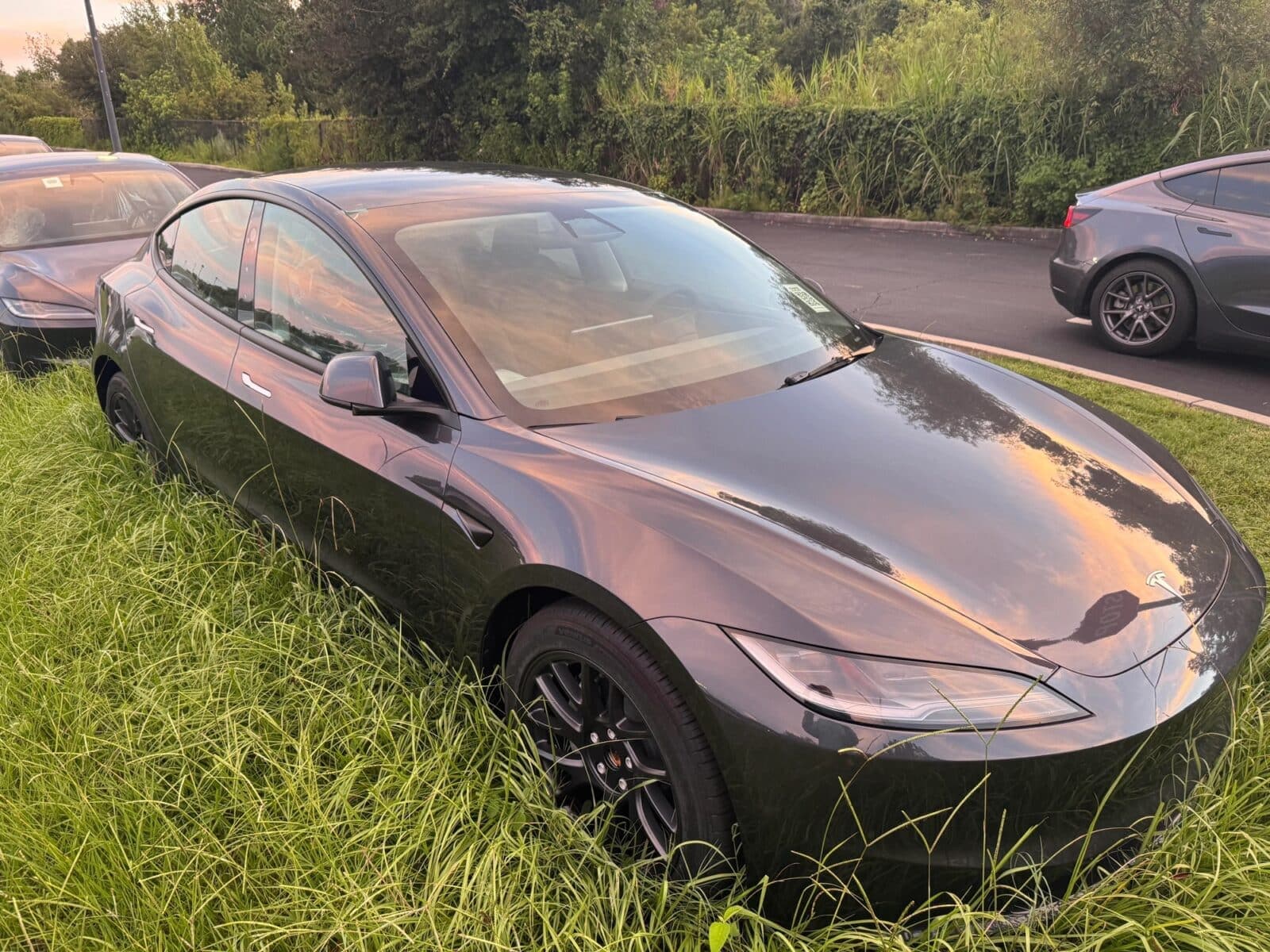
Phantom drain happens when your EV loses energy even while parked and not in use. Normally, a small amount of power loss is expected since the car keeps systems like battery management or connectivity features running in the background. However, when this drain becomes excessive, such as losing several percent of charge overnight, it’s a red flag. To check, leave your EV fully charged and parked for a day or two, then compare the battery percentage afterward. If the loss is significantly higher than the brand’s normal expectations, the issue may point to battery degradation, faulty software, or a malfunction in the thermal system. Persistent phantom drain is more than just inconvenient; it can signal that your EV’s battery health is deteriorating and needs closer inspection.

Sudden Power Loss
Sudden power loss while driving is one of the most alarming experiences for EV owners. In some cases, it may be connected to the battery, especially if the pack struggles to deliver consistent power under load. However, it isn’t always the battery’s fault. Faulty electric motors, malfunctioning inverters, or wiring issues can also cause your EV to lose power without warning. If this happens, you might notice reduced acceleration, unexpected stalling, or the car switching into limp mode. Regardless of the source, sudden power drops should never be ignored, as they compromise both safety and performance. A professional diagnostic is the best way to pinpoint whether the problem lies in the battery itself or within the broader electric drivetrain.
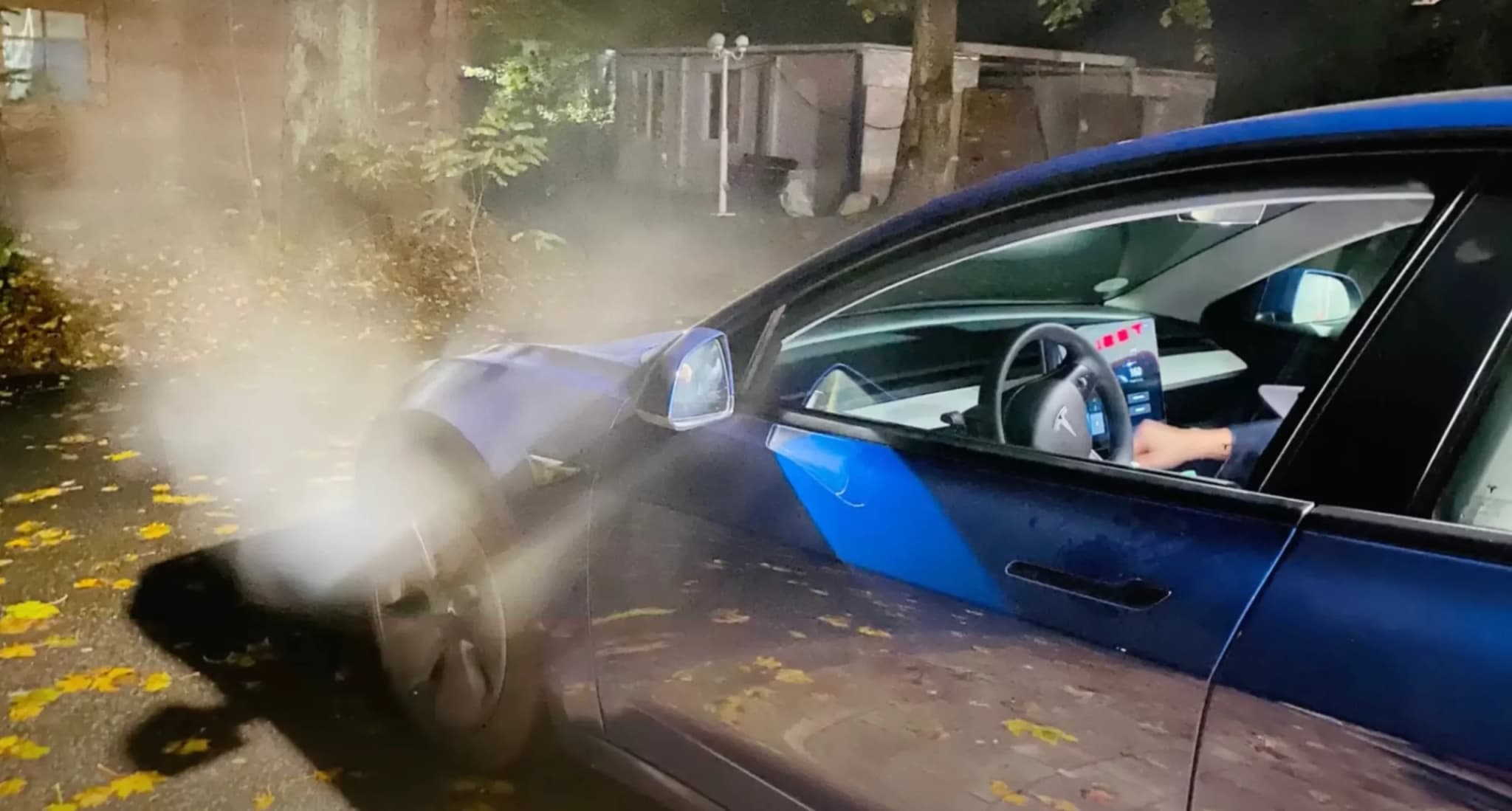
When Your EV’s Battery Makes Strange Sounds or Odors
Strange sounds or unusual odors coming from your EV’s battery are red flags that should never be overlooked. While EV batteries are generally silent and odorless, hissing, popping, or crackling noises may point to internal issues such as overheating, short-circuiting, or gas buildup inside the cells. Similarly, a strong chemical or burning smell is often a sign of leaking electrolytes or thermal stress, both of which can quickly escalate into serious safety hazards if ignored. These warning signals usually indicate that the battery is under severe strain and may be nearing failure. At the first sign of unusual sounds or odors, it’s crucial to stop driving and have your EV inspected by a certified technician to prevent further damage or potential fire risks.
EV.com Insight
Owning an EV comes with plenty of benefits, such as lower running costs, fewer service needs, and a cleaner drive, but keeping an eye on your battery’s health is essential. From reduced range and slower charging speeds to phantom drain, sudden power loss, or even strange noises and odors, these warning signs can indicate trouble before it turns into a costly repair. Since replacing a battery can run into the tens of thousands, catching issues early can save both money and peace of mind. Regular monitoring, proper charging habits, and timely professional checkups will help you get the most out of your EV’s battery, ensuring it delivers safe and reliable performance for years to come.
If you’d rather avoid the high costs of a battery replacement and instead switch your older EV for something newer and more reliable, we’ve got you covered. In our Search section, you’ll find thousands of the best EV deals from certified dealers across the country. Don’t miss the chance to discover your next electric car: with confidence, safety, and great value all in one place.
Comments
Categories
Subscribe for EV News and Reviews

AI Employee for Car Dealerships
Results in 30 days - Or We'll Give You Your Money Back