Nissan and Connected Energy To Advance UK’s Zero-Emission Vehicle and Battery Tech
The Collaborative Project Is Valued At £30.1 Million That Includes £15 Million From The APC UK
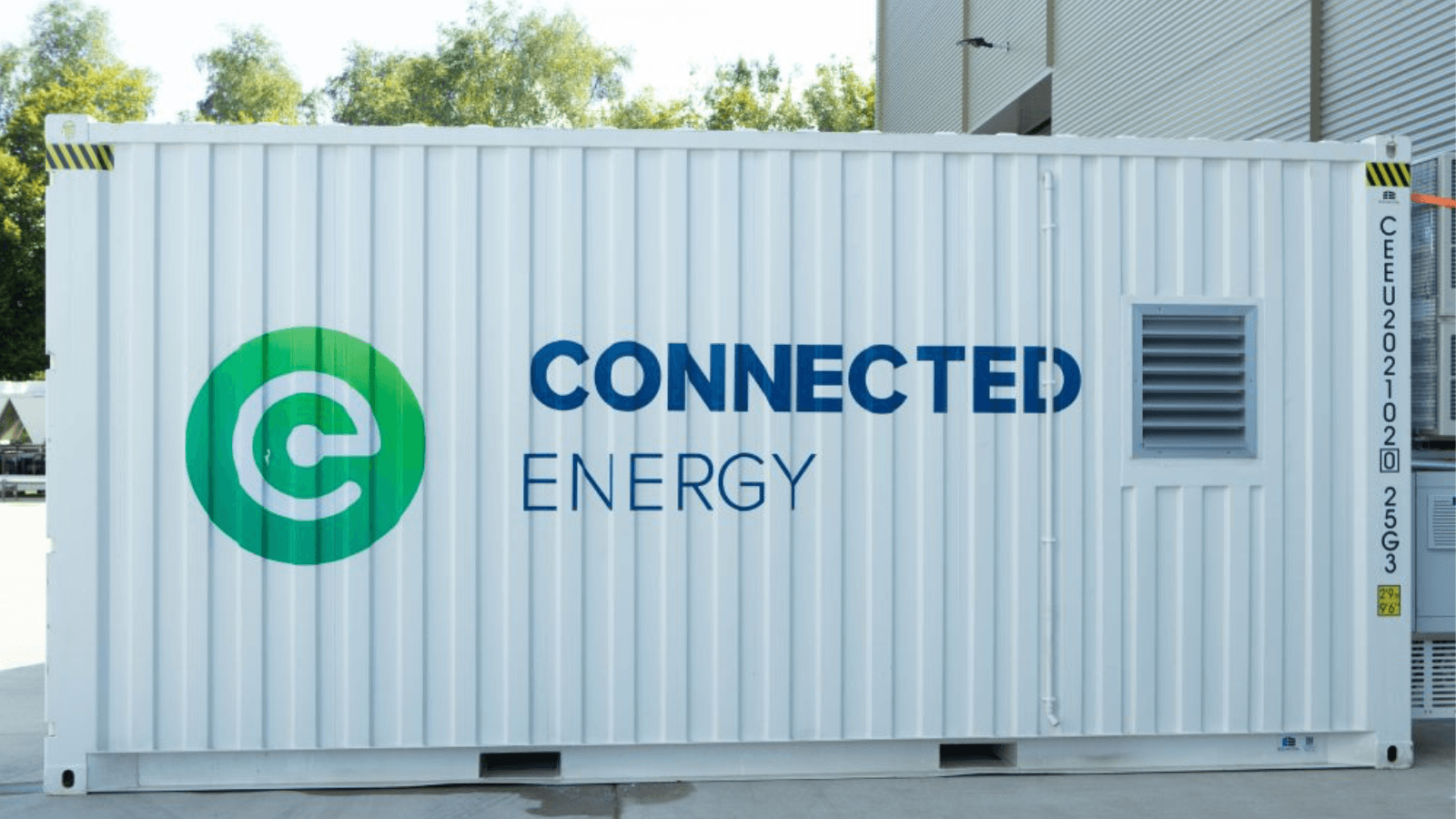
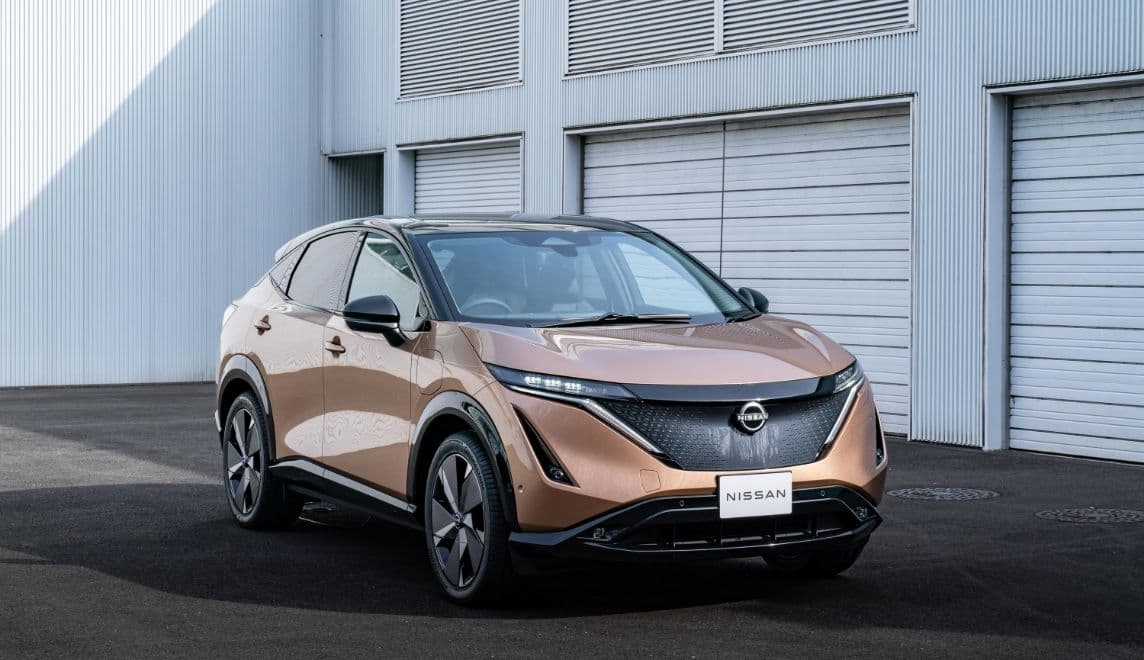
Nissan recently announced a collaboration with Connected Energy on a project aimed to bolster the United Kingdom’s (UK) research and development capabilities in zero-emission vehicles and battery technology in electric vehicles (EVs).
Innovation With Connected Energy
The collaboration, led by Nissan, is part of a £30.1 million ($38,1 million) consortium project that includes £15 million ($19 million) in funding from the Advanced Propulsion Centre UK (APC). Moreover, the project’s primary goal is to strengthen the UK’s expertise in EV battery reuse, recycling, and grid balancing.
In addition, Connected Energy will spearhead the second-life battery element of the project. With Connected Energy’s knowledge in specializing in designing and developing energy storage systems using repurposed EV batteries, its systems will address various energy challenges including grid capacity issues, maximizing renewable energy use, and enhancing energy resilience.
Currently, Connected Energy produces 300-kilowatt systems for smaller-scale industrial and commercial applications. This new initiative is crucial for the company’s strategy to scale up its technology in response to the anticipated surge in available second-life batteries in the coming years.
Furthermore, the project will focus on developing advanced energy storage technology that can integrate multiple battery types with varying health and performance characteristics. With this innovative approach, it aims to demonstrate the competitiveness of large-scale second-life systems against new lithium-ion systems.
Repurposing EV Batteries
The project is set to deploy a multi-megawatt system scheduled to be operational in 2025. In detail, this large-scale battery energy storage system will support energy flexibility and demand markets by storing excess energy and selling it back to the grid during high-demand periods. Notably, the collaboration also includes Altilium to further strengthening the project’s focus on creating a circular economy for EV batteries.
Matthew Lumsden, CEO of Connected Energy, expressed enthusiasm about the collaborative project stating, “Our goal is to develop and demonstrate a pioneering economic model for large-scale second-life energy storage systems that can be easily scaled up further and replicated. This will place Connected Energy and our network of partners at the leading edge of second-life battery use.”
By repurposing EV batteries before recycling, the project’s goal is to make EVs more sustainable than they already are while supporting the decarbonization of the electricity grid. With this project tasked to advance the UK’s position in EV battery technology, the potential outcome will contribute to the transition to electric mobility through battery sustainability practices.
If you are looking for Nissan models, we can help you get started. Click Here to find the best deals near you. Want to learn more about EV? Thinking of buying an EV? Head over to EV.com discover more.
Comments
Categories
Related news

Subscribe for EV News and Reviews

AI Employee for Car Dealerships
Results in 30 days - Or We'll Give You Your Money Back