EU Pressures UK to Raise Tariffs on Chinese Cars Amid ‘Made in Europe’ Push
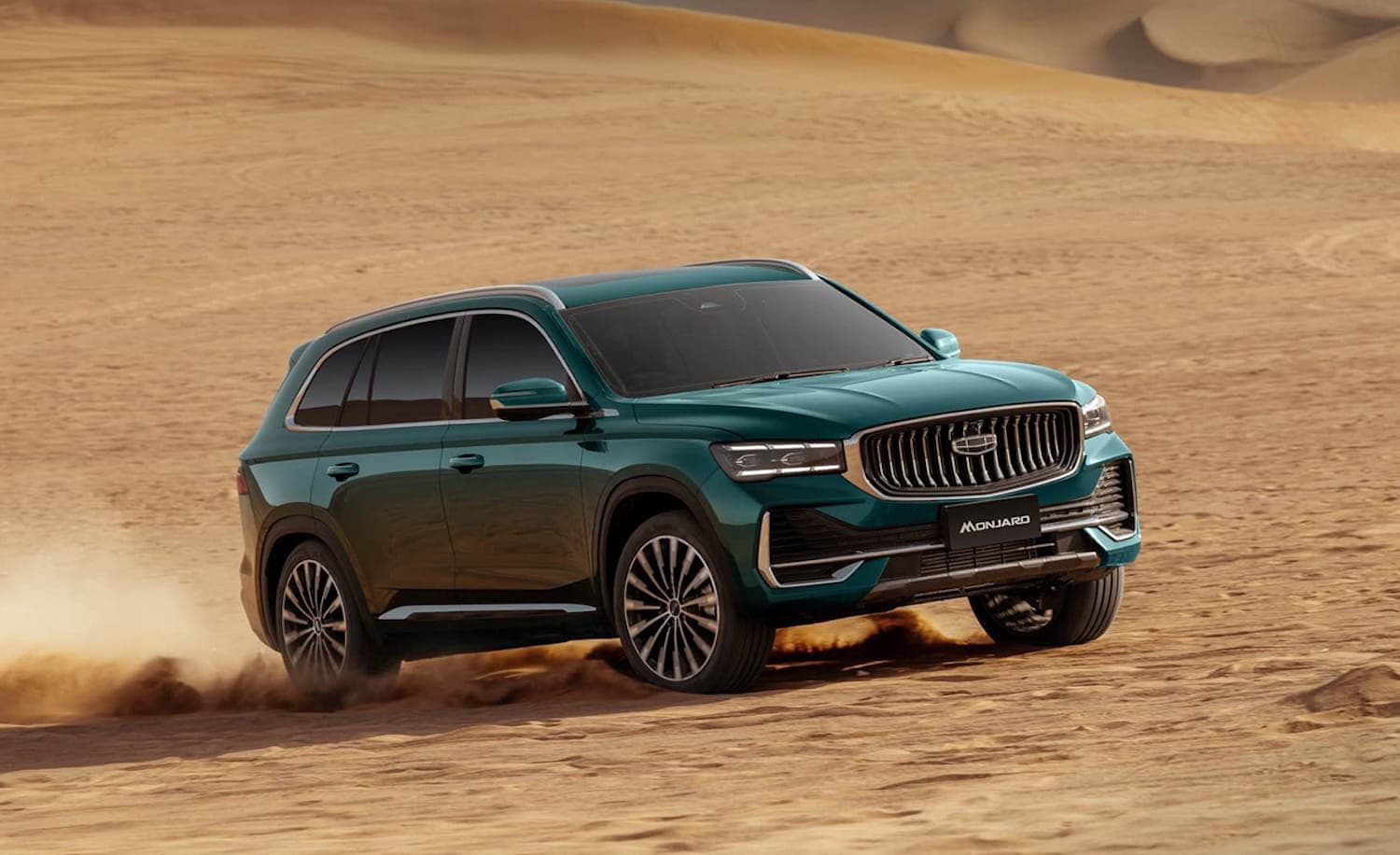
The European Union is urging the United Kingdom to raise tariffs on Chinese cars and align more closely with the bloc’s trade policy.
The move is tied to negotiations over Britain’s inclusion in the EU’s “Made in Europe” industrial policies, with Brussels concerned that lower UK tariffs could allow Chinese vehicles to enter the European market through Britain.
EU concerned about tariff differences
The EU has told UK Prime Minister Andy Burnham that closer alignment on Chinese vehicle tariffs could help Britain avoid barriers affecting key exports under the bloc’s “Made in Europe” policies. EU officials have also suggested that joining the EU customs union would provide a broader solution to the differences in trade policy.
One EU official told the Financial Times that a customs union would address both the “Made in Europe” issue and concerns that tariff differences could allow Chinese goods to be routed through the UK into the EU.
The UK government said it makes trade decisions independently based on the country’s economic interests and those of its industries. It also said Britain and Europe face many of the same challenges and that protecting trade flows between them remains important, according to Ford Authority.
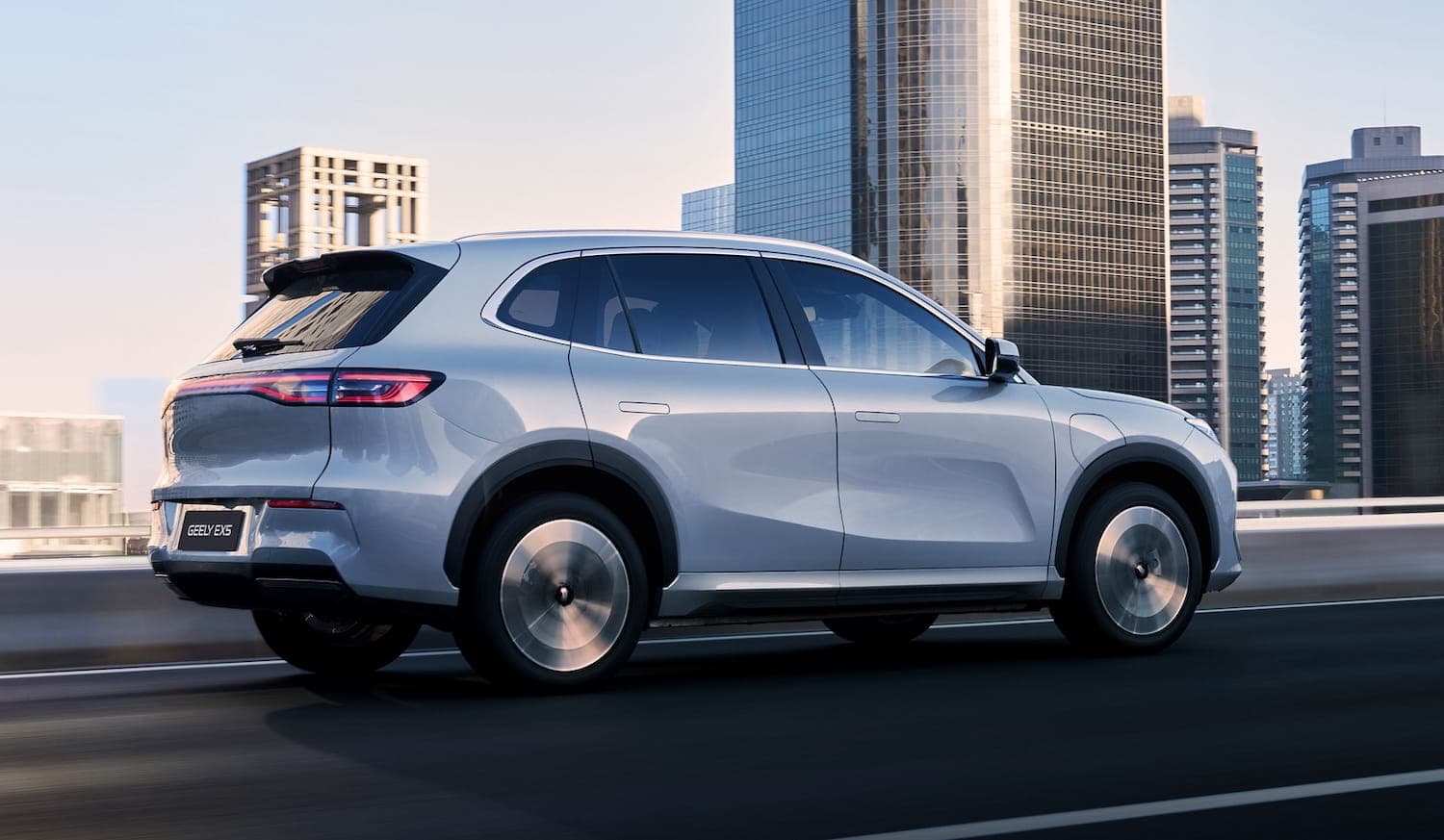
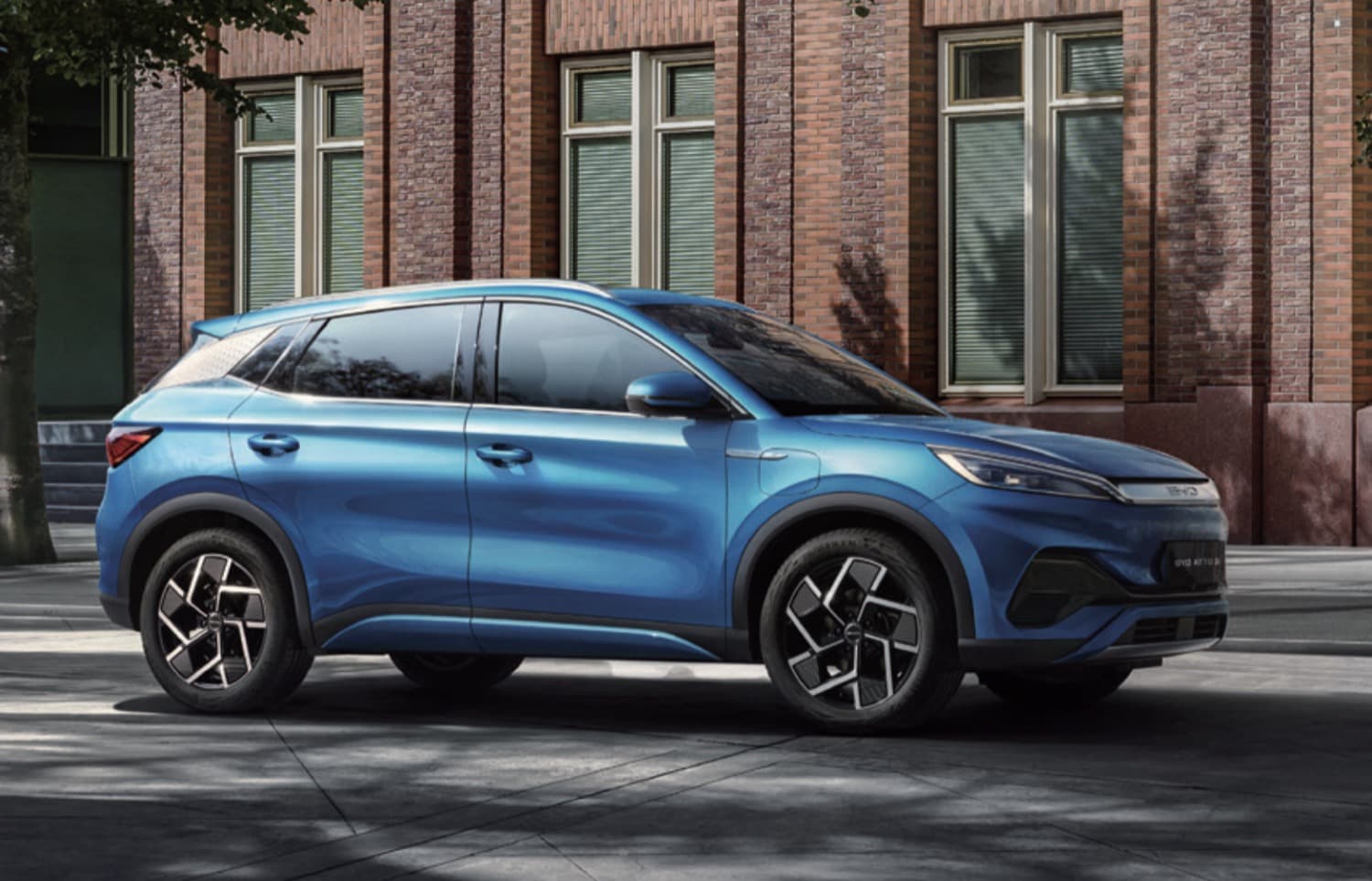
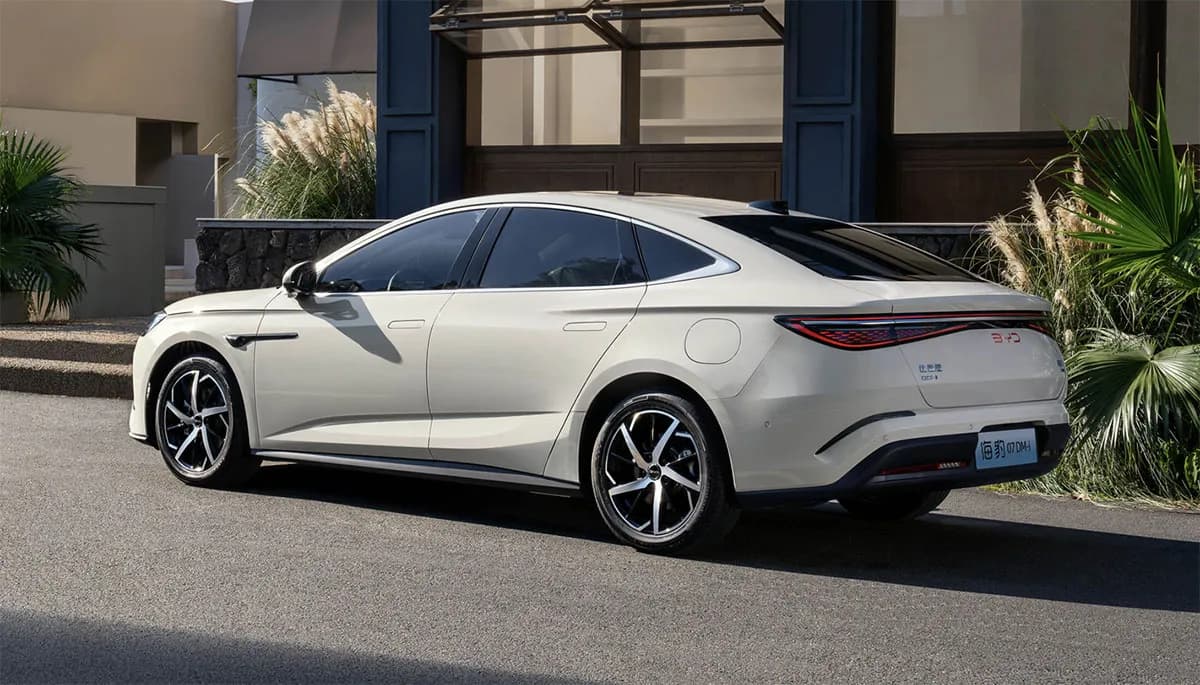
The UK did not impose the additional tariffs on Chinese electric vehicles that the EU introduced in 2024. As a result, Chinese-made vehicles have captured a significant share of Britain’s new-car market, while the UK is also seeking Chinese investment in domestic automotive production.
UK seeks access to European industrial policies
The tariff dispute is connected to Britain’s efforts to secure treatment similar to EU companies under the bloc’s proposed “Made in Europe” policies. Those rules are intended to favor European manufacturers in areas including subsidies and public procurement.
The UK government has been lobbying Brussels for its automotive, chemical and energy supply chains to receive similar treatment. British officials have also argued that excluding UK companies could affect industries that remain closely connected to European supply chains.
At the same time, raising tariffs on Chinese vehicles would reduce some of Britain’s post-Brexit trade-policy flexibility. The UK is also seeking Chinese investment in its automotive sector, including plans involving Chinese automaker Chery and Nissan’s Sunderland facility.
The EU’s request therefore puts Britain’s vehicle trade policy toward China alongside its broader negotiations with Brussels over access to European industrial programs. The UK has not agreed to adopt the EU’s additional Chinese EV tariffs.
EV.com tracks the evolving EV collector space and performance electric vehicles hitting the market. Explore our listings to find the best EVs in your area available today.
Comments
Categories
Related news

Subscribe for EV News and Reviews

AI Employee for Car Dealerships
Results in 30 days - Or We'll Give You Your Money Back