How Better-Built EV Parts Cut Repair Costs
Ask any EV owner what worries them most and you’ll usually hear the same thing: range, battery health, and what happens when something expensive fails

Ask any EV owner what worries them most and you’ll usually hear the same thing: range, battery health, and what happens when something expensive fails. While software updates and diagnostics get most of the attention, a lot of long-term cost comes down to something far less glamorous—how well the physical parts were built in the first place.
The quality of an EV’s motors, gearboxes, battery housings, and cooling hardware quietly determines whether those cars stay on the road with minimal drama or turn into repeat visitors at the service bay.
Where EV Parts Actually Come From
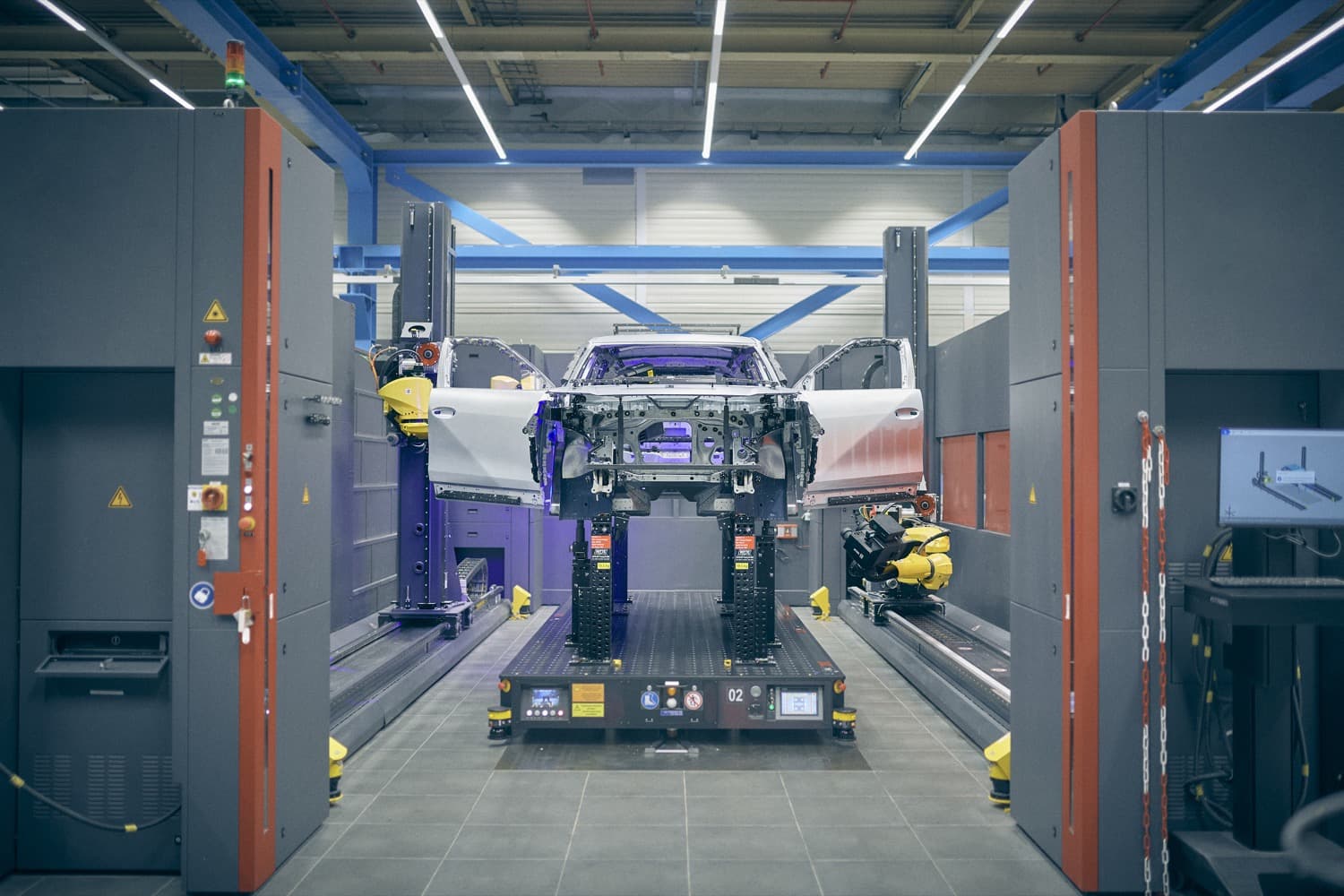
Most drivers never see the manufacturing side, but it’s where repair costs really start. Major automakers are pouring billions into EV plants and component factories specifically to control quality better. Honda, for example, is building a multi-plant EV and battery hub in Canada, while BMW, VW, and others are standing up dedicated battery and drive-unit facilities to handle critical parts in-house rather than relying on generic suppliers. These investments aren’t just about capacity—they’re about consistency.
Inside those factories, structural components, motor housings, and battery trays go through casting, forging, and then a series of cutting and finishing steps. This is where the tolerances that technicians live with are set. Precision fixtures, CNC programs, and the right machining end mills are what keep mounting faces flat, bores round, and sealing surfaces smooth enough to trust. When that upstream work is sloppy, no amount of careful torqueing in the workshop will fully hide it.
How Manufacturing Quality Shows Up in the Repair Bay
You can see the impact of part quality in how often a shop has to “fix the fix.” The U.S. Department of Energy notes that electric vehicles typically have lower scheduled maintenance costs than internal combustion vehicles, in part because they have fewer moving parts and less fluid-based systems to service. That advantage starts to erode when EVs are built or repaired with components that don’t fit or last like they should.
Take an example techs know well: a drive-unit or reduction gearbox replacement. If the machined surfaces on the housing are slightly out of spec, you may see small misalignments that translate into noise, vibration, or premature bearing wear. Everything might bolt together, but the unit will never quite feel right. The same thing happens with battery pack hardware—if cooling plates and housings aren’t flat or ports don’t line up cleanly, you’re more likely to fight with leaks, trapped air, or uneven temperatures across the pack.
On paper, those are “manufacturing problems.” In practice, they land in the lap of whoever is doing the repair. Technicians end up spending extra time fettling parts, chasing noises, or re-doing seals that never had a fair chance. Warranty departments see more claims. Owners start to lose confidence in the car and the brand, even if the root cause was a supplier cutting corners months earlier.
Design and Process Choices That Lower Future Repair Bills
The encouraging part is that a lot of these issues are preventable. Better EV parts don’t happen by accident; they come from specific design and process decisions that directly influence what happens years later in a repair bay.
One big lever is how interfaces are designed. When engineers prioritize robust, forgiving interfaces—wider sealing lands, accessible fasteners, self-locating dowels—they make it much easier for a tech to replace a component without introducing new problems. That’s especially important in EVs, where battery packs and drive units are heavy, tightly packaged, and often buried behind other modules.
Another lever is how aggressively manufacturers standardize on proven machining and inspection processes. If a battery tray design requires a certain flatness and surface finish for its gasket to seal, that has to be backed up by process capability, not wishful thinking. That means locking in stable tooling, cutting parameters, and inspection routines rather than constantly switching suppliers or tool types to save a few cents. The cost difference on a cutting tool is negligible compared to a pack leak that leads to a warranty replacement.
For fleets and high-mileage drivers (taxis, ride-hail, delivery), these details show up as fewer unexpected visits and shorter downtime when service is needed. A pack that drops, reseals, and resets predictably isn’t just “nice” engineering—it’s a direct line item in total cost of ownership.
What This Means for EV Owners and Fleet Managers
Individual owners don’t get to choose how their battery housing was machined, but they’re not powerless. The way you shop, maintain, and repair an EV can either lean into good manufacturing practices or accidentally reward bad ones.
When you’re evaluating a brand or model, pay attention to how it’s built, not just how it accelerates. Automakers that emphasize in-house motor and battery production, publish clear service procedures, and talk openly about part remanufacturing and recycling usually have a stronger handle on part quality. It’s not a guarantee, but it’s a useful signal.
When repair time comes, ask how your shop sources components. Are they using OEM or high-quality remanufactured parts, or the cheapest thing available online? A quality drive unit or battery module costs more up front but is far less likely to trigger follow-on issues that eat into any initial savings. For fleets, it’s worth tracking which part sources correlate with repeat jobs or unexpected downtime—you’ll often find that a handful of component vendors are responsible for most of the headaches.
Finally, ask the unglamorous questions about warranty and testing. A shop that pressure-tests cooling loops after a pack service, or that road-tests an EV long enough to catch intermittent issues, is effectively validating that those components are performing as designed. It’s an extra layer of insurance on top of factory quality.
Conclusion
Better-built EV parts aren’t just about bragging rights on a spec sheet. The way motors, gearboxes, battery housings, and structural hardware are designed and machined quietly shapes how often you’ll be back at the service bay and how painful those visits will be. When manufacturers invest in solid processes and repair shops commit to quality components, the payoff shows up in fewer surprises, shorter downtime, and EVs that feel as solid at 100,000 miles as they did on day one.
Comments
Categories
Related news



Subscribe for EV News and Reviews

AI Employee for Car Dealerships
Results in 30 days - Or We'll Give You Your Money Back