Generation Divide In EV Adoption: Do Younger Americans Prefer Chinese EVs?
Recent Surveys Have Found That The Younger Generation Are More Open To Chinese EVs With Millennials And Gen Z At The Forefront
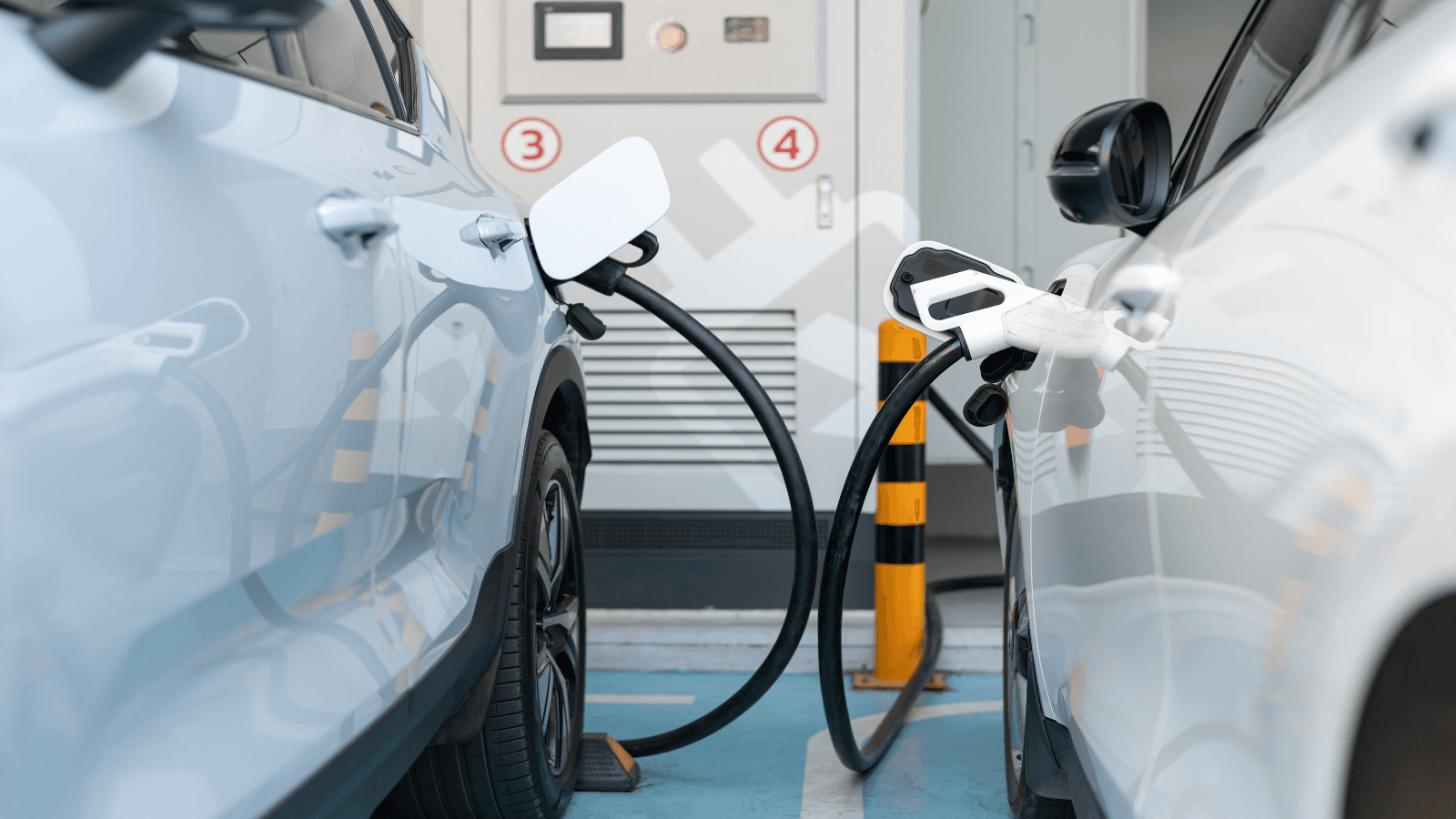
When it comes to electric vehicles (EVs), the modern technology and new functions may alienate certain demographics With the younger generation, their openness to EVs have been reflected in the current automotive landscape as there are now more EVs in the road than before. However, does this apply to Chinese EVs as well?
Generation Divide
For the case of EVs, the general consensus for young buyers lean toward EVs. Previously, a survey from the 2022 State of the American Driver Report found that Millennials from ages 25 to 40 are most eager to go electric, followed by Gen Z ages 16 to 24.
Currently, the Zebra’s Electric Vehicle Report underline that Millennials are at the forefront of the transition to electric mobility with 63% considering an EV as their next vehicle while Baby Boomers show much less enthusiasm with only 38% expressing similar interest.
Through these findings, this gap highlights that while Baby Boomers still remain loyal to traditional gas cars, there is a strong and expanding interest among Gen Z buyers when it comes to electric mobility or sustainable transportation solutions.
As a result, the varying attitudes towards new automotive technologies across different age groups, suggesting that younger generations are more receptive to the environmental benefits and technological advancements offered by EVs with this trend signalling a shift in the automotive landscape in the near future as younger drivers enter the market in larger numbers.
Perspective On Chinese EVs
With the headlines leaning towards Chinese EVs imported into certain EV market in the globe, there are a mix of different reactions and the question lies whether young Americans would feel the same for Chinese EVs. A recent AutoPacific survey has found that younger Americans are more open to Chinese vehicles along with EVs, where nearly half of the American respondents are familiar with Chinese EV brands even though there are no Chinese EVs sold on U.S. soil.
The survey was a part of AutoPacific’s bi-monthly Fuel Price Impact Survey, which conducted responses from nearly 800 respondents aged 18 to 80 about Chinese-branded vehicles and concerns about privacy according to AutoPacific.
As a result, 76% of respondents under the age of 40 expressed interest in purchasing vehicles from Chinese automakers, specifically Americans in their 20s and 30s would buy a Chinese EV. This enthusiasm sharply contrasts with the more conservative approach of older demographics, with only around 26% of those aged 60 and older considering Chinese-branded vehicles.
Notably, AlixPartners conducted a similar survey that found buyers across nine countries including the U.S. would buy a Chinese-brand EV if it was 20% more affordable than a comparable non-Chinese car when asked. Among those who indicated they were very or moderately likely to buy an electric car for their next purchase, 73% said yes.
With the Biden administration’s recent decision to impose a 100% tariff on Chinese-built EVs adds a layer of complexity to the evolving landscape of Chinese automotive imports. Despite tariff uncertainties, the enthusiasm among younger Americans illustrates a potential paradigm shift in the U.S. automotive landscape as well in the future.
Looming Concerns For Chinese EVs
With trade tensions of Chinese EVs obstructing its entry into global markets, the imagery being portrayed in mainstream media certainly places a particular impression onto the younger generation, especially with young Americans with the Biden Administration quadrupling tariffs on Chinese EVs. Though, it is important to note that the representation of Chinese EVs possessing advanced technological features that appears futuristic makes a big impression on them.
Interestingly, the price is also a major factor as Chinese EVs do comes more affordable than most EVs in the global market. This aspect is achieved through Chinese EVs because Chinese automakers focus on cutting down battery costs through efficient production methods and economies of scale since an EV’s battery pack accounts for 30% to 40% of the total EV cost.
What Does The Young Generation Want?
After analyzing the surveys and findings regarding this topic, it is clear that the younger generation including younger Americans are more open to Chinese EVs. With an emphasis on reducing carbon emissions and alleviating the impacts of climate change, the younger generation share this perspective with progressive strides in advocating for it, as electric mobility is one of the factors to cutting down damages upon the environment.
As the automotive industry navigates through geopolitical tensions and the potential emergence of Chinese EVs on American roads, the perception from younger Americans could mark a transformative chapter in automotive history. With the acceleration to electric mobility more important than ever, the survey results indicating a narrative of evolving buyer preferences and the global reach of automotive innovation will be reflected upon the EV market in the coming years.
Want to learn more about EV? Thinking of buying an EV? Head over to EV.com discover more.
Comments
Categories
Related news

Subscribe for EV News and Reviews

AI Employee for Car Dealerships
Results in 30 days - Or We'll Give You Your Money Back