Ford’s Electric Capri Shines With 5-Star Safety Rating Amid Production Cuts
Ford’s All-Electric Capri Crossover Has Impressed With A Top Euro NCAP Safety Score. Yet, Ford Is Scaling Back EV Production In Europe
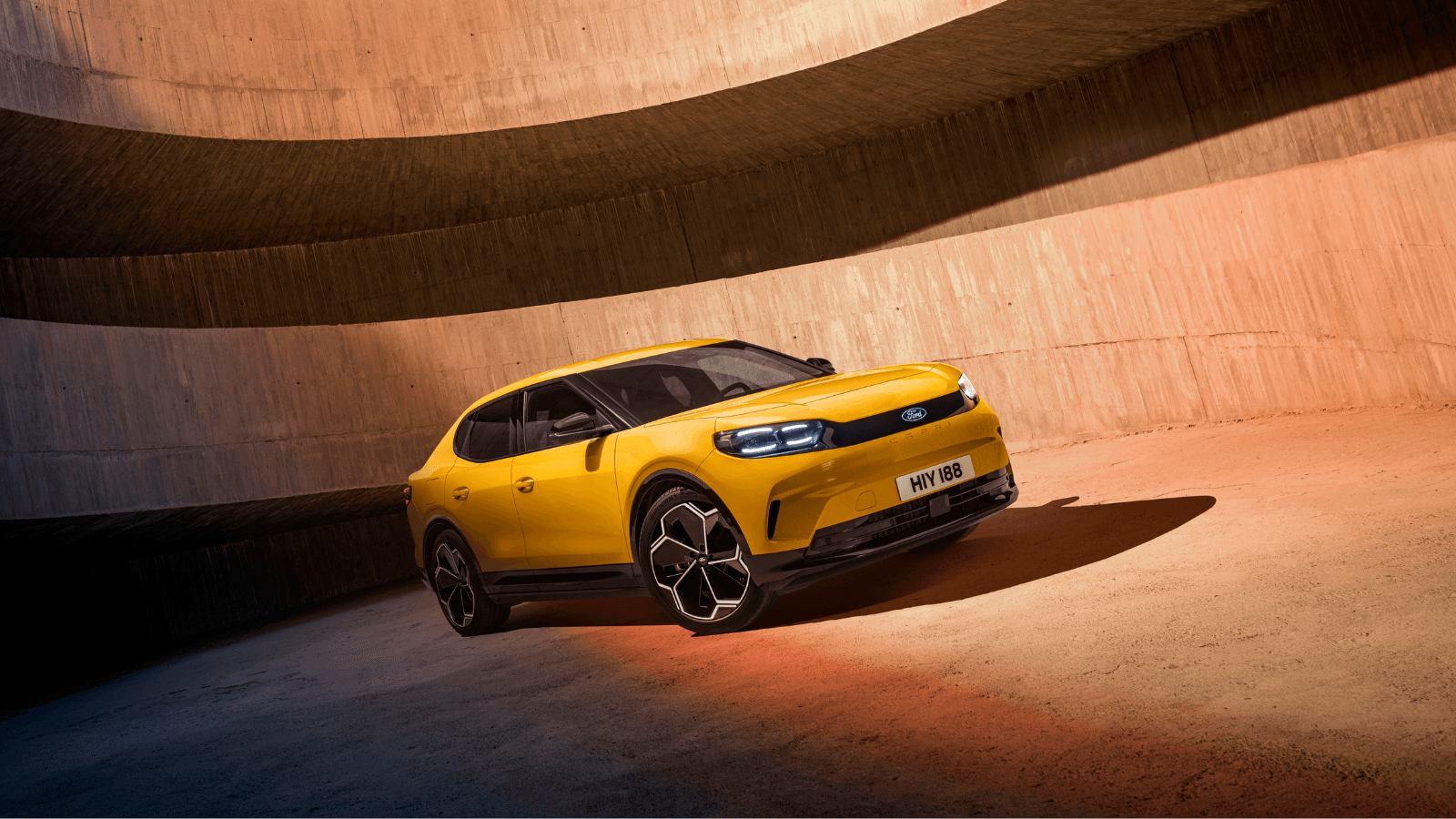
In a mixed week for Ford’s European electric vehicle (EV) strategy, the company’s new all-electric Capri crossover achieved a perfect five-star safety rating from Euro NCAP, even as the automaker announced production cuts due to weakening demand for EVs.
All-Electric Capri Shines in Safety Tests
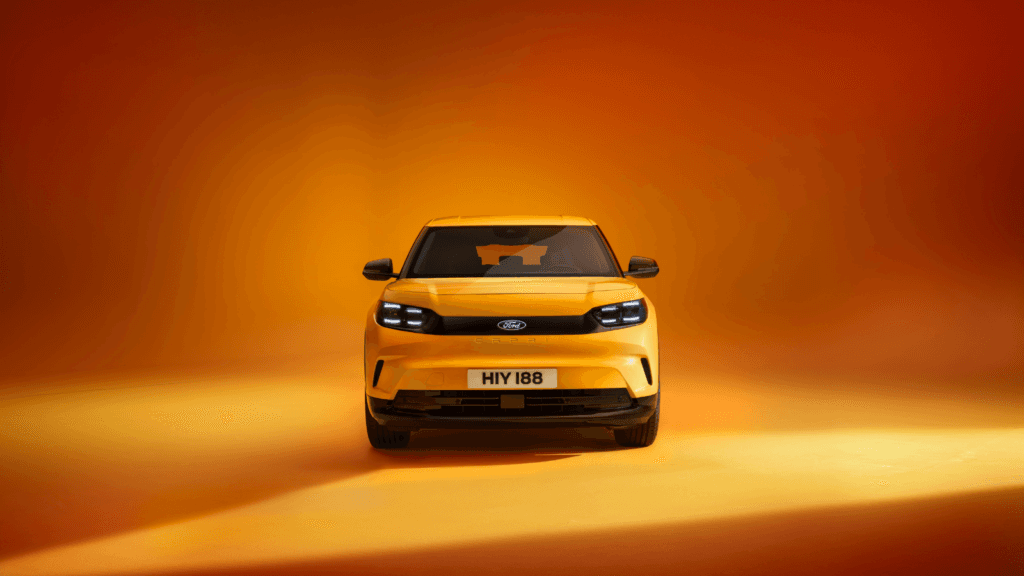
The Capri, which revives a classic Ford nameplate for an all-electric era, demonstrated strong safety credentials with scores of 89 percent for adult occupants, 86 percent for child occupants, and 80 percent for vulnerable road users.
Moreover, the EV model performed particularly well in protecting young children and showed strong capabilities in pedestrian and cyclist protection, though it received some deductions for its automatic emergency braking system’s performance in certain scenarios.
Challenges in Meeting Demand
However, the positive safety news comes against a backdrop of challenging market conditions for Ford’s EV program. The company has announced it will slow production at its Cologne Electric Vehicle Center in Germany, where both the new Capri and Explorer EVs are manufactured.
Notably, it has also been reported that workers at the plant will alternate between one week of work and one week off until the Christmas vacation period, with further shift reductions planned for early 2024.
“The significantly lower than expected demand for electric vehicles, specifically in Germany, requires a temporary adjustment of production volumes,” a Ford spokesperson told German media. “We are producing more cars than we can sell.”
Market Realities Force Strategic Shifts
The production cuts in Cologne follow Ford’s broader struggles in the European market, where the company’s new car registrations fell by 15 percent in the first nine months of 2023, according to the European Automobile Manufacturers’ Association. The challenges are not limited to Europe – Ford recently announced a six-week production pause for its F-150 Lightning pickup truck in Michigan through the end of the year.
Furthermore, the company’s EV segment, dubbed “Model e,” reported a $1.2 billion EBIT loss in the third quarter, with year-to-date losses reaching $3.7 billion. Ford now expects the segment to post a $5 billion EBIT loss for the full year.
These market challenges have already prompted Ford to revise its European strategy. The company has abandoned its previous plan to transition to an all-electric passenger vehicle lineup in Europe by 2030, opting instead to maintain a mix of internal combustion engine and hybrid vehicles alongside its electric offerings for the foreseeable future.
Cologne’s Role in Ford’s EV Future

The Cologne plant, which received a $2 billion investment to transition from producing the Fiesta to manufacturing EVs, symbolizes both the opportunities and challenges of the automotive industry’s electric transition. While Ford has demonstrated it can produce safe, technologically advanced EVs, market demand has not yet matched the company’s ambitious production plans.
As Ford navigates these challenges, it may continue refining its EV strategy, aiming to ensure sustainability and consumer alignment in its journey toward an electrified future.
If you are looking for Ford models, we can help you get started. Click Here to find the best deals near you. Want to learn more about EV? Thinking of buying an EV? Head over to EV.com and discover more.
Comments
Categories
Related news
Subscribe for EV News and Reviews

AI Employee for Car Dealerships
Results in 30 days - Or We'll Give You Your Money Back