Canada’s EV Incentive Roadblock: Automakers Step In To Fill The Gap
With The Abrupt End Of Federal EV Rebates,Automakers Like GM, Nissan, And Hyundai Are Offering New Incentives To Keep EV Sales On Track
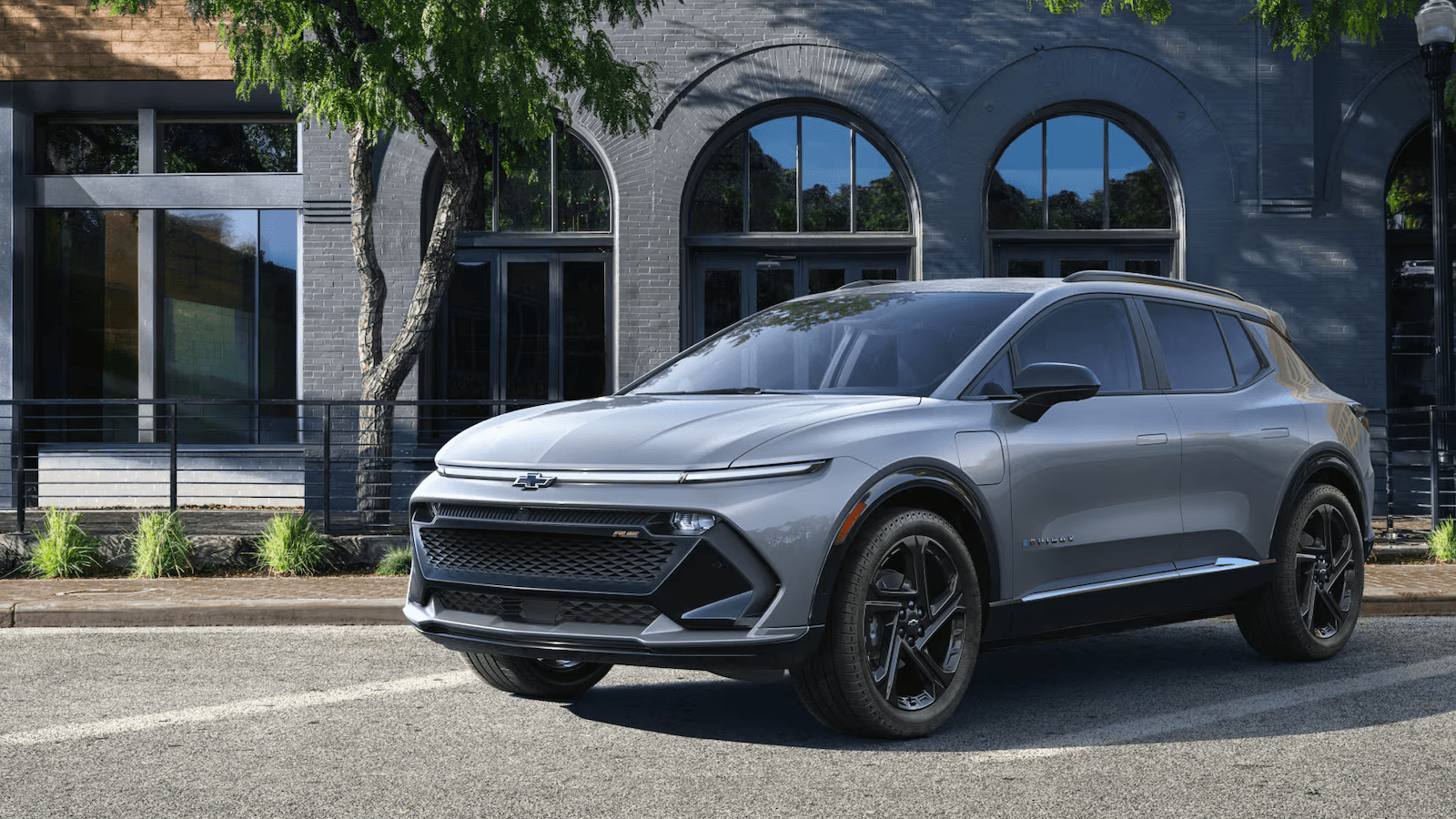
The Canadian electric vehicle (EV) market is experiencing significant turbulence following the abrupt suspension of the federal Incentives for Zero-Emission Vehicles (iZEV) Program, prompting several major automakers to introduce their own incentives to fill the sudden affordability gap for prospective EV buyers.
iZEV Program Halted
The iZEV program, which had been offering $5,000 rebates on new EVs since May 2019, unexpectedly exhausted its funding this week. The program’s termination came after a recent announcement that only $71.8 million remained in the budget—enough for around 14,360 rebates. Given that monthly EV sales in Canada average 25,000 units, the remaining funds were depleted more rapidly than anticipated, leading Transport Canada to direct dealerships to cease processing new rebate applications.
Automakers Offer Incentives
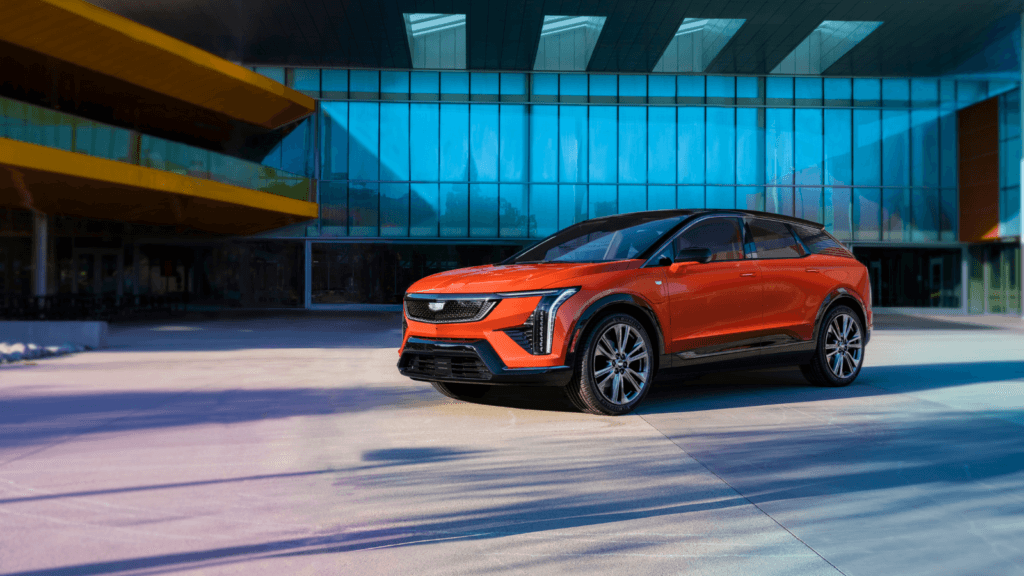
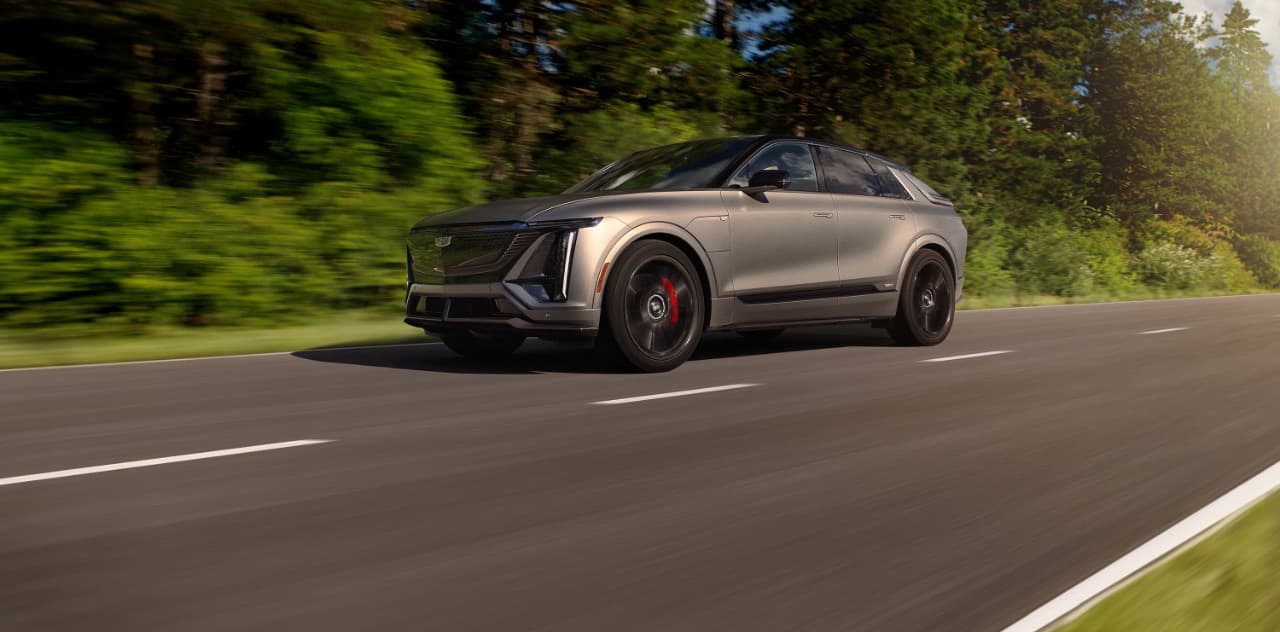
In response to this sudden change, several automakers have stepped forward with their own incentive programs. General Motors (GM) was among the first to act, announcing a $5,000 incentive on select 2024 and 2025 models, including the Chevrolet Equinox EV, Blazer EV, and Cadillac OPTIQ. The offer is available for vehicles delivered by January 31, 2025. Nissan quickly followed suit, offering an equivalent $5,000 post-tax rebate on all ARIYA models at Canadian dealerships during January.
The response from other automakers has been varied. Hyundai, Volkswagen, and Honda have also introduced similar $5,000 rebate programs, while some automakers like Kia initially indicated they had no immediate plans to offer equivalent discounts.
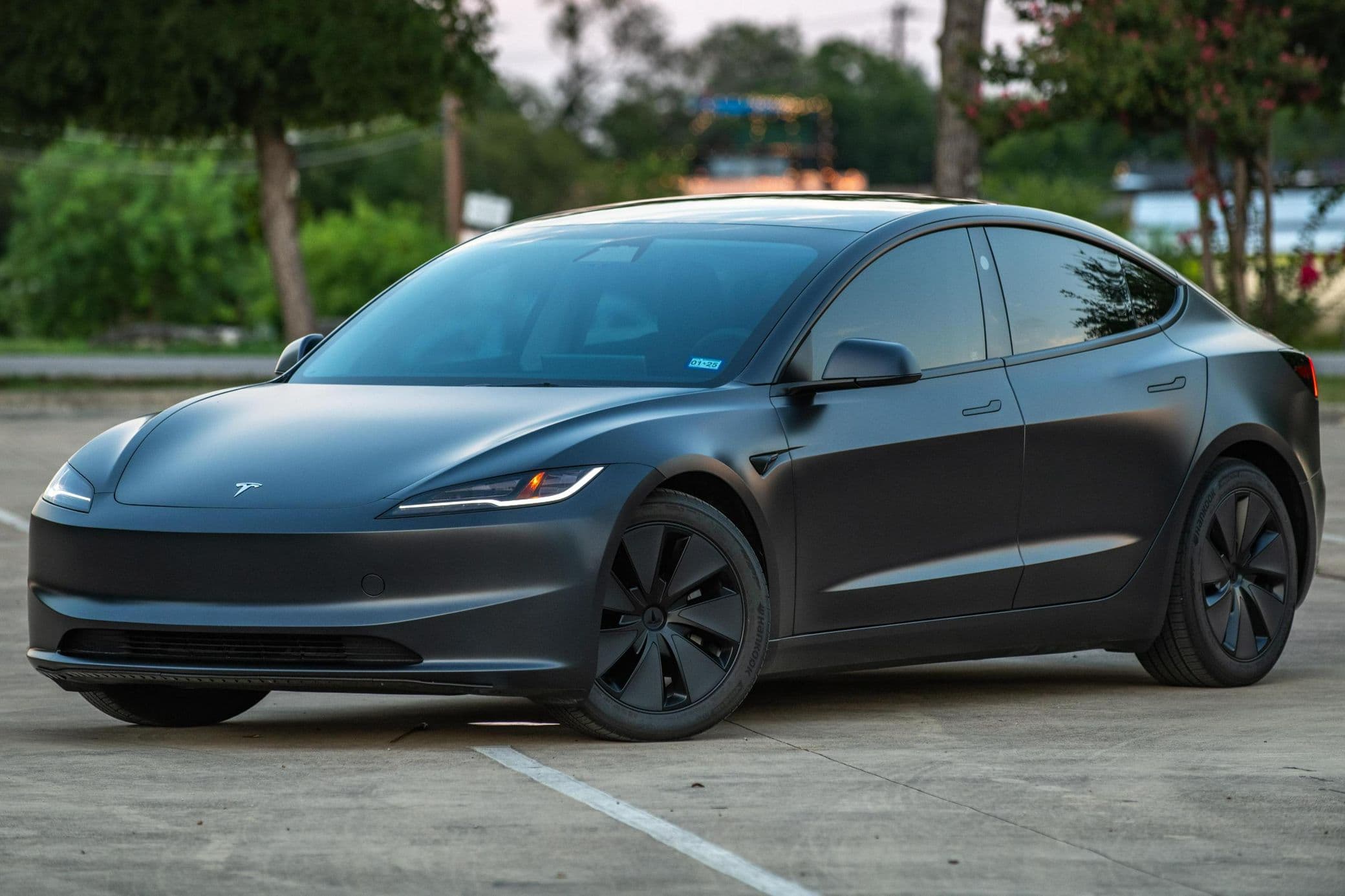
Notable among the holdouts is Tesla, which instead raised prices on all Model 3 and Model Y trims by $1,000 ahead of the program’s end, though existing orders were protected from the increase.
EV Sales in Limbo
Tim Reuss, President and CEO of the Canadian Automobile Dealers Association, expressed concern about the situation, noting that around 20,000 vehicle sales are currently in limbo. “This is not the way that things should be handled in a country such as Canada,” Reuss stated, highlighting the disconnect between the government’s ambitious EV adoption targets and the sudden withdrawal of purchase incentives.
The timing of the rebate program’s suspension is particularly challenging for the industry, as it coincides with Canada’s push to achieve 20 percent EV sales by next year. Adding to the complexity, Quebec’s provincial “Roulez vert” subsidy program is scheduled for major changes, with rebates gradually decreasing from $7,000 in 2024 to complete elimination by 2027.
Mandates vs. Incentive Gaps
Dealers and industry representatives are particularly concerned about the contradiction between government mandates for EV sales and the removal of incentives that help achieve these targets. Charles Bari of Spinelli Dealerships predicts a negative impact on EV sales, noting that many customers who had factored the federal rebate into their purchase decisions must now either pay $5,000 more or seek alternatives.
The future of federal EV incentives in Canada remains uncertain, with the upcoming federal election potentially influencing any decision to reinstate the program. While the immediate future of EV pricing in Canada may be uncertain, the automotive industry’s quick response shows its commitment to maintaining momentum in the transition to EVs, even as government support fluctuates.
Want to learn more about EV? Thinking of buying an EV? Head over to EV.com discover more.
Comments
Categories
Related news

Subscribe for EV News and Reviews

AI Employee for Car Dealerships
Results in 30 days - Or We'll Give You Your Money Back