U.S. EV Market Surges In 2024: Record-Breaking 1.3 Million EVs Sold
U.S. EV Sales Hit 8.1% And 1.3 Million Units, Fueled By Growth From New Contenders Like Ford, Hyundai, And Honda
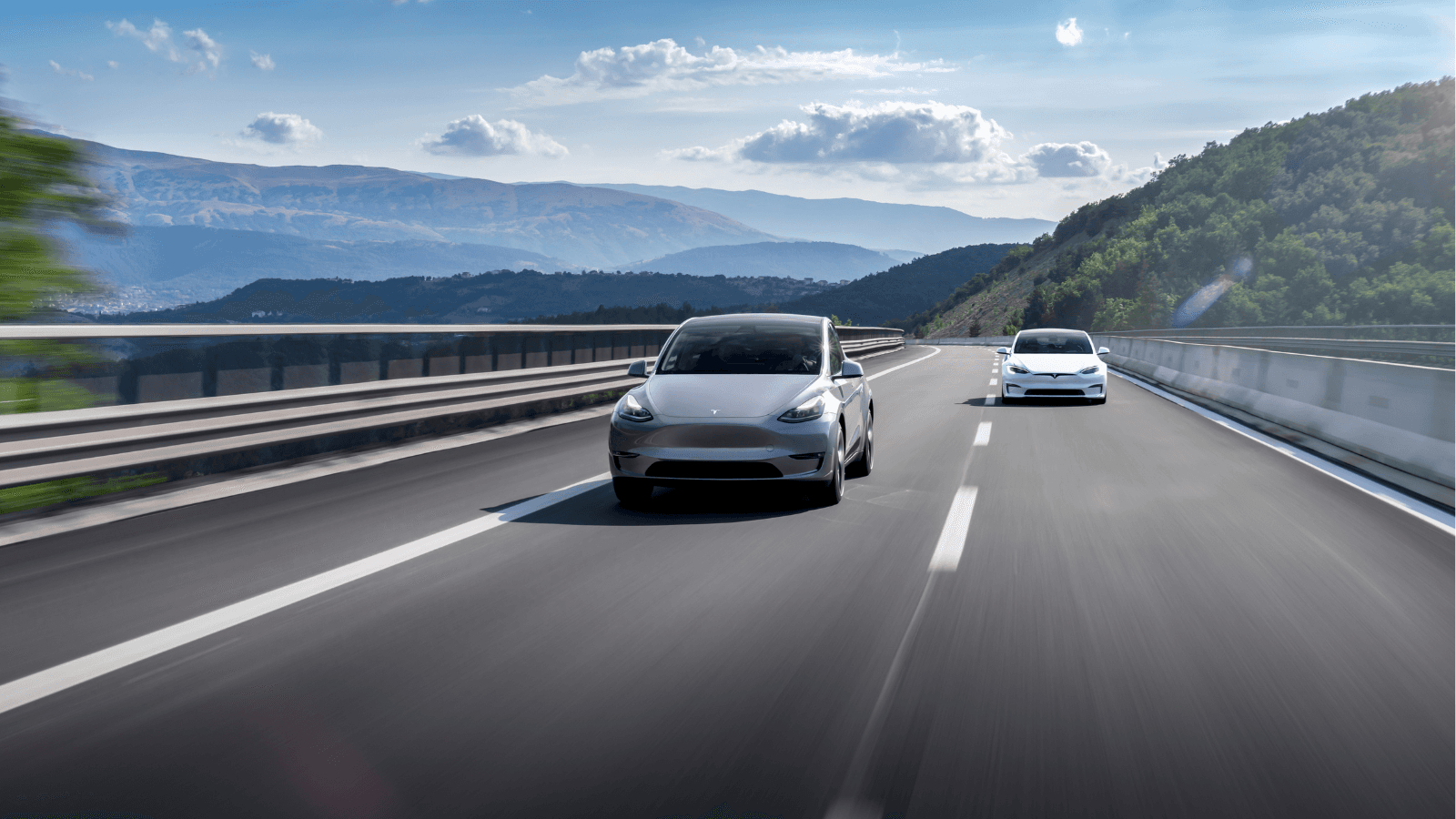
The United States (U.S.) electric vehicle (EV) market demonstrated remarkable resilience in 2024, achieving a significant milestone with 1.3 million units sold despite what industry observers termed a “sales slowdown.”
Q4 Surge in EV Sales
This figure, reported by Cox Automotive’s Kelley Blue Book, represents an 8.1% share of total new vehicle sales, marking a notable increase from 7.8% in 2023. The year’s narrative was particularly compelling in its final quarter, when EV sales surged 15.2% year-over-year to 365,824 units. This strong finish can be attributed to several factors, including aggressive manufacturer incentives, attractive lease deals, and consumer urgency driven by uncertainty about future EV tax credits under the incoming administration.
A deeper analysis of the sales data reveals a fascinating shift in market dynamics. While Tesla maintained its position as the industry leader, accounting for more than 40% of all EV sales, the company experienced its first annual decline in over a decade, with sales dropping by around 37,000 units. This decrease coincided with major gains by traditional automakers, suggesting a maturing and increasingly competitive market.
Mustang Mach-E Dominates Non-Tesla Sales
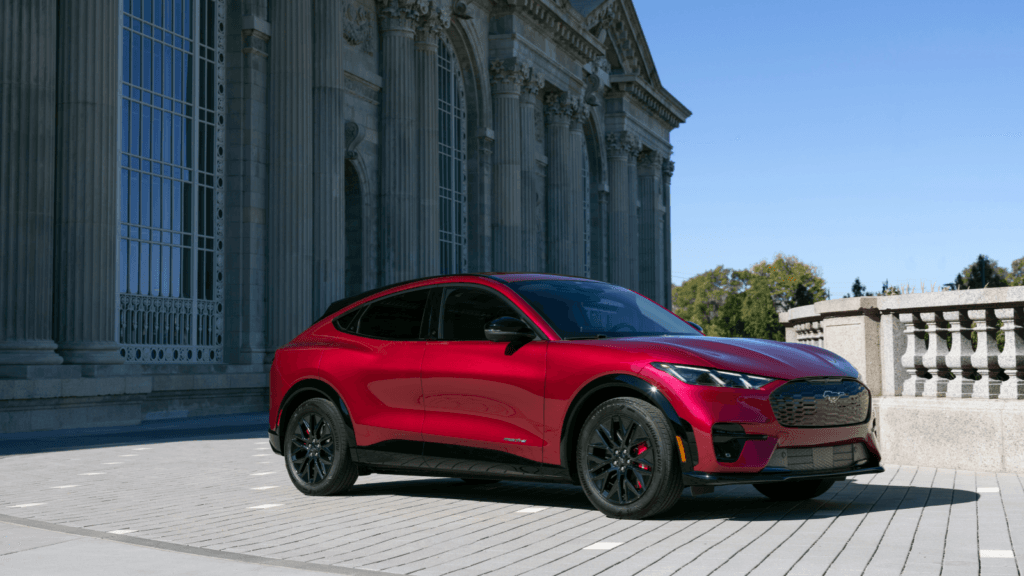
The Ford Mustang Mach-E emerged as a particular success story, selling 51,745 units to secure its position as the best-selling non-Tesla EV. This achievement is especially noteworthy as the Mach-E has now become the highest-selling Mustang model across all powertrains. The vehicle’s success can be attributed to recent updates, new trim levels, and itsability to access Tesla’s Supercharger network.
Hyundai IONIQ 5’s Strong Growth
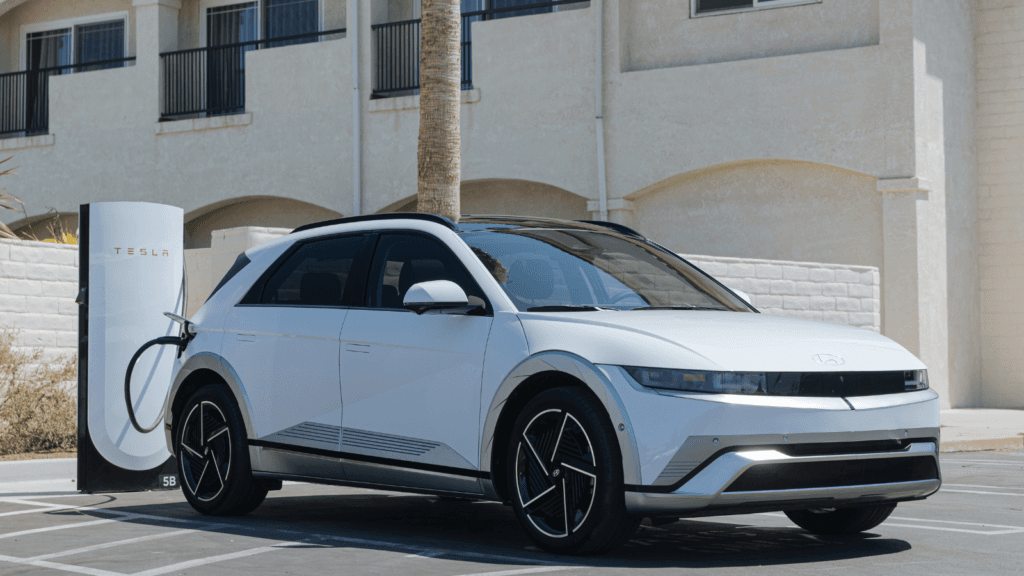
Hyundai Motor Group showed strong growth, with the Ioniq 5 recording 44,400 sales, a 31% increase from 2023. The company’s success helped establish it as the second-largest EV seller in the U.S. market, behind Tesla but ahead of both General Motors and Ford. The Ioniq 5’s strong performance was particularly significant as it now qualifies for the $7,500 federal tax credit, thanks to its new U.S. production plant in Georgia.
Cybertruck Beats F-150 Lightning
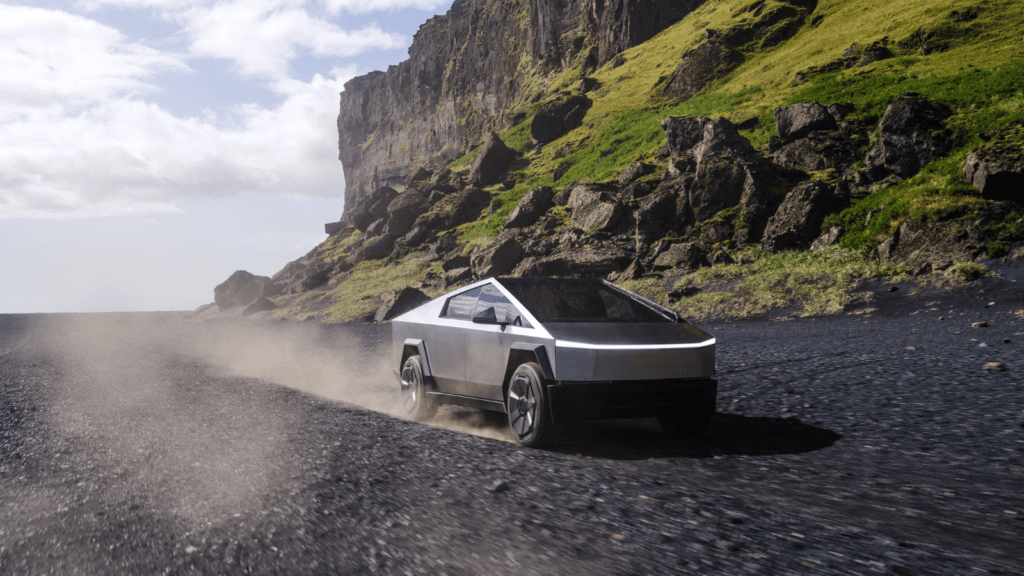
In the highly competitive electric pickup segment, Tesla’s controversial Cybertruck managed to edge out the Ford F-150 Lightning, securing fifth place with nearly 39,000 sales compared to the Lightning’s 33,500 units. However, Ford’s electric truck still posted impressive growth with a 39% year-over-year increase.
Honda Prologue’s Impressive Debut
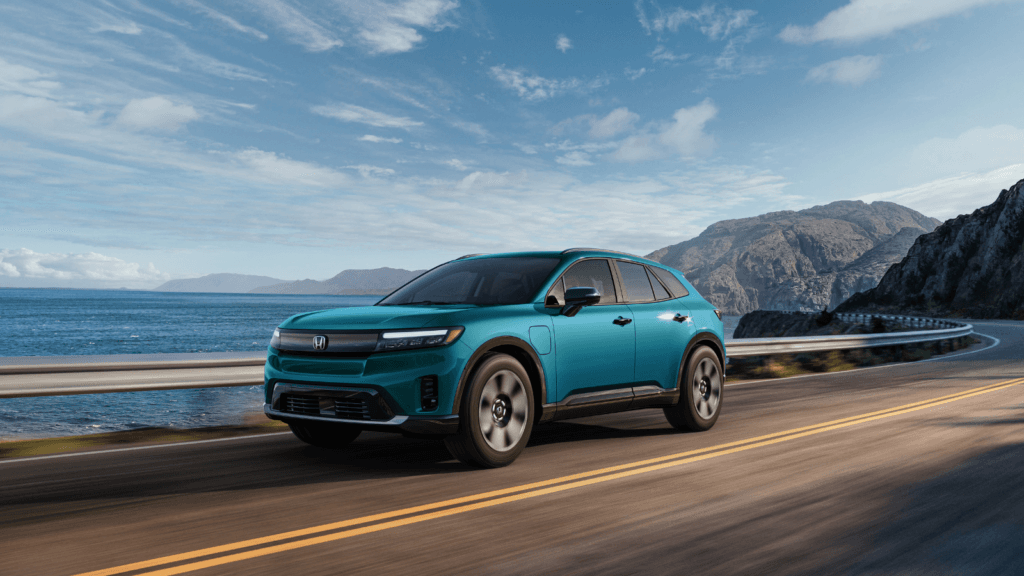
Perhaps the most surprising success story of 2024 was the Honda Prologue, which sold over 33,000 units despite only launching in March. This achievement suggests strong consumer appetite for EVs from established, trusted automotive brands, even when entering the market relatively late.
Top 10 Best-Selling EVs in 2024
According to Cox Automotive’s data, the top 10 best-selling EVs in the U.S. in 2024 include the Tesla Model Y, Tesla Model 3, Ford Mustang Mach-E, Hyundai IONIQ 5, Tesla Cybertruck, Ford F-150 Lightning, Honda Prologue, Chevrolet Equinox, Cadillac LYRIQ, and Rivian R1S.
Looking at the broader market, the data reveals remarkable diversity and competition, with Kelley Blue Book tracking 68 mainstream EV models. Of these, 24 models showed year-over-year sales increases, while 17 were new market entries. However, 27 models experienced sales declines, including some being discontinued like the Chevrolet Bolt and Mazda MX-30.
EV Sales Growth Projected for 2025
Industry analysts remain optimistic about the sector’s future growth. Cox Automotive forecasts that EV sales will continue to expand in 2025, potentially reaching 10% of total U.S. auto sales. This projection is supported by plans for more than 15 new EV models to enter the market and ongoing improvements in charging infrastructure. Significantly, experts predict that one in four vehicles sold in 2025 will feature some form of electrification, whether fully electric, hybrid, or plug-in hybrid.
While potential policy changes in Washington could impact growth rates, the industry’s momentum appears sustainable. As Stephanie Valdez Streaty, director of industry insights at Cox, noted, the transition to EVs has reached a point of no return.
With over 2.5 million EVs sold in the past 48 months and continual advancements in battery technology, the electrification of American roads continues to accelerate, although at a more measured pace than initially projected.
Want to learn more about EV? Thinking of buying an EV? Head over to EV.com and discover more.
Comments
Categories
Subscribe for EV News and Reviews

AI Employee for Car Dealerships
Results in 30 days - Or We'll Give You Your Money Back