BYD Tang EV Arrives at Chinese Dealers With 691 HP and New Electric Platform
Built on a dedicated EV platform for the first time, the redesigned SUV gets five seats, dual-chamber air suspension, a roof-mounted LiDAR sensor and an all-wheel-drive version producing 515 kW (691 hp).
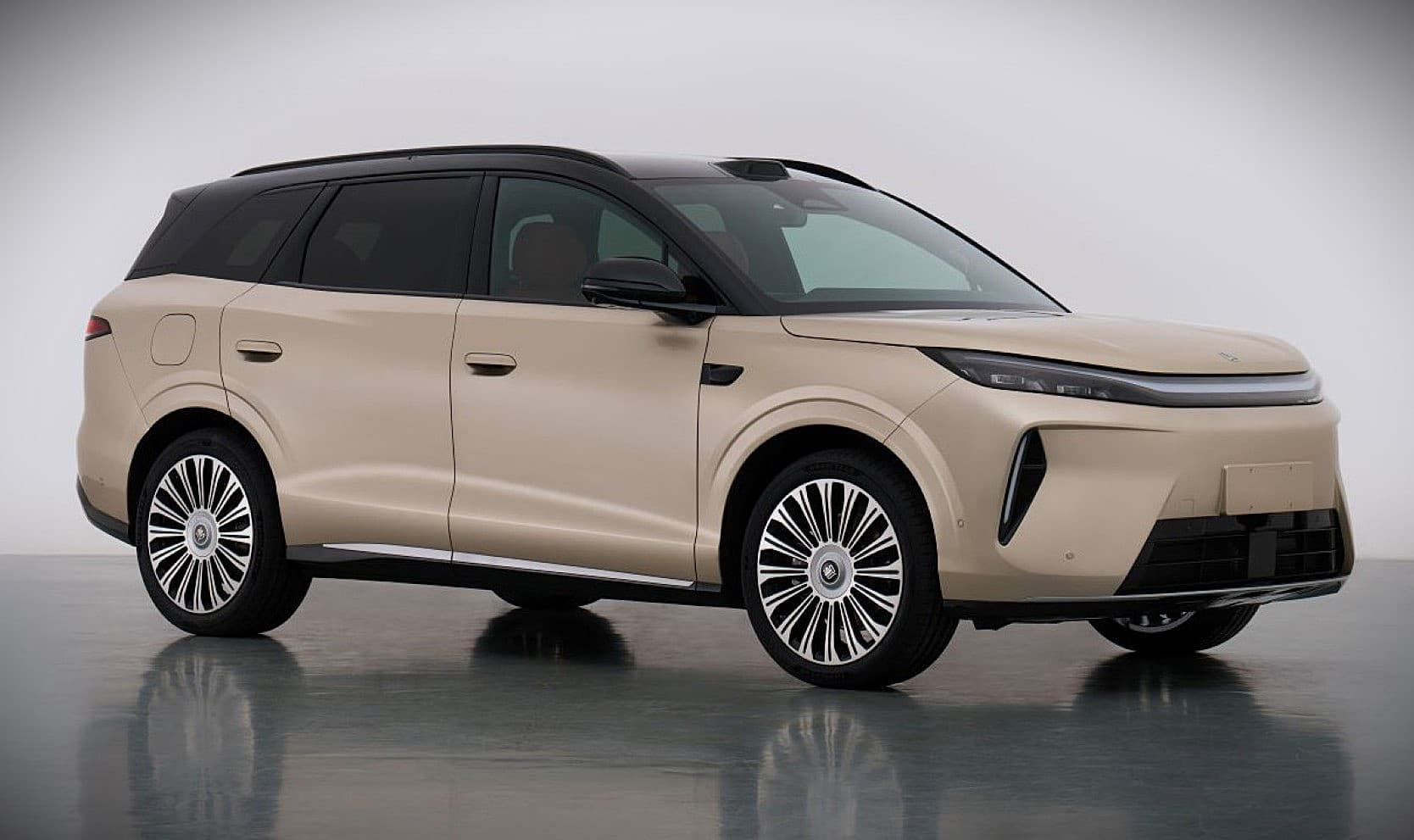
BYD’s third-generation Tang EV is now showing up at Chinese dealerships, with its public debut expected at the Guangzhou Auto Show in November.
Built on a dedicated EV platform for the first time, the redesigned SUV gets five seats, dual-chamber air suspension, a roof-mounted LiDAR sensor and an all-wheel-drive version producing 515 kW (691 hp).
New Tang EV reaches dealerships as dealer prices surface
According to dealer distribution circulars, dealers are paying wholesale deposits of 225,000 yuan ($31,500) for the rear-wheel-drive Premium trim with 850 km of range and 240,000 yuan ($33,600) for the 850-km Flagship. These are dealer procurement figures, not retail prices, and they do not establish the lineup’s starting price. BYD has yet to announce what customers will pay.
For the Tang EV, the change is a big one: since the nameplate’s 2018 debut, it had been built on architecture shared with combustion-engine models, according to CarNewsChina.
The third generation moves to a dedicated electric platform and swaps the previous multi-row layout for five seats. The SUV measures 5,045 mm long, 1,980 mm wide and up to 1,760 mm tall, and its 2,950-mm wheelbase is 130 mm longer than its predecessor’s.
In the second row, passengers get over 1,000 mm of legroom along with powered backrests that tilt back as far as 130 degrees, tray tables that fold out and magnetic mounting points for accessories. Other cabin features include a front trunk, storage beneath the rear cargo floor and a compressor-based refrigerator and warmer in the center console.
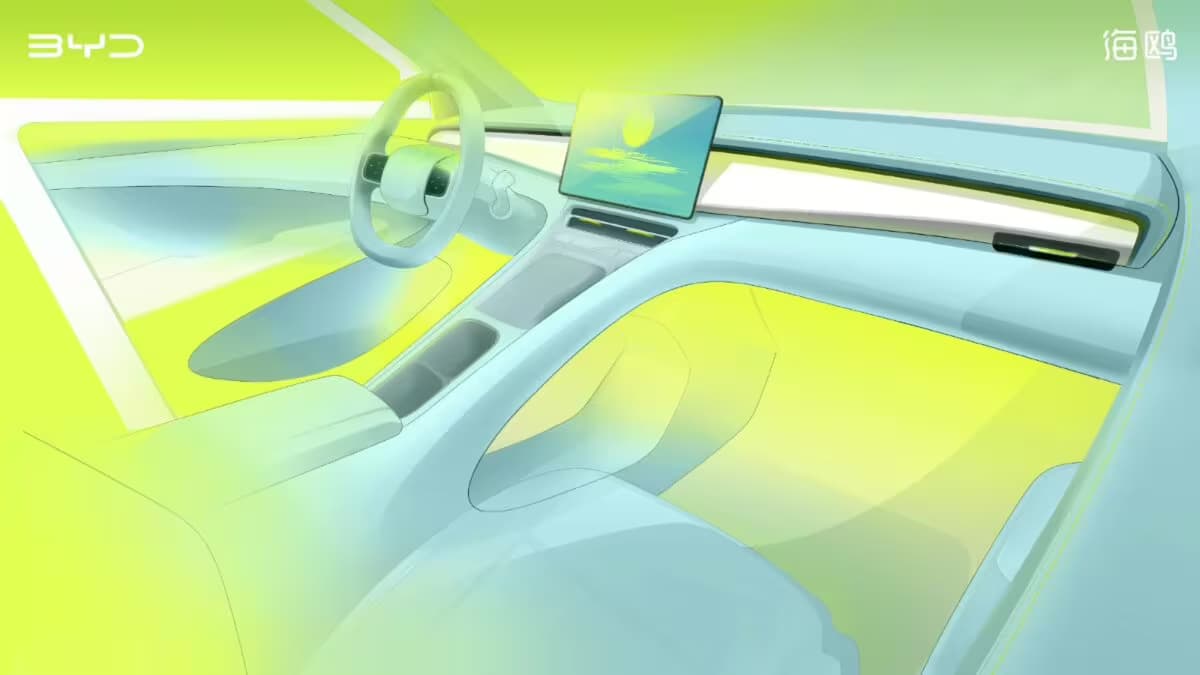
A fixed 30-inch horizontal display replaces BYD’s familiar rotating touchscreen, and buyers can add an optional 35.4-inch display that stretches across the lower dashboard.
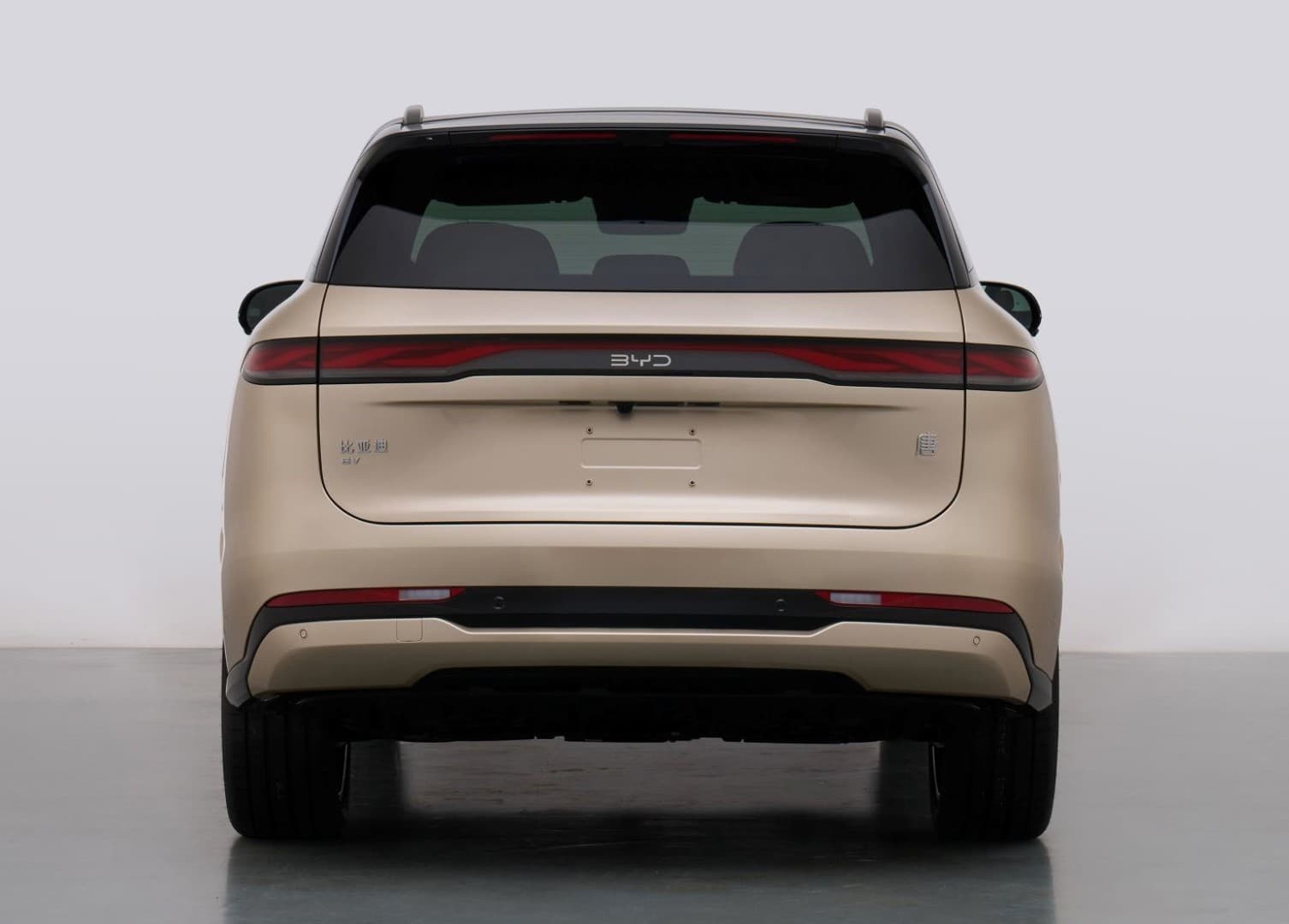
Dual-chamber air suspension and 691-hp AWD headline the technical upgrades
Up front, the chassis now uses an all-aluminum double-wishbone layout, with a five-link independent design at the rear, in place of the previous model’s MacPherson struts and multi-link setup. BYD’s DiSus-A package brings dual-chamber air springs and adaptive dampers, letting the SUV vary both spring behavior and ride height.
The powertrain figures come from the regulatory listing filed with China’s Ministry of Industry and Information Technology. The rear-wheel-drive model uses a 300 kW (408 hp) permanent magnet synchronous motor, while the all-wheel-drive version adds a 215 kW front asynchronous motor for a combined 515 kW (691 hp). In dual-motor form, the SUV is listed at 2,520 kg with a 250 km/h top speed.
Second-generation Blade LFP batteries from BYD subsidiary FinDreams Battery come in 88.682-kWh and 105.792-kWh capacities. Claimed CLTC range runs from 730 to 850 km for rear-wheel-drive versions and reaches 830 km for the AWD model, which CarNewsChina estimates at roughly 600 to 700 km on the WLTP cycle.
On charging, BYD says its high-voltage system can go from 10% to 70% in five minutes and hit 97% in nine minutes under specific conditions, though real-world times will vary with the charger, battery temperature and other factors.
BYD’s DiPilot 300 package, sold in China as God’s Eye B, pairs the roof LiDAR with binocular front cameras, millimeter-wave radar and surround-view cameras, enabling Navigation on Autopilot on highways and city streets as well as automated valet parking.
Retail prices and delivery timing have yet to be announced and should come when the SUV officially launches in November.
EV.com tracks the evolving EV collector space and performance electric vehicles hitting the market. Explore our listings to find the best EVs in your area available today.
Comments
Categories
Related news

Subscribe for EV News and Reviews

AI Employee for Car Dealerships
Results in 30 days - Or We'll Give You Your Money Back