BMW i4 M50: A Silent Speed Machine?
Quiet yet powerful, the i4 M50 proves EVs can be exhilarating—its dual-motor powertrain and dynamic tune offer thrilling speed in silence.
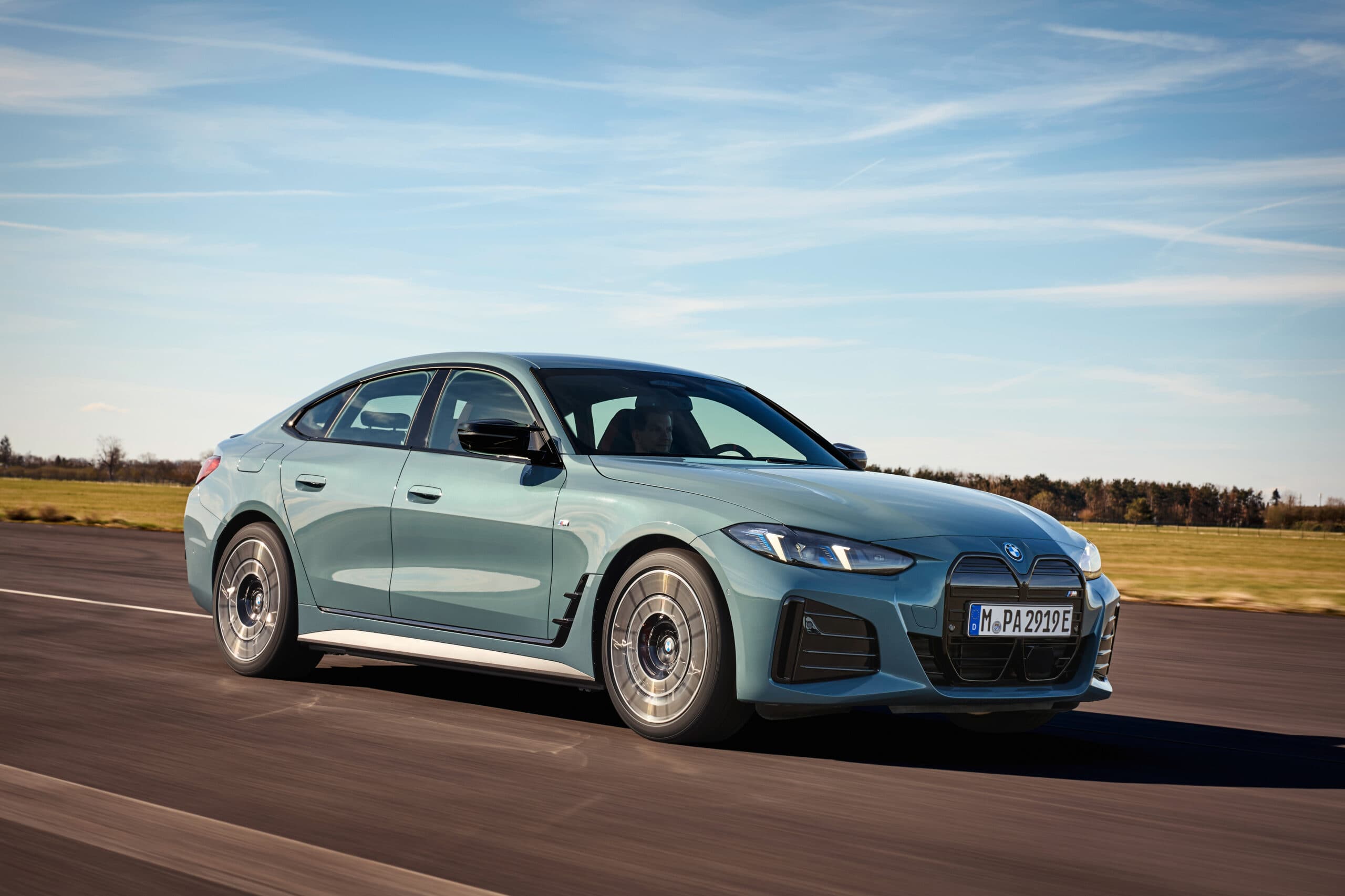
BMW has long been known for its performance-oriented models. Yet in the EV segment, the brand remained in the shadows for a while, especially with the i3, which offered only modest acceleration and little to excite driving enthusiasts. That changed with the arrival of the i4. With it, BMW proved it could still build cars that take your breath away, and introduced the i4 M50, positioned to rival the Tesla Model 3 Performance and Mercedes-Benz EQE AMG. But does the i4 M50 live up to the hype or is it just another performance EV trying too hard? Let’s uncover its true nature.
Does the M50 Truly Deliver?
Before jumping to conclusions, we should explore the key specs of this performance-focused BMW EV. Let’s break down the numbers and evaluate if the i4 M50 truly delivers speed or just gives the impression of being quick.
Power: 536 hp
Torque: 586 lb-ft
Acceleration to 60 mph: 3.7 seconds
Peak DC Charging Speed: 200 kW
Range (EPA): 269 miles
Starting MSRP: $70,700
While the specs might not be record-breaking, they’re still strong and well-rounded. We’ll dive into direct comparisons with other high-performance EVs shortly, but let’s highlight one area where the i4 M50 stands out beyond just performance figures.
It’s widely seen as one of the most reliable EVs on the U.S. market, making it a solid choice for those who value both power and peace of mind. With fewer visits to the service center, the i4 M50 challenges the idea that speed always comes at a high cost.
While Tesla may lead in software, it lags behind when it comes to craftsmanship and materials. The BMW i4, on the other hand, is built with precision, featuring a well-finished cabin lined with leather, brushed aluminum, and other upscale materials. It’s the kind of quality that makes every mile feel luxurious and every dollar well spent.
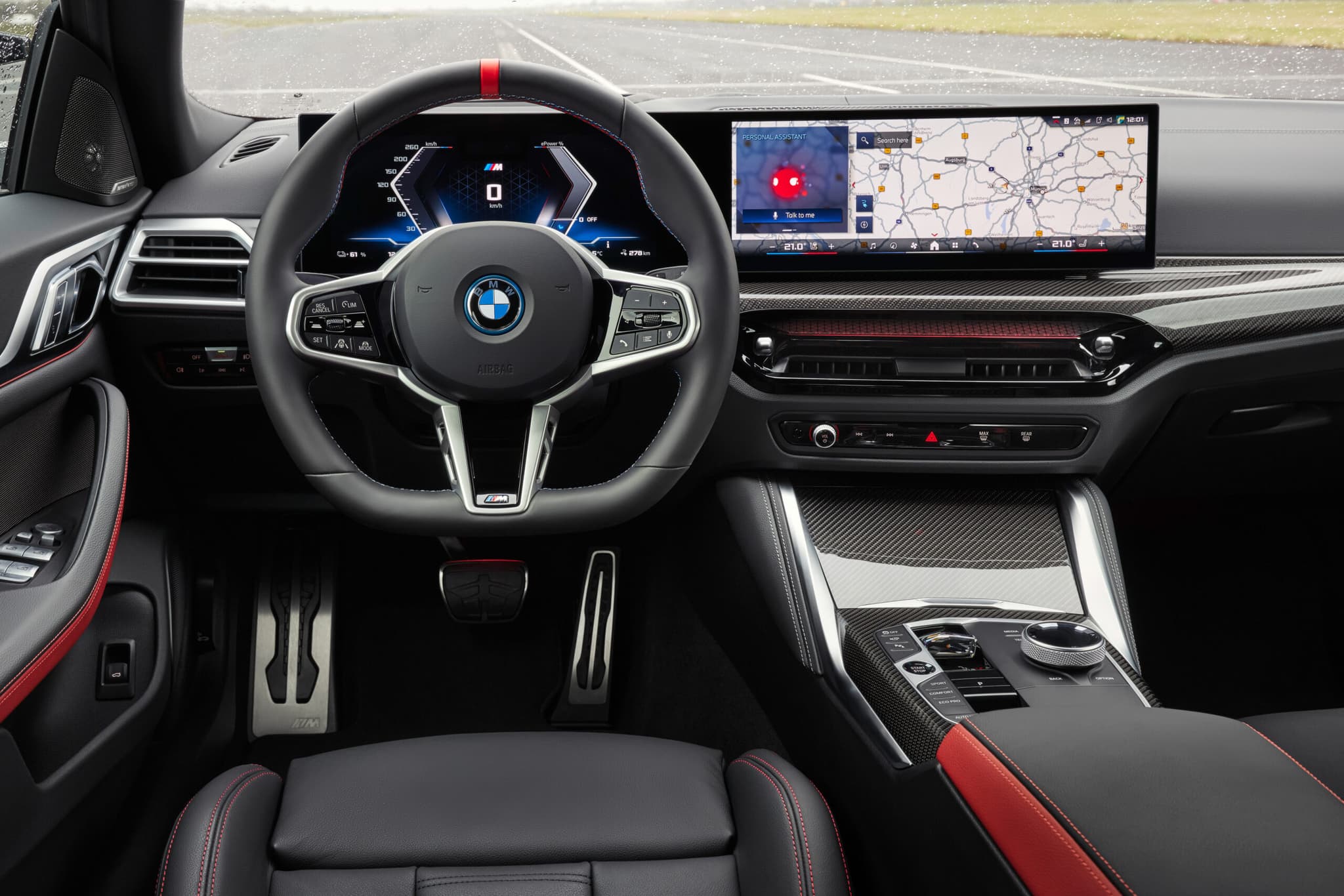
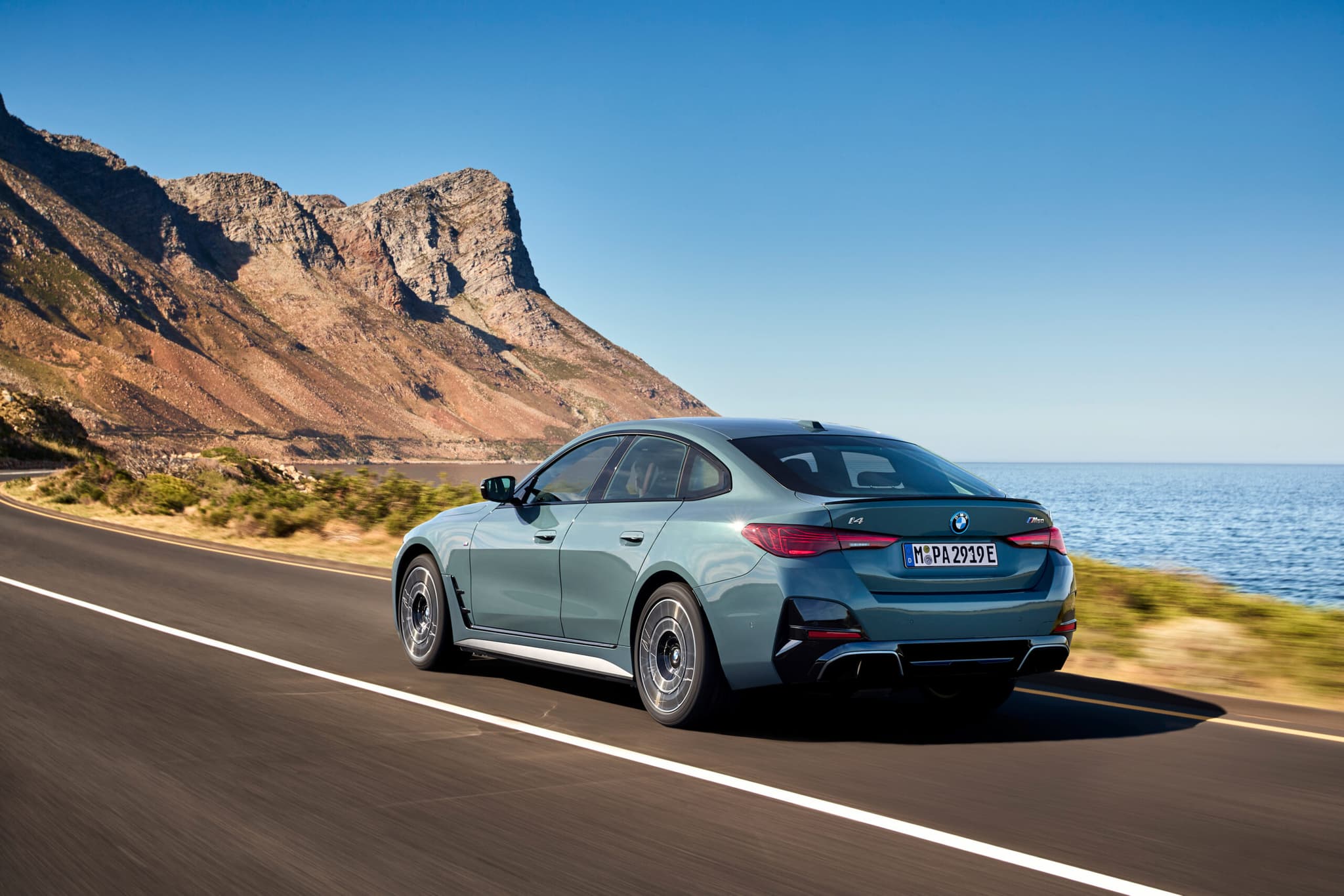
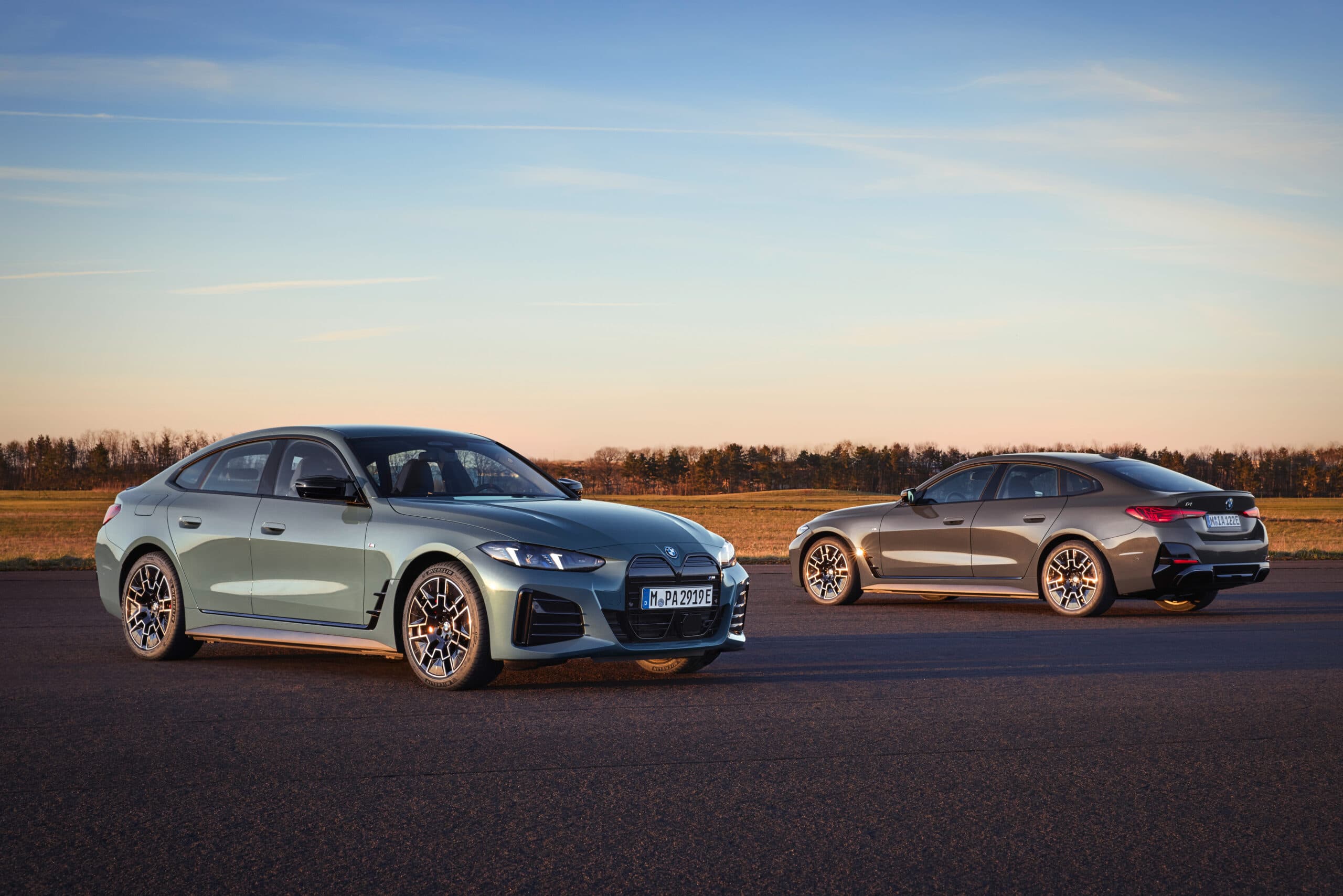
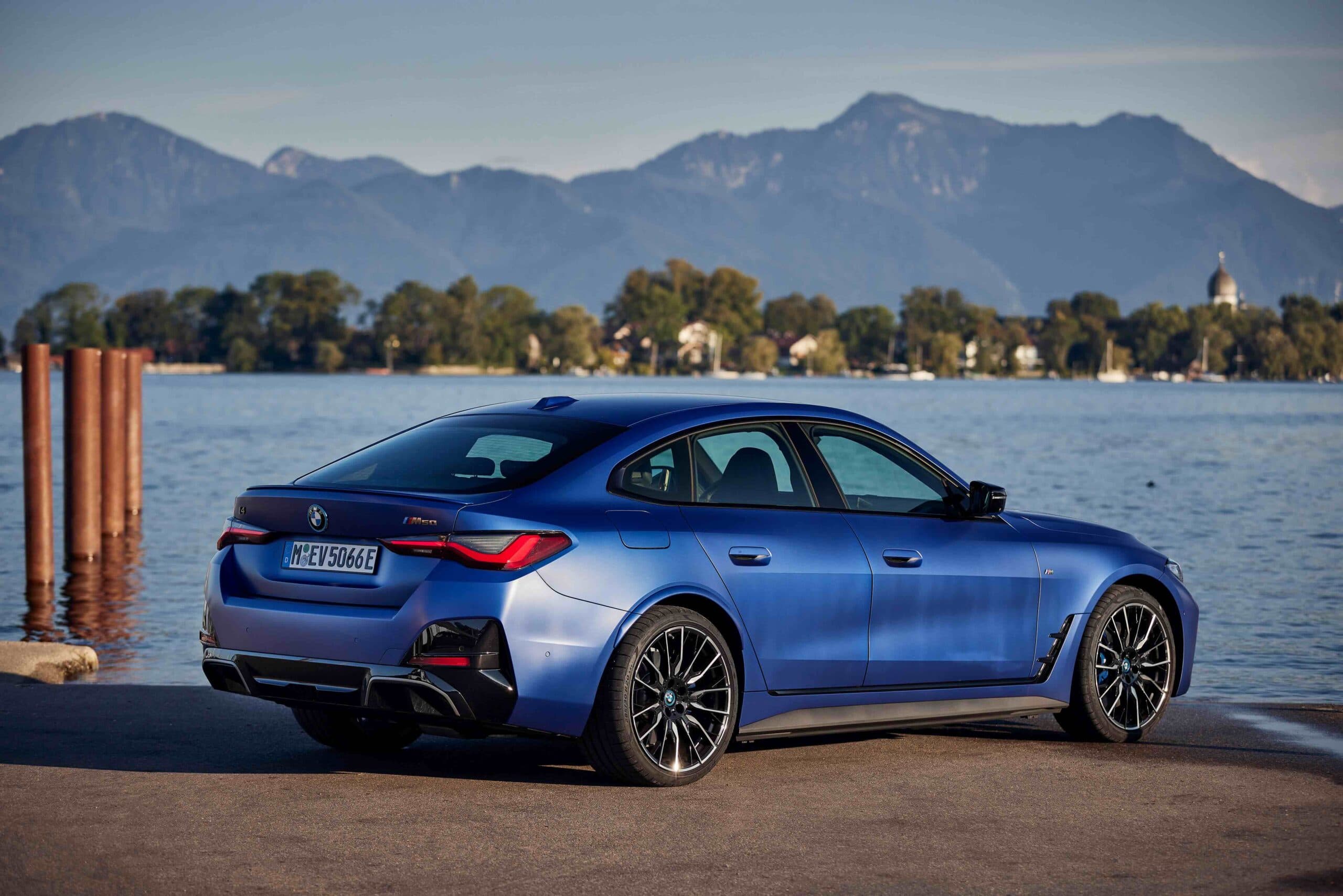
Finally, the i4 hides a clever surprise. Although it may appear to be a typical sedan at first glance, it’s actually a liftback. That means you get easier access to the cargo area and more flexibility for loading taller items — something most sedans can’t offer. It’s a rare mix of practicality and distinctive design that makes the i4 even more appealing.
Now, let’s see how it stacks up against its rivals.
BMW i4 M50 vs Its Rivals: Which EV Takes the Lead?
Can the i4 M50 hold its own, or do competitors leave it behind? Time to compare and see where it really stands.
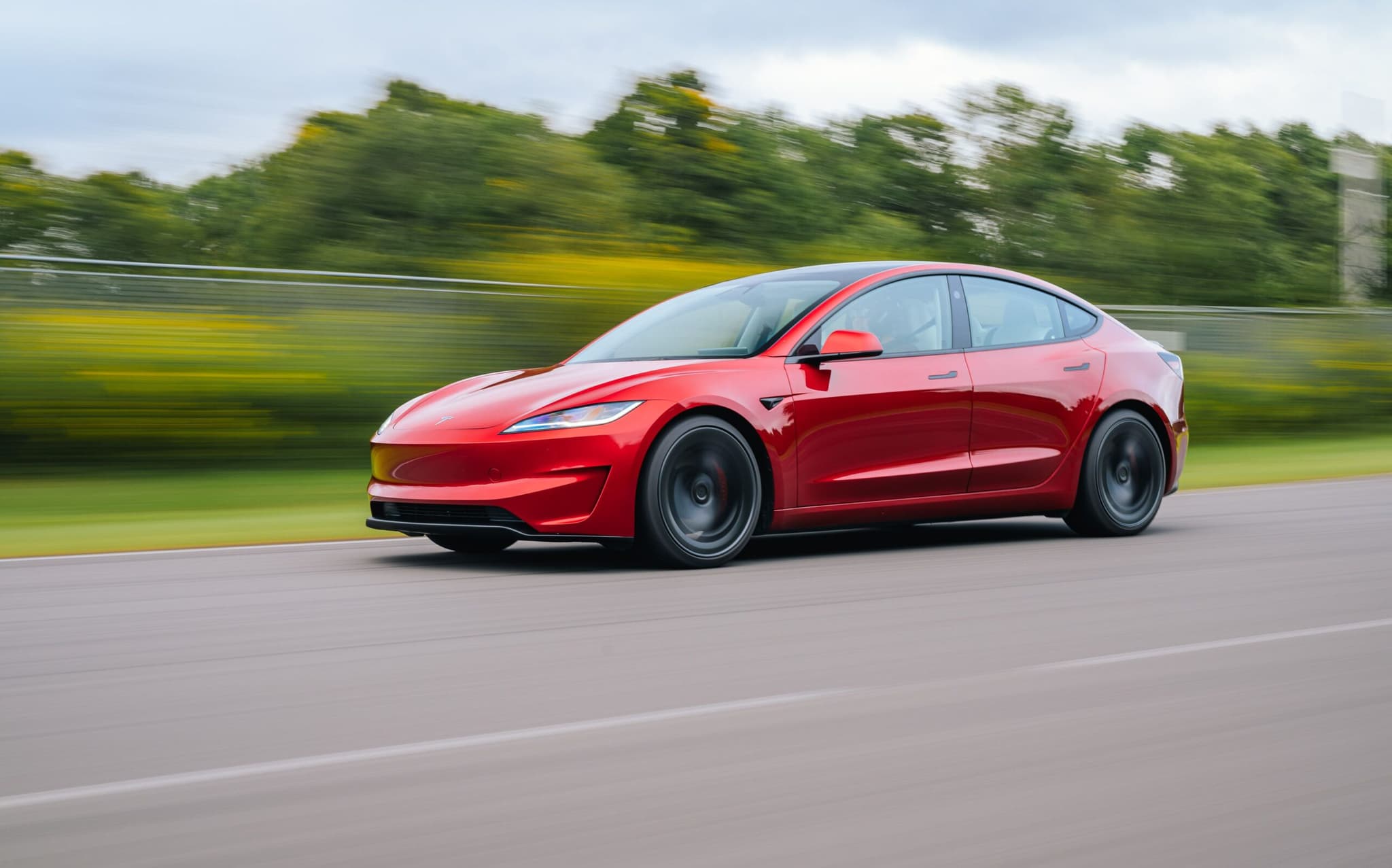
Tesla Model 3 Performance: The Tesla Model 3 remains the benchmark in its class, especially in the Performance trim. It outpaces the i4 M50 with a blistering 0–60 mph time of just 2.9 seconds, thanks to its more powerful motors. Charging is quicker too, with peak DC speeds of up to 250 kW. While the Model 3 is noticeably more affordable, the i4 M50 wins in areas Tesla still struggles with — interior quality, material refinement, and a broader range of customization.
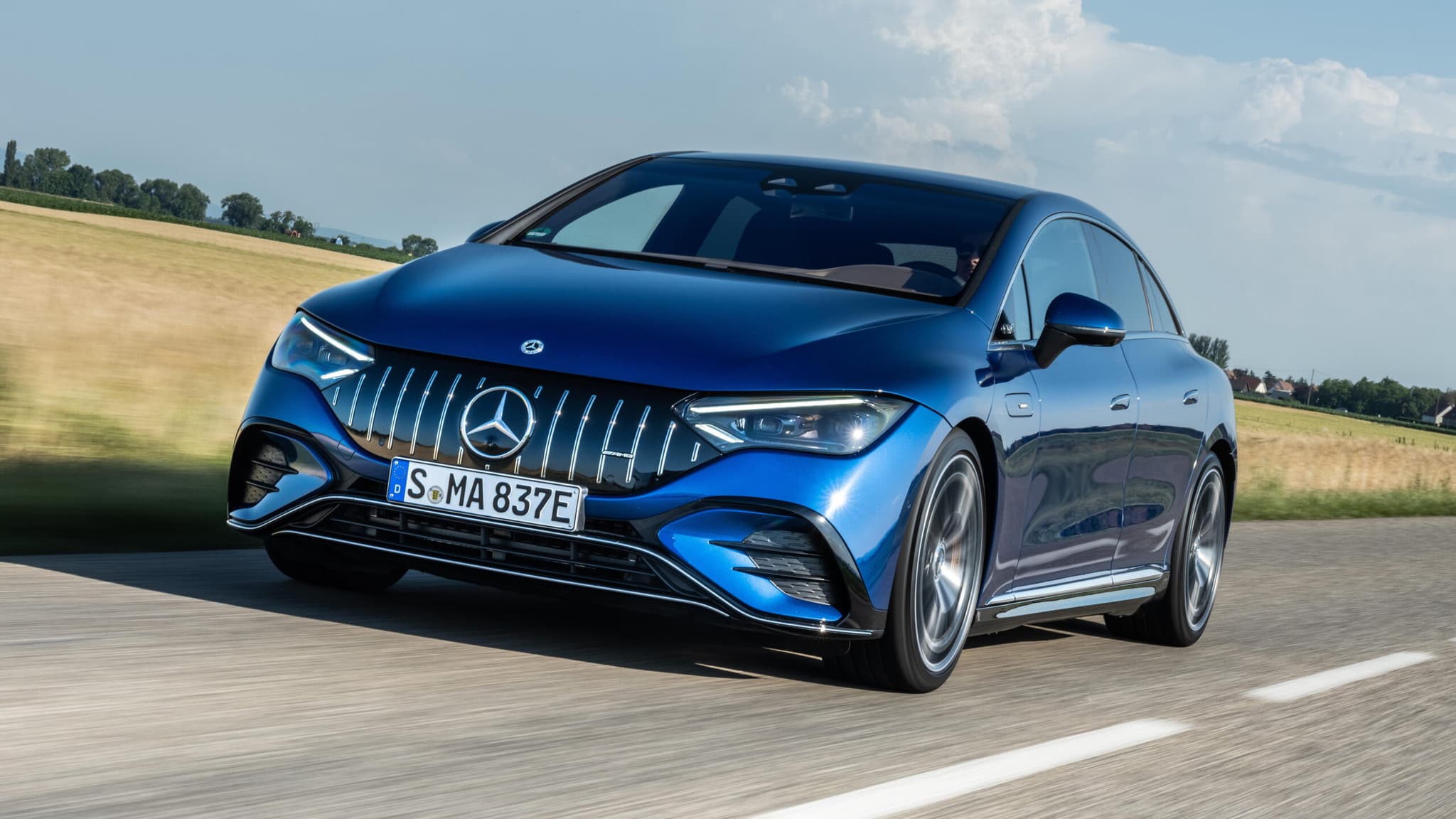
Mercedes-Benz EQE AMG: Another German contender that outpaces the i4 M50 in acceleration and power is the Mercedes. With an impressive 3.2 seconds to 60 mph and 617 hp paired with over 700 lb-ft of torque, it delivers serious performance. It also offers a more comfortable ride than the i4. However, there are trade-offs: its MSRP sits at $106,900, considerably above the i4’s price, and its peak DC charging speed tops out at just 170 kW at this price level.
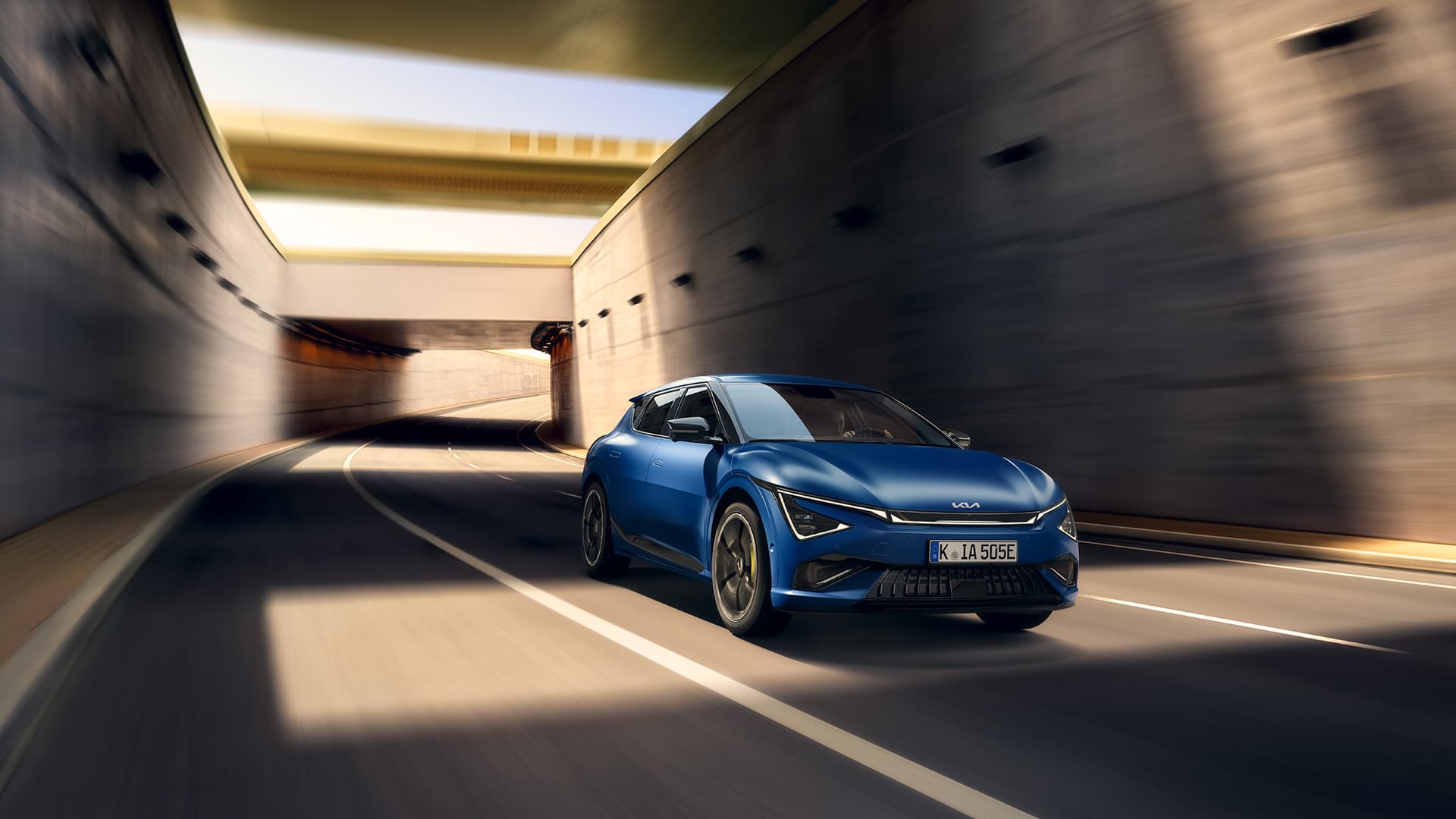
Kia EV6 GT: Officially classified as an SUV, this model feels more like a blend between a sedan and an SUV, making it a fair competitor to the i4 M50. The Kia is slightly quicker, shaving off 0.3 seconds from the i4’s acceleration time. With a starting price of $63,800, it’s also more affordable. Thanks to its 800V architecture, it supports up to 240 kW peak DC charging. However, the interior materials leave something to be desired, and its EPA-estimated range of 231 miles falls notably short of the i4 M50.
From this brief comparison, it’s clear that some rivals are faster than the i4 M50. However, this BMW liftback offers several advantages that may outweigh raw acceleration and power.
EV.com Insight
We’ve confirmed that the i4 M50 isn’t the fastest EV on the market. But are acceleration and power really the most important factors? The i4 M50 delivers a well-rounded package: impressive build quality, broad customization, proven reliability, and practical cargo access. For daily commuting, its performance is more than sufficient — making it a worthy contender to include in any shortlist of top performance EVs.
Comments
Categories
Related news
Subscribe for EV News and Reviews

AI Employee for Car Dealerships
Results in 30 days - Or We'll Give You Your Money Back