BMW i4: Everything You Need to Know
Blending classic BMW performance with modern electric innovation, the i4 stands out as a sleek and dynamic EV sedan.
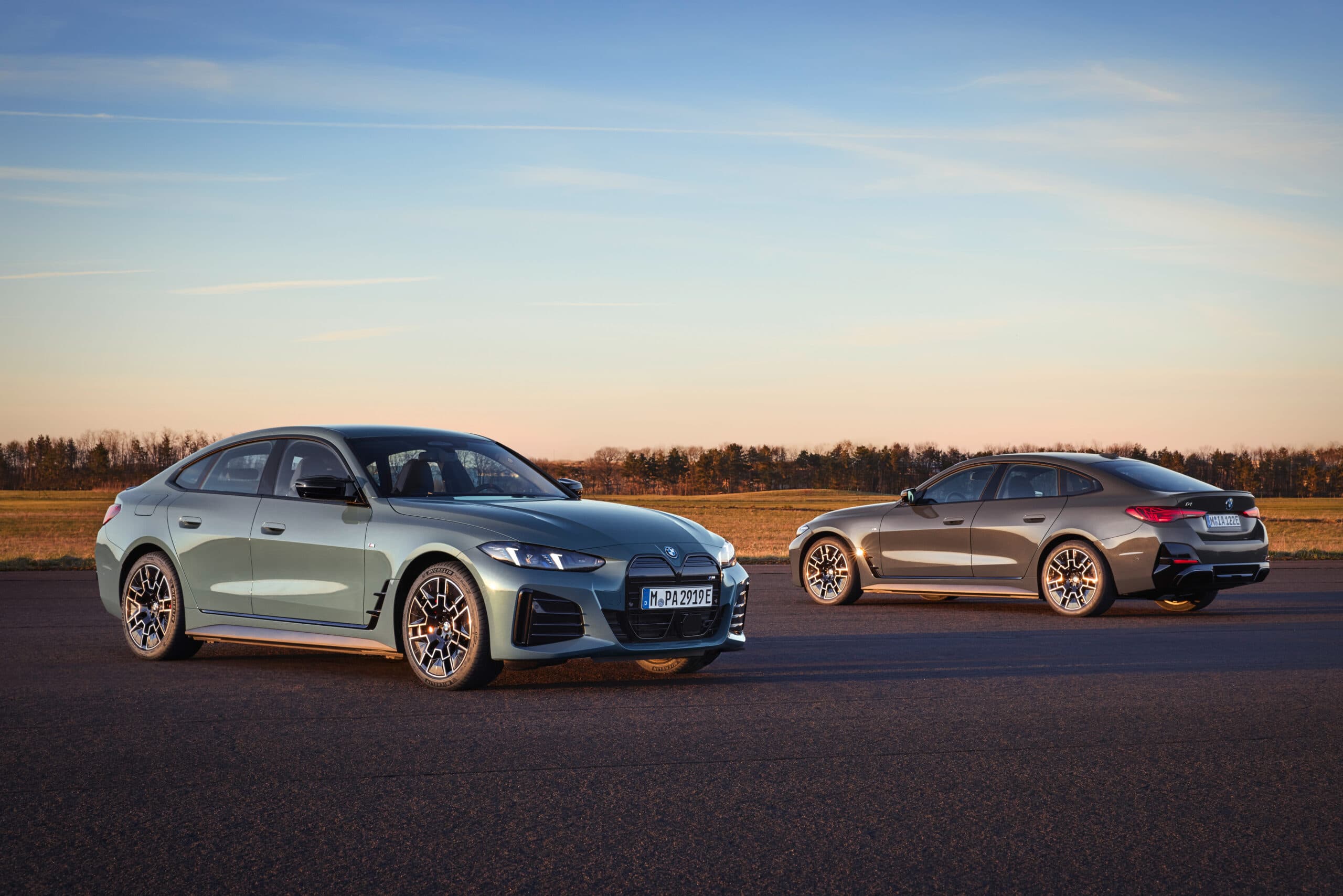
BMW has always positioned itself as a premium automaker, offering vehicles that stand out for their performance, technology, and prestige what naturally comes with higher price tags compared to many competitors. However, the landscape is gradually changing. The BMW i4, which has been in production since 2021, is now becoming more accessible on the used car market as earlier models start appearing at significantly more attractive prices. This shift opens new opportunities for buyers who want to experience the quality and driving dynamics of a premium German EV without paying the full new-car price.
In this article, we’ll take a closer look at the BMW i4 and address the most common questions and doubts potential buyers might have. From performance and range to ownership costs and long-term value, we’ll cover the key aspects that make this model one of the most intriguing options in today’s electric vehicle market.
What Is the Range of the BMW i4?
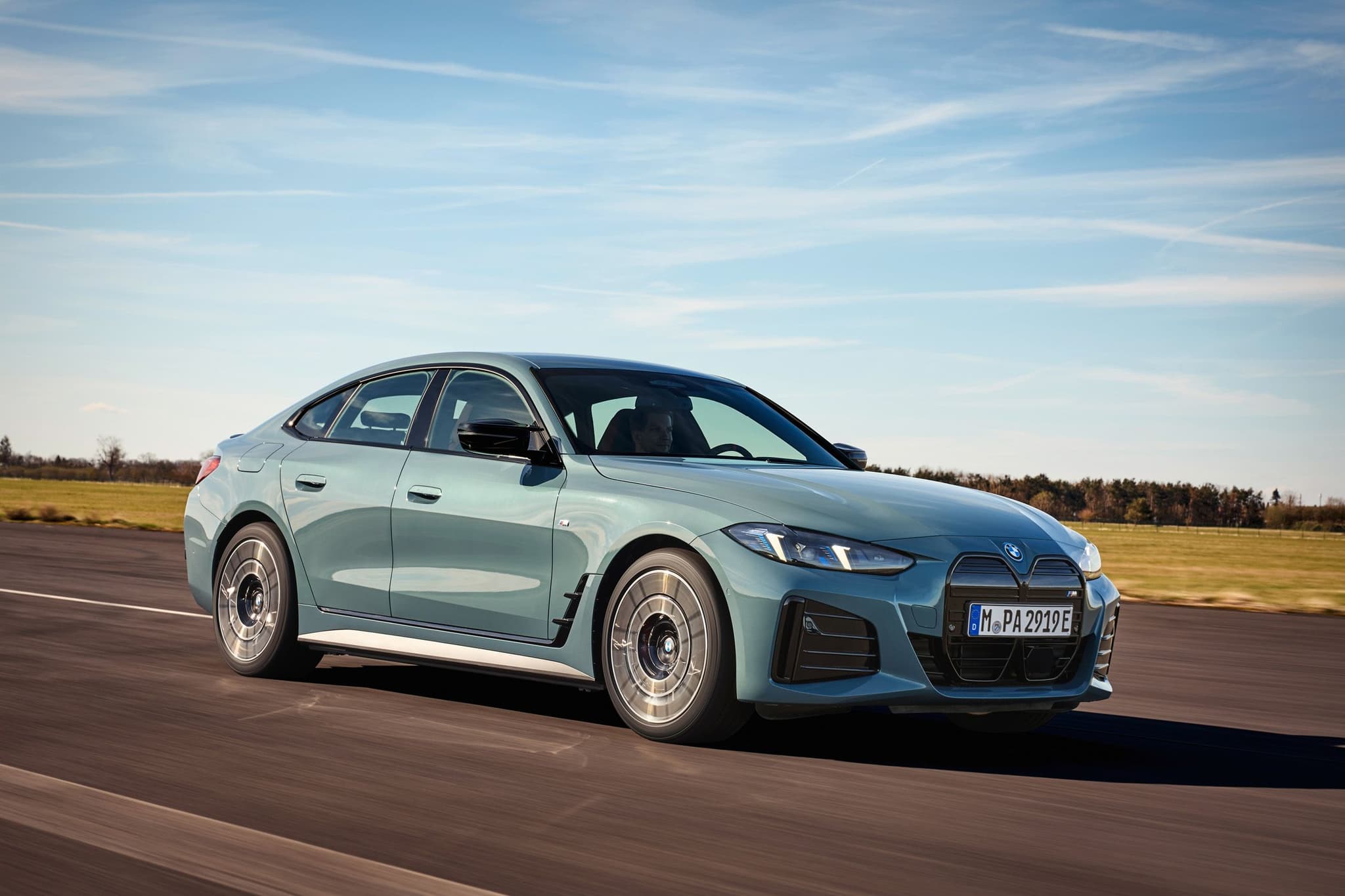
The BMW i4 has been offered in several configurations since its market debut, giving buyers a range of options depending on their performance and range priorities. Currently, the lineup consists of three trims, each with its own unique balance between power and efficiency. However, it’s worth noting that one of the original trims was discontinued in 2024, bringing the total number of variants across the entire production period to four.
To better understand what each model brings to the table, let’s take a closer look at the driving range of each i4 trim and see how far they can travel on a single charge:
i4 eDrive 35 – 266 miles (EPA-estimated)
i4 eDrive 40 – 318 miles (EPA-estimated)
i4 xDrive 40 – 287 miles (EPA-estimated)
i4 M50 – 267 miles (EPA-estimated)
Overall, the BMW i4 may not lead its segment when it comes to maximum driving range, but it still delivers a respectable and reliable performance that shouldn’t be underestimated. At first glance, it might seem like some competitors have a clear advantage, for instance, the new Tesla Model 3 Long Range RWD boasts an impressive 363 miles of EPA-estimated range. However, real-world performance often tells a different story. According to independent tests, the actual range of the Model 3 typically hovers around 310 miles, which is notably lower than its official rating.
This puts the i4 in a more favorable light than many expect. While its numbers on paper may not top the charts, the i4 offers a dependable range that’s more than sufficient for daily commutes, weekend getaways, or even longer road trips. In practical terms, you can confidently plan your journeys without worrying about frequent charging stops.
Is the BMW i4 Selling Well?
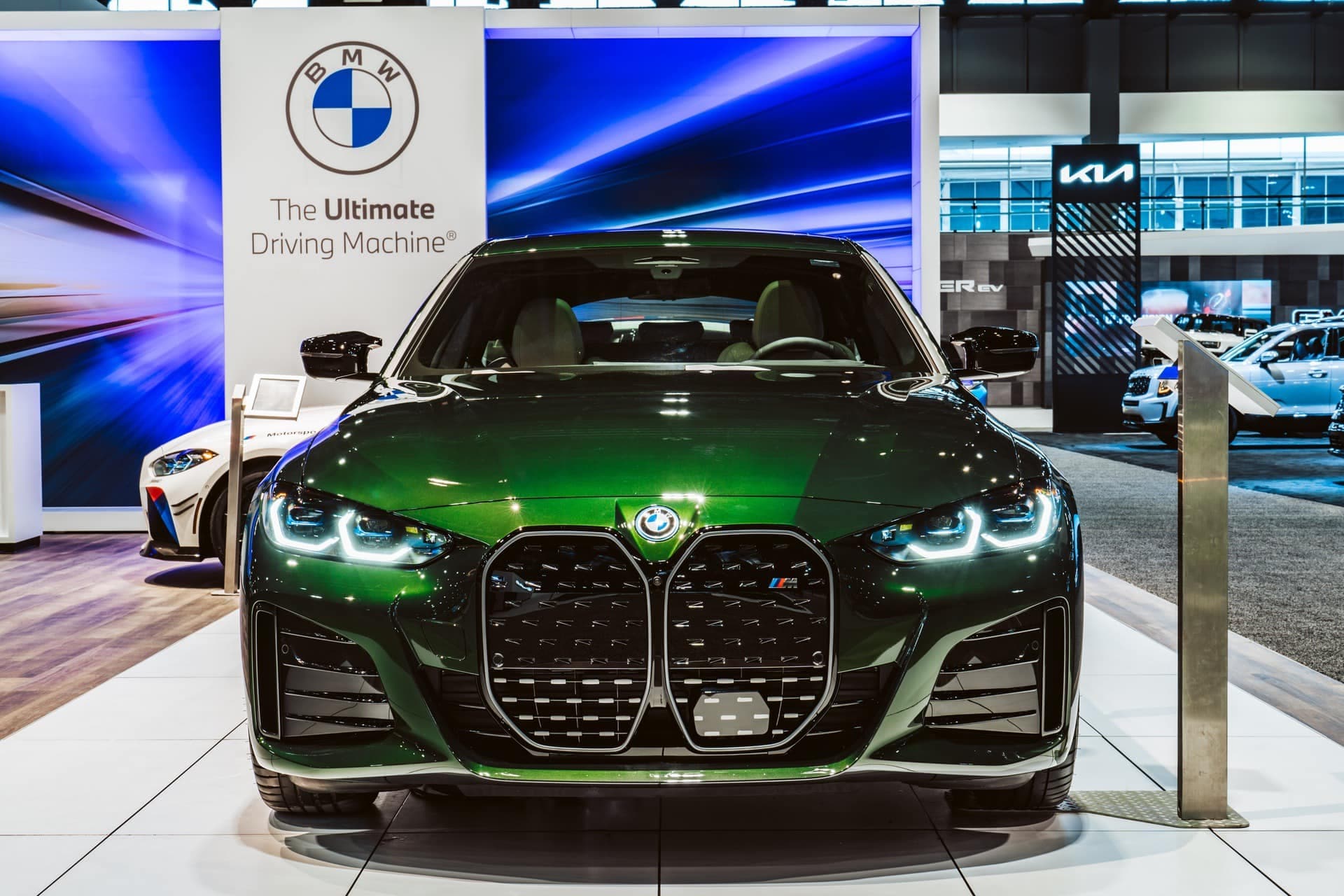
The BMW i4 stands out as one of the most accessible premium electric vehicles on the US market, offering a strong combination of luxury, performance, and value. This unique positioning means that demand for the i4 is likely to remain consistently high, at least until other premium EV competitors become available at similar price points.
When it comes to new car sales, BMW continues to show impressive momentum. In the first quarter of 2024, the company sold 4,537 units of the i4 in the US. Fast forward to Q1 2025, and this figure surged to 7,125 units, almost doubling in just one year. This sharp increase clearly demonstrates the growing popularity of the i4 among American EV buyers and reinforces its strong position within the premium segment.
The pre-owned market for the i4 is also showing healthy activity. Currently, around 1,000 used BMW i4 models are listed for sale nationwide, reflecting solid resale demand. Even more noteworthy is the pricing: entry-level offers start at approximately $27,000, making the i4 an appealing option for buyers who want a premium EV experience without the brand-new price tag.
This balance between strong new car sales and a vibrant used market underlines the i4’s growing appeal and stable market presence, both as a new purchase and a second-hand option.
How Fast Is BMW i4?
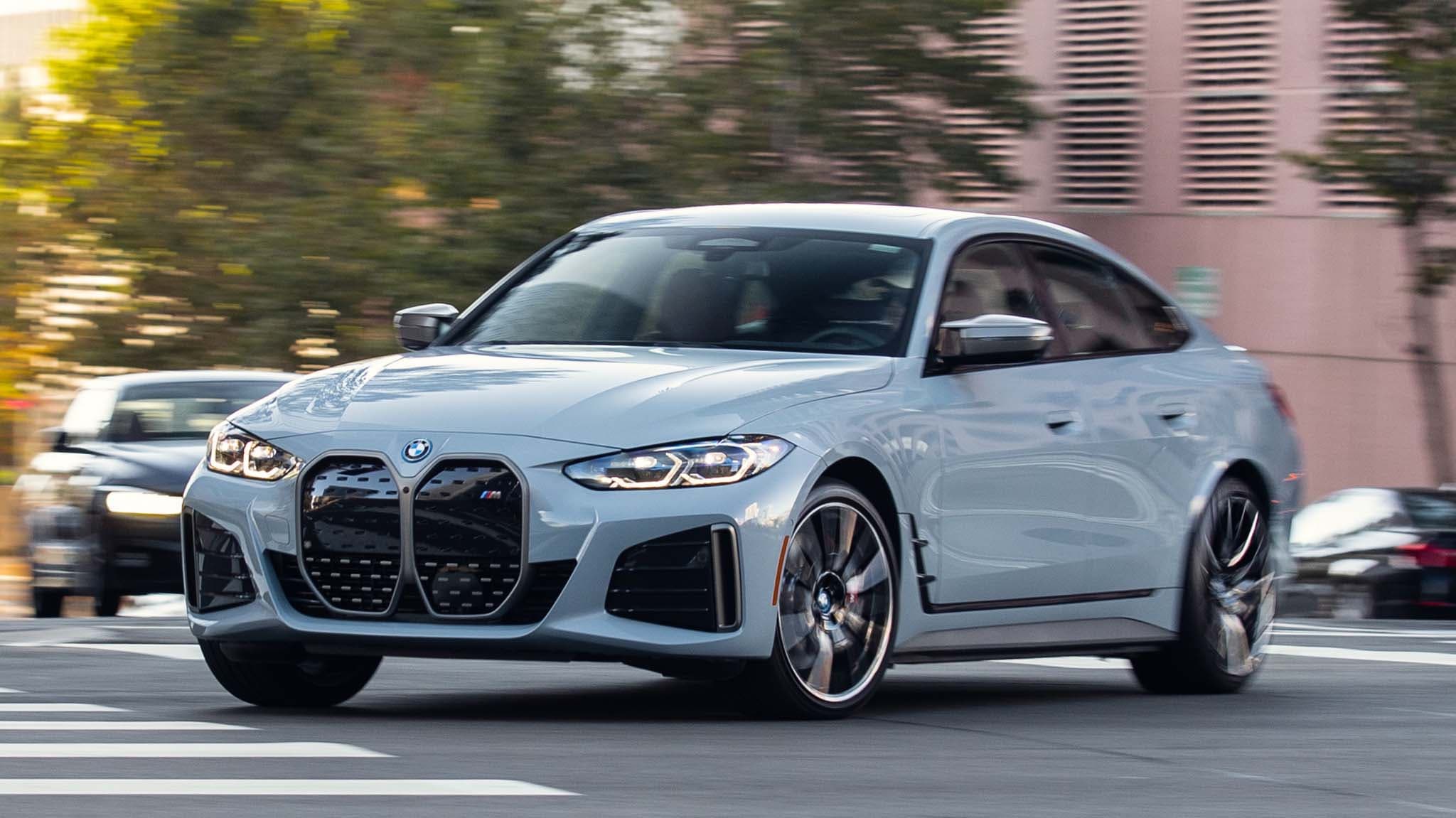
It’s no secret that BMW has long been associated with driving pleasure, precision handling, and impressive performance. Speed has always been an integral part of the brand’s DNA, but does this reputation carry over to the fully electric i4? Let’s take a closer look at its acceleration figures to find out:
i4 eDrive 35 – 5.7 seconds to 60 mph
i4 eDrive 40 – 5.5 seconds to 60 mph
i4 xDrive 40 – 4.9 seconds to 60 mph
i4 M50 – 3.7 seconds to 60 mph
Even in its entry-level eDrive35 trim, the i4 sprints from 0 to 60 mph in under six seconds: a performance level that, not so long ago, was reserved for traditional sports sedans. This means that regardless of the version you choose, the i4 delivers quick and confident acceleration suitable for both everyday driving and more spirited highway merges.
Of course, the real star of the lineup is the M50, the performance-oriented variant that showcases what BMW can do when it combines its engineering know-how with electric power. With its 3.7-second 0–60 mph time, it’s undeniably quick, delivering the instant torque and sharp response that EV enthusiasts crave.
That said, some competitors push the performance envelope even further. Models like the Tesla Model 3 Performance, Kia EV6 GT, and Hyundai IONIQ 5 N offer even faster acceleration times, often edging out the i4 M50 in straight-line sprints. Still, BMW’s hallmark balance between performance and driving dynamics ensures that the i4 remains a compelling choice for those who value more than just raw speed, it’s about the overall driving experience.
Will the BMW i4 Hold Its Value?
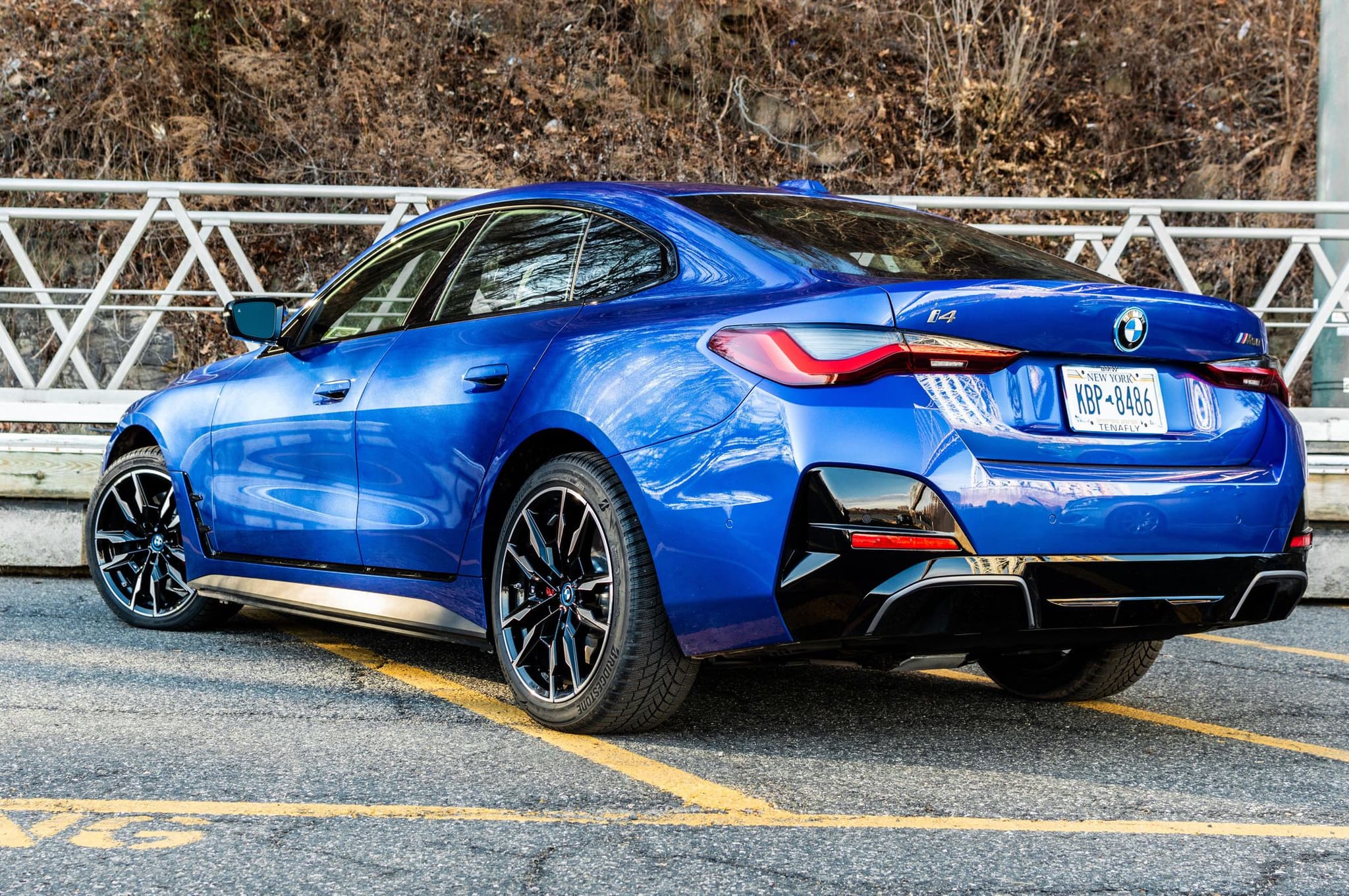
Now let’s take a look at the other side of the coin. We’ve already seen that the BMW i4 enjoys strong demand on both the new and used markets, which is a good indicator of its popularity and overall appeal. However, like any vehicle, it’s not immune to depreciation and this is an important factor to consider if you’re planning to buy a new i4 and sell it after a few years of ownership.
If you purchase a brand-new BMW i4, drive it for around four years with an average annual mileage of 13,500 miles, and then decide to sell it, you should expect to lose approximately 49% of its original value. To put this into perspective, if you buy your i4 for $67,000, its estimated resale value after those four years will be roughly $34,500.
In other words, nearly half of the car’s initial price will be lost over this ownership period. This level of depreciation is relatively typical for premium electric vehicles, especially as newer models with longer range and updated features enter the market each year. While the i4 retains value better than some less-established EVs, it still doesn’t hold its price as strongly as many traditional ICE vehicles, which tend to depreciate at a slower pace.
So, if you’re considering purchasing a new i4, it’s essential to keep these numbers in mind. While you’ll enjoy the benefits of owning a modern, luxurious, and quick electric BMW, you should also be prepared for a noticeable drop in value when it’s time to sell or trade it in.
Is BMW i4 Reliable Enough?
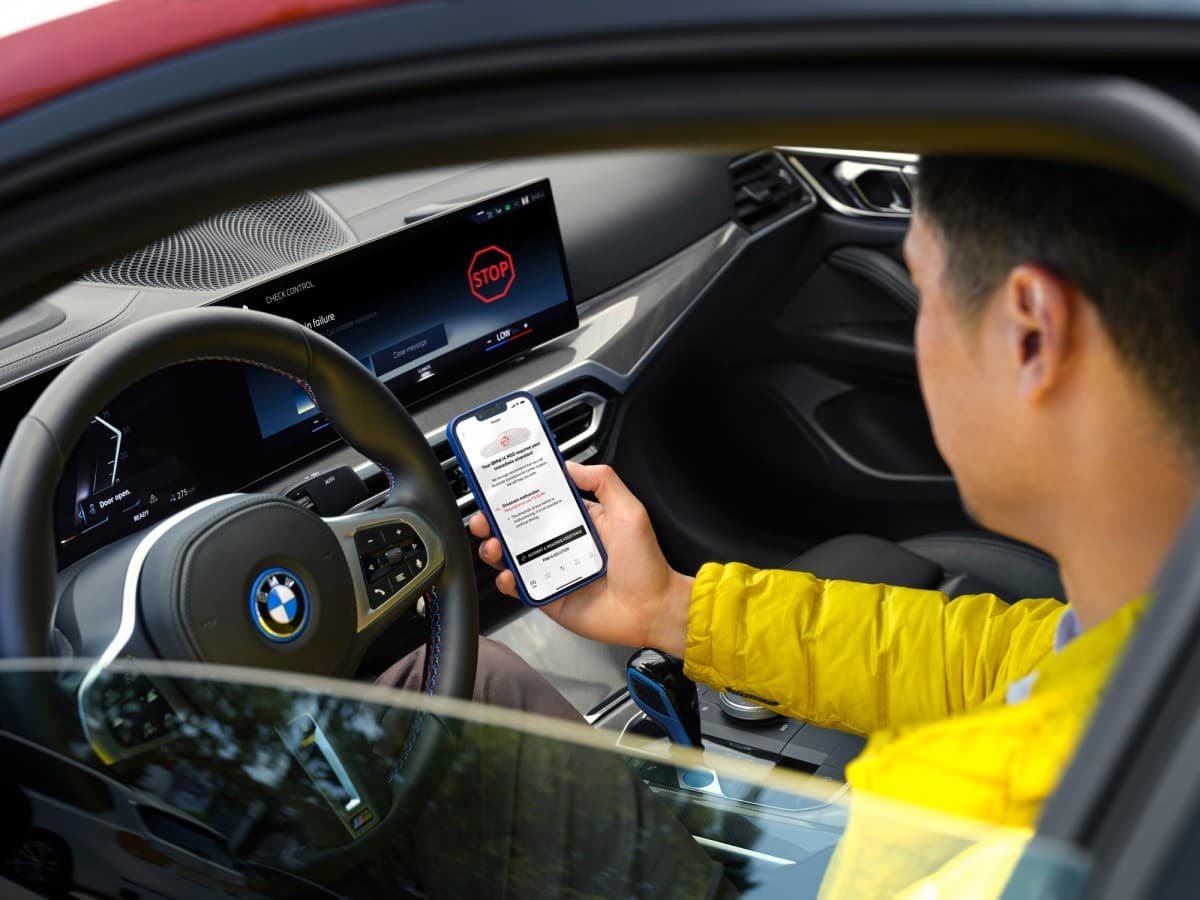
Another major advantage of the BMW i4 is its impressive reliability, which has become one of the model’s strongest selling points. In fact, the i4 is widely regarded as one of the most dependable electric vehicles currently on the market. Numerous independent studies and customer satisfaction surveys consistently rank it among the top three most reliable EVs ever produced, putting it ahead of many direct competitors.
This strong track record means that owners can expect fewer unexpected problems, especially during the manufacturer’s warranty period and often well beyond it. BMW’s engineering quality, combined with the relatively mature EV platform used in the i4, contributes to its ability to deliver stable and trouble-free performance over time.
EV.com Insight
In the end, it’s time to address the most important and intriguing question: is it really worth buying a BMW i4?
Our answer is a confident yes. Whether you’re looking for a brand-new model or a well-maintained used one, the i4 stands out as one of the best options currently available in the electric sedan segment.
It strikes an excellent balance between solid real-world range, competitive acceleration and driving dynamics, and outstanding reliability, which is rare even among premium EVs. On top of that, the growing availability of used i4 models on the market makes it a more accessible choice for those who want a luxury EV experience without paying the full new-car price.
If this German electric sedan has caught your attention, don’t miss your opportunity to find the perfect one for you. Visit our Search section, where we’ve gathered thousands of top EV deals from certified dealers across the country. With us, you can confidently choose the EV you truly want and enjoy a safe, seamless, and hassle-free buying experience.
Comments
Categories
Subscribe for EV News and Reviews

AI Employee for Car Dealerships
Results in 30 days - Or We'll Give You Your Money Back