Xiaomi Slammed for Using Phone Chips in New YU7 Battery Electric Crossover
Xiaomi delivered 300,000 EVs in just a year.

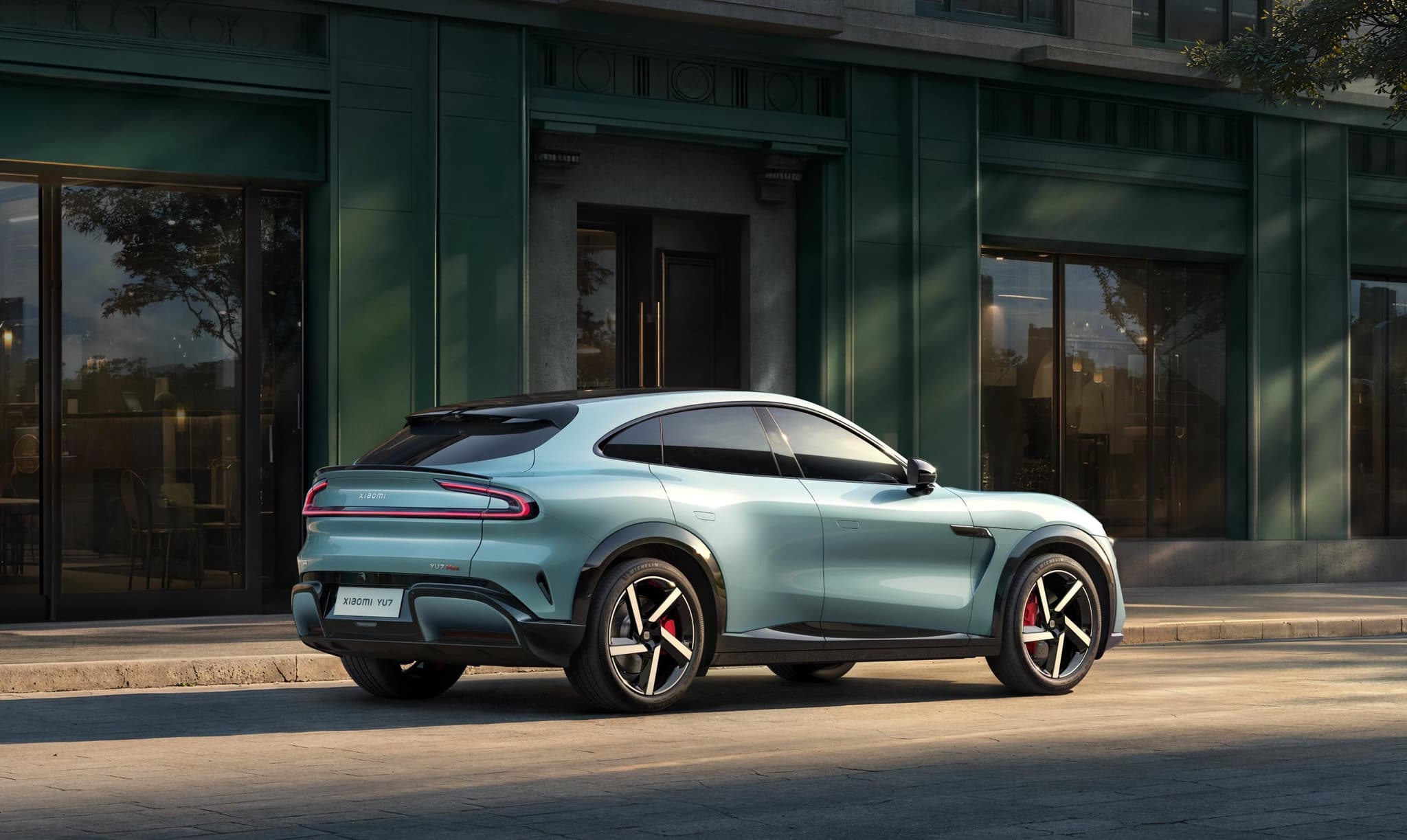
Xiaomi’s rapid rise in the Chinese electric vehicle segment is drawing criticism from established automakers, as the tech giant faces backlash for equipping its new YU7 electric vehicle with consumer-grade hardware.
At the center of the controversy is the Qualcomm Snapdragon 8 Gen 3 chip, which Xiaomi is using for its vehicles. The chip is typically found in consumer goods such as smartphones and gaming devices.
Rivals question safety and long-term viability
Xiaomi’s success in the EV sector has been swift, with the tech giant delivering 300,000 EVs in just a year. Competitors, however, are arguing that the brand is cutting corners to scale quickly.
FAW-Audi vice president Li Fenggang led the criticism. He warned that the Snapdragon 8 Gen 3 chip Xiaomi is using in the YU7 lacks the robust environmental certifications required for automotive-grade components. He also highlighted concerns over the chip’s shorter lifespan and lower thermal tolerance.
“Cars are not fast-moving consumer goods,” Li said.
Tesla has faced similar issues in the past, with the EV pioneer also trying out the use of conventional chips, according to a CarUp report. Tesla eventually had to initiate a recall because the consumer chips were overheating.
Performance boost or regulatory headache?
While consumer chips like the Snapdragon 8 offer strong computing power, automakers typically avoid them in favor of components that meet rigorous automotive safety standards. Critics, such as Li, have argued that integrating uncertified tech could lead to long-term reliability issues or even regulatory hurdles.
Despite the backlash, Xiaomi has maintained strong sales momentum with the YU7. It remains to be seen whether the company’s hardware decisions will hold up under increasing industry and regulatory pressure.
EV.com tracks the evolving EV collector space and performance electric vehicles hitting the market. Explore our listings to find the best EVs in your area available today.
Comments
Categories
Related news

Subscribe for EV News and Reviews

AI Employee for Car Dealerships
Results in 30 days - Or We'll Give You Your Money Back