Xiaomi EV Smashes 500,000 Deliveries, Beating Its 2025 Target a Month Early
Xiaomi EV confirmed that its November deliveries once again exceeded 40,000 units, allowing the automaker to pass the 350,000-unit annual target originally set for 2025.
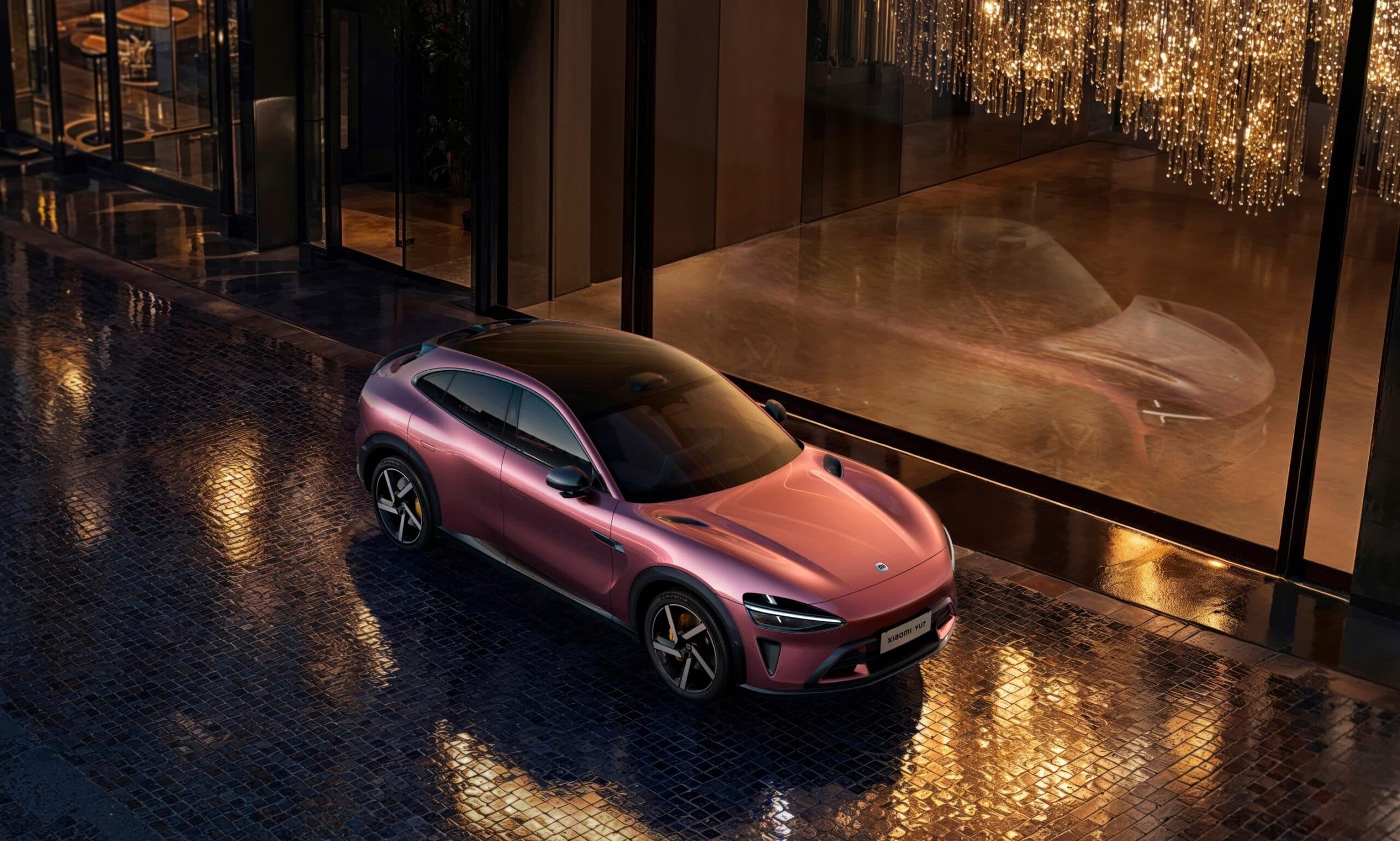
Xiaomi EV hit one of the fastest growth milestones in the industry this week, surpassing 500,000 cumulative deliveries less than two years after entering the market. The company’s rapid climb pushed it past its 2025 target of 350,000 units more than a month early, underscoring how aggressively the Chinese electronics giant has scaled production and demand for its SU7 and YU7 electric vehicles.
Record deliveries and accelerated production push Xiaomi ahead of schedule
Xiaomi EV confirmed that its November deliveries once again exceeded 40,000 units, allowing the automaker to pass the 350,000-unit annual target originally set for 2025. The company publicly celebrated production of its 500,000th vehicle on November 20 and said it expects full-year deliveries to surpass 400,000 units.
The rapid production ramp began shortly after Xiaomi EV launched its first model, the SU7 sedan, in March 2024 as a direct competitor to the Tesla Model 3. The lineup expanded quickly in 2025 with the SU7 Ultra performance variant and the YU7 SUV, positioned against Tesla’s Model Y. Xiaomi initially set a 2025 target of 300,000 vehicles but revised it to 350,000 earlier this year as demand accelerated.
To meet year-end momentum, Xiaomi EV produced a batch of expedited-delivery vehicles for customers with firm orders, offering brand-new units, display models, and lightly used near-new vehicles. New buyers will gain access to this inventory beginning December 3.

Financial gains, tax pressures, and Xiaomi’s broader EV strategy
Xiaomi’s rapid EV expansion has also begun to reflect in its financials. The company reported its first quarterly profit in its “innovative business” segment during Q3. The strong delivery volume helped offset the rising cost of scaling manufacturing lines and expanding into multiple vehicle categories.
China’s new-energy vehicle tax incentives are set to scale back next year, prompting Xiaomi and other domestic automakers to accelerate deliveries ahead of the deadline. The company’s ability to maintain volume in 2026 will depend on how well its expanding SUV and performance lineup performs under reduced subsidy support. Nevertheless, Xiaomi EV’s early momentum suggests the brand has quickly established itself as a major contender in China’s highly competitive EV market.
EV.com tracks the evolving EV collector space and performance electric vehicles hitting the market. Explore our listings to find the best EVs in your area available today.
Comments
Categories
Subscribe for EV News and Reviews

AI Employee for Car Dealerships
Results in 30 days - Or We'll Give You Your Money Back