Why Paint Protection Film Is Worth It for Luxury Cars
Why PPF is essential for luxury and exotic cars in Dubai: sand abrasion, UV intensity, heat exposure and resale value explained. Full body vs partial coverage, installation quality and what to look for.
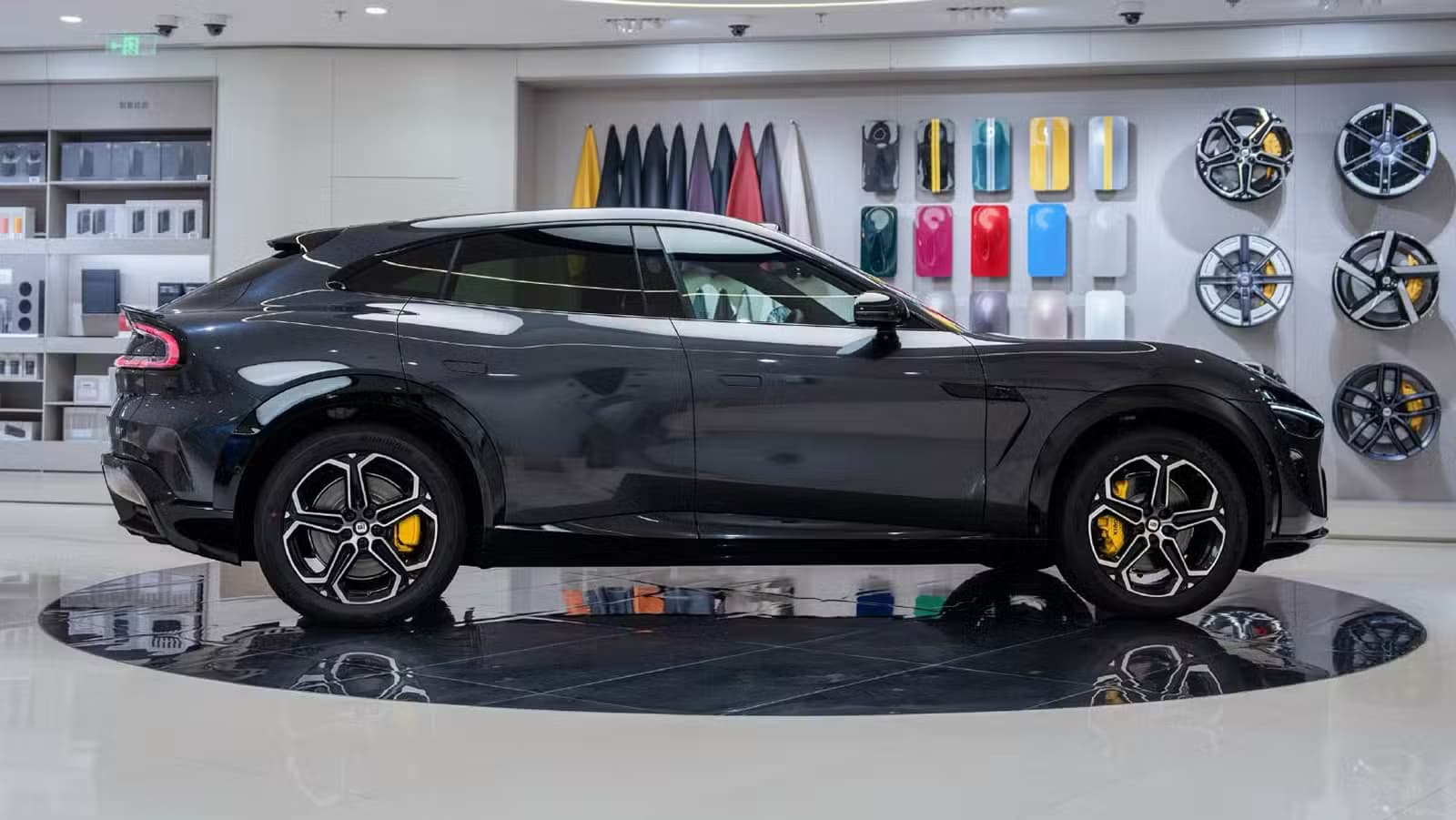
Dubai is one of the most demanding environments for automotive paint on the planet. Fine desert sand acts as an abrasive at any speed. UV radiation here is significantly more intense than in Europe or North America. Temperatures above 45 degrees Celsius accelerate the degradation of clear coat in ways that take years to become visible but are happening from the first summer. For a Lamborghini, a Rolls-Royce, or any vehicle where the paint condition directly affects the value and appearance of the car, paint protection film is not a cosmetic upgrade. It is preventive maintenance.
What Paint Protection Film Actually Does
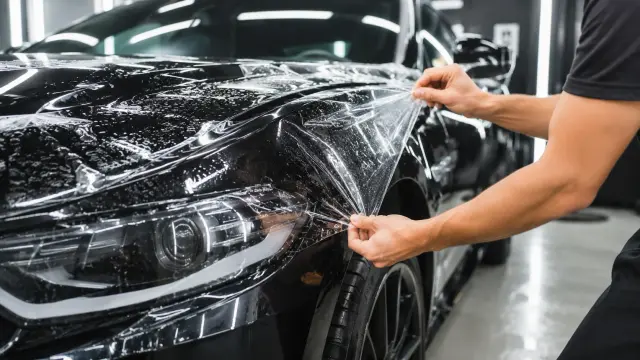
PPF is a thermoplastic polyurethane film applied to the exterior surfaces of a car. It sits between the paint and everything the road throws at the car – sand, gravel, insects, minor abrasions from brushes at car washes, door dings in parking lots.
The film absorbs impact rather than passing it to the paint beneath. On a car without PPF, a piece of gravel at 80 km/h on the E11 leaves a chip. On a car with PPF, the film takes the hit. The paint underneath remains untouched.
Modern PPF goes further than simple impact protection. Current-generation films from manufacturers like XPEL, 3M, and SunTek include:
- Self-healing topcoat: minor scratches and swirl marks disappear with heat exposure – either sunlight or warm water
- UV inhibitors: block the ultraviolet radiation that yellows and degrades both the film and the paint beneath
- Hydrophobic surface: water and contaminants bead off rather than bonding to the surface
- Gloss enhancement or matte finish options depending on the look you want
Why Dubai Specifically Makes the Case for PPF
The argument for PPF is strong in any market. In Dubai it becomes close to unanswerable for luxury vehicles.
Sand abrasion. The fine particulate matter that comes off the desert roads and construction sites around Dubai is different from the gravel and road debris in temperate climates. It is finer, gets airborne more easily, and acts as a continuous low-grade abrasive at any driving speed. Paint without protection develops micro-scratches and loses depth over time in a way that is gradual enough to go unnoticed until the car is standing next to a freshly detailed equivalent.
UV intensity. Dubai’s UV index runs between 8 and 11 from March through October. This is the range that causes paint fading and clear coat degradation in 3-5 years on unprotected vehicles. PPF with UV-blocking chemistry extends the life of the paint significantly and keeps the colour depth that made the car worth buying in the first place.
Temperature extremes. Surface temperatures on a black car parked in the Dubai sun in August reach 70-80 degrees Celsius. This accelerates every chemical process that degrades paint – oxidation, bonding failure between clear coat and base coat, contaminant embedding. A quality PPF film acts as a thermal barrier that reduces surface temperature and slows these processes.
Dust storms. A haboob moving through Dubai deposits fine particles on every surface. When those particles are wiped off without proper washing technique – which happens more often than it should – they act as sandpaper on the paint. PPF absorbs this rather than passing the damage to the surface beneath.
The Economics: What PPF Protects
For a luxury or exotic car, the financial case for PPF is specific and calculable.
Resale value. Paint condition is one of the primary factors in the resale valuation of any premium vehicle. A Porsche 911 or Bentley Continental with original paint in excellent condition commands significantly more than the same car with chips, fading, or evidence of repainting. PPF preserves the paint in a condition that supports the highest possible resale value.
Repainting costs. A full professional respray on a luxury vehicle in Dubai costs between AED 15,000 and AED 50,000 or more depending on the car and the quality of the work. A partial respray on a panel with significant chip damage costs AED 2,000-5,000 per panel. PPF installation on a full car costs a fraction of a respray and prevents the need for one.
Insurance excess. Paint damage from road debris is often below the insurance excess threshold – meaning the owner pays out of pocket for repairs that PPF would have prevented entirely.
Full Body vs Partial Coverage: What Makes Sense
PPF can be applied to the full vehicle or to the highest-risk areas only. The right choice depends on the car, the budget, and how it is used.
High-impact zones (partial coverage):
- Front bumper – catches the most road debris
- Hood – large surface area exposed to forward-moving particles
- Front fenders – debris thrown by the front wheels
- Side mirrors – directly in the airflow
- Door edges – vulnerable to parking lot contact
- Rocker panels – low-height debris and car wash damage
For a daily driver in Dubai where full-body coverage is not the priority, partial coverage on these zones catches the majority of damage that would otherwise reach the paint.
Full body coverage:
For exotic and luxury cars – Lamborghini, Ferrari, Rolls-Royce, Bentley, Porsche – full body coverage is the standard. The cost of the PPF installation is proportionate to the value of what it protects. On a car worth AED 500,000 or more, protecting every panel is the rational choice.
How Long PPF Lasts in Dubai
Quality PPF from a reputable manufacturer, professionally installed, lasts 7-12 years in normal use. In Dubai’s climate, the upper end of that range is achievable with proper maintenance. Desert Diamond Detailing, which works with premium and exotic cars in Dubai, backs PPF installations with manufacturer warranty of up to 12 years – confirmed in writing before work begins.
The film degrades before the paint beneath. When the film eventually reaches the end of its service life, it is removed and replaced. The paint underneath, protected for the entire period, remains in original condition.
Installation: What to Look For
PPF installation is a skill. The same film installed by an experienced technician and an inexperienced one produces completely different results. The differences show in the edges, the panel alignment, the absence of bubbles and lifting, and the longevity of the installation.
What separates a professional installation:
- Surface preparation: the paint must be corrected and decontaminated before the film goes on. Any swirl marks, contamination, or minor damage beneath the film will be sealed in and magnified
- Pre-cut vs hand-cut: software-cut templates for specific vehicle models produce cleaner edges than hand-cutting on the car
- Edge wrapping: film wrapped around panel edges rather than cut on the visible surface eliminates lifting and peeling over time
- Cure time: newly installed PPF needs controlled temperature and humidity during curing. Rushing this step affects adhesion and longevity
PPF and Ceramic Coating: Used Together
| Feature | PPF (Paint Protection Film) | Ceramic Coating |
| Primary Purpose | Protects paint from stone chips, scratches, and road debris | Enhances gloss and repels water, dirt, and contaminants |
| Protection Type | Physical impact protection | Surface protection and chemical resistance |
| Self-Healing | ✔ Yes (on premium films) | ✖ No |
| Hydrophobic Effect | Limited | ✔ Excellent |
| UV Protection | ✔ Yes | ✔ Yes |
| Gloss Enhancement | Moderate | ✔ High |
| Ease of Cleaning | Good | ✔ Excellent |
| Best Application | High-impact areas or full vehicle | Applied over paint or PPF |
| Works Together? | ✔ Yes — ceramic coating can be applied on top of PPF | ✔ Designed to complement PPF |
Why combine PPF and Ceramic Coating?
PPF and ceramic coating are complementary, not competing technologies. PPF acts as the vehicle’s physical armor, protecting against stone chips, scratches, and UV exposure. Ceramic coating is applied over the PPF, adding a highly hydrophobic surface, deeper gloss, and making the vehicle significantly easier to wash and maintain.
For luxury and exotic vehicles in Dubai, combining PPF + Ceramic Coating has become the industry standard, delivering maximum paint protection together with a premium, long-lasting finish.
FAQ
Does PPF affect the appearance of the car?
Gloss PPF is effectively invisible on a well-installed job – the paint colour and depth remain unchanged. Matte PPF can give a gloss-finish car a satin or matte appearance if that is the desired look. Self-healing films maintain optical clarity throughout their service life.
Can PPF be removed without damaging the paint?
Yes, when professionally removed. Heat application softens the adhesive and the film peels away cleanly. The paint beneath is in the same condition as when the film was applied – often significantly better than paint that was exposed to Dubai’s environment for the same period.
How long after installation before I can wash the car?
Most manufacturers recommend waiting 7-14 days before the first wash after PPF installation. This allows the adhesive to cure fully and the film to settle into position. Your installer will advise on the specific timeline based on the product used.
Is PPF worth it on a car I plan to sell within a year or two?
Yes. PPF adds to resale value by preserving paint condition, and a quality installation on a luxury vehicle is a selling point that buyers in the Dubai market recognise and pay for.
Bottom Line
Paint protection film on a luxury car in Dubai is the difference between paint that looks original after five years and paint that shows the evidence of every kilometre driven. The climate makes paint degradation faster here than almost anywhere else. The roads add physical damage that compounds over time. And the value of the cars involved makes the case for protection straightforward.
The investment in PPF is a fraction of the cost of addressing paint damage after the fact – and it is made once, covering years of protection.
Comments
Related news
Maryland Car Shipping: Baltimore Port and DC Suburbs
Buying an EV in Another City: Drive It Home or Have It Transported?
Do Electric Cars Need a Car Inspection? EV Rules for 2026-2027
A refresh instead of buying a new car: when it really makes sense
Subscribe for EV News and Reviews

AI Employee for Car Dealerships
Results in 30 days - Or We'll Give You Your Money Back