Volvo Recalls 40,000 EX30 SUVs Over Battery Fire Risk
The recall covers EX30 Single-Motor Extended Range and Twin-Motor Performance variants equipped with specific high-voltage cells.

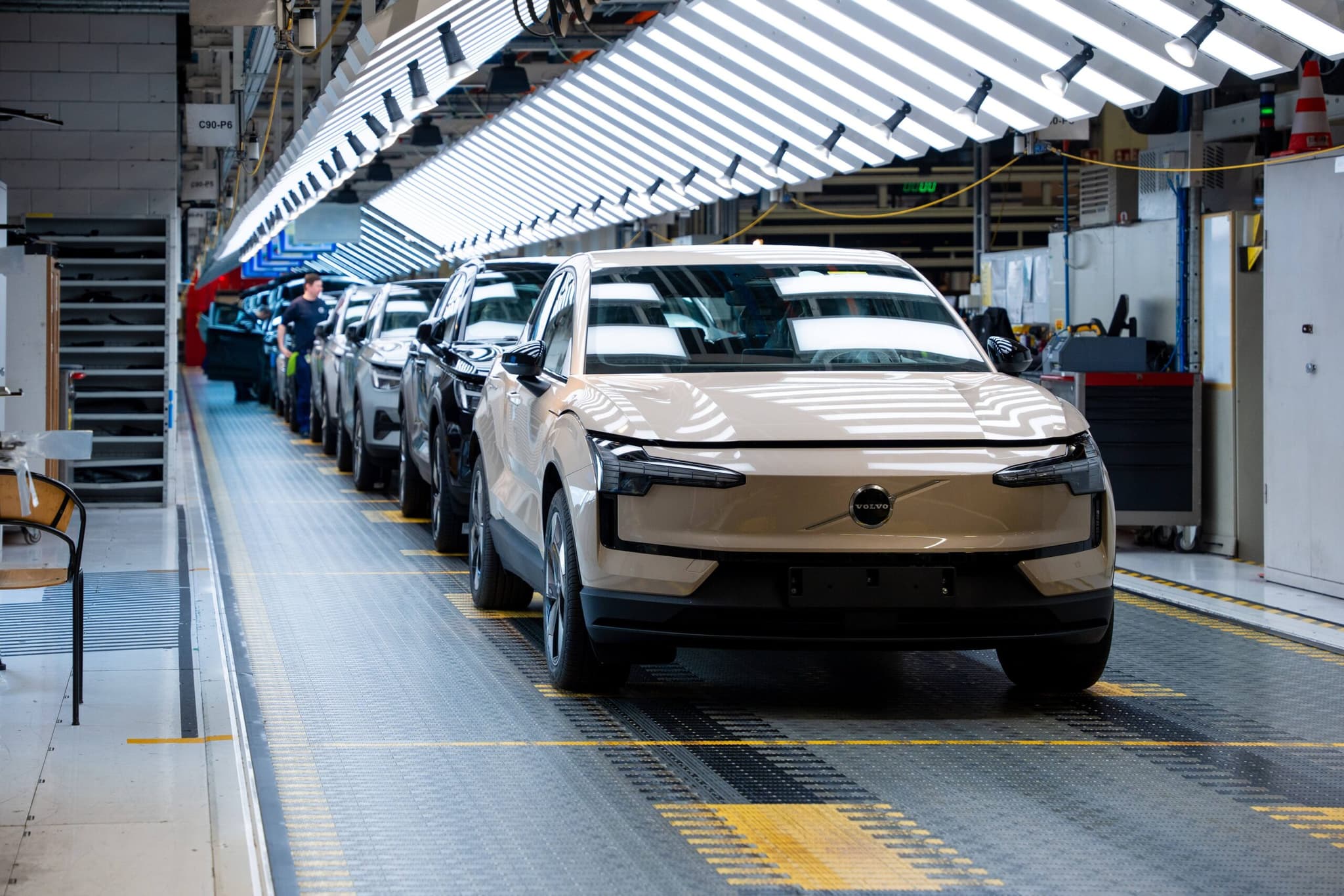
Volvo Cars will recall 40,323 units of its all-electric Volvo EX30 over a battery overheating risk. The move involves replacing modules within the high-voltage battery packs of affected vehicles and could carry a significant financial impact.
The recall covers EX30 Single-Motor Extended Range and Twin-Motor Performance variants equipped with specific high-voltage cells.
Battery modules to be replaced
Volvo said it is contacting owners directly and will replace the affected battery modules free of charge. In the interim, customers have been advised to limit charging to 70% and, in some markets, to park vehicles away from buildings as a precaution.
“We are now contacting the owners of all affected cars to advise them of next steps,” the company told Reuters.
The batteries were produced by Shandong Geely Sunwoda Power Battery Co., a Geely-backed joint venture. Volvo stated that the supplier has addressed the defect and will provide replacement cells.
Shares of Volvo Cars fell approximately 4% following news of the recall.
According to a Reuters analysis, replacement modules could cost roughly $195 million, excluding logistics and labor. Volvo described those cost estimates as “speculative in nature” and said discussions with the supplier are ongoing.
Safety reputation under scrutiny
The EX30 is a central model in Volvo’s electric transition and its effort to compete in lower price segments. Analysts say the issue comes at a sensitive time.
“The EX30 especially is very important to Volvo, so they have to get it right,” said Sam Fiorani, vice president for global vehicle forecasting at AutoForecast Solutions.
Andy Palmer, who oversaw the launch of the Nissan Leaf in 2010, said the situation strikes at the core of Volvo’s brand identity.
“Volvo can’t afford a safety issue because that strikes at the heart of their brand,” he said.
Since December, Volvo has issued guidance to owners in multiple markets, including the United States, Australia and Brazil, to cap charging at 70% while the issue is addressed.
Some owners have expressed frustration. British policyholder Matthew Owen said he chose the EX30 partly for its safety credentials, adding the company should take responsibility for “producing a car that is dangerous.” New Zealand owner Tony Lu said reduced charging limits have affected range and increased operating inconvenience.
Volvo is currently pursuing cost-saving measures and deeper integration with its majority owner, Geely, as it expands its EV lineup.
EV.com tracks the evolving EV collector space and performance electric vehicles hitting the market. Explore our listings to find the best EVs in your area available today.
Comments
Categories
Subscribe for EV News and Reviews

AI Employee for Car Dealerships
Results in 30 days - Or We'll Give You Your Money Back