Volvo Hits 500K Electric Cars Sold, With Sweden and Norway Leading
The figure highlights a rapid shift for a brand that once publicly doubted battery-only vehicles.
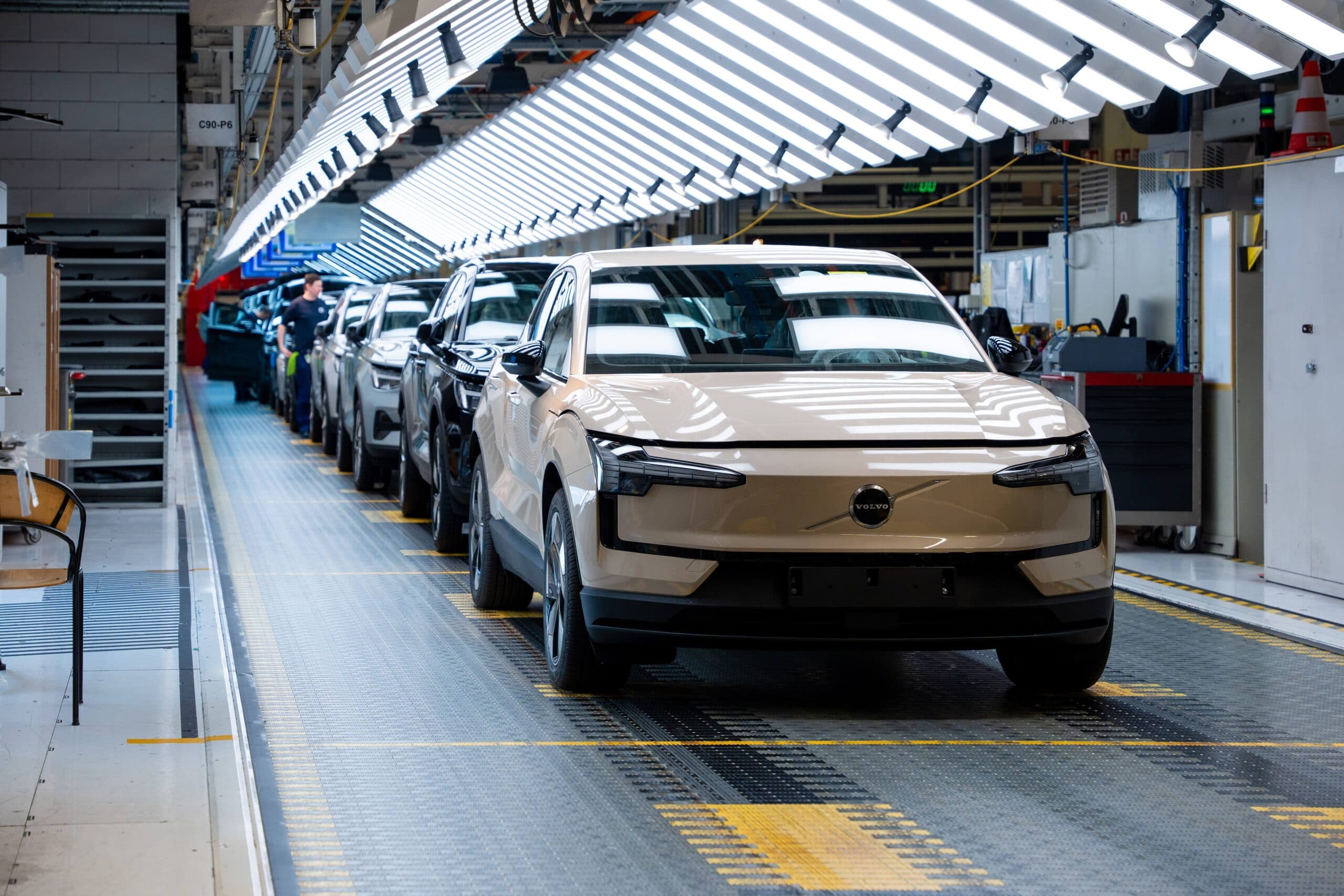
Volvo Cars has crossed a major electric-vehicle milestone, selling more than 500,000 fully electric cars worldwide just six years after launching its first mass-market EV. The figure highlights a rapid shift for a brand that once publicly doubted battery-only vehicles, with Sweden and Norway driving much of the early demand as Volvo accelerates its next phase of electrification.
From EV skepticism to a half-million sales milestone
Volvo’s electric journey marks a sharp reversal from its earlier stance. As recently as 11 years ago, then-CEO Håkan Samuelsson openly criticized fully electric cars, arguing they had too many limitations and that plug-in hybrids were the better solution. That view changed quickly as battery technology improved and consumer demand accelerated.
Volvo’s first true electric vehicle, the XC40 Recharge, now known as the EX40, arrived in 2020 and remains a core part of the lineup. Since then, electric sales have steadily climbed, pushing the company past the 500,000-unit mark globally, according to CarUp. Sweden accounts for the largest share, with roughly 58,000 electric Volvos sold, followed closely by Norway at about 42,000 units.
While the total may seem modest compared with Tesla’s quarterly output, the achievement is significant for a smaller, legacy automaker. Electric vehicles now represent about 23% of Volvo’s total sales this year, placing the brand ahead of most traditional competitors still struggling to scale EV adoption.
New electric models signal faster growth ahead
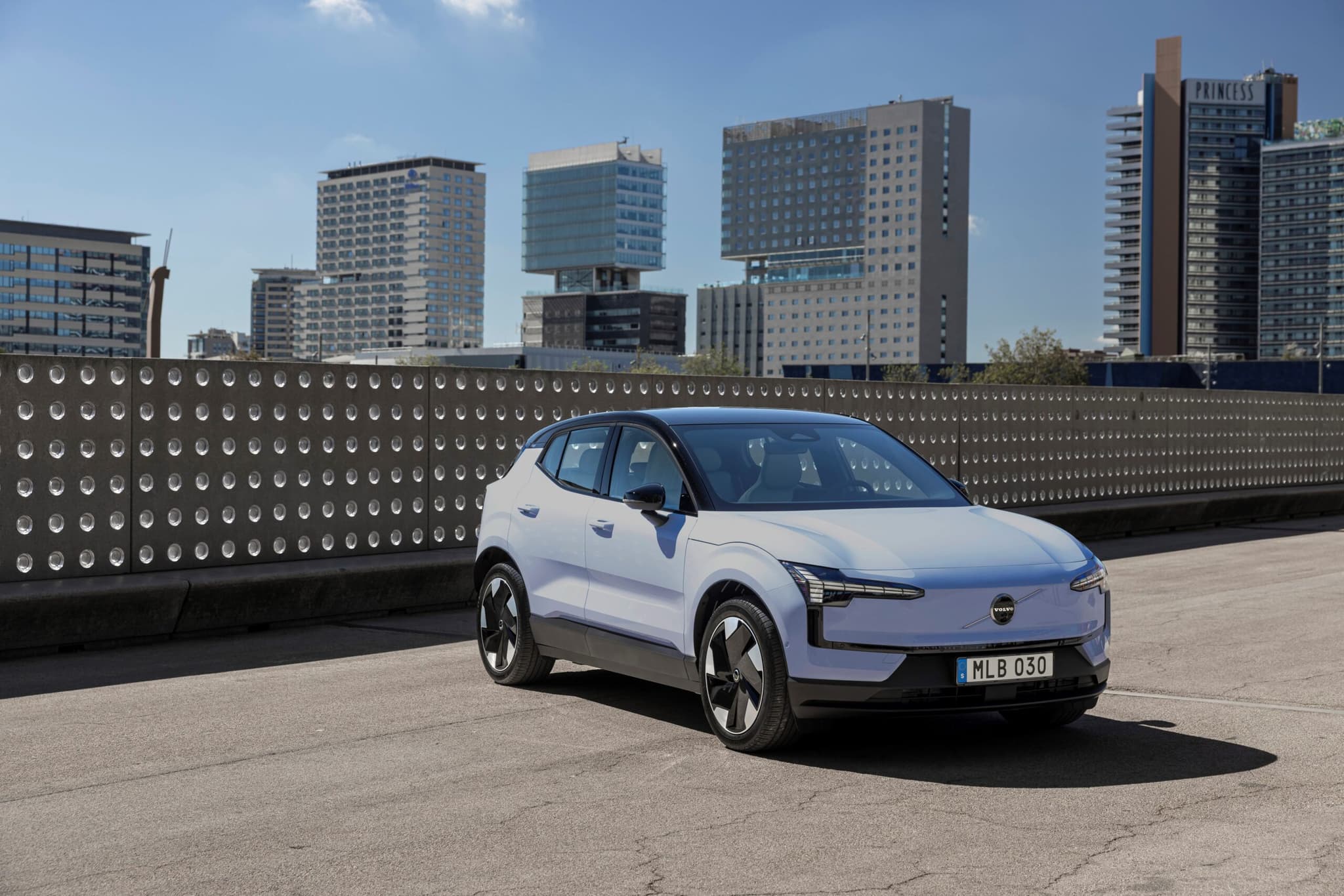
Volvo is now preparing to accelerate its electric rollout even further. After the new year, deliveries will begin for the ES90, a fully electric sedan manufactured in China. The company is also set to unveil the EX60 on January 21, an all-electric counterpart to the popular XC60 SUV, signaling a deeper push into its highest-volume segments.
According to Erik Trosby, Volvo Cars Norway’s head of marketing and communications, electric vehicles are already the norm in Norway, while other markets are following more gradually. He pointed to growing EV adoption in countries such as the UK and the Netherlands as evidence that the broader transition is gaining momentum.
Volvo has also refined its long-term strategy. Instead of committing to an all-electric lineup by 2030, the company now targets 90% electrified sales, a mix of fully electric vehicles and plug-in hybrids. The revised goal reflects market realities while still underscoring Volvo’s belief that electrification is central to its future growth.
EV.com tracks the evolving EV collector space and performance electric vehicles hitting the market. Explore our listings to find the best EVs in your area available today.
Comments
Categories
Subscribe for EV News and Reviews

AI Employee for Car Dealerships
Results in 30 days - Or We'll Give You Your Money Back