Volvo and Polestar Warn EU Not to Delay the 2035 Combustion-Engine Ban
The two Swedish automakers warn that delaying the deadline would undermine Europe’s EV transition, stall consumer adoption, and hand a strategic advantage to China.
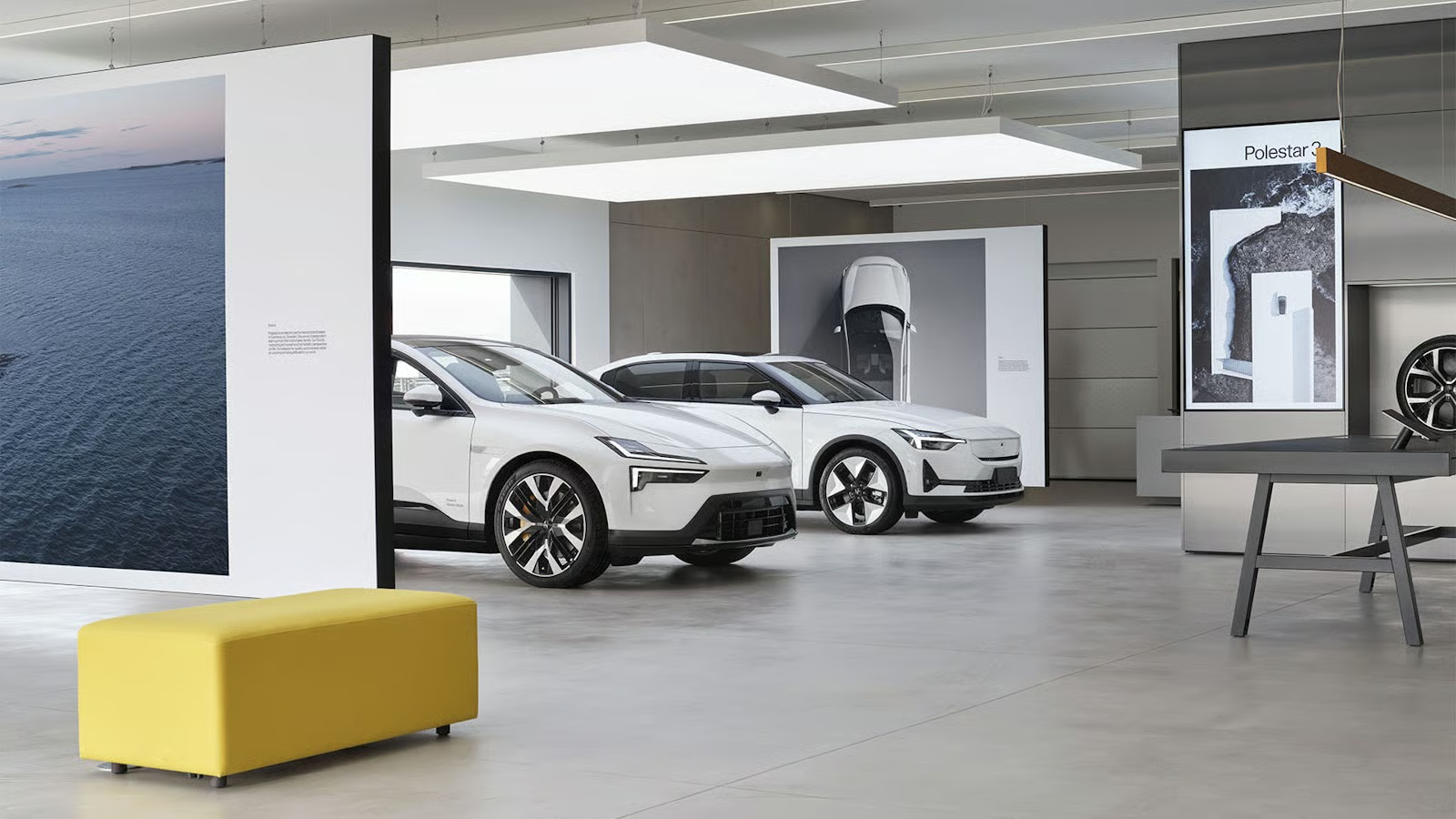
Volvo and Polestar are pushing back against growing German pressure to relax the EU’s 2035 ban on new petrol and diesel cars, warning that any delay would stall Europe’s EV adoption and open the door wider for Chinese automakers. As Berlin urges Brussels to allow hybrids and new combustion engines beyond 2035, the two Swedish brands argue that Europe risks falling behind in a race it can’t afford to lose.
Swedish EV leaders say Germany’s push would undermine momentum
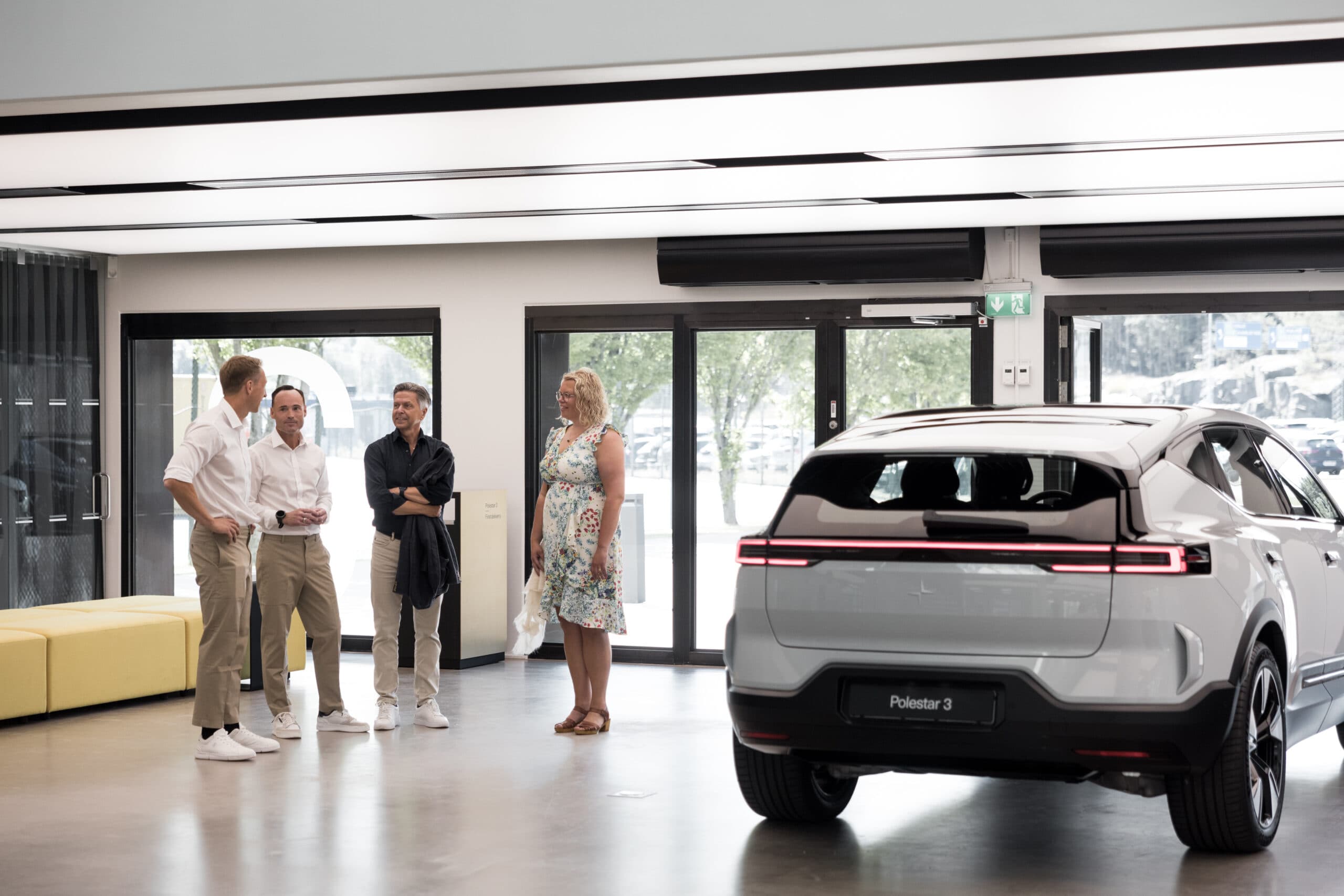
Polestar CEO Michael Lohscheller called proposals to pause or soften the 2035 cutoff “a bad, bad idea,” arguing the move would amount to patching over Germany’s industrial struggles rather than addressing structural challenges. Lohscheller, who participated in the original 2022 negotiations establishing the phaseout, said the deadline followed years of discussion and shouldn’t be unraveled simply because legacy manufacturers remain hesitant to fully commit to electrification, according to The Guardian.
Germany’s chancellor, Friedrich Merz, has urged European Commission president Ursula von der Leyen to permit hybrid and high-efficiency combustion models after 2035, claiming consumers remain uncertain about going electric. But Greens in the European parliament warn this would “gut” existing climate legislation, while Swedish officials say it would send buyers the wrong signal at a crucial moment for EV adoption. “If Europe doesn’t take the lead in this transformation, be rest assured, other countries will do it for us,” Lohscheller said.
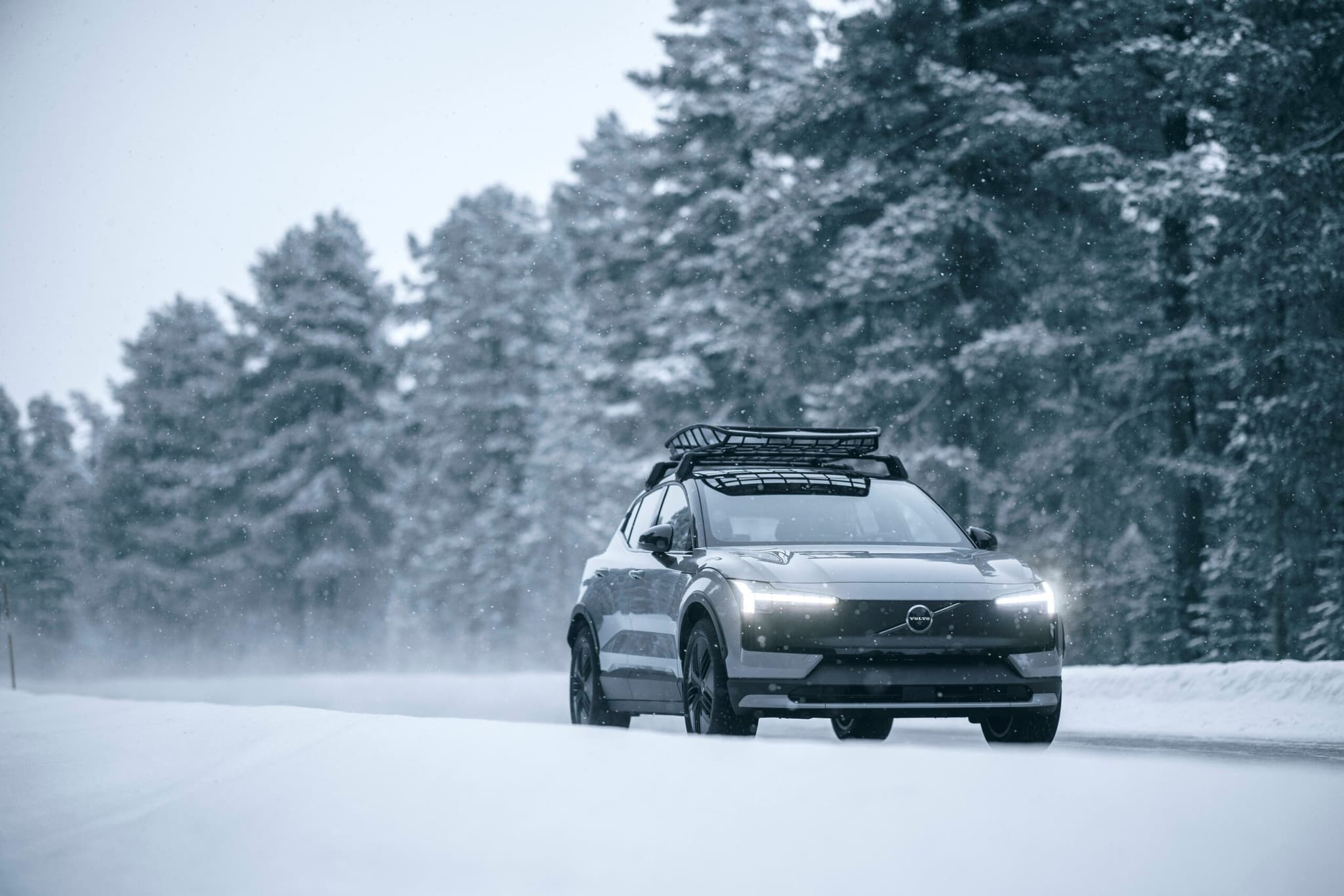
Volvo warns delay will advantage China and widen Europe’s technology gap
Across Gothenburg, Volvo Cars CEO Håkan Samuelsson said he sees no logic in slowing down. He compared today’s resistance to earlier industry opposition to mandatory seatbelts and catalytic converters—technologies automakers initially fought but eventually embraced once regulation forced progress. Weakening the rule, he argues, would only extend uncertainty and stall investment in zero-emission manufacturing.
Samuelsson warned that a softer mandate would make it easier for Chinese automakers to expand across Europe. Many are already planning factories in lower-cost markets such as Hungary, Slovakia, and Romania. Tariffs, he noted, won’t keep them out. “You just need to meet them face on and compete with them,” he said.
Lohscheller added that the debate reflects a deeper mindset issue: while China and the U.S. aggressively chase new ideas and technologies, parts of Germany remain overly focused on preserving the past. Extending combustion-engine production, he said, risks “hundreds of thousands of jobs” and would send Europe backward after years of planning.
EV.com tracks the evolving EV collector space and performance electric vehicles hitting the market. Explore our listings to find the best EVs in your area available today.
Comments
Categories
Related news
Subscribe for EV News and Reviews

AI Employee for Car Dealerships
Results in 30 days - Or We'll Give You Your Money Back