Volkswagen’s Entry-Level ID.2 EV Spotted Testing, Close to Production Design
The entry-level ID.2 from Volkswagen is close to hitting production, as recent test sightings show a near-finalized design.
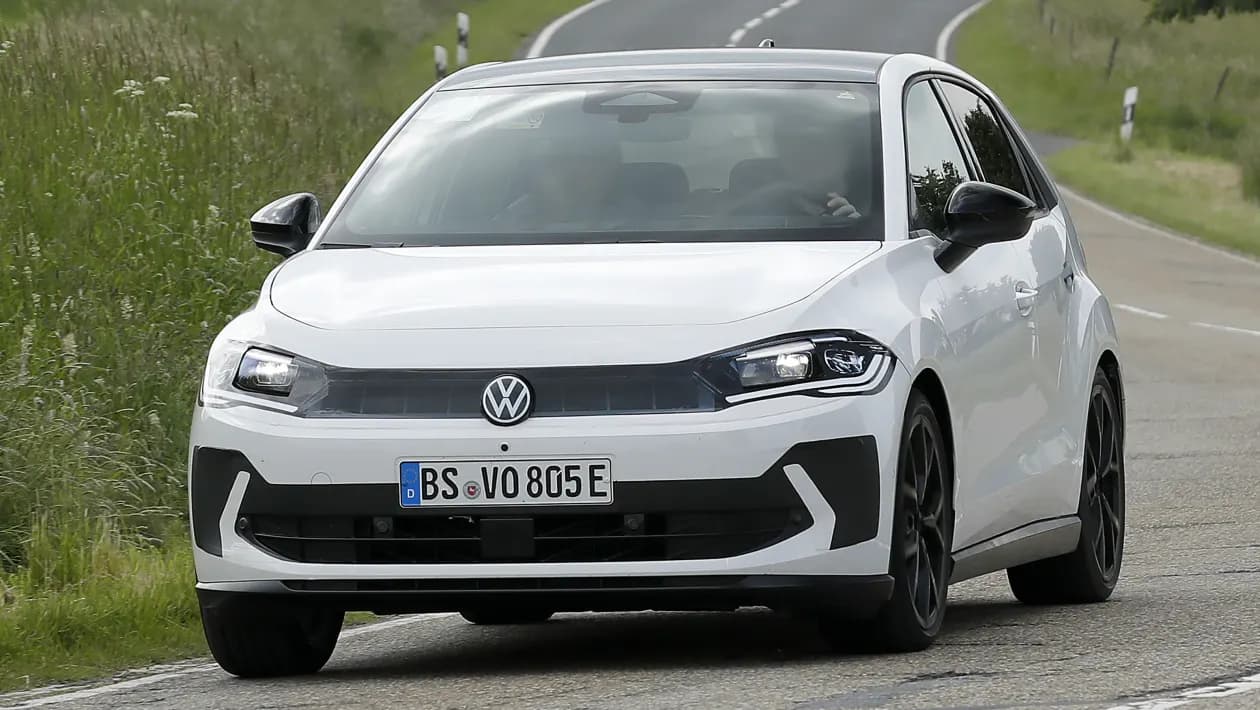
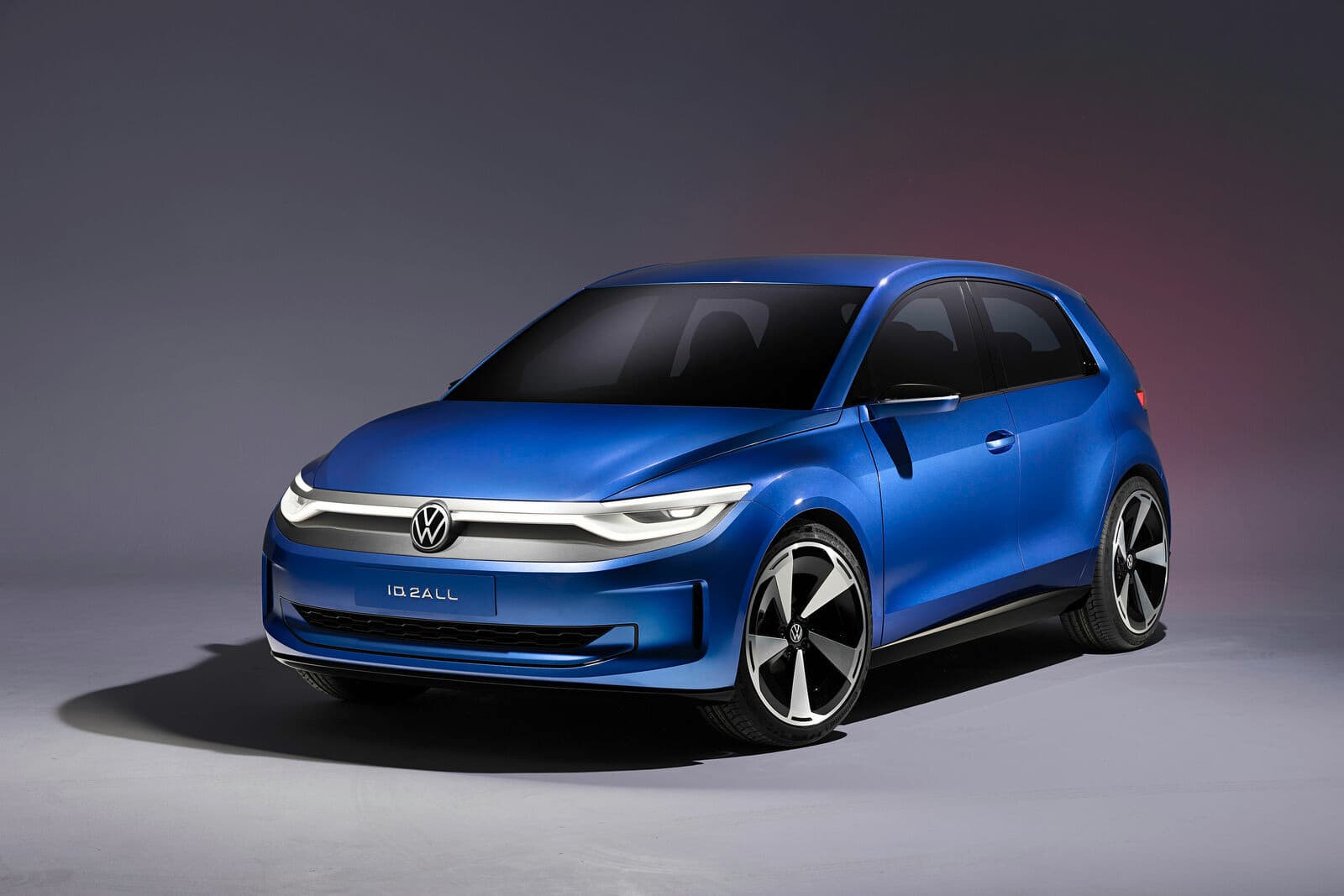
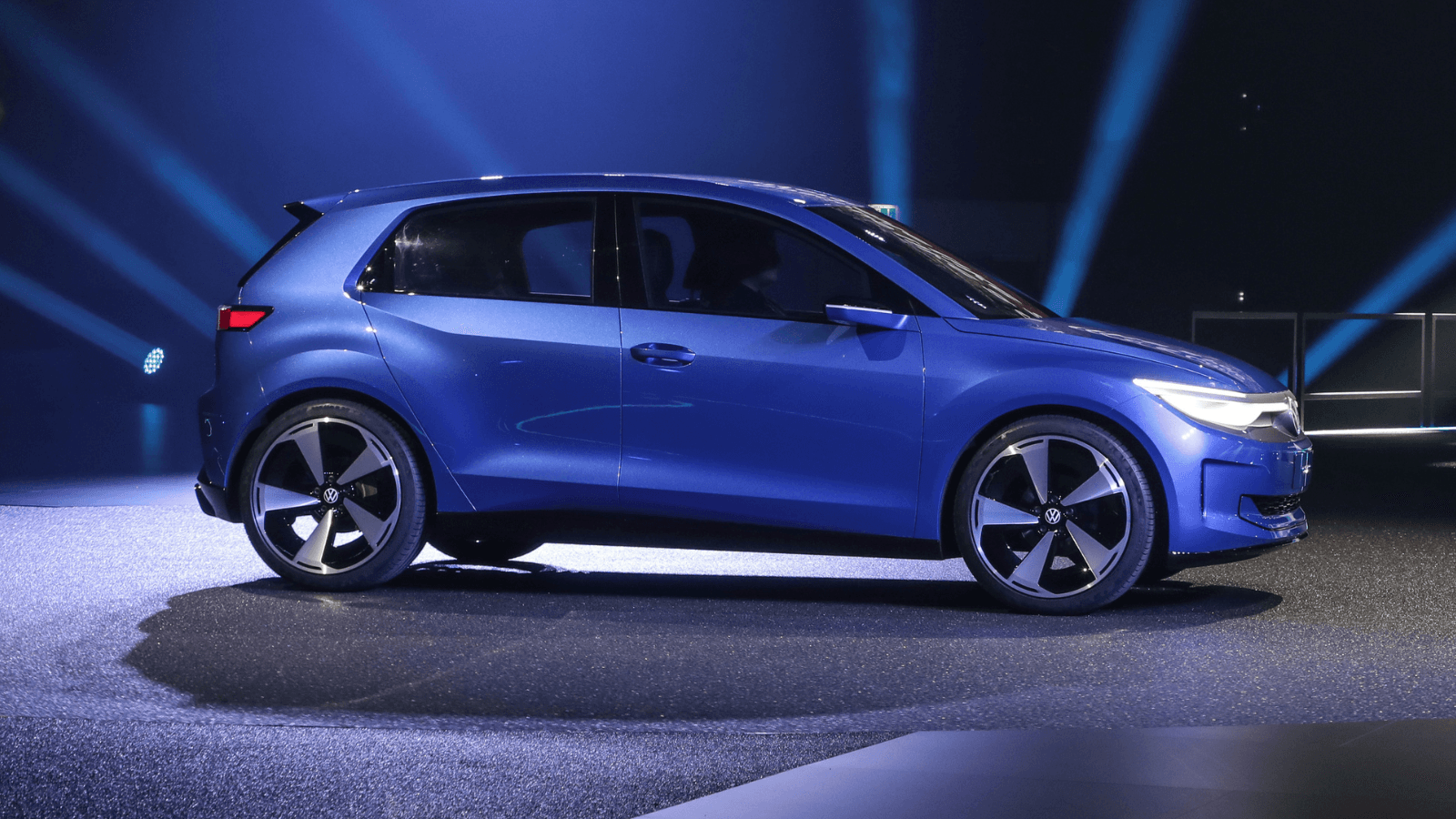
Volkswagen‘s upcoming entry-level electric vehicle, the ID.2 (potentially named ID.Polo), has been spotted undergoing public road tests near the Nürburgring racetrack in Germany. New spy photos reveal the production model will largely retain the design language of the ID.2all concept shown in 2023, signaling a new era for Volkswagen’s electric and interior design.
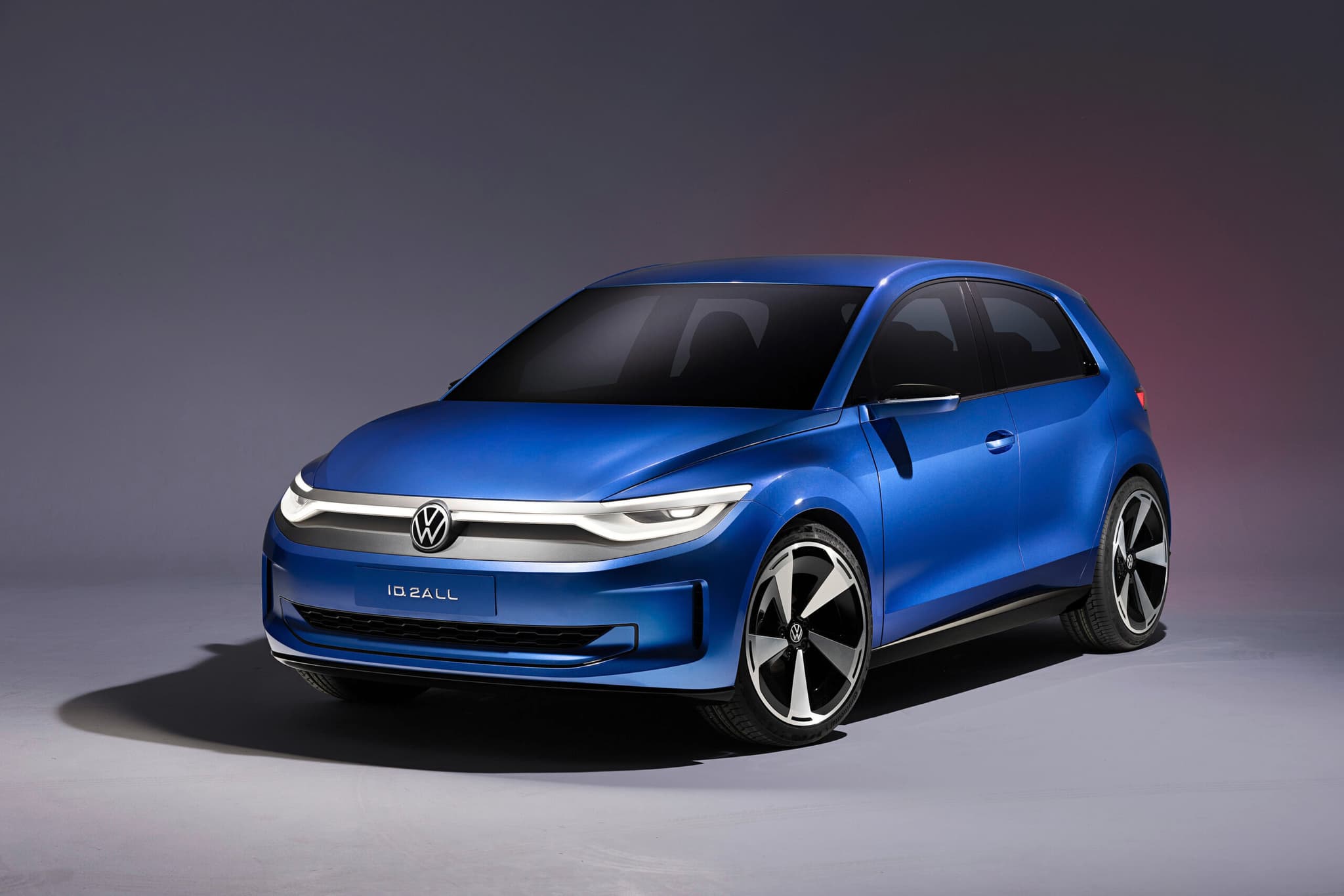
Design and Interior Features
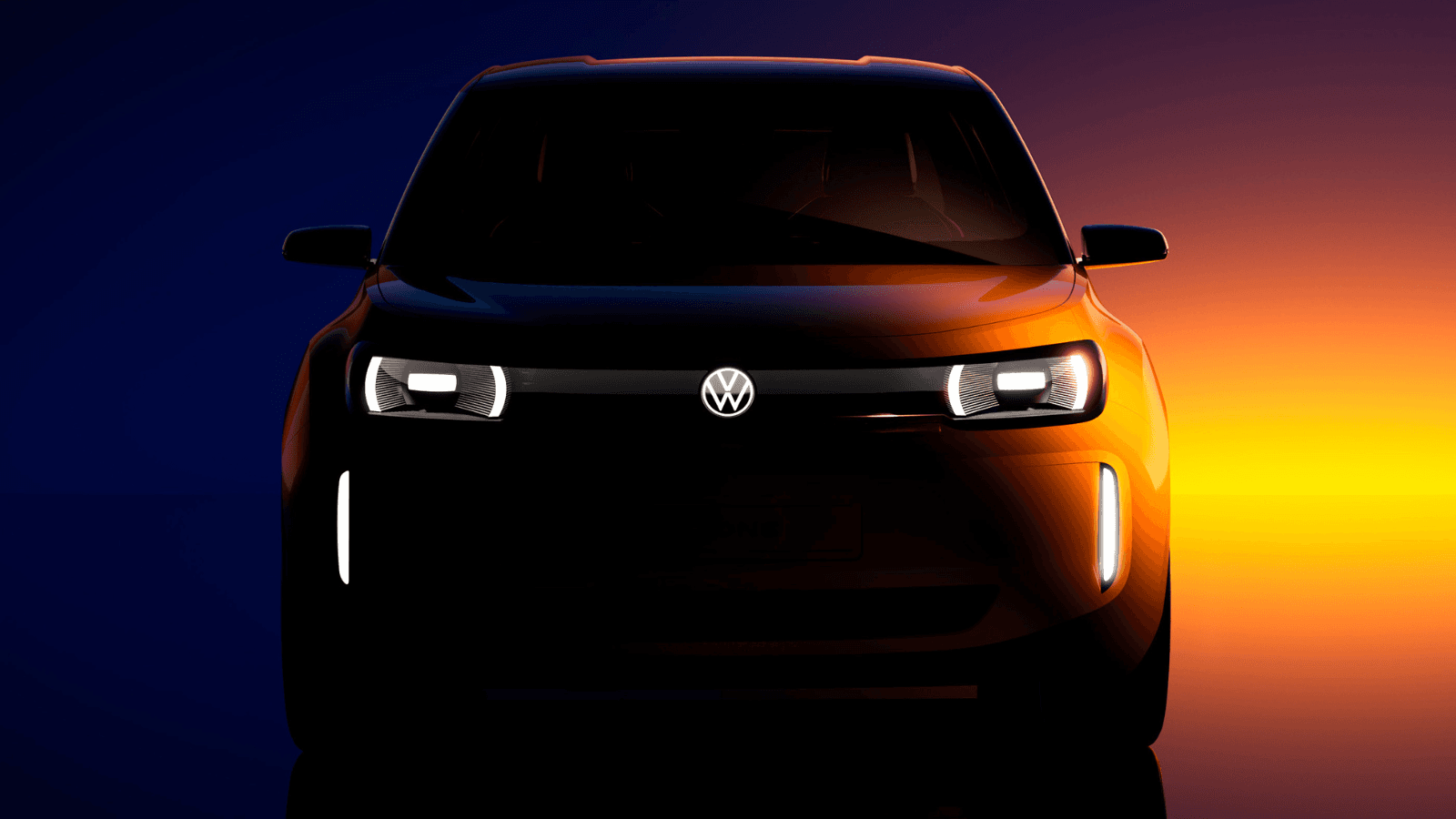
While the prototype observed was camouflaged with Polo body panels, its underlying design is clearly consistent with the ID.2all concept. Minor differences are noted in the front and rear headlights, but the overall appearance remains similar, including a clean, simple tailgate and a light bar at the rear. The production version will feature conventional rear door handles, unlike the concept’s hidden units. The design draws inspiration from Volkswagen classics like the Golf, Polo, and Beetle, aiming for a more conventional and “likeable” aesthetic compared to earlier ID. models.
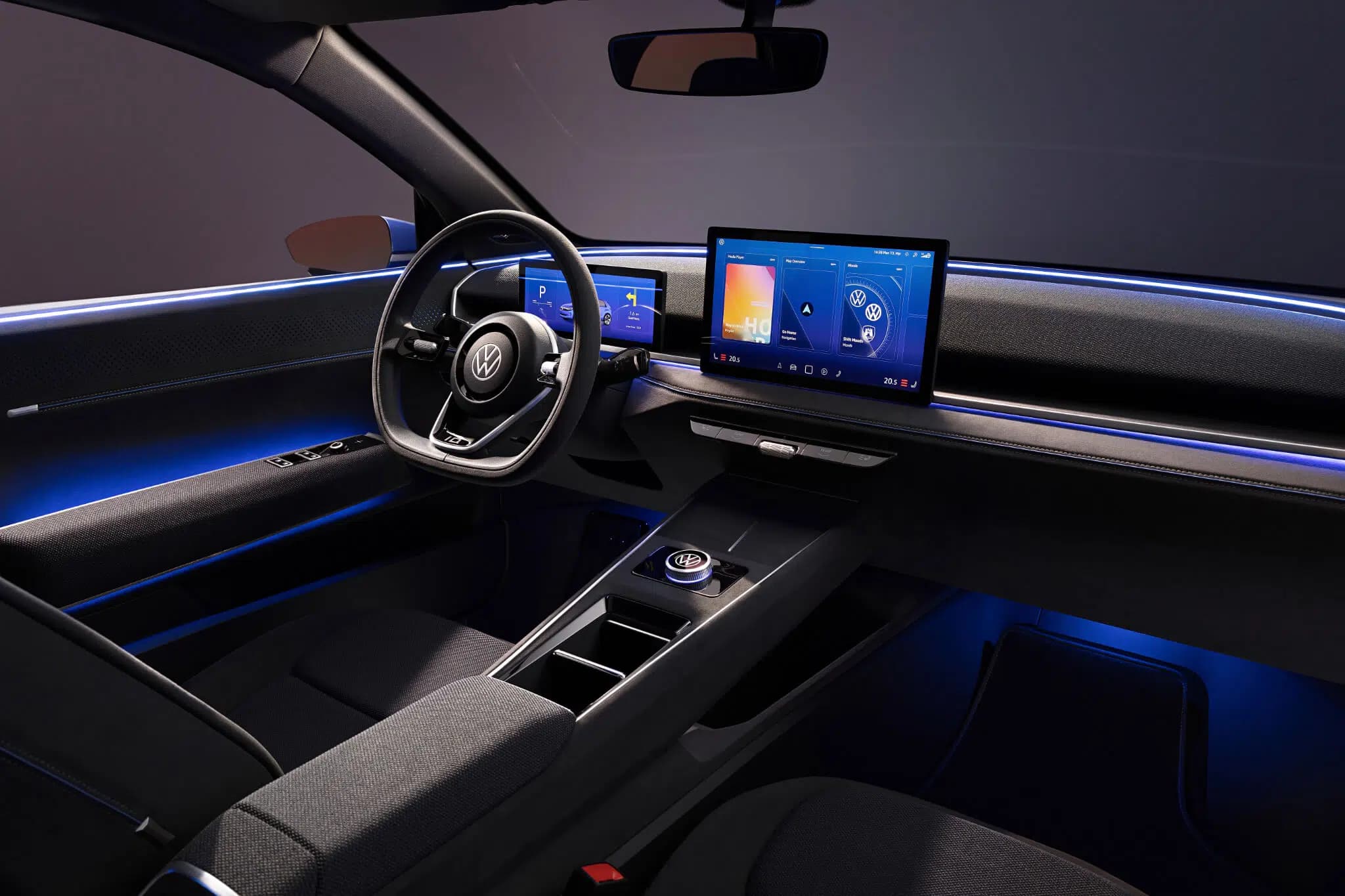
Inside, the ID.2 is expected to largely mirror the concept’s style, featuring a 12.9-inch infotainment screen and a 10.9-inch driver display. A significant change for Volkswagen is a return to physical buttons for key controls like volume and cabin temperature, moving away from the touch-sensitive panels found in earlier ID. models. The steering wheel will also revert to rotating thumbwheels and physical buttons instead of touch sliders. A unique feature allows the driver cluster to transform to resemble dashboards from classic Golf or Beetle models. The gear selector has been moved to a stalk on the steering column, similar to other recent MEB models.
The ID.2all concept boasted a generous boot capacity of 440 liters (1,330 liters with rear seats folded) and a novel 50-liter lockable storage area under the second row, ideal for charging cables or laptops.
Platform and Performance
The ID.2 will be based on the MEB Entry platform, an offshoot of the MEB platform specifically designed for smaller, more affordable electric vehicles. This platform features a switch to front-wheel drive and uses a simpler torsion-beam rear suspension to reduce costs and enhance practicality.
The ID.2 will be offered with two battery pack sizes: 38 kWh and 56 kWh. The larger 56 kWh pack is projected to provide a WLTP range of up to 280 miles (450 km). Volkswagen claims the vehicle will be capable of recharging from 10% to 80% in just 20 minutes, with a peak charging capacity of up to 125 kW. The single front-mounted motor is expected to produce around 223 bhp, enabling a 0-62 mph (0-100 km/h) acceleration in approximately seven seconds.
Market Positioning and Future Plans
The ID.2, which could arrive in Europe as early as next year (2026), is set to start at under 25,000 euros (approximately $29,000) in Europe, with prices potentially dropping to as low as £20,000 in the UK. This aggressive pricing is crucial for Volkswagen to re-establish its position as a leading mainstream EV manufacturer in Europe.
Following the ID.2, Volkswagen plans to launch an SUV version of this entry-level EV, and an even smaller, more affordable ID.1, expected to arrive in 2027 with a proposed price of less than 20,000 euros. Production of the ID.2 and other MEB Entry models will be led by SEAT S.A. at Volkswagen Group’s Martorell plant in Spain, where initial body parts and pre-series battery systems are already being produced. The CUPRA Raval will be the first model from this family to enter production in mid-2025. The ID.2 is expected to face competition from new rivals such as the Renault 5, Fiat Grande Panda, and Citroen e-C3, as well as refreshed Stellantis models like the Peugeot E-208 and Vauxhall Corsa Electric.
Comments
Categories
Related news
Subscribe for EV News and Reviews

AI Employee for Car Dealerships
Results in 30 days - Or We'll Give You Your Money Back