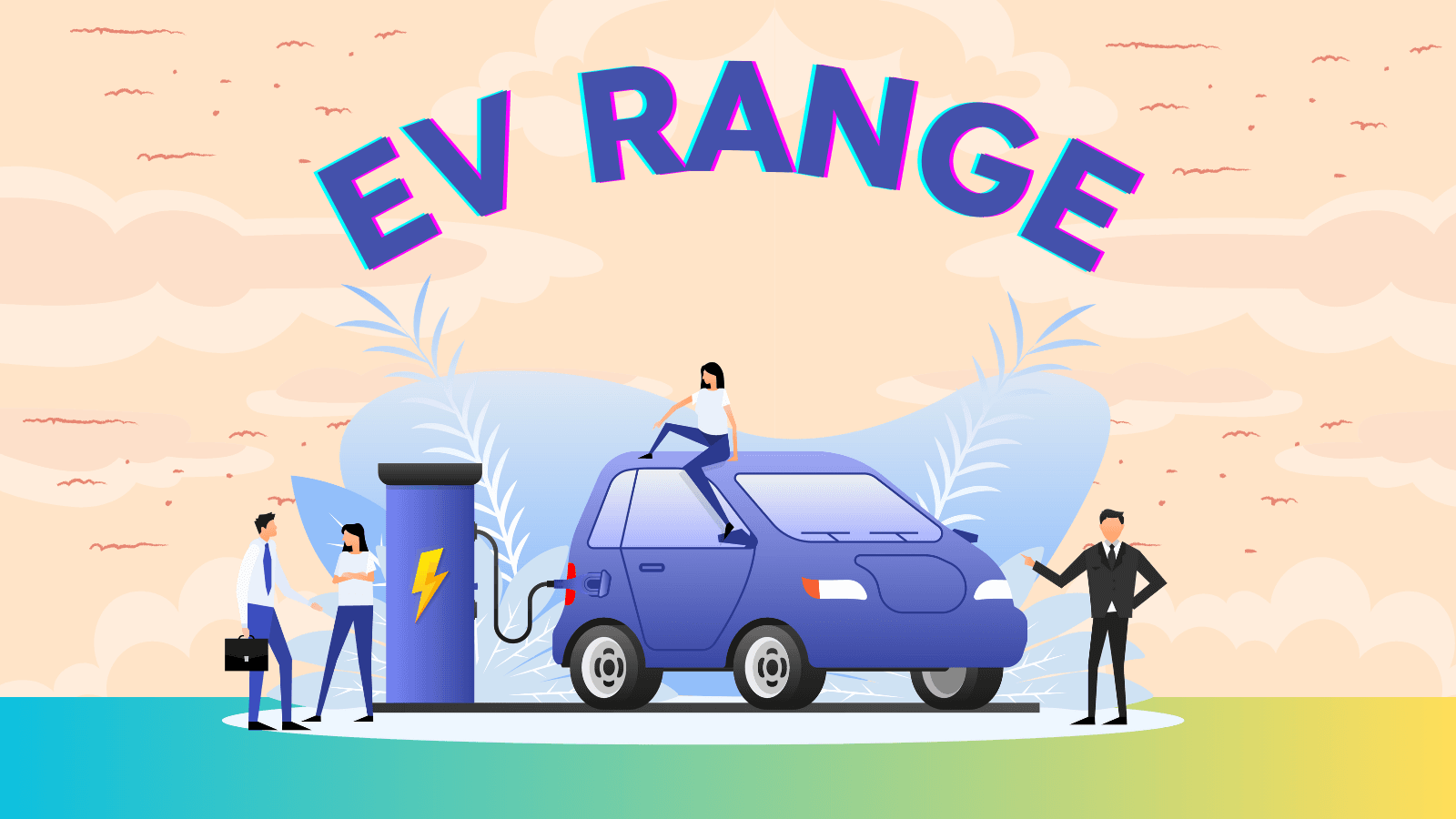
For people interested in electric vehicles (EVs), how far the car can go on one charge is super important. But figuring out the range numbers that car companies give can be really confusing. These numbers come from three main tests: the New European Driving Cycle (NEDC), the Worldwide Harmonised Light Vehicle Test Procedure (WLTP), and the Environmental Protection Agency (EPA) test in the U.S. Each test looks at EV range in its own way, which can make it hard for buyers to understand what they mean.
How We Figure Out EV Range
First off, it’s important to know how these range numbers are calculated. Car makers use one of the three tests mentioned to guess how far their car can go on a full battery. They’re trying to give you a number you can use to compare cars. But, the number you see might not match how far you’ll actually get on the road.
NEDC vs. WLTP in Europe
The NEDC test is pretty old and not that accurate because it’s based on ideal conditions that don’t match real driving. On the other hand, the WLTP test, which started in 2017, tries to be more like real driving by including different speeds and more city and country driving. That means WLTP numbers are usually more reliable than NEDC ones.
EPA in the U.S.
The EPA test in the U.S. is known for being strict. It tests cars in a variety of driving situations to get a range number that’s close to what you’ll see when you’re actually driving. This makes EPA numbers pretty trustworthy for American drivers.
Why Range Numbers Differ
The main reason why the range numbers are different in Europe and the U.S. is because of what driving conditions the tests think are important. European tests focus more on city driving, while the EPA test thinks highway driving is more important. This is why you should be careful when comparing these numbers.
Picking the Right Range Number
When you’re looking at EVs, especially ones sold in different places, make sure you’re comparing the same types of range numbers. For people in the U.S., this means looking at the EPA numbers to get the best idea of what to expect. But remember, your actual range can change based on how you drive, how you use your car’s features, and the road conditions.
Conclusion
In short, while the NEDC, WLTP, and EPA tests all try to give you a good idea of an EV’s range, knowing what each test measures helps you make a better choice. By understanding what these tests do well and their limits, you can set realistic expectations for your new EV.
FAQs
- What makes the EPA standard more accurate for U.S. drivers? The EPA testing procedure includes a wider variety of driving cycles and conditions, closely mimicking real-world U.S. driving scenarios, making it more accurate for American drivers.
- Can WLTP estimates be trusted for European driving conditions? Yes, the WLTP is designed to provide more realistic and reliable estimates for European driving conditions than the older NEDC standard.
- Why do range estimates vary between testing standards? Range estimates vary due to differences in testing methodologies, with each standard emphasizing different driving conditions and speeds.
- How should I compare EVs from different markets? Always compare EVs using range estimates from the same testing standard, preferably one that reflects your country’s driving conditions.
- Does driving style affect EV range? Yes, aggressive driving, high-speed travel, and the use of optional equipment can all reduce the actual range of an EV.
- Why was the WLTP introduced? The WLTP was introduced to provide more realistic and accurate range estimates than the NEDC, reflecting modern driving conditions and habits.
By EV.com
Categories: EV101
Comments
Categories
Related news


Subscribe for EV News and Reviews

AI Employee for Car Dealerships
Results in 30 days - Or We'll Give You Your Money Back