U.S. Government Expands Federal Lands For Solar Development To 31 Million Acres
The Biden Administration’s Expansion Now Adds Idaho, Montana, Oregon, Washington, And Wyoming
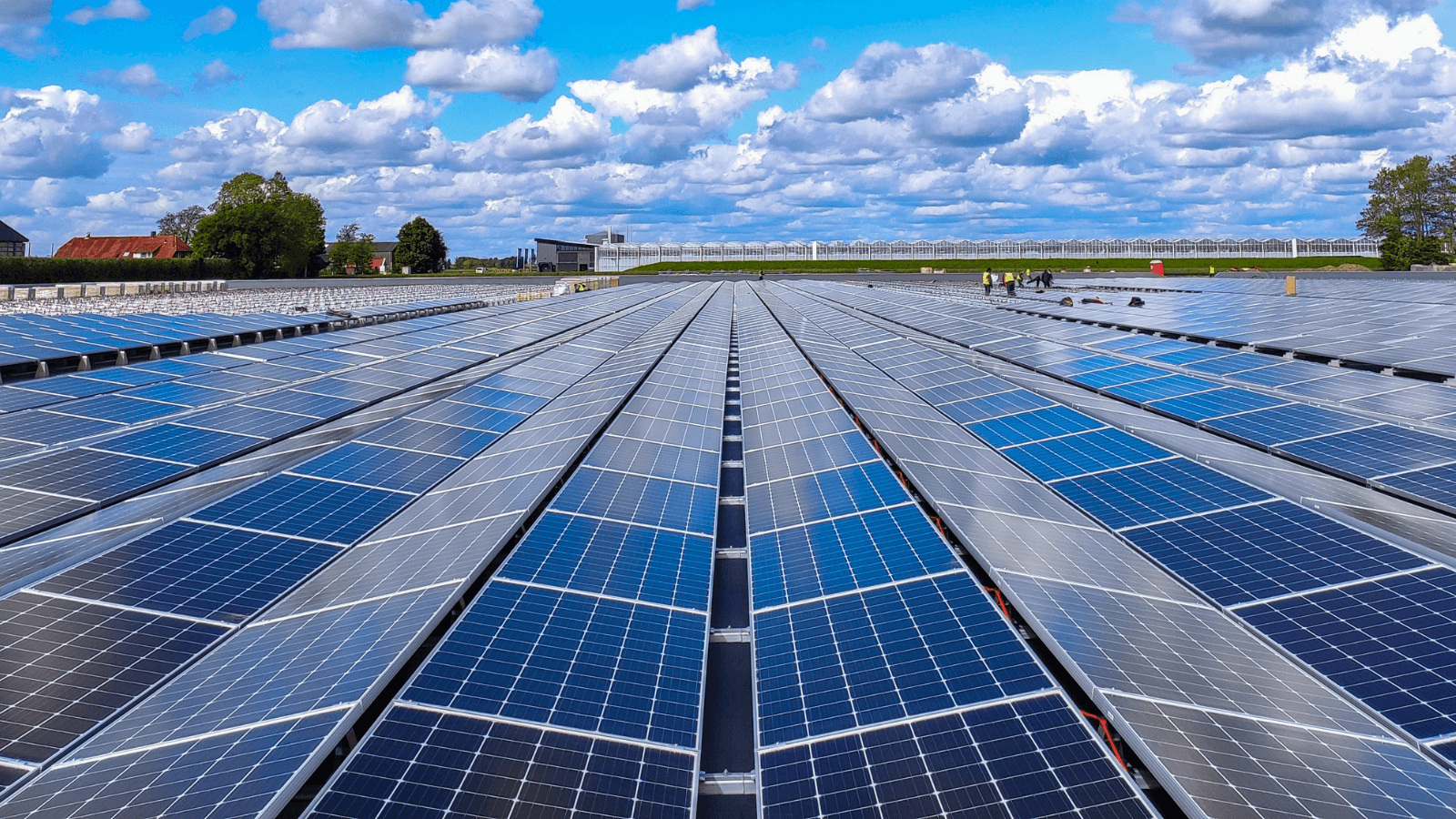
The Biden administration has taken a significant step forward in its clean energy agenda with electric vehicles (EVs) and now they are finalizing a plan to expand solar development on federal lands across the western United States (U.S.).
The Bureau of Land Management (BLM) has proposed opening up 31 million acres of public land for potential solar projects, substantially increasing from the 22 million acres initially recommended in January. This expansion is part of the updated Western Solar Plan, a comprehensive roadmap for governing solar energy proposals and projects on public lands.
According to the Biden administration, the revised plan now contains 11 western states, adding Idaho, Montana, Oregon, Washington, and Wyoming to the original six states of Arizona, California, Colorado, Nevada, New Mexico, and Utah. This strategic move aims to accelerate the development of solar farms by positioning them closer to existing transmission lines or on previously disturbed lands while avoiding protected areas, sensitive cultural resources, and critical wildlife habitats.
This initiative is a key component of President Biden’s “Investing in America” agenda, which the White House is actively promoting ahead of the November election. The agenda focuses on boosting the US economy through investments in infrastructure, clean energy, and job creation.
U.S. Achievements In Solar Development
Notably, the Biden administration’s goal for clean energy is further evidenced by the BLM’s recent achievement of permitting 29 gigawatts (GW) of clean energy projects on public lands, surpassing its initial goal of 25 GW. This capacity is sufficient to power over 12 million homes and contributes to the target of achieving 100% clean electricity on the U.S. grid by 2035.
The White House is framing this expansion as part of a broader effort to streamline the permitting and construction of major infrastructure projects. Deputy Chief of Staff Natalie Quillian told Reuters in an interview that highlighted the administration’s push to use executive authority to improve the federal permitting process, where the administration claims to have already reduced the median time required for environmental reviews by six months and asserts that it has permitted more projects than the previous administration.
As the U.S. continues to pursue its clean energy goals, this expansion of federal lands for solar development conveys a meaningful step towards reducing reliance on fossil fuels. With challenges still remaining, the country’s reach to its clean energy goals is in progress from its EV adoption commitments and solar energy solutions.
Want to learn more about EV? Thinking of buying an EV? Head over to EV.com and discover more.
Comments
Categories
Related news

Subscribe for EV News and Reviews

AI Employee for Car Dealerships
Results in 30 days - Or We'll Give You Your Money Back