U.S. EV Market Hits New Milestone: Capturing 19.6% Of New Car Sales In 2024
BEVs Hold Strong In The Luxury Market While Hybrids Lead The Charge, Despite Shifting Dynamics And Potential Policy Challenges
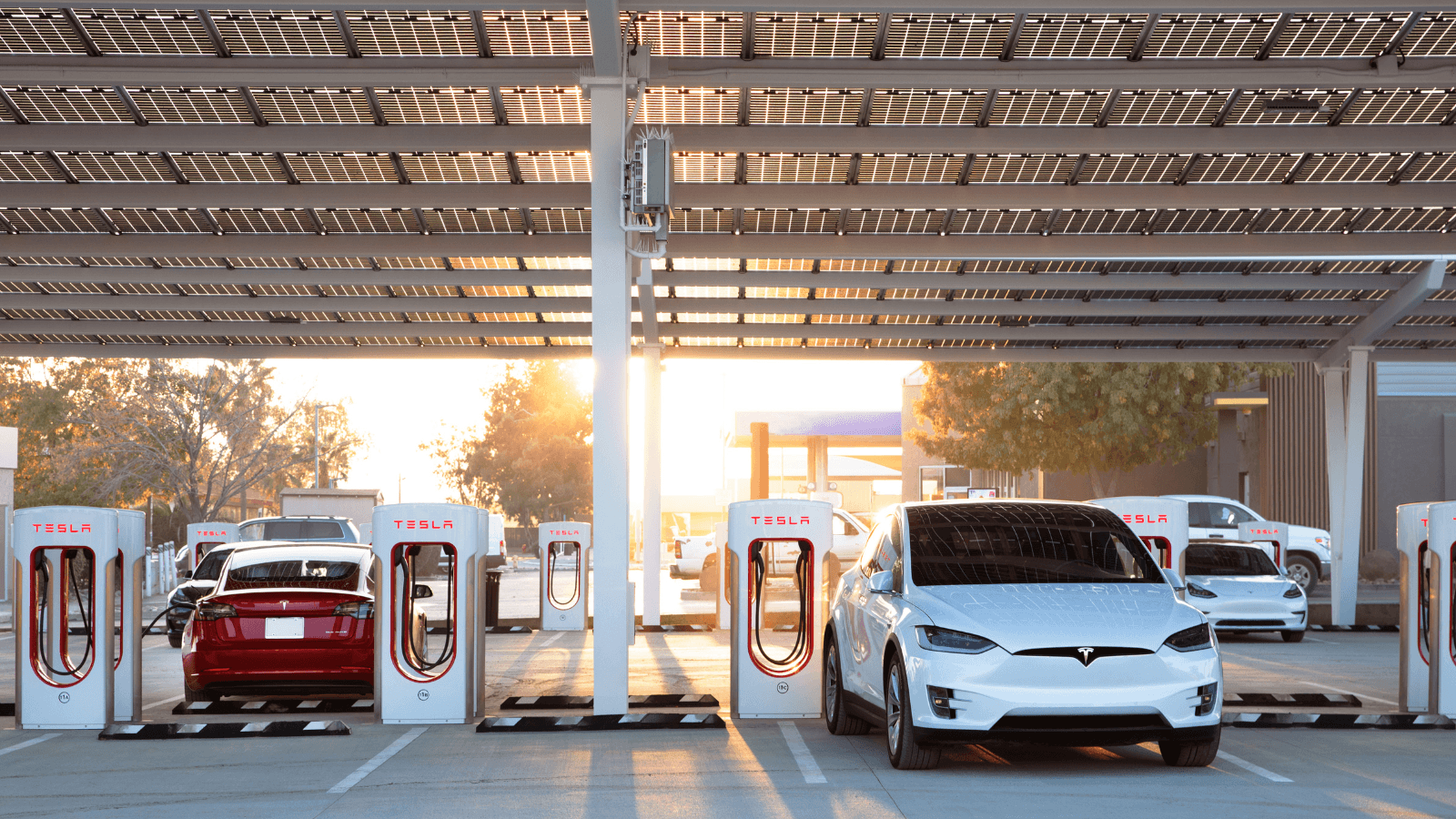
The United States (U.S.) electric vehicle (EV) market has reached a significant turning point in 2024, with electric and hybrid vehicles capturing an unprecedented 19.6% of new light-duty vehicle sales in Q3.
According to the US Energy Information Administration (EIA), the growth was not driven by battery electric vehicles (BEVs) as one might expect, but by hybrid vehicles. While BEV sales slightly declined from 7.4% to 7.0% of the market, hybrid vehicles surged to a record 10.8% market share.
Despite this, the statistics suggest buyers are increasingly comfortable with electrified technology but feel more comfortable about fully electric options soon.
The Luxury Market and Pricing Dynamics
BEVs continue to dominate the luxury vehicle segment, comprising 35.8% of luxury vehicle sales. However, the luxury market’s grip is loosening. In Q3 2024, only 70.7% of BEVs sold were luxury models—the lowest percentage since 2017.The average BEV transaction price remains high at $56,351, about 16% above the overall vehicle market average.
Market Leaders and Shifting Dynamics
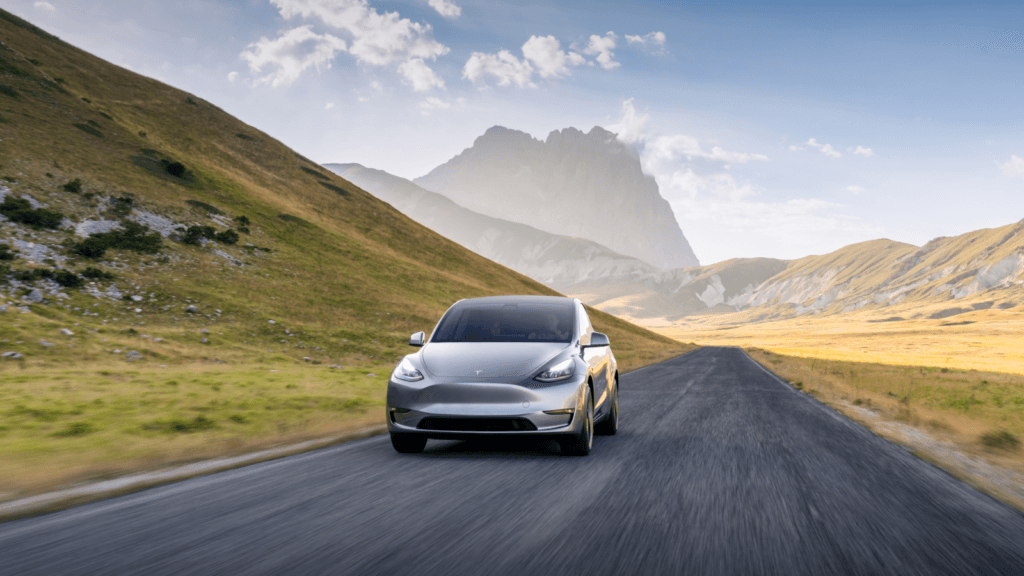
Tesla remains the market leader, but its dominance is waning. For the second consecutive quarter, Tesla’s market share dropped below 50%, landing at 48.8%. The Model Y and Model 3 continue to drive sales, with the Cybertruck providing an additional boost by outselling all competing large electric trucks.
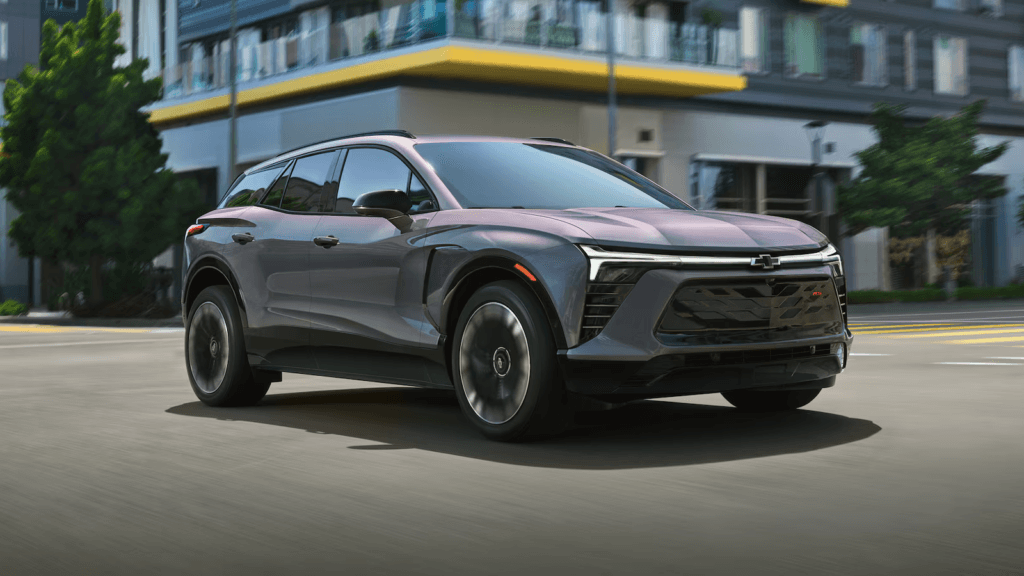
Ford maintains its second-place position, though its market share has shrunk to 6.9%. Chevrolet is making significant strides, moving into third place with a 5.8% market share, powered by its Blazer and Equinox models.
Domestic Production and Policy Influences
The market is increasingly domestic, with 78.9% of BEVs sold in the U.S. manufactured in North America. The Inflation Reduction Act continues to play a crucial role, with tax credits incentivizing both production and purchase of EVs.
Uncertain Future and Potential Challenges
The market faces potential disruption from political winds. Discussions about eliminating the $7,500 EV tax credit could significantly impact the non-luxury EV segment, which is particularly price-sensitive. Currently, while BEVs represent 35.8% of luxury vehicle sales, their presence in the non-luxury market remains more tenuous.
Joel Levin, executive director of Plug In America, offers pragmatic advice: “If you’re considering an EV, now is a great time. Consumers can often stack incentives from various sources, creating compelling financial opportunities.”
EV Growth and Innovation Ahead
The EV market has come a long way—growing from just over 3% of sales in 2017 to nearly 20% in 2024. Despite challenges, the trajectory suggests continued growth and innovation in electrified transportation.
As the EV market evolves, buyers can expect more affordable options, improved technology, and increasingly diverse vehicle selections.
Want to learn more about EV? Thinking of buying an EV? Head over to EV.com and discover more.
Comments
Categories
Subscribe for EV News and Reviews

AI Employee for Car Dealerships
Results in 30 days - Or We'll Give You Your Money Back