U.S. Delays Tariff Quadrupling Hike On Chinese EVs And Batteries
The UTSR Has Delay Tariff Hikes On Chinese EVs Set For August 1st By At Least Two Weeks
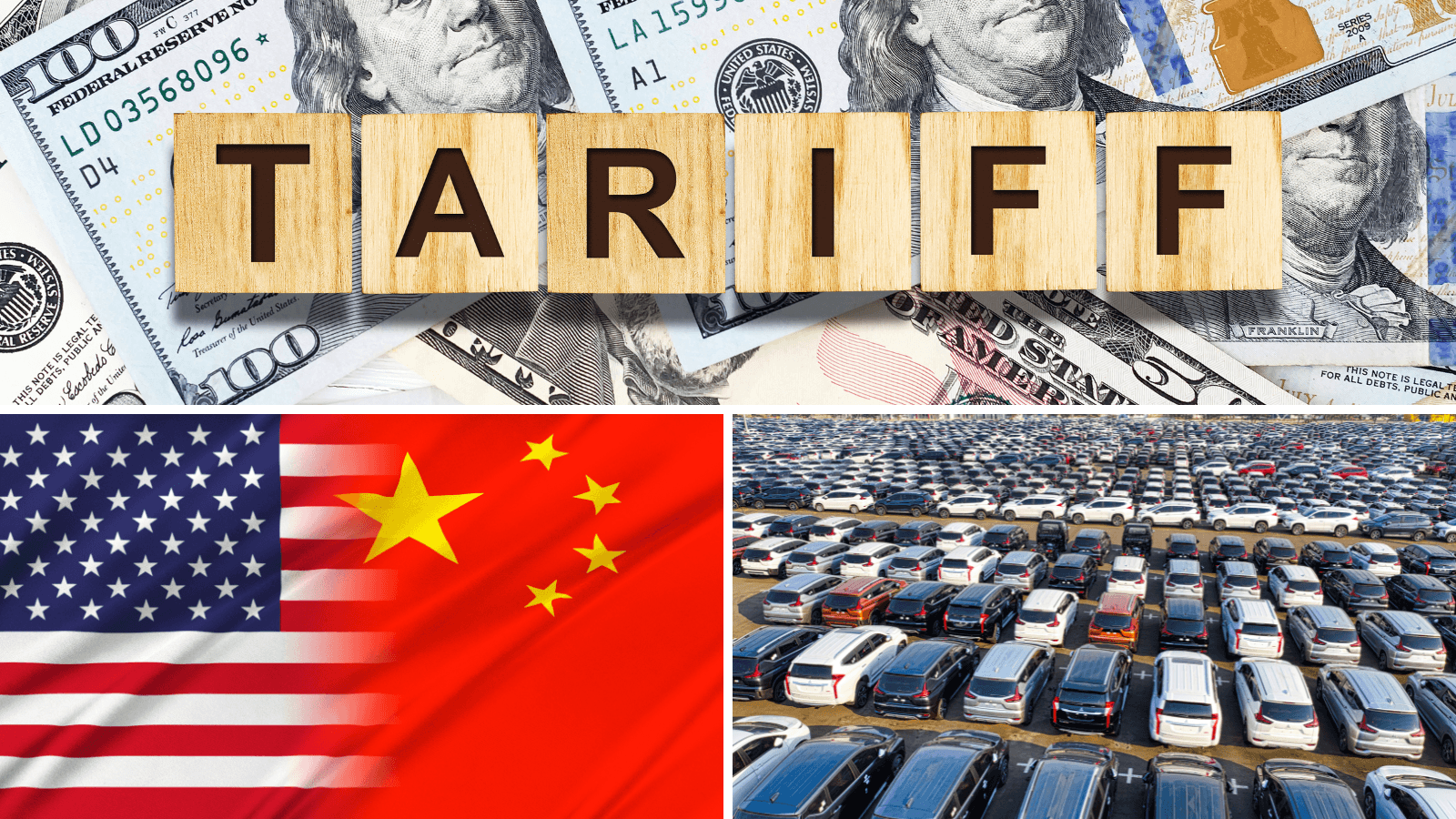
The United States Trade Representative’s (USTR) office has announced a delay in the implementation of steep tariff increases on a range of Chinese imports including electric vehicles (EVs) and their batteries.
As part of the Biden administration’s efforts to protect United States (U.S.) industries and jobs, would see import tariffs on Chinese EVs quadruple to over 100%. However, the new tariff rates, which were originally scheduled to take effect on August 1st, will now be postponed by at least two weeks as officials review over 1,100 public comments received from stakeholders.
Beyond the automotive sector, the tariffs target a wide range of products including solar cells and EV batteries. As for the overall effect, the measures affect around $18 billion worth of Chinese goods. Notably, lithium-ion batteries represent the largest category, accounting for $13.2 billion of the targeted imports.
Interestingly, the delay comes as the U.S. government faces criticism from various quarters. According to Reuters, the Port Authority of New York and New Jersey, for instance, has raised concerns about the impact of tariffs on Chinese cranes, stating that each crane could cost an additional $4.5 million, straining the port’s budget.
U.S. Global Tariff Effect Of Chinese EVs
With the tariffs are part of a broader strategy by the U.S. government to address the major trade imbalance with China, other countries have considered to utilize the same method. Particularly, the European Union (EU) has done the similar actions with its implementation of tariffs up to 37.6% on Chinese EVs.
As for the neighbours of the U.S., Canada is also in the ongoing considerations of a 30-day consultation period of implementing new tariff rates on Chinese EVs due to the same reasons. As a result, many nations have been influenced with the U.S. making the first steps.
While the tariffs aim to protect jobs and bolster domestic production capabilities, especially in emerging technologies like EVs and solar energy, Chinese automakers are still aiming for expanding their EVs across the globe with BYD leading the charge.
As the UTSR is expected to announce its final determination on the tariffs in August, the new measures taking effect around two weeks after the announcement. As the review process continues, automakers and buyers alike are watching closely to see how these tariffs will reshape the U.S. automotive landscape.
Want to learn more about EV? Thinking of buying an EV? Head over to EV.com and discover more.
Comments
Categories
Related news
Subscribe for EV News and Reviews

AI Employee for Car Dealerships
Results in 30 days - Or We'll Give You Your Money Back